
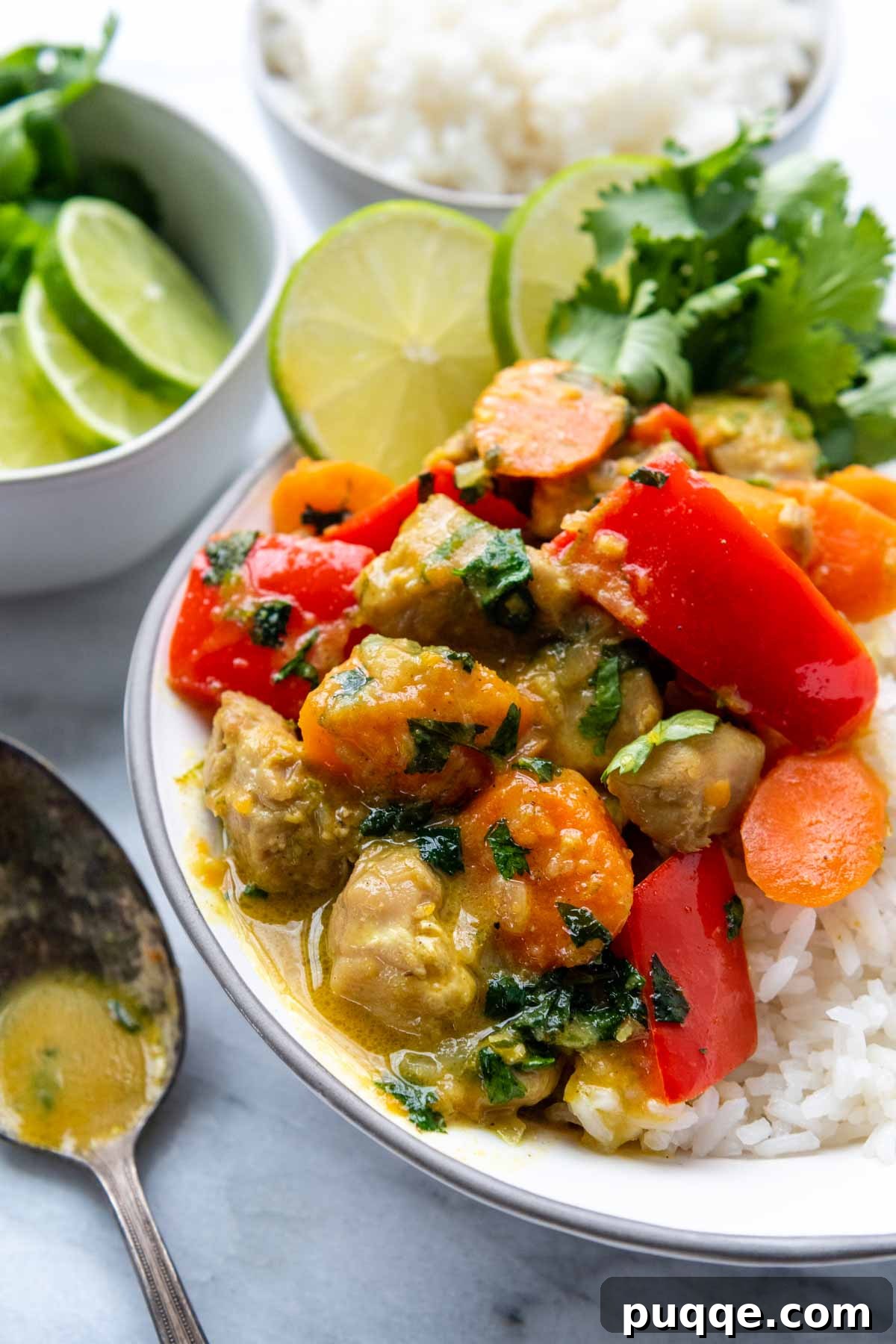
Embark on a culinary journey that promises both exceptional flavor and absolute peace of mind for those with gluten sensitivities. This article is your definitive guide to creating the ultimate gluten-free curry recipe, whether you’re a seasoned chef or new to the world of cooking. Here, we’ll demystify the process, answering common questions like “Can celiacs eat curry?” and providing a delicious, foolproof solution. Our featured easy coconut chicken curry isn’t just a quick and satisfying weeknight dinner; it’s a vibrant, aromatic dish crafted without curry paste, making it incredibly simple, endlessly adaptable, rich in flavor, and naturally dairy-free. Prepare to delight your family and friends with a meal that caters to diverse dietary needs without compromising on taste.
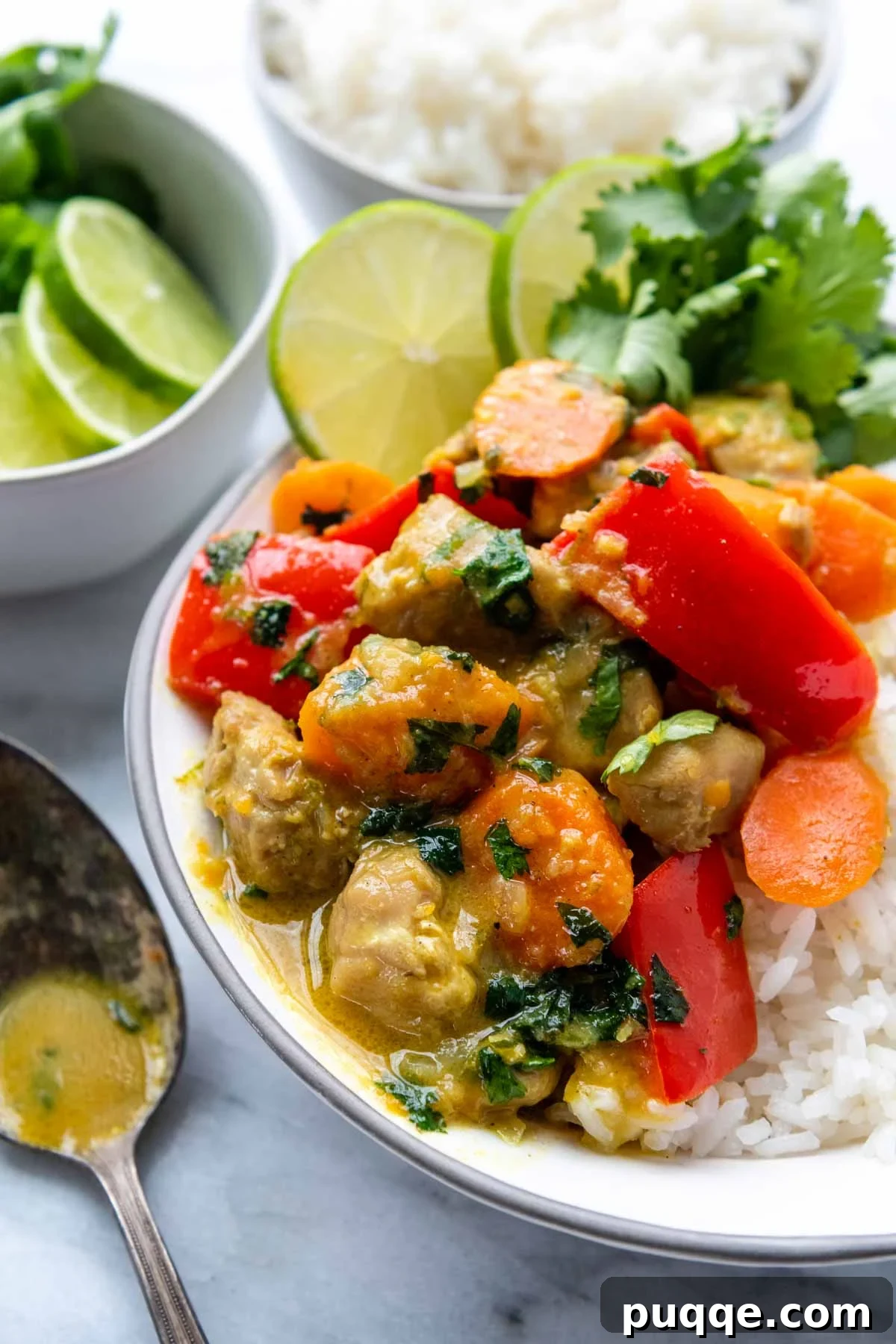
Winning Weeknight Dinners: The Allure of Coconut Chicken GF Curry
Crafting delicious, weeknight gluten-free dinner recipes that appeal to everyone at the table is a passion, and this philosophy drives every creation, including those found in my gluten-free cookbook. The goal is always to deliver maximum flavor using readily available and affordable ingredients, ensuring that healthy eating doesn’t break the bank or require a special trip to an exotic grocery store. This easy gluten-free curry recipe, featuring tender chicken and creamy coconut milk, perfectly embodies this approach.
One of its standout features is that it’s made entirely from scratch without the need for pre-made curry paste. Many commercial curry pastes, while convenient, can harbor hidden gluten-containing ingredients or may not explicitly state their gluten-free status, making them a concern for celiacs or those on a strict GF diet. By relying on a blend of standard pantry spices, this recipe not only guarantees gluten-free integrity but also offers a cleaner, fresher flavor profile. You’ll find all the necessary spices easily at any supermarket, eliminating the need for specialty purchases.
The choice of coconut milk is another deliberate element that elevates this curry. Not only does it impart a luxurious, creamy texture, making the recipe naturally dairy-free—a significant advantage for those with lactose intolerance or dairy allergies—but it also infuses the dish with a subtle, sweet, and distinctly Thai-inspired flavor. This characteristic rich and velvety texture is reminiscent of popular dishes like our creamy coconut shrimp and adds a gourmet touch similar to the broth in our homemade gluten-free ramen recipe, bringing restaurant-quality vibes straight to your kitchen.
While this recipe is highly adaptable to various proteins and vegetables, the suggested combination is carefully chosen to achieve optimal flavor and consistent results. Using boneless chicken thighs, rather than leaner chicken breasts, is key to success. Chicken thighs remain wonderfully moist and tender throughout the cooking process, mitigating the risk of overcooking and drying out. This ensures every bite is succulent and flavorful.
The selection of vegetables—sweet potatoes, carrots, and bell peppers—is designed to maximize both taste and texture. Sweet potatoes and carrots are added early, allowing them to soften beautifully and slightly break down, which naturally thickens the sauce and adds a subtle sweetness. The bell peppers, however, are introduced towards the end of the cooking time. This strategic timing ensures they retain a pleasant crisp-tender bite, offering a delightful textural contrast to the other ingredients and a burst of fresh flavor. By following these thoughtful steps, you’ll not only master how to make gluten-free curry but also understand the nuances that contribute to its exceptional taste and texture, ensuring a truly satisfying meal every time.
Navigating Gluten-Free Curry: Safety and Substitutions
For individuals managing celiac disease or following a gluten-free diet, understanding which ingredients are safe is paramount, especially when enjoying a dish as globally diverse as curry. While many curries are naturally gluten-free, hidden sources of gluten can lurk in unexpected places. Common culprits include soy sauce in some Asian-inspired curries (always opt for certified gluten-free tamari), certain thickeners or spice blends, and cross-contamination in kitchens that handle gluten-containing ingredients. When ordering takeout or dining at restaurants, it’s always best to communicate your dietary needs clearly and inquire about specific ingredients and preparation methods. This recipe, made from scratch with carefully selected ingredients, offers a safe and delicious alternative, giving you complete control over your meal.
Beyond safety, the beauty of homemade curry lies in its flexibility. This recipe can be easily modified to suit your preferences, whether you’re looking to incorporate different vegetables, explore alternative proteins, or adjust the spice level. Below, you’ll find comprehensive tips and ingredient swaps to help you make this curry uniquely yours.
Ingredient Tips and Smart Swaps
- Oil: Any cooking oil with a high smoke point will work well, such as avocado oil or vegetable oil. However, for a flavor profile that harmonizes beautifully with the coconut milk and overall Thai-inspired notes, coconut oil is an excellent choice. It subtly enhances the sweetness and aroma of the dish.
- Shallot: Shallots offer a milder, sweeter, and more nuanced onion flavor compared to traditional onions, making them ideal for building a delicate aromatic base. If shallots are unavailable, a small, thinly sliced red onion or about three minced garlic cloves can serve as a suitable substitute, though the flavor will be slightly more pungent.
- Fish Sauce: This ingredient is a secret weapon for umami. While its initial aroma can be quite strong, trust the process—it adds incredible depth and savory richness that truly makes the curry sing. Crucially, always read labels carefully, as some brands, much like soy sauce, may contain gluten. Reputable gluten-free brands such as Dynasty, Red Boat, Thai Kitchen, and A Taste of Thai are widely available in the international aisle of most supermarkets.
- Vegetables: The combination of carrots, sweet potatoes, and bell peppers lends a delightful sweetness and textural variety to the dish. However, this recipe is incredibly forgiving. Feel free to experiment with other vegetables such as broccoli florets, fresh spinach, cauliflower, hearty butternut squash, diced tomatoes, or zucchini. Remember to add them according to their cooking times—harder vegetables like squash or cauliflower should go in earlier, while delicate greens like spinach should be stirred in at the very end.
- Chicken: Boneless, skinless chicken thighs are highly recommended for their rich flavor and inherent tenderness, making them almost impossible to overcook. For a delicious vegan or vegetarian gluten-free curry, simply replace the chicken with additional hearty vegetables or pan-fried extra-firm tofu. If using tofu, press out excess water before cooking to achieve a desirable texture.
- Coconut Milk: Full-fat canned coconut milk is the cornerstone of this curry’s creamy texture and authentic flavor, providing a luxurious mouthfeel that truly replicates a traditional Thai curry. However, if you prefer a lighter option, lite coconut milk can be used, or for a non-dairy alternative, consider regular heavy cream (though this would no longer be dairy-free). Coconut milk is an incredibly versatile ingredient, also shining in savory dishes like our quick coconut fish and tomato bake recipe.
- Aromatics & Finishing Touches: Minced fresh ginger, bright lime juice, fragrant lime zest, a touch of honey, and robust curry powder form the heart of this curry’s complex flavor profile. Fresh cilantro adds a vibrant, herbaceous finish. If cilantro isn’t to your liking, Thai basil or even regular basil makes a wonderful aromatic substitute, offering a slightly different but equally delightful aroma.
Let’s Make This Together! A Step-by-Step Guide to Your Best Gluten-Free Curry
Preparing a flavorful curry can be surprisingly quick and easy when you follow a few simple steps. The key to a smooth cooking process is often in the preparation – having all your ingredients prepped and ready before you start cooking makes a significant difference. As you begin assembling your curry components, it’s also an ideal time to start cooking your chosen rice, ensuring everything is hot and ready to serve simultaneously. Get ready to transform simple ingredients into a rich and aromatic meal.
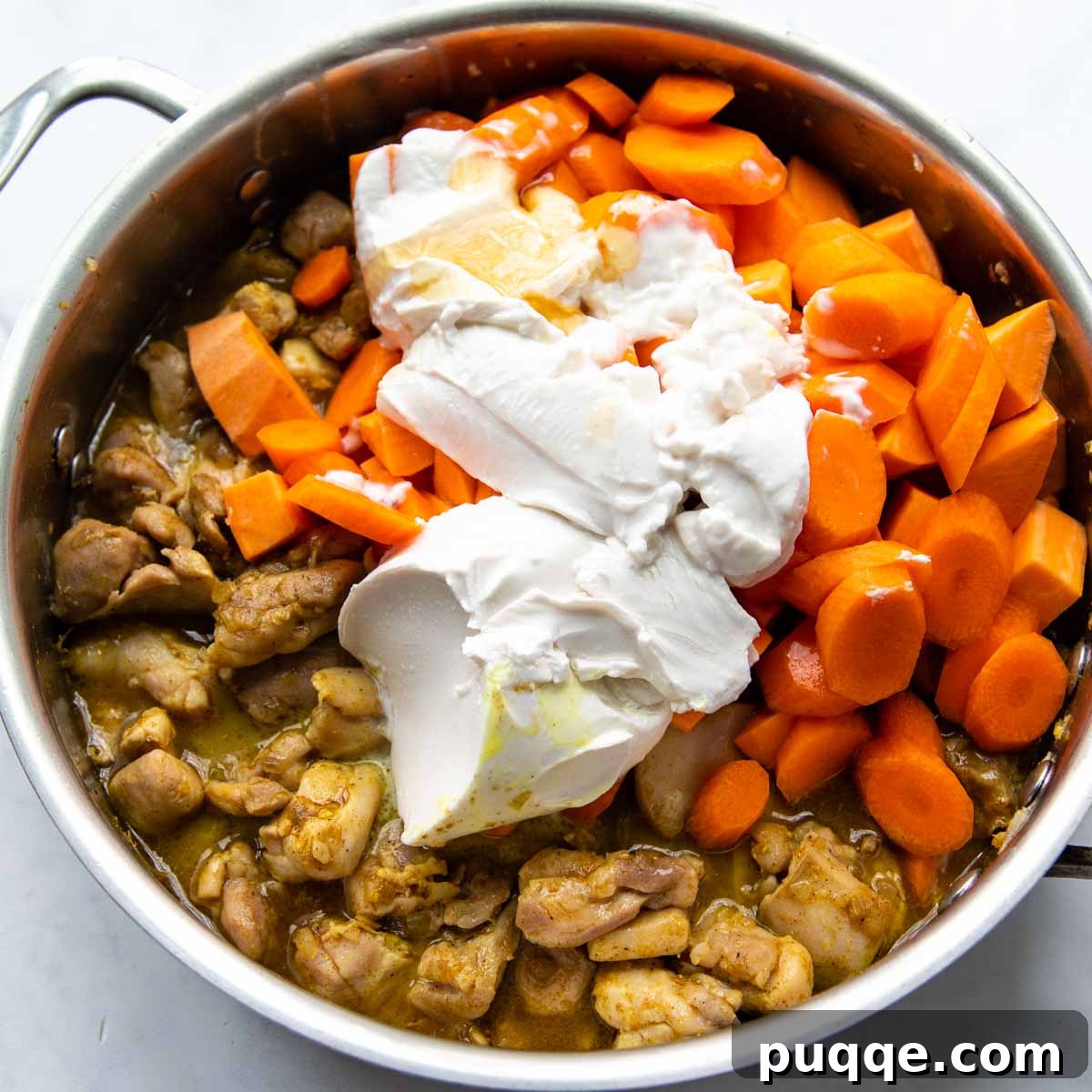
- Preparation is Key: Before you even turn on the stove, ensure all your ingredients are prepped—chopped, measured, and ready. Curry cooks quickly, so having everything at hand streamlines the process. This is also the perfect moment to start your rice cooking, so it finishes at the same time as your curry.
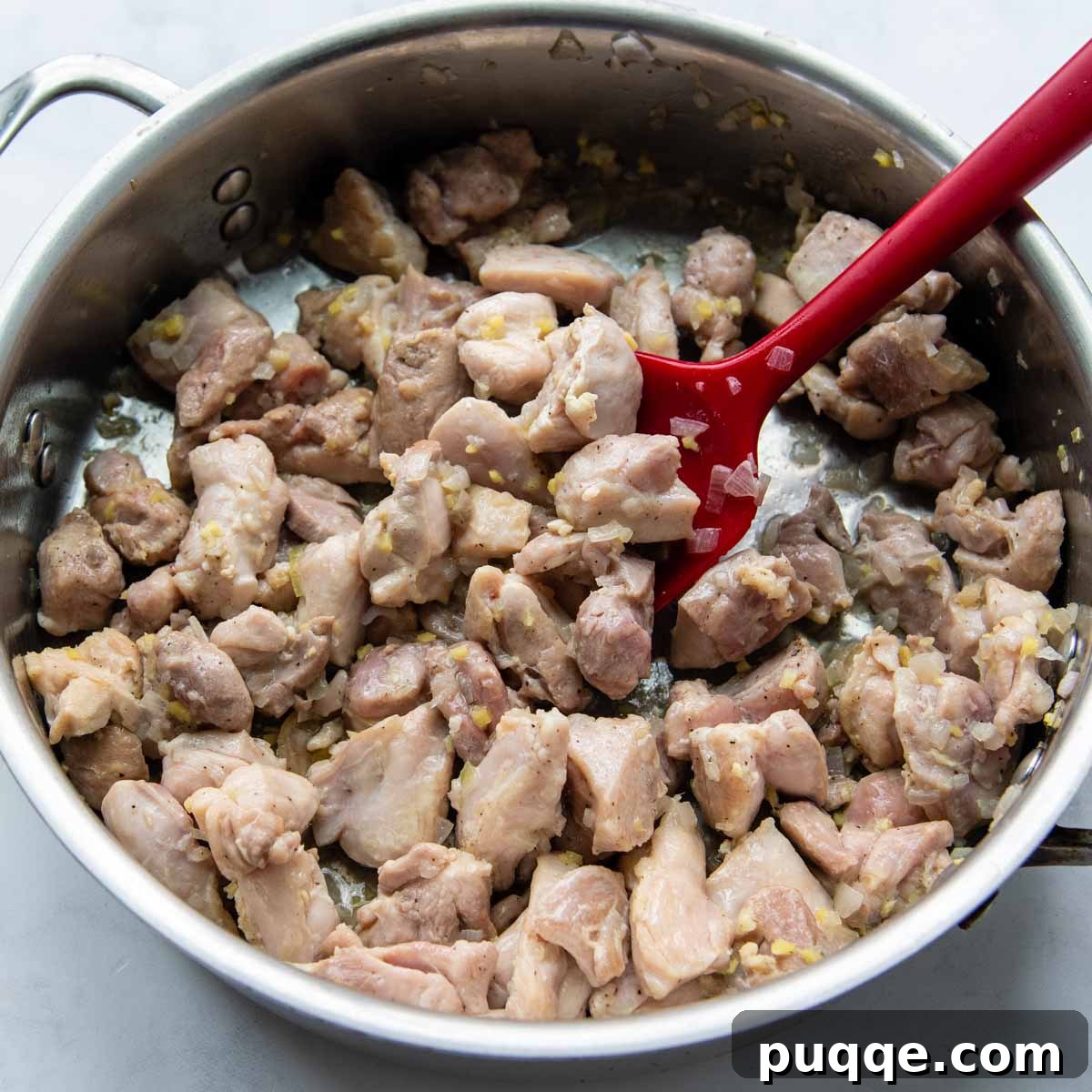
- Sauté the Aromatics and Chicken: Heat a large, deep skillet or Dutch oven over medium-high heat. Add your preferred oil (coconut oil is highly recommended for complementary flavors). Once shimmering, add the finely chopped shallots and minced ginger. Cook for about 1-2 minutes until fragrant. Then, add the bite-sized chicken thigh pieces, sprinkling them with salt and pepper. Sauté, stirring frequently, for approximately 4 minutes, until the chicken is just opaque on the outside but not yet cooked through. This ensures it stays tender.
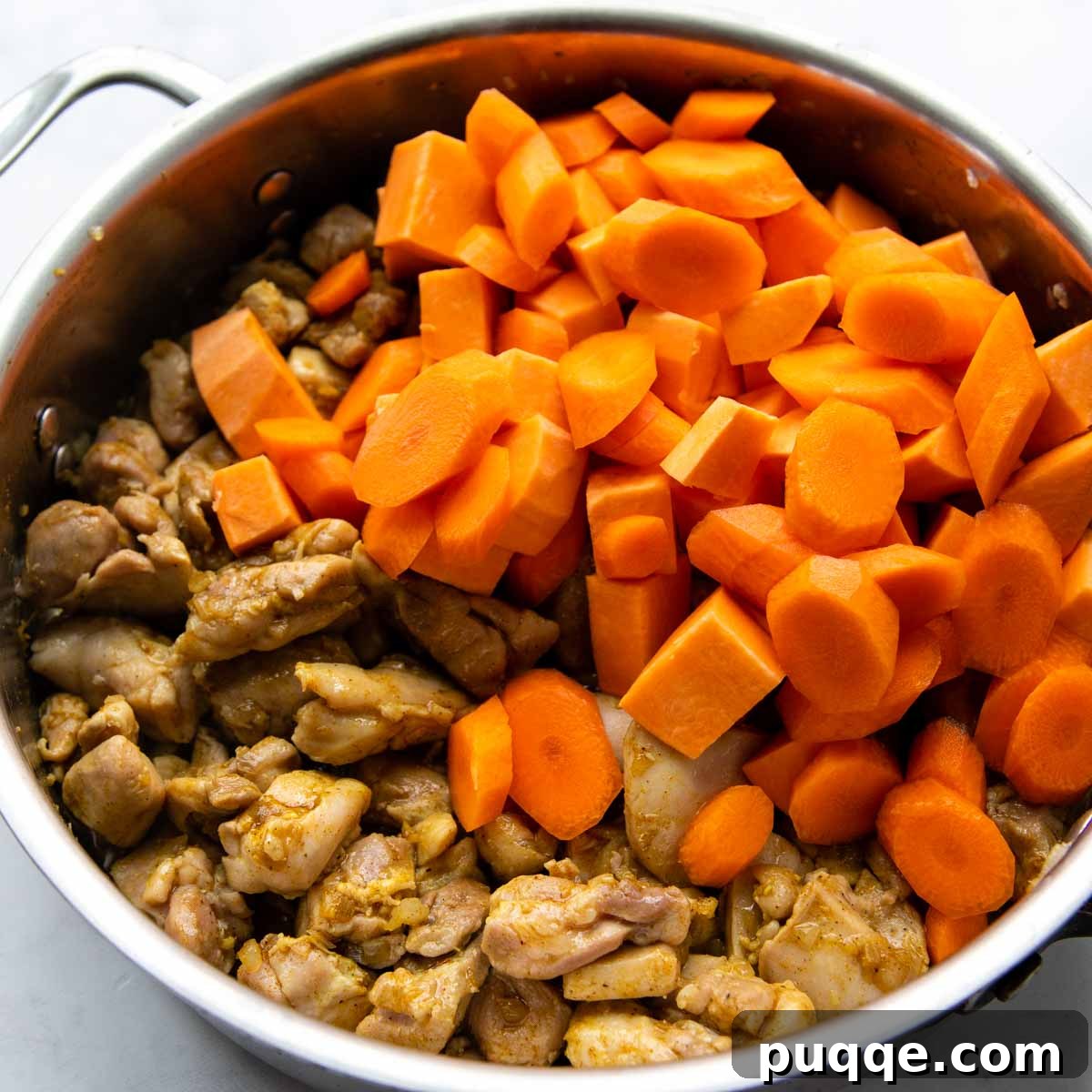
- Introduce the Spices and Vegetables: Stir in the gluten-free fish sauce and curry powder. At this stage, the aroma of the fish sauce might be quite pungent—don’t be alarmed! This is normal, and it will mellow beautifully into a rich, savory depth as it cooks. Cook for just 1 minute to toast the spices, enhancing their flavor. Then, add the diagonally sliced carrots and 1-inch sweet potato pieces to the pan, stirring to coat them thoroughly with the aromatic mixture.
- Simmer in Coconut Creaminess: Reduce the heat to medium. Pour in the canned coconut milk and stir in the honey. Canned coconut milk often separates, with a thick, solid cream at the top and watery liquid below; add both to the pan. Stir everything well to combine, ensuring the spices and honey are evenly distributed throughout the liquid. Bring the mixture to a gentle boil, then immediately reduce the heat.
- Gentle Cook for Tender Vegetables: Lower the heat to a gentle simmer. Partially cover the skillet and let it cook for 10-12 minutes, stirring every few minutes to prevent sticking and ensure even cooking. Continue simmering until the sweet potatoes and carrots are fork-tender, absorbing the rich flavors of the sauce.
- Finishing Touches: Remove the lid from the skillet. Stir in the 2-inch pieces of red bell pepper. Simmer uncovered for another 5 minutes, stirring occasionally, allowing the peppers to become crisp-tender while retaining their vibrant color. Finally, remove the curry from the heat and stir in the fresh lime juice, lime zest, and chopped cilantro. Serve this exquisite gluten-free coconut chicken curry generously over fluffy rice or with warm gluten-free flatbread.
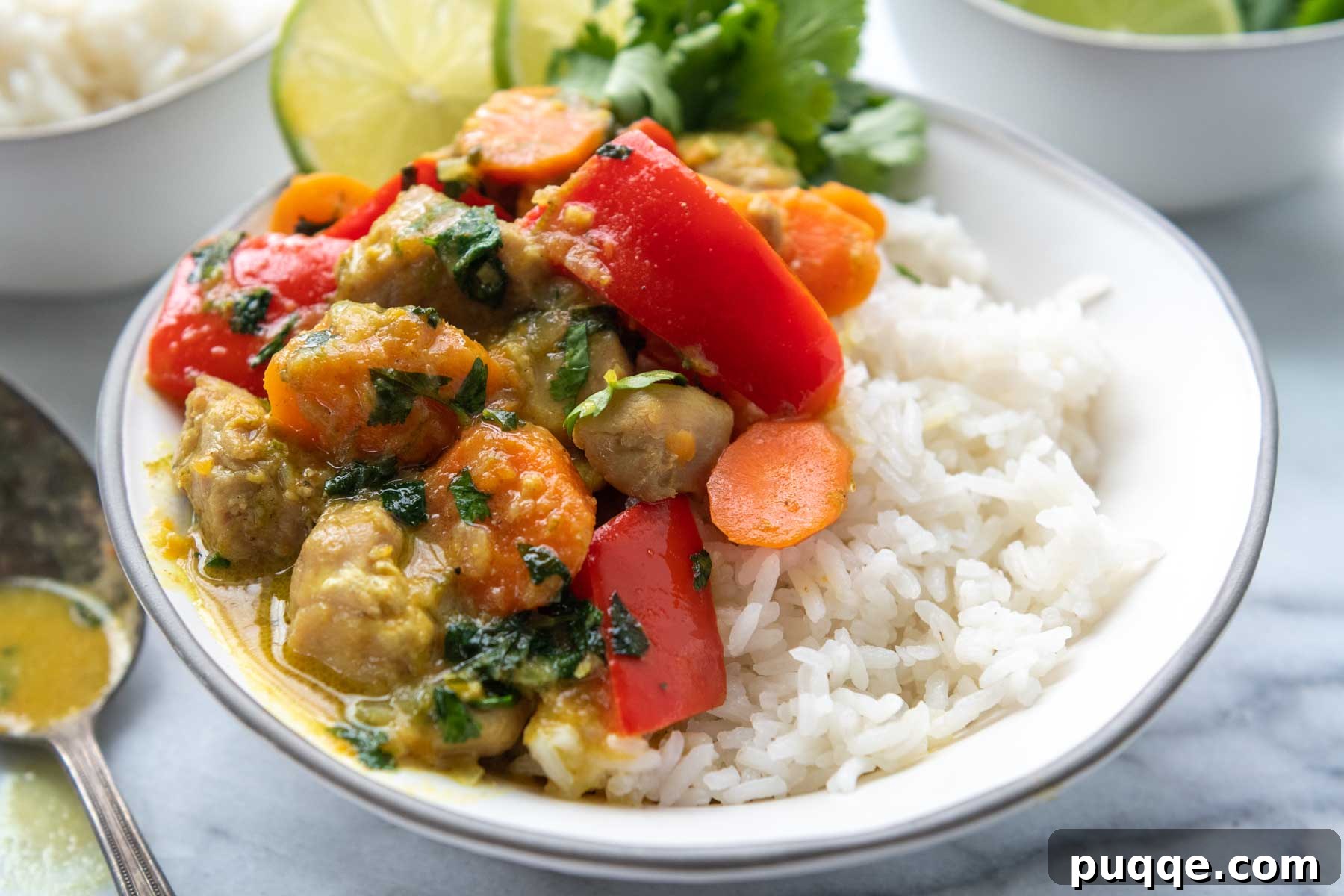
Serve Up Curry The Best Way: Perfect Pairings and Presentation
This gluten-free coconut chicken curry boasts a rich, deeply flavorful sauce that begs to be absorbed by the perfect accompaniment. The traditional choice is rice, which offers a neutral base to soak up every last drop of the aromatic sauce. Consider serving it with various types of rice such as classic white rice, nutrient-rich brown rice, fragrant jasmine rice, or aromatic basmati rice. For a lower-carb alternative, cauliflower rice makes an excellent substitute, providing a similar texture without the grains.
While this particular recipe is designed to be mildly flavored, offering broad appeal, it’s wonderful to allow guests to customize their spice level. Offer Sriracha or crushed red pepper flakes on the side, enabling everyone to add as much heat as they desire. This thoughtful touch ensures a personalized dining experience for all.
Beyond spice, garnishes play a crucial role in enhancing both the visual appeal and the fresh flavors of the curry. A sprinkle of additional fresh herbs like cilantro or Thai basil adds brightness and a pop of color. Chopped nuts, such as cashews or peanuts (ensure they are gluten-free and unsalted), can provide a delightful crunch and extra richness. And don’t forget fresh lime wedges—a squeeze of fresh lime juice just before eating truly awakens all the flavors, adding a zesty finish that perfectly balances the creamy sauce.
Ensuring Gluten-Free Safety: Dining Out and Takeout
For individuals with celiac disease or gluten sensitivity, the joy of a good curry can sometimes be overshadowed by concerns about hidden gluten, especially when dining out or opting for takeout. While many traditional curries are inherently gluten-free, restaurant practices and ingredients can introduce risks. Here’s what to look out for and how to ensure your curry experience is safe:
- Curry Pastes: As mentioned, some commercial curry pastes may contain gluten-containing fillers or thickeners, or simply be processed on shared equipment. Always ask the restaurant if they make their curry paste in-house and what ingredients they use, or if they use a certified gluten-free brand.
- Soy Sauce: Many Asian-inspired curries might use soy sauce in marinades or sauces. Standard soy sauce contains wheat. Always confirm that they use tamari (which is gluten-free soy sauce) or another gluten-free alternative.
- Thickeners: Sometimes, wheat flour or other gluten-containing thickeners are used to achieve a desired sauce consistency. Inquire about how they thicken their curries. Cornstarch or rice flour are usually safe alternatives.
- Marinades and Sauces: Chicken or other proteins might be pre-marinated in sauces that contain gluten. Always ask if the protein can be prepared without such marinades or if a gluten-free option is available.
- Cross-Contamination: This is a significant concern in any shared kitchen. Ask about their cross-contamination protocols. Do they use separate cutting boards, utensils, and fryers for gluten-free dishes? A knowledgeable staff member should be able to answer these questions confidently.
By being proactive and clearly communicating your dietary needs, you can significantly reduce the risk of gluten exposure and enjoy the vibrant flavors of curry with confidence, whether you’re at home or out at your favorite restaurant.
Storage and Reheating Tips: Enjoying Leftovers Like Fresh
This gluten-free coconut chicken curry is not only delicious freshly made but also fantastic as leftovers, making it an excellent candidate for meal prepping. Proper storage and reheating will ensure you can enjoy its rich flavors for days to come.
- Refrigeration: Store any leftover curry in an airtight container, separate from any cooked rice, in the refrigerator for up to four days. Keeping the curry and rice separate helps maintain the texture of both components.
- Freezing: For longer storage, this curry freezes beautifully for up to three months. Allow the curry to cool completely before transferring it to freezer-safe containers or heavy-duty freezer bags. Thaw overnight in the refrigerator before reheating. Note: If you included very delicate vegetables like spinach, they might become slightly softer upon thawing, but the overall flavor will remain excellent.
- Reheating on the Stovetop: For best results, gently reheat the curry on the stovetop in a saucepan over medium-low heat. Stir occasionally until heated through. If the sauce has thickened too much, you can add a splash of water or coconut milk to reach your desired consistency. Reheat rice separately in the microwave or a steamer.
- Reheating in the Microwave: If reheating in the microwave, warm the curry separately from the rice. I recommend heating in 1-minute intervals at 50% power for 2-3 minutes, stirring in between, until almost heated through. Finish with a final minute or two at full power until piping hot. This gradual heating helps prevent the sauce from separating or the chicken from becoming tough.
With these tips, your delicious gluten-free curry will be a convenient and satisfying meal ready to enjoy whenever hunger strikes.
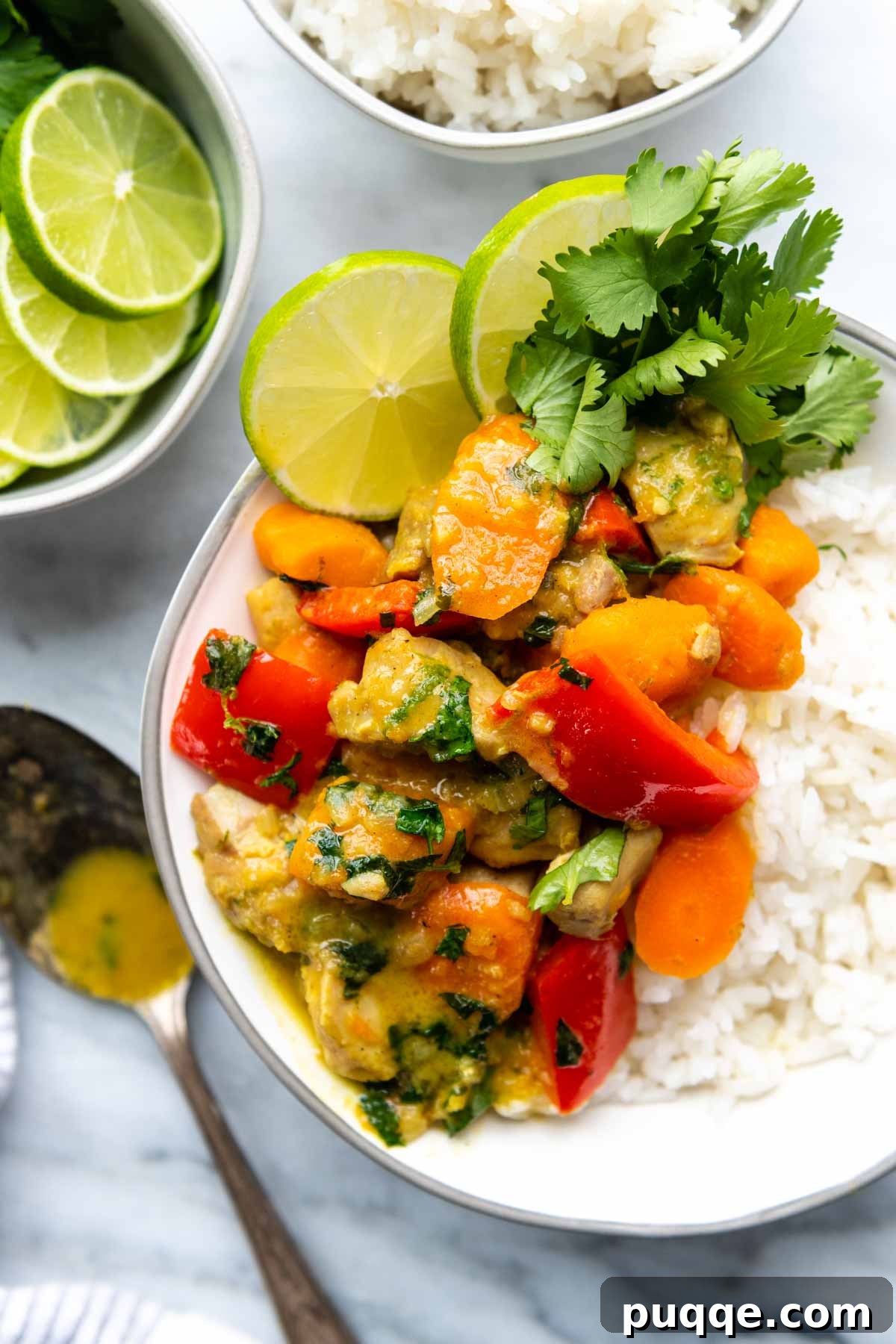
Save This Recipe to Your Pinterest Board!
Let’s be friends on Pinterest! I’m always sharing great recipes!
Did you make this recipe? I love hearing from you! Leave a star rating and comment below the recipe card. It helps others when searching for recipes and I appreciate feedback from our community. You will always hear back from me! -Melissa
Easy Gluten-Free Curry Recipe (Best Flavor)

Melissa Erdelac
5
15 minutes
20 minutes
35 minutes
Pin
Rate
Remove Ads
Ingredients
- 2 tablespoons (30 mL) oil, (I use coconut oil)
- 1 medium shallot, finely chopped
- 1 tablespoon (6 g) minced gingerroot
- 2 pounds (1 kg) boneless, skinless chicken thighs, cut in bite-sized pieces
- ¼ teaspoon salt
- ⅛ teaspoon ground pepper
- 3 tablespoons (45 mL) gluten-free fish sauce
- 2 teaspoons (4 g) curry powder
- 3 medium carrots, sliced on diagonal in ½-inch slices
- 1 medium sweet potatoes, peeled and cut in 1-inch pieces
- 14 ounce coconut milk
- 1 tablespoon (30 mL) honey
- 1 red bell pepper, seeded and cut in 2-inch pieces
- ⅓ cup (5 g) fresh cilantro, chopped
- 1 tablespoon (6 g) lime zest, zest of 2 limes
- 1 tablespoon (15 mL) lime juice
- rice, for serving
- optional Sriracha or crushed red pepper, for spiciness
Equipment
-
Santoku Knife
-
Deep Skillet
Instructions
-
When making curry, it’s always best to have all your ingredients prepped beforehand since it cooks up quickly. This is also a good time to begin cooking the rice.
-
Heat a large deep skillet over medium-high heat. Add the oil to heat, then the shallots, ginger, and chicken. Sprinkle the salt and pepper over everything. Cook and stir for about 4 minutes, or until the chicken is just opaque, but not cooked through.
-
Add the fish sauce and curry powder. Warning – at this point it smells strong, but trust the process! It will be delicious! Cook for 1 minute and then stir in the carrots and sweet potatoes.
-
Lower to medium heat and stir in the honey and coconut milk. The coconut milk may be a combination of solid and watery liquid. Add it all to the pan. Stir to combine and bring to a boil.
-
Lower the heat until the sauce is gently simmering. Slightly cover and cook for 10-12 minutes, stirring every few minutes. Cook until the potatoes are fork tender.
-
Remove the lid and stir in the peppers. Simmer, uncovered, for 5 minutes, stirring occasionally. Lastly, stir in the lime juice, lime zest, and cilantro. Serve over rice.
Notes
Suggested Modifications
- Vegetarian or Vegan: Omit the chicken and replace with additional veggies or extra-firm tofu. Before adding the tofu, slice it into 1-inch strips and place it between layers of paper towels with a baking sheet on top. Let it sit for 20 minutes to absorb liquid. After this, toss the tofu in cornstarch before cooking it in the oil until golden brown.
- Spicy: Usually red curry paste makes curries spicy. Since this recipe uses only curry powder, you can add in fresh chilies (sliced bird’s eye chilies or serrano peppers) or stir in red pepper flakes to achieve your desired level of heat.
- Vegetables: Besides carrots, sweet potatoes, and peppers, any of these veggies can be added or swapped out: white potatoes, broccoli, spinach, cauliflower, butternut squash, tomatoes, or zucchini. Add them to the recipe according to how much time they take to cook (harder vegetables like potatoes longer, delicate greens added at the end).
Calories: 488kcal
,
Carbohydrates: 18g
,
Protein: 38g
,
Fat: 30g
,
Saturated Fat: 22g
,
Polyunsaturated Fat: 2g
,
Monounsaturated Fat: 4g
,
Trans Fat: 0.03g
,
Cholesterol: 172mg
,
Sodium: 1178mg
,
Potassium: 953mg
,
Fiber: 3g
,
Sugar: 8g
,
Vitamin A: 10675IU
,
Vitamin C: 36mg
,
Calcium: 65mg
,
Iron: 5mg
Did you make this recipe?
Please leave a star rating and review below. It helps others when searching for recipes and I LOVE feedback!