
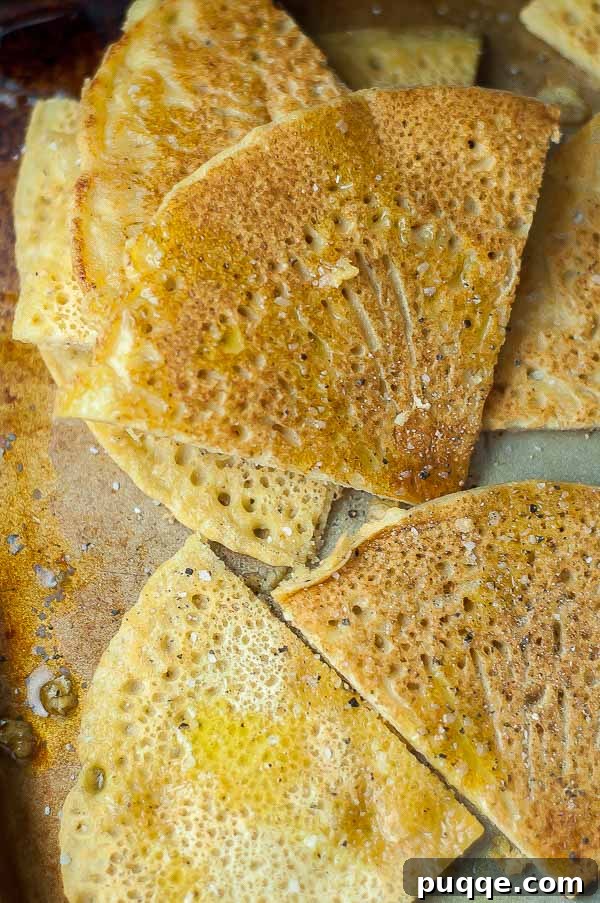
Easy 5-Ingredient Socca (Farinata): The Ultimate Gluten-Free & Vegan Flatbread
Are you searching for a versatile, delicious, and incredibly simple bread that fits a gluten-free or vegan lifestyle? Look no further than Socca, also widely known as Farinata. This remarkable flatbread, crafted from humble chickpea (garbanzo bean) flour, requires just five basic ingredients and comes together in minutes. Whether you’re craving a quick, wholesome snack, a perfect accompaniment to your favorite meal, or a fantastic base for a gourmet pizza, Socca delivers every time. Its natural gluten-free and vegan properties make it a true culinary revelation for those with dietary restrictions or anyone seeking healthy, easy alternatives. Prepare to transform your approach to everyday meals with this ancient, yet wonderfully modern, recipe.
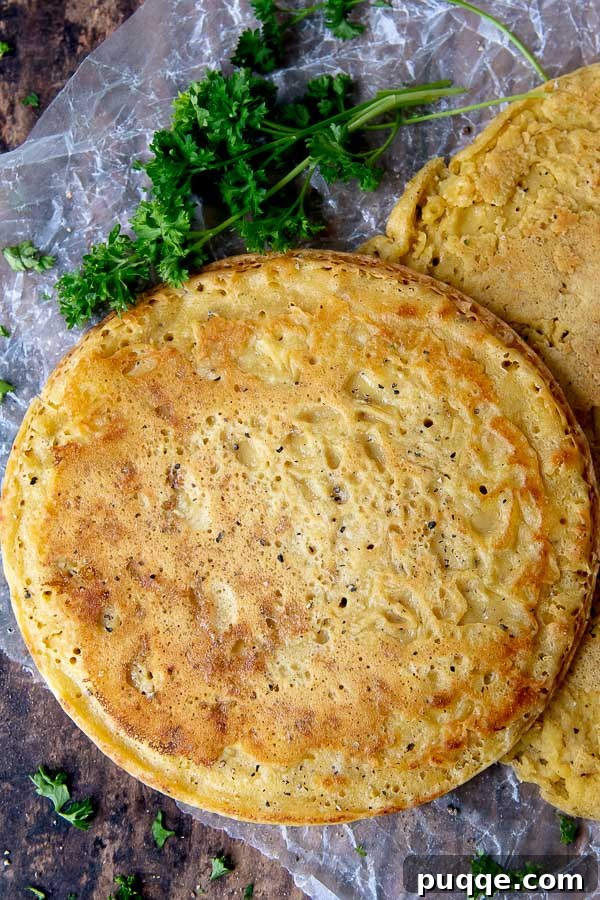
Discovering the Magic of Socca Flatbread: A Game-Changer for Gluten-Free & Vegan Living
For many navigating the world of gluten-free or vegan eating, the thought of enjoying simple pleasures like hearty bread or a satisfying pizza can often lead to disappointment. The market is saturated with substitutes, but many store-bought options can be expensive and frequently lack the authentic texture and robust flavor we crave. Homemade alternatives, while often rewarding, typically demand specialty ingredients that are hard to find and significant time commitments for complex baking processes.
This is precisely where Socca shines as a true culinary hero, offering a delightful escape from these common frustrations. Its inherent simplicity is its greatest strength: you only need five readily available ingredients. These include high-quality chickpea (garbanzo bean) flour, fresh water, a good extra virgin olive oil, a pinch of salt, and a dash of pepper. The preparation process is astonishingly straightforward: whisk these ingredients into a thin, pourable batter, then cook it on a hot griddle or in a skillet, much like you would a pancake or crepe. A quick flip, and within mere minutes, you have a warm, fragrant, and perfectly cooked flatbread that is both tender and wonderfully crispy. It’s an instant solution for a multitude of culinary needs, from elegant appetizers to hearty family meals.
My own journey to Socca enlightenment began serendipitously, through an interview on NPR’s Fresh Air. It featured visionary chefs from America’s Test Kitchen, who were discussing their groundbreaking publication, The How Can it Be Gluten Free Cookbook. This book promised not just acceptable gluten-free recipes, but dishes that were demonstrably *better* than their gluten-containing counterparts. Intrigued by this bold claim, I immediately ordered the book, and what I found inside was nothing short of life-changing. This easy Socca recipe quickly became a beloved staple in my kitchen, proving unequivocally that delicious, dietary-friendly food doesn’t have to be complicated, time-consuming, or compromise on exceptional taste.
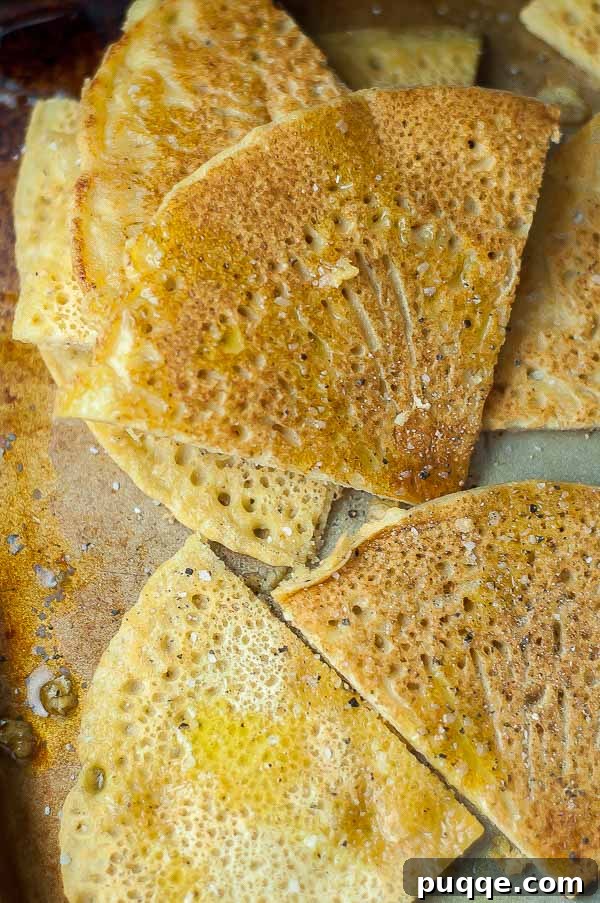
What Exactly is Socca (Farinata)? A Culinary Journey Through History and Regions
If Socca or Farinata is new to your culinary lexicon, allow me to provide a comprehensive introduction to this delightful unleavened flatbread. At its core, Socca is a simple preparation consisting of chickpea flour, water, olive oil, and basic seasonings. However, its rich history and subtle regional variations add layers of intriguing flavor and cultural significance, making it far more than just a simple flour and water mixture.
Socca: The Quintessential Taste of Southern France
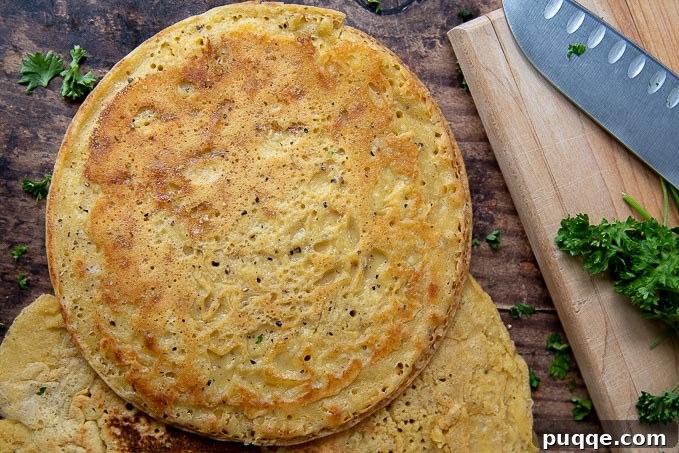
Authentic Socca is a deeply beloved street food, particularly cherished in the sun-drenched coastal regions of Southern France, with Nice often hailed as its spiritual home. Here, it’s traditionally cooked in vast, shallow copper pans over blazing wood-fired ovens, allowing it to achieve its signature very thin, crisp pancake-like texture. The high heat ensures the edges become delightfully charred and slightly smoky, adding an exquisite depth to its delicate, nutty flavor. Socca is best enjoyed piping hot and fresh, typically seasoned simply with a generous grind of black pepper, and often consumed directly from the pan, folded or torn into rustic pieces. Its texture is a sublime contrast: a wonderfully crispy, almost wafer-thin exterior gives way to a surprisingly soft, almost custard-like interior.
Farinata: Italy’s Heartier, More Versatile Cousin
Just across the border, in Italy, a very similar and equally cherished dish is known as Farinata. In Tuscany, you might hear it called Cecina, or Fainâ in the Liguria region, particularly Genoa. While it shares the exact same core ingredients as French Socca, Farinata typically boasts a slightly thicker, more substantial texture. This makes it a more robust foundation, often used as a versatile base for an array of delicious toppings. In Italy, it’s common to find Farinata garnished with fresh rosemary, a sprinkle of high-quality sea salt, and often transformed into a rustic, satisfying meal reminiscent of a thin-crust pizza, perhaps with vibrant pesto or other local ingredients. The preparation method might also differ slightly, with some Italian versions emphasizing a longer batter resting period—sometimes several hours or even overnight—to develop a deeper, more nuanced flavor and an even smoother texture.
Both Socca and Farinata are beautiful testaments to the humble chickpea, transforming it into a surprisingly rich, satisfying, and deeply flavorful bread. They are naturally free of gluten, dairy, and eggs, making them excellent choices for a wide range of dietary preferences and restrictions, while also being rich in plant-based protein and fiber.
Why You’ll Fall in Love with Socca (Farinata): Beyond the Basics
Beyond its ancient origins and minimalist ingredient list, Socca offers a plethora of modern benefits that make it an indispensable addition to your regular cooking repertoire:
- Naturally Gluten-Free & Vegan: This is arguably its biggest draw. Made entirely from chickpea flour, Socca is a perfect and naturally compliant choice for individuals avoiding gluten, dairy, or any animal products. It provides a truly delicious and fulfilling alternative to traditional wheat-based breads, without compromising on taste or texture.
- Incredibly Quick & Easy: With only 5 main ingredients and minimal active preparation time, you can have fresh, homemade flatbread on your table in under 20 minutes from start to finish. This makes it an ideal solution for busy weeknights, last-minute snack cravings, or unexpected guests.
- Highly Versatile: Socca’s neutral yet subtly nutty and earthy flavor profile makes it incredibly adaptable to almost any meal. It can be prepared to be savory or even slightly sweet, served entirely plain, or lavishly loaded with a multitude of toppings, making it suitable for breakfast, lunch, dinner, or any snack in between.
- Economical & Accessible: Chickpea flour is a relatively affordable and increasingly accessible pantry staple, especially when compared to many specialty gluten-free breads or mixes. This makes Socca a budget-friendly option for wholesome, homemade food.
- Nutritious Powerhouse: Chickpeas are celebrated for being a good source of plant-based protein, dietary fiber, and essential minerals such as iron, magnesium, and folate. Incorporating Socca into your diet adds a healthy and satisfying boost.
- Customizable Flavor Profile: While delicious on its own, Socca provides a blank canvas for culinary creativity. You can easily infuse the batter with various herbs, spices, or even finely chopped vegetables to tailor it to your personal taste.
Creative Ways to Serve Socca Flatbread: Unleash Its Full Potential
The true genius of Socca lies in its incredible versatility. Much like a good canvas awaits an artist’s touch, this chickpea flatbread is ready for whatever culinary inspiration strikes. Its sturdy yet pliable texture and delicate flavor make it suitable for a myriad of uses, transforming humble ingredients into extraordinary dishes. Here are numerous delightful and practical ways to incorporate this gluten-free and vegan wonder into your meals:
- The Perfect Dip & Spread Companion: Cut your freshly cooked Socca into wedges and pan-fry them briefly until they are extra crispy and golden. These make utterly fantastic dippers for an array of creamy delights, such as homemade hummus, smoky baba ghanoush, vibrant pesto, or any rich, savory spread you adore.
- Elevate Your Salad Experience: Serve a warm slice of Socca alongside your favorite fresh salad. Its hearty texture is absolutely perfect for soaking up every last drop of glorious vinaigrette or creamy dressing, ensuring no flavor is left behind.
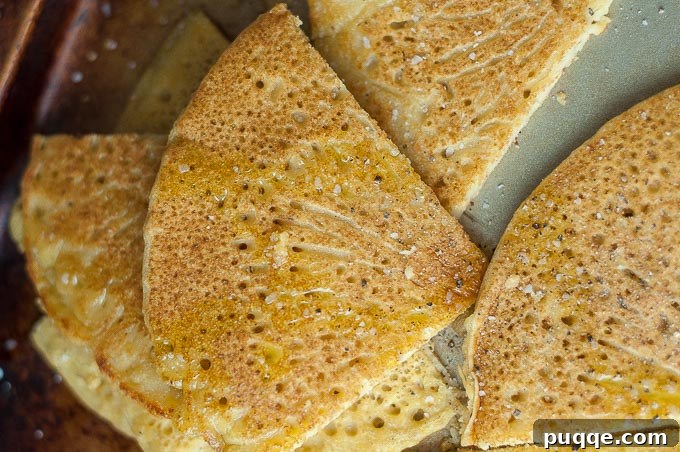
- Simple Snack Elegance: For an effortlessly quick and satisfying snack, simply drizzle warm Socca with a high-quality extra virgin olive oil, a generous sprinkle of flaky sea salt, and freshly cracked black pepper. A spoonful of sun-dried tomato tapenade or a dollop of fresh bruschetta also works wonders for an elevated bite.
- The Ultimate Gluten-Free Pizza Crust: This is arguably one of Socca’s most celebrated and finest transformations! Use it as a robust base for your pizza. Pile on your favorite dairy-free cheese alternatives, a rich tomato sauce, and all your go-to toppings for an incredibly easy, flavorful, and wonderfully satisfying gluten-free pizza crust that holds up beautifully.
- Open-Faced Sandwiches & Griddle Paninis: Use larger, round pieces of Socca as a creative base for open-faced sandwiches. Layer them with fresh vegetables, flavorful spreads, or your preferred plant-based proteins. Alternatively, grill them panini-style in a press for a warm, comforting, and deliciously pressed meal.
- Homemade Soup & Salad Croutons: Repurpose leftover Socca by cutting it into small cubes. Toss these cubes with a little olive oil and your favorite herbs (like rosemary or thyme), then bake or pan-fry them until they are gloriously golden and crunchy. These make delicious, gluten-free croutons that add texture and flavor to any soup or salad.
- Innovative Breakfast Delight: Get creative at breakfast! Spread warm Socca with creamy avocado, a dash of chili flakes, and everything bagel seasoning. For a sweeter option, try a dollop of fruit compote, a drizzle of maple syrup, or some fresh berries.
- Hearty Accompaniment to Stews & Curries: Its sturdy yet tender nature makes Socca ideal for scooping up rich, flavorful stews, aromatic curries, or comforting lentil dishes, absorbing all the wonderful sauces and juices.
- Mediterranean Mezze Platter Element: Incorporate Socca wedges into a vibrant mezze platter alongside olives, roasted red peppers, marinated artichoke hearts, and other Mediterranean delights.
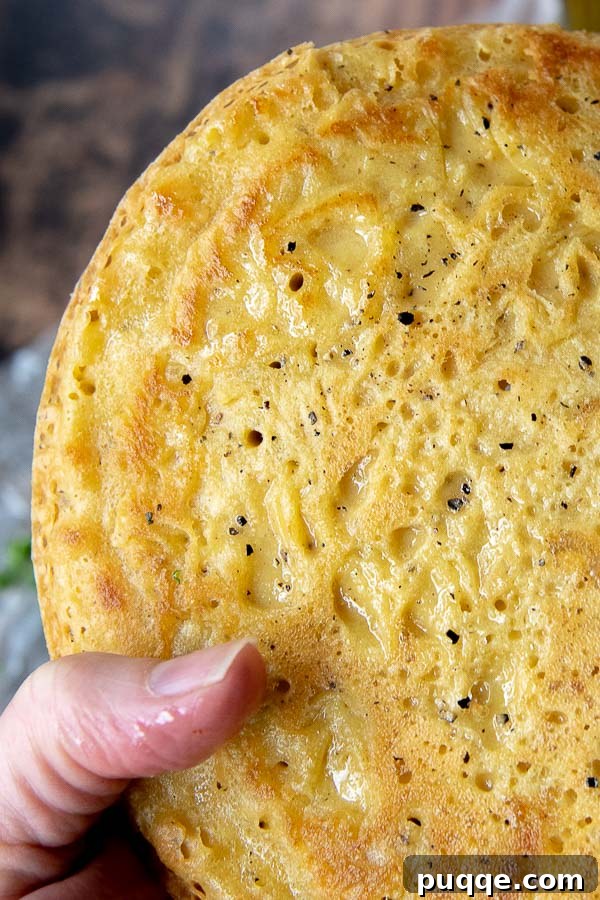
Transforming Socca into a Sensational Gluten-Free Pizza: Say Goodbye to Disappointment!
For those navigating a gluten-free lifestyle, the mere mention of pizza night can often evoke a complex mix of anticipation and underlying disappointment. The sheer joy of selecting delicious toppings is frequently overshadowed by the reality of subpar, often flimsy, or flavorless crusts that fail to deliver a truly satisfying experience. But with Socca, those days of compromise are firmly in the past! This incredible chickpea flatbread makes for an exceptional, naturally gluten-free pizza base that is both remarkably easy to prepare and profoundly delicious. Prepare to say goodbye to unsatisfying alternatives and hello to a hearty, robust, and utterly satisfying pizza experience that will become a new favorite tradition.
Creating Your Socca Pizza Masterpiece: A Step-by-Step Guide
The inherent beauty of Socca pizza lies in its straightforward and uncomplicated process. Once you’ve cooked your basic Socca flatbread (following the detailed instructions in the recipe card below), you’re just a few simple steps away from assembling and baking a truly fantastic pizza:
- Prepare Your Crust: Begin by placing your freshly cooked or adequately thawed Socca flatbread directly onto a piece of parchment paper. This crucial step will not only prevent sticking but also make transferring your pizza to and from the hot oven much smoother and easier.
- Top It Up with Flair: Now comes the most creative and enjoyable part! Generously spread your favorite pizza sauce – whether it’s a classic tomato-based marinara, a vibrant homemade pesto, or even a creamy dairy-free white sauce. Next, add your preferred dairy-free cheese alternatives, and then, truly pile on all your beloved toppings – from fresh vegetables and aromatic herbs to savory plant-based meats or olives.
- Preheat Your Oven for Perfection: For a truly professional-grade crispy crust, it is highly recommended to preheat your oven to a high temperature, ideally 500ºF (260ºC). If you own one, place a pizza stone inside the oven during the preheating phase. A super hot pizza stone ensures an even, rapid bake, expertly mimicking the intense heat of a traditional professional pizza oven, yielding an unbelievably crisp base.
- Bake to Golden Perfection: Once both the oven and the pizza stone are piping hot, carefully slide the parchment paper, with your fully assembled Socca pizza resting upon it, directly onto the hot stone. A pizza peel is an incredibly helpful tool for this delicate transfer. Bake for a relatively short period of 5-7 minutes, or until the cheese is beautifully melted and bubbly, and the Socca crust achieves a tempting golden-brown crispness around the edges.
No Pizza Stone? Absolutely No Problem! Don’t despair if you don’t possess a pizza stone. You can still achieve a wonderfully delicious Socca pizza by simply baking it directly on your oven rack (still on the parchment paper) at a slightly lower temperature of 425ºF (220ºC). Just be sure to keep a close eye on it to prevent any accidental burning, as oven temperatures can vary.
Inspiring Topping Combinations for Your Next Socca Pizza
The beauty of Socca pizza is that anything truly goes when it comes to toppings! Its adaptable flavor profile pairs wonderfully with a vast array of ingredients. Here are some creative and mouth-watering ideas to spark your culinary imagination and get you started on your next pizza adventure:
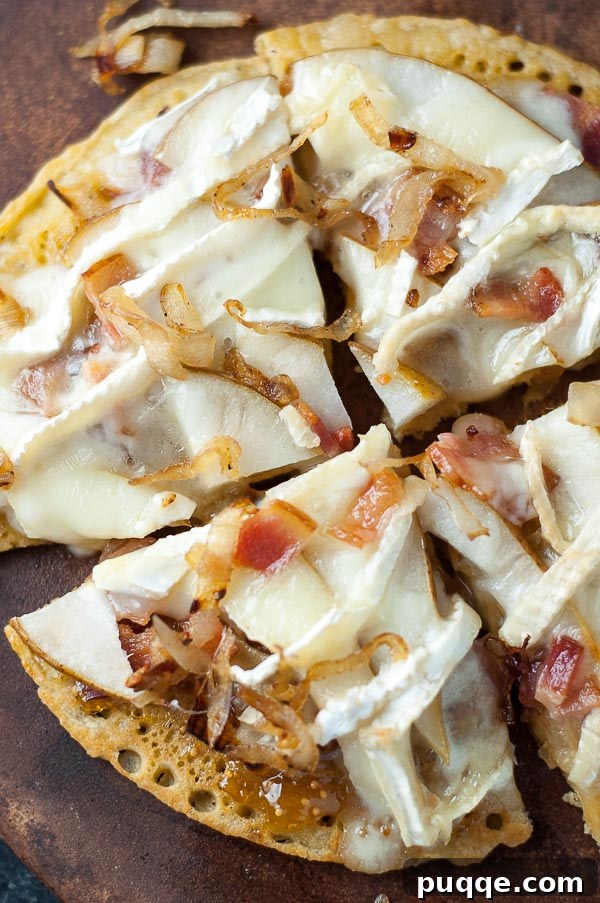
- Sweet & Savory Pear, Brie, Caramelized Onion, and (Plant-Based) Bacon Socca Pizza with Fig Jam
- Hearty Spinach, Crispy (Vegan) Prosciutto, and Egg Farinata Pizza for Brunch or Dinner
- Fresh and Vibrant Socca Pizza with Thinly Sliced Summer Squash and Crumbled (Vegan) Feta
- Bright and Aromatic Lemon Herb Farinata Pizza, Perfect for a Lighter Meal
- Classic Chickpea Flour Pizza with Robust Tomato Sauce and Shaved (Vegan) Parmesan
How to Make Easy 5-Ingredient Socca (Farinata) Flatbread: Your Comprehensive Recipe Guide
Making Socca is remarkably straightforward, and with these detailed step-by-step instructions and invaluable tips, you’ll be enjoying this delightful, naturally gluten-free and vegan flatbread in absolutely no time! Get ready to impress yourself and your loved ones with this simple yet sophisticated creation.
5-Ingredient Easy Socca Flatbread
Author: Melissa Erdelac
Yield: 5 servings
Prep Time: 5 minutes
Cook Time: 15 minutes
Total Time: 20 minutes
Socca (or farinata), made from chickpea flour, is a gluten-free, vegan recipe that uses just 5 ingredients and can be made in minutes. It’s perfect for pizza, a quick snack, or a versatile bread.
Ingredients
- 1 1/2 cups chickpea (garbanzo bean) flour
- 1 teaspoon salt
- 1/2 teaspoon black pepper, freshly ground for best flavor
- 1 1/2 cups water, preferably filtered
- 3 tablespoons extra virgin olive oil, plus additional for cooking the flatbreads
Instructions
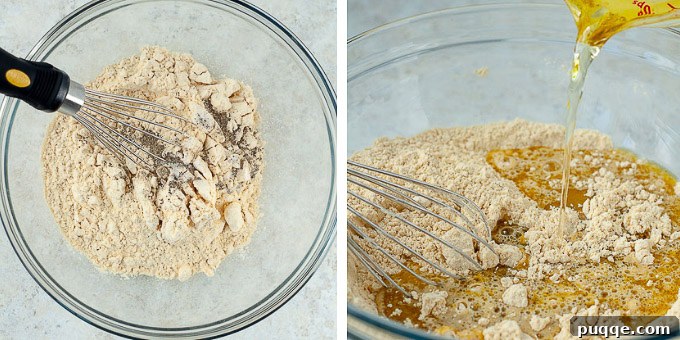
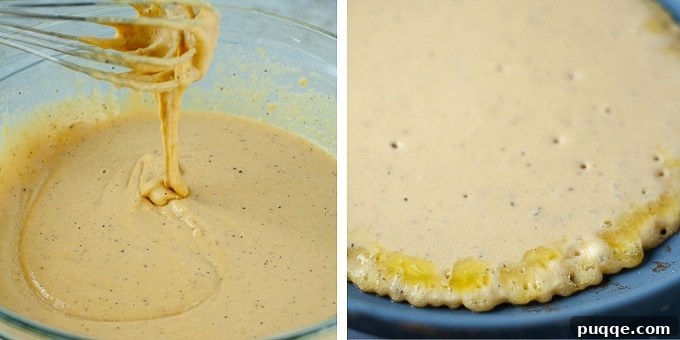
- In a medium-sized mixing bowl, thoroughly whisk together the chickpea flour, salt, and black pepper until all dry ingredients are well combined. Gradually add the water and 3 tablespoons of olive oil to the dry mixture, whisking continuously until the batter is completely smooth and free of any lumps. The resulting consistency should be thin and quite runny, similar to a traditional crepe batter.
- Heat 1 tablespoon of olive oil in an 8-inch non-stick skillet or a well-seasoned cast iron pan over medium to medium-high heat until the oil begins to shimmer slightly. Pour approximately 1/2 cup of the prepared Socca batter into the hot skillet. Immediately tilt the pan gently in a circular motion to ensure the bottom is evenly coated with a thin layer of batter. Cook for about 3 minutes, or until the edges of the Socca begin to set and crisp up, and the bottom surface is a beautiful, darkly golden brown.
- Using a wide, sturdy spatula, carefully flip the Socca flatbread to the uncooked side. Continue to cook for approximately 2 more minutes, or until the second side is also nicely browned and cooked through.
- Transfer the freshly cooked Socca to a wire rack to cool slightly and prevent it from becoming soggy. Alternatively, you can place it in a low oven (around 200ºF / 95ºC) to keep it warm while you continue cooking the remaining batches. Repeat this entire process with the rest of the batter, adding more olive oil to the pan as needed for each new flatbread to maintain crispness and prevent sticking.
Chef’s Notes & Pro Tips for Perfect Socca
- Batter Resting (Optional but Recommended): While Socca can be cooked immediately, many traditional recipes for both Socca and Farinata suggest letting the batter rest. A rest period of 30 minutes to even overnight at room temperature (or in the fridge) allows the chickpea flour to fully hydrate. This can result in an even smoother batter, a slightly more tender interior, and a deeper flavor. However, if you’re short on time, cooking immediately still yields excellent results.
- Hot Pan is Absolutely Key: This is a crucial tip for achieving that desirable crispy exterior! Always ensure your skillet and the olive oil are sufficiently hot before pouring in the batter. The batter should sizzle immediately upon contact with the pan.
- Knowing When to Flip: You’ll know it’s the perfect time to flip your Socca when the edges begin to visibly set, become slightly crispy, and small bubbles appear and burst in the center of the flatbread.
- Choosing the Right Pan Size: An 8-inch non-stick skillet or a well-seasoned griddle is ideal for making individual, perfectly sized Socca flatbreads.
- Making a Large Farinata or Socca Pizza Crust in the Oven: To create a larger, more substantial Farinata-style flatbread or a dedicated pizza crust in the oven, begin by preheating your oven to 400ºF (200ºC). Place a generously oiled 10-inch or 12-inch cast iron skillet inside the oven during preheating until it’s scorching hot. Carefully remove the hot skillet from the oven, pour all the prepared batter into the pan, and immediately transfer the pan back to the preheated oven. Bake for approximately 30 minutes, or until the Socca is fully set, golden brown, and cooked through. If the bottom appears to be browning too quickly before the top sets, you can finish it under the broiler for a minute or two, watching it very carefully to prevent burning.
Nutrition Information (per serving, estimated)
Calories: 214 kcal | Carbohydrates: 20g | Protein: 8g | Fat: 10g | Saturated Fat: 1g | Sodium: 492mg | Potassium: 304mg | Fiber: 3g | Sugar: 3g | Vitamin A: 15IU | Calcium: 18mg | Iron: 1.8mg
This recipe has been thoughtfully adapted from the highly acclaimed The How Can it Be Gluten Free Cookbook.
Storage and Freezing Instructions for Socca: Plan Ahead for Deliciousness
While Socca is undeniably at its peak when enjoyed fresh and warm straight from the pan, it’s also wonderfully convenient to make ahead and properly store for future meals or quick snacks. Having pre-made Socca flatbreads readily on hand can be an absolute lifesaver for whipping up last-minute pizzas, serving as a quick side for soups, or enjoying as an instant, wholesome snack whenever hunger strikes.
- Ensure Complete Cooling: Before attempting any storage or freezing, it is absolutely crucial to ensure that your cooked Socca flatbreads have cooled down completely to room temperature. This vital step prevents any unwanted condensation from forming, which can lead to a soggy texture and diminished crispness upon reheating.
- Individual Wrapping is Key: For the very best results and to preserve the quality of each flatbread, individually wrap each cooled Socca pancake tightly. Use plastic wrap, parchment paper, or even reusable beeswax wraps. This method not only prevents the flatbreads from sticking together but also provides a protective barrier against freezer burn.
- Freezing for Long-Term Storage: Once individually wrapped, carefully place the Socca pieces into a large, gallon-sized freezer bag, ensuring as much air is squeezed out as possible, or transfer them to an airtight, freezer-safe container. They can be safely frozen for an impressive period of up to 3 months. Don’t forget to label the bag or container with the date for easy tracking and freshness management.
- Effortless Reheating Methods: There are several excellent and simple ways to reheat your frozen or thawed Socca, bringing them back to their delicious, original state:
- Oven or Toaster Oven Method: For optimal crispness, place the frozen or thawed Socca directly onto an oven rack or into a toaster oven. Preheat your appliance to a moderate 400ºF (200ºC). Bake for approximately 5 minutes, or until the Socca is heated through to your liking and has regained its appealing crisp texture.
- Skillet Reheating for Immediate Crispness: For a rapid reheat that also wonderfully restores crispness, heat a non-stick skillet over medium-high heat with just a splash of olive oil. Quickly fry the Socca for about 1-2 minutes per side, just until it is warm throughout and beautifully crispy once more.
Frequently Asked Questions About Socca (Farinata)
- What specific kind of chickpea flour should I use for Socca?
For authentic Socca and Farinata, look for “chickpea flour,” “garbanzo bean flour,” or “besan.” Besan is often found in Indian grocery stores and is typically finer. Ensure the package states it’s 100% chickpea flour with no other added ingredients for the best, most traditional results.
- My Socca isn’t getting crispy; what might I be doing wrong?
The secret to achieving that desirable crispiness is a very hot pan and sufficient oil. Make sure your skillet is thoroughly preheated and the oil is shimmering before you pour in the batter. Do not overcrowd the pan; cook one flatbread at a time. Also, ensure you cook each side until it develops a deep golden-brown color, which signifies optimal crispness.
- Can I make a large Socca in the oven instead of individual skillet portions?
Yes, absolutely! This is how larger, more substantial Farinata is often prepared. To do so, preheat your oven to 400ºF (200ºC) with a well-oiled cast iron skillet (10-inch or 12-inch is ideal) inside until it’s piping hot. Carefully pour the entire batch of batter into the hot skillet, then immediately transfer the pan back to the preheated oven. Bake for approximately 30 minutes, or until the Socca is fully set, beautifully golden brown, and cooked through.
- Is it possible to add herbs or spices directly to the Socca batter?
Absolutely! Socca provides a wonderful canvas for flavor experimentation. Feel free to incorporate your favorite dried herbs, such as fragrant rosemary or earthy oregano, a pinch of aromatic garlic powder, a subtle touch of smoked paprika, or even finely chopped fresh chives to enhance the flavor profile of your Socca. Stir them directly into the batter before cooking.
- Is Socca suitable for weekly meal prep?
Yes, it’s an excellent choice for meal prep! You can easily cook a larger batch of Socca at the beginning of the week. Once cooled, store them as described in the freezing and storage section. They’ll be ready for quick, healthy snacks, versatile meal additions, or even impromptu pizza nights whenever you need them.
Save this recipe to your Pinterest board!
Pin Now, Make Later!
Let’s be friends on Pinterest! I’m always sharing great recipes and culinary inspiration!
Did you make this incredible Socca flatbread? I absolutely love hearing from you and seeing your culinary creations! Your valuable feedback not only helps others in our community discover and enjoy this fantastic recipe, but it also provides invaluable insights for me. Please consider leaving a star rating and a detailed comment below the recipe card. I truly appreciate hearing from each and every one of you! -Melissa