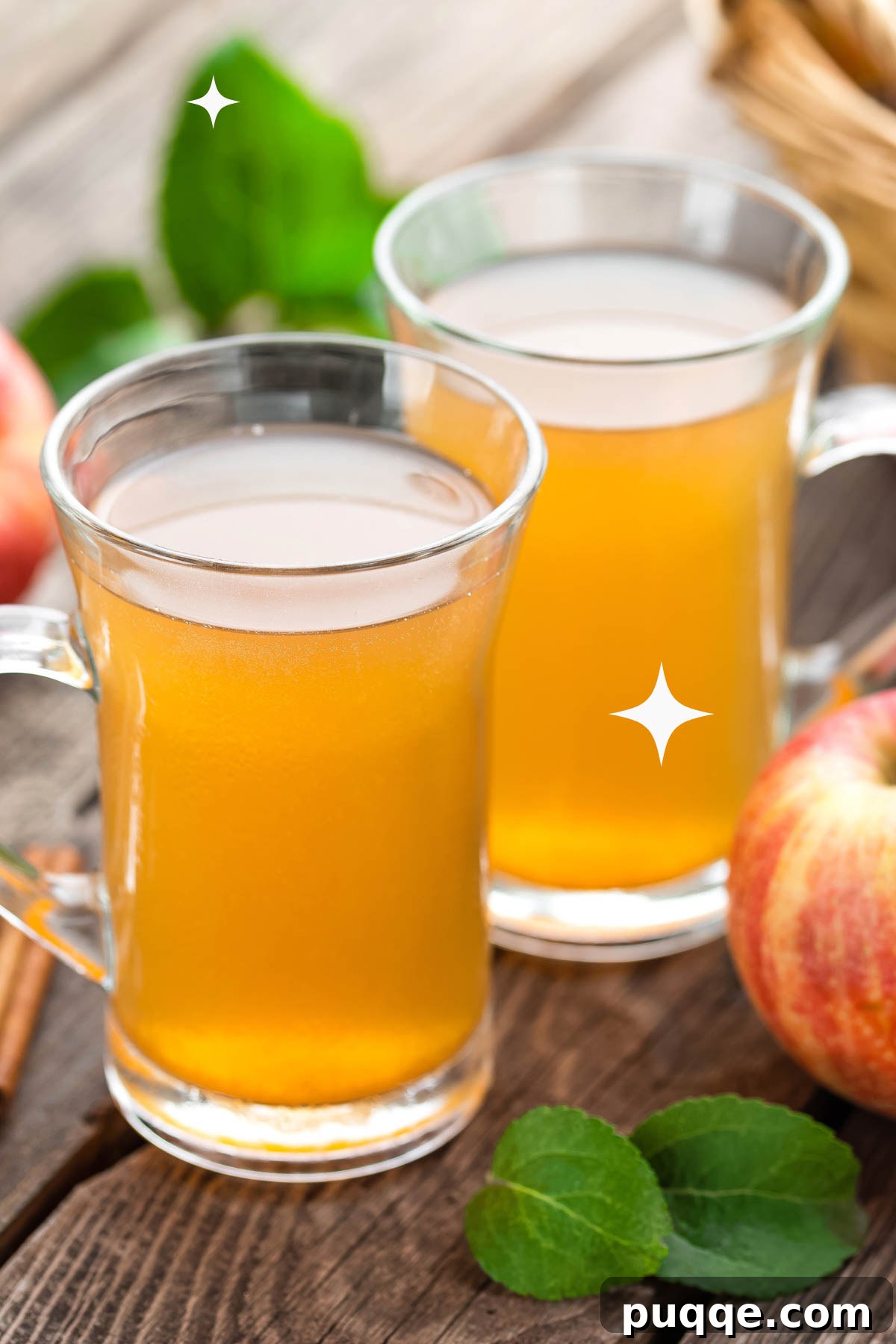
In a world increasingly conscious of dietary needs, understanding what goes into your favorite foods and beverages is crucial, especially for those navigating a gluten-free lifestyle. This comprehensive guide addresses the vital question: Is apple cider, hard cider, and apple juice safe for a gluten-free diet? We’ll provide clear answers, identify potential risks, and highlight trusted gluten-free brands to help you enjoy these delightful apple-based drinks with confidence.
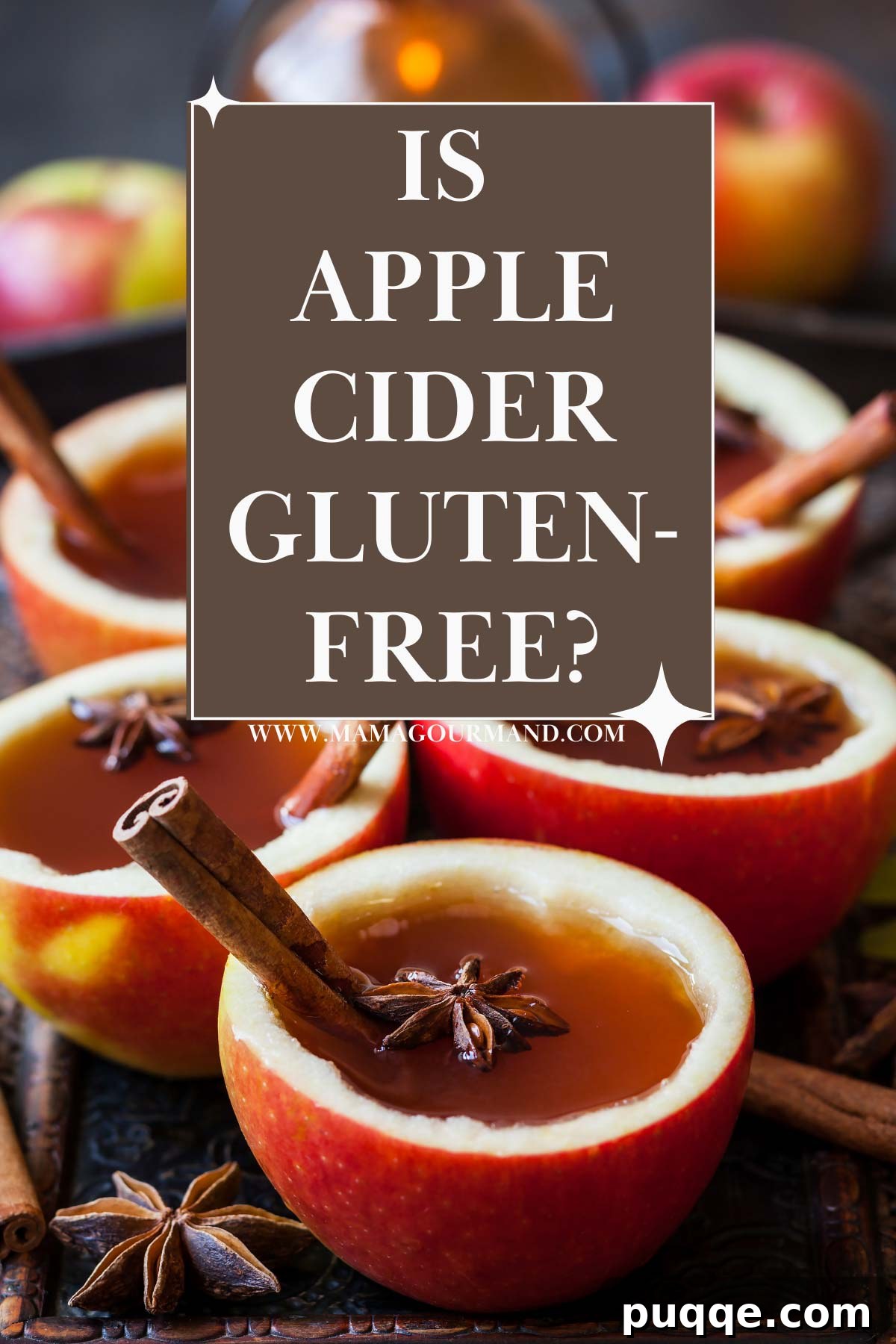
Embracing the Flavors of Autumn: A Gluten-Free Perspective
Few beverages capture the essence of autumn quite like apple cider. The crisp, sweet-tart taste, whether served chilled or warmed with mulling spices, is a timeless seasonal pleasure. For those adhering to a gluten-free diet, the enjoyment of such simple pleasures often comes with a caveat: the need to scrutinize ingredients and production methods. This guide is designed to empower you with the knowledge to make informed choices, ensuring your fall sips are not only delicious but also entirely safe.
Beyond traditional apple cider, the market has seen a surge in gluten-free hard ciders, offering a refreshing alternative to conventional beer. While most apple-based beverages are naturally free from gluten, subtle processing methods, added flavorings, or shared manufacturing facilities can introduce hidden gluten. Navigating these nuances is key to maintaining a strict gluten-free regimen, and we’re here to simplify that process for you, covering everything from pure apple juice to the ever-popular hard cider varieties.
Is Apple Cider Gluten-Free? Understanding the Basics
At its purest, traditional apple cider is a naturally gluten-free product. It’s simply made from crushed and pressed apples, with no added ingredients. This unpasteurized juice retains a cloudy appearance and a robust, fresh apple flavor. Because it contains only fruit, it poses no inherent risk for individuals avoiding gluten, including those with celiac disease or non-celiac gluten sensitivity.
However, the journey from apple orchard to your glass can sometimes involve steps that introduce gluten. Commercial production, especially of flavored or mass-produced varieties, requires careful scrutiny. Here are key factors to consider:
Potential Gluten Risks in Apple Cider:
- Cross-Contamination: A primary concern is cross-contamination in facilities that also process gluten-containing products. If apple cider is produced on shared equipment that isn’t thoroughly cleaned, traces of gluten from wheat, barley, or rye could find their way into the cider. While this risk is generally lower for pure apple cider than for more complex products, it’s a valid consideration for highly sensitive individuals. Always check for a “processed on shared equipment” warning.
- Added Flavorings: Many commercial brands offer “spiced,” “caramel,” or other flavored ciders to enhance taste. These added natural or artificial flavors are the most common culprits for hidden gluten. While many flavorings are safe, some can be derived from barley malt or contain gluten-based carriers. Flavors like “salted caramel” or “holiday spice” are particularly prone to containing ambiguous ingredients. For maximum safety, always look for a clear “gluten-free” label or check the manufacturer’s website for detailed ingredient information.
- Preservatives: Ascorbic acid (Vitamin C) is a common preservative used in ciders to extend shelf life. This ingredient is inherently gluten-free and generally safe. Other less common preservatives should be checked, though they rarely contain gluten in fruit-based beverages.
For ultimate peace of mind, always prioritize apple cider products that are explicitly labeled “gluten-free.” This certification signifies that the product meets strict standards and contains less than 20 parts per million (ppm) of gluten, making it safe for most individuals with celiac disease or gluten sensitivity. Seasonal ciders, often found in the refrigerated section of supermarkets, are usually pure and thus safe, but it’s always wise to glance at the ingredient list.
Does Apple Juice Have Gluten?
Similar to pure apple cider, apple juice is fundamentally a gluten-free beverage. It is typically made from 100% apple juice, or from apple juice concentrate mixed with water, and sometimes with additional vitamin C as a preservative. Since apples themselves are gluten-free, the base product is safe for anyone following a gluten-free diet.
Distinguishing Apple Juice from Apple Cider:
- Processing: Apple juice is pasteurized and filtered, resulting in a clear appearance and a longer shelf life, often making refrigeration unnecessary until opened. Pasteurization involves heating the juice to kill bacteria, while filtration removes pulp and sediment.
- Flavor Profile: Apple juice tends to be sweeter and less complex in flavor due to pasteurization and filtration. Apple cider, on the other hand, is usually unpasteurized and unfiltered, giving it a cloudy look and a more robust, “fresh apple” taste. It also has a shorter refrigerated shelf life.
Despite these differences in processing and appearance, the same precautions regarding gluten apply to apple juice as to apple cider. Be wary of:
- Flavored Varieties: Just like cider, apple juices that come in “mixed fruit,” “fruit cocktail,” or “enhanced” flavors might contain gluten in their additive ingredients. Always read the ingredient list meticulously for any suspicious flavorings or extracts.
- Cross-Contamination: While less common for pure juices, it’s still wise to look for gluten-free labels if the juice is processed in a facility handling gluten-containing products. Reputable brands will often state this on their packaging if there’s a risk.
The vast majority of plain, 100% apple juice brands available in supermarkets are safe for a gluten-free diet. When in doubt, a quick check of the ingredient list for unfamiliar terms or a “gluten-free” certification will provide reassurance. For peace of mind, stick to brands that clearly indicate their gluten-free status.
Is Hard Apple Cider Gluten-Free? A Refreshing Alternative
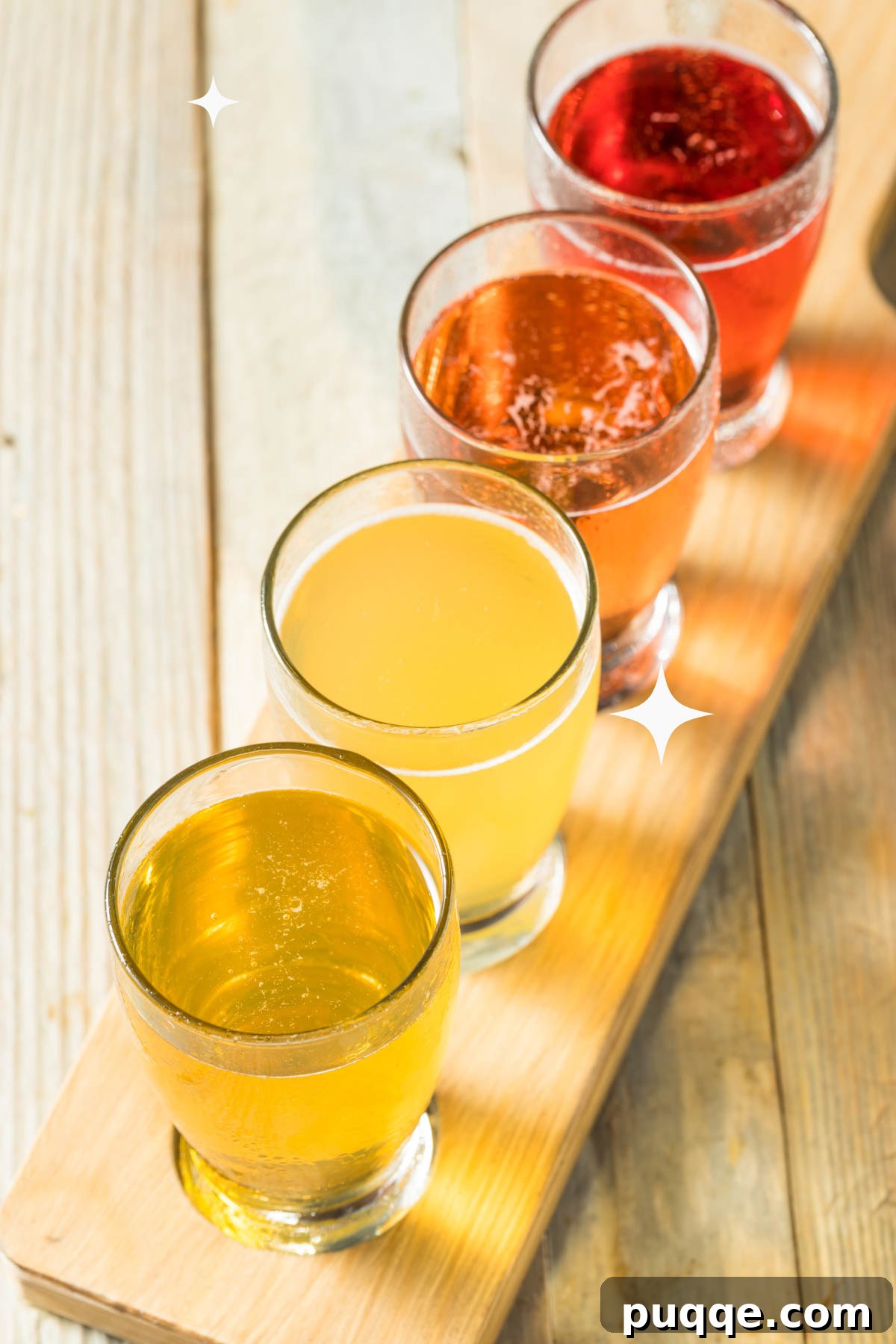
For many on a gluten-free diet, hard apple cider has become a beloved and safe alternative to traditional beer. This fermented alcoholic beverage starts with apples (or other fruits) and relies on yeast to convert sugars into alcohol. The fermentation process itself, using naturally gluten-free yeast, means that hard cider is inherently free from gluten and therefore a fantastic choice for those avoiding gluten.
Why Hard Cider is a Great Gluten-Free Choice:
- Natural Fermentation: Unlike beer, which is typically brewed from malted barley (a gluten-containing grain), hard cider derives its sugars solely from apples. The yeast used in this fermentation is naturally gluten-free, making the end product safe for gluten-free consumption.
- Variety and Innovation: The hard cider market has exploded in recent years, offering an impressive array of flavors from dry to sweet, single-varietal to infused with other fruits or spices. This provides a rich selection for gluten-free consumers seeking diverse alcoholic beverages that go beyond traditional wine or spirits.
- Accessibility: Most grocery stores, liquor stores, and many restaurants now carry a variety of hard ciders, making them a readily available gluten-free option.
Important Considerations for Hard Cider:
- Flavorings and Additives: The primary concern with hard cider, much like its non-alcoholic counterparts, lies in added flavorings. Some ciders incorporate spices, fruit extracts, or other natural/artificial flavors that *could* potentially contain gluten, especially if derived from barley or malt. Always review the ingredient list carefully and prioritize brands that are transparent about their flavor sources.
- Cross-Contamination in Breweries: A significant risk arises if hard ciders are produced or bottled in facilities that also handle gluten-containing beers. Shared equipment, including fermentation tanks, bottling lines, or even airborne particles, can lead to cross-contamination. Dedicated gluten-free facilities or strict cleaning protocols are essential for ensuring a truly safe product. Look for explicit statements from manufacturers about their cross-contamination prevention measures.
- “Gluten-Reduced” vs. “Gluten-Free”: Be aware of products labeled “gluten-reduced” beer. These are made from barley but have enzymes added to break down gluten. While they may test below 20 ppm, they are not suitable for individuals with celiac disease because the gluten is merely broken down, not removed. Hard ciders, by contrast, are naturally gluten-free from their raw ingredients, not just “reduced.”
To ensure you’re choosing a safe hard cider, always look for clear “gluten-free” labeling. This certification is crucial, particularly for those with severe gluten sensitivities. Many reputable brands go to great lengths to ensure their products are safe and transparently disclose their ingredients and production methods, often publishing detailed allergen information on their websites.
Trustworthy Gluten-Free Hard Cider Brands to Enjoy:
While product formulations can change, and it’s always best to double-check current labels and company websites, the following brands are widely recognized for their gluten-free hard ciders. This list is a great starting point for safe options:
- Angry Orchard: A very popular choice, widely available with many flavor options, all clearly marked gluten-free. Their diverse range makes them a go-to for many.
- Crispin: Known for its crisp, clean taste, Crispin ciders are a reliable gluten-free option, offering both traditional and infused varieties.
- Ace Cider: Offers a diverse range of ciders, including unique fruit-infused varieties like pineapple and pear, all confirmed gluten-free and consistently delicious.
- Woodchuck Hard Cider: A pioneer in the American hard cider scene, Woodchuck has a strong commitment to being gluten-free, with a wide array of flavors and seasonal releases.
- Strongbow: A well-known international brand that clearly labels its ciders as gluten-free, providing a classic, refreshing taste.
- Magners: An Irish classic, Magners ciders are made from 100% Irish apples and are naturally gluten-free, offering a distinct European style.
- Vander Mill: Craft cider from Michigan, offering innovative and delicious gluten-free options that often push flavor boundaries.
- Original Sin Hard Cider: A New York-based cidery focused on natural ingredients and gluten-free products, known for its authentic apple flavor.
- Jack’s Hard Cider: Another brand committed to crafting high-quality gluten-free ciders, often with a focus on regional apple varieties.
- Blue Mountain Hard Cider: A smaller craft producer, often found regionally, but a good example of dedicated gluten-free options with local appeal.
- Ciderboys Hard Cider: Known for unique fruit-forward ciders, such as Peach County or Strawberry Magic, all of which are gluten-free and often seasonally inspired.
- J.K. Scrumpy’s Organic Hard Cider: An organic choice, traditionally made and naturally gluten-free, for those seeking a more traditional, unadulterated cider.
- Cider Riot!: A craft cidery focused on traditional methods and naturally gluten-free products, often with a bolder flavor profile.
This list is not exhaustive, and the market for gluten-free hard cider is continually growing with new craft producers emerging regularly. Always consult the specific company’s website or the product label for the most up-to-date and accurate ingredient and allergen information, as formulations can occasionally change.
Key Ingredients to Watch Out For in Apple-Based Drinks
While the core components of apple cider and juice are safe, vigilance is key when scrutinizing labels, especially for flavored or processed varieties. Understanding these potential gluten sources will help you make safer choices and avoid accidental exposure:
- Natural Flavors: This ambiguous term is a frequent concern for the gluten-free community. While many natural flavors are inherently safe, some can be derived from gluten-containing grains (like barley malt, which is often used for caramel, smoky, or toasted notes). If a product is not explicitly labeled gluten-free and contains “natural flavors,” it’s best to contact the manufacturer for clarification or choose an unflavored alternative.
- Artificial Flavors: Similar to natural flavors, artificial flavorings can occasionally hide gluten-derived compounds or be processed using gluten-containing carriers. These are chemical compounds designed to mimic natural flavors. Again, a clear “gluten-free” label is your best assurance, as manufacturers are required to disclose major allergens.
- Malt Extract, Malt Flavoring, or Malt Syrup: Any mention of “malt” (e.g., malt extract, malt syrup, malt flavoring) immediately signals a gluten-containing ingredient, as malt is typically derived from barley. This is a common flavor enhancer, particularly for sweetness and richness, in many processed foods and drinks, so always be on the lookout. Even small amounts can trigger a reaction in sensitive individuals.
- Barley or Barley-Derived Ingredients: While highly unlikely in a pure apple product, any derivative of barley (e.g., barley syrup, barley proteins) should be strictly avoided. This is more common in flavored beverages that might try to mimic beer-like characteristics.
- Colorings and Thickeners: Less common in beverages like cider or juice, but some caramel colorings (though the vast majority are gluten-free, some rare types used to be derived from barley malt, so it’s worth noting) or thickeners (like modified food starch) could theoretically contain gluten. If the origin of a modified food starch isn’t specified, and the product isn’t labeled gluten-free, it’s safer to avoid or verify.
The golden rule for a gluten-free diet is: When in doubt, go without, or verify directly with the manufacturer. Look for certifications from reputable organizations that ensure products meet strict gluten-free standards.
FAQs About Gluten-Free Apple Cider, Juice, and Hard Cider
How long is apple cider good for?
Fresh, unpasteurized apple cider has a relatively short shelf life due to its natural state. An unopened container stored in the refrigerator will typically remain good for up to 2 weeks. Once opened, it’s best to consume it within 7-10 days, as it begins to oxidize and can start to ferment. Beyond this period, the cider will naturally begin to ferment and turn, becoming more alcoholic and vinegary. Signs of spoilage include a darker color, sour or off-smell, frothy appearance, or a noticeably alcoholic taste (if it wasn’t hard cider to begin with). If you observe any of these changes, it’s safest to discard it.
Can I freeze apple cider?
Absolutely! Freezing is an excellent way to extend the life of apple cider, preserving its delicious flavor for later use. To freeze, simply pour off about 1-2 inches of cider from the top of the container to allow for expansion during freezing – this prevents the jug from bursting. Seal the container tightly and freeze for up to 8 months. For best results and flavor, thaw the cider overnight in the refrigerator before enjoying. You can also freeze cider in ice cube trays for smaller portions, perfect for adding to smoothies, cooking, or making homemade slushies. Frozen cider can be a delightful treat during warmer months!
How can I use leftover cider?
Apple cider is incredibly versatile in the kitchen! Don’t let any go to waste. Beyond simply drinking it, here are some delicious gluten-free ways to incorporate leftover cider into your meals and treats:
- Breakfast Boost: Use it as a liquid base for gluten-free breakfast recipes. Replace milk or water in oatmeal for a spiced apple flavor, enhance pancake or waffle batter, or add a splash to smoothies for a tangy apple kick. You can even reduce it down with a touch of maple syrup to create a homemade gluten-free apple cider syrup to drizzle over pancakes.
- Savory Dishes: Apple cider adds a wonderful depth of flavor to savory meals. Use it to deglaze pans after cooking meat, as a base for gluten-free soups (especially those featuring squash, sweet potatoes, or pork), or to create flavorful marinades for chicken, pork, or even roasted vegetables. It can also replace broth in dishes like gluten-free gravy, imparting a subtle sweetness and acidity.
- Baking & Desserts: Incorporate cider into gluten-free baked goods like muffins, quick breads, or apple crisps. It can add moisture and a delicate apple essence. Consider making an apple cider glaze for donuts or cakes.
- Dressings & Sauces: Whisk it into salad dressings for a fruity vinaigrette or reduce it with spices for a delicious glaze for roasted vegetables or poultry. It pairs wonderfully with autumnal flavors.
Many gluten-free dinners benefit from the addition of apple cider or juice. Consider using it in recipes like savory pork apple meatloaf, comforting roasted butternut squash and apple soup, or a hearty pumpkin apple pulled pork chili. The possibilities are endless for elevating your gluten-free culinary creations with this versatile ingredient!
What is the difference between apple cider and apple juice?
While often used interchangeably, there are distinct differences between apple cider and apple juice. Apple cider is typically raw, unfiltered, and unpasteurized apple juice. This minimal processing gives it a cloudy appearance and a richer, more robust, and often slightly tart apple flavor. Because it’s unpasteurized, it has a shorter shelf life and must be refrigerated to prevent spoilage and fermentation. Apple juice, on the other hand, is filtered to remove pulp and sediment, resulting in a clear, translucent liquid. It is also pasteurized, which involves heating to kill bacteria, extending its shelf life significantly. This processing often results in a sweeter, less complex flavor profile. Apple juice can often be stored at room temperature until opened.
Can I make my own gluten-free cider at home?
Yes, making your own apple cider or hard cider at home is a fantastic way to ensure it’s completely gluten-free and to control all ingredients from start to finish. For fresh apple cider, you simply need a good supply of apples and a juicer or apple press. For hard cider, you’ll ferment fresh apple juice with a specialized cider yeast (which is naturally gluten-free) and optional sugar or other flavorings. Numerous recipes, guides, and home brewing kits are available online, providing a safe, rewarding, and delicious experience for customizing your own gluten-free apple beverages.
SAVE THESE GLUTEN-FREE APPLE CIDER TIPS TO YOUR PINTEREST BOARD!
Let’s be friends on Pinterest! I’m always sharing great recipes and gluten-free insights!