
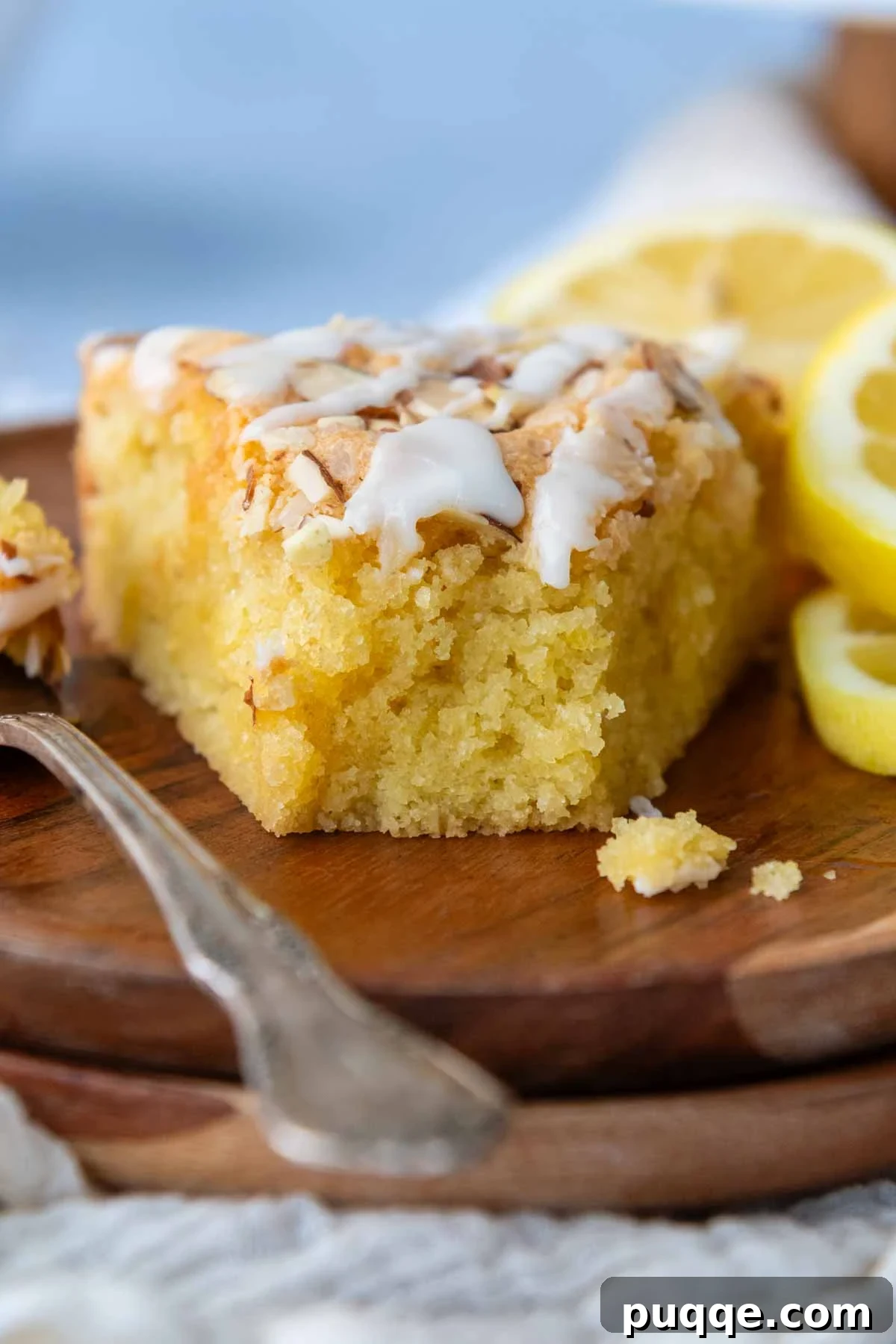
Welcome to the ultimate guide for creating a moist and fluffy almond flour lemon cake that’s not only incredibly delicious but also completely gluten-free and grain-free. After countless hours in the kitchen perfecting gluten-free baking techniques and developing a repertoire of almond flour recipes, I’ve gathered invaluable tips to ensure every cake emerges light, airy, and utterly irresistible. This particular moist almond flour lemon cake stands as a testament to these perfected methods, promising a truly delightful baking experience. Even if you’re a novice baker, you’ll find these tricks simple to master, leading you to bake a show-stopping dessert that appeals to everyone, regardless of dietary preferences.
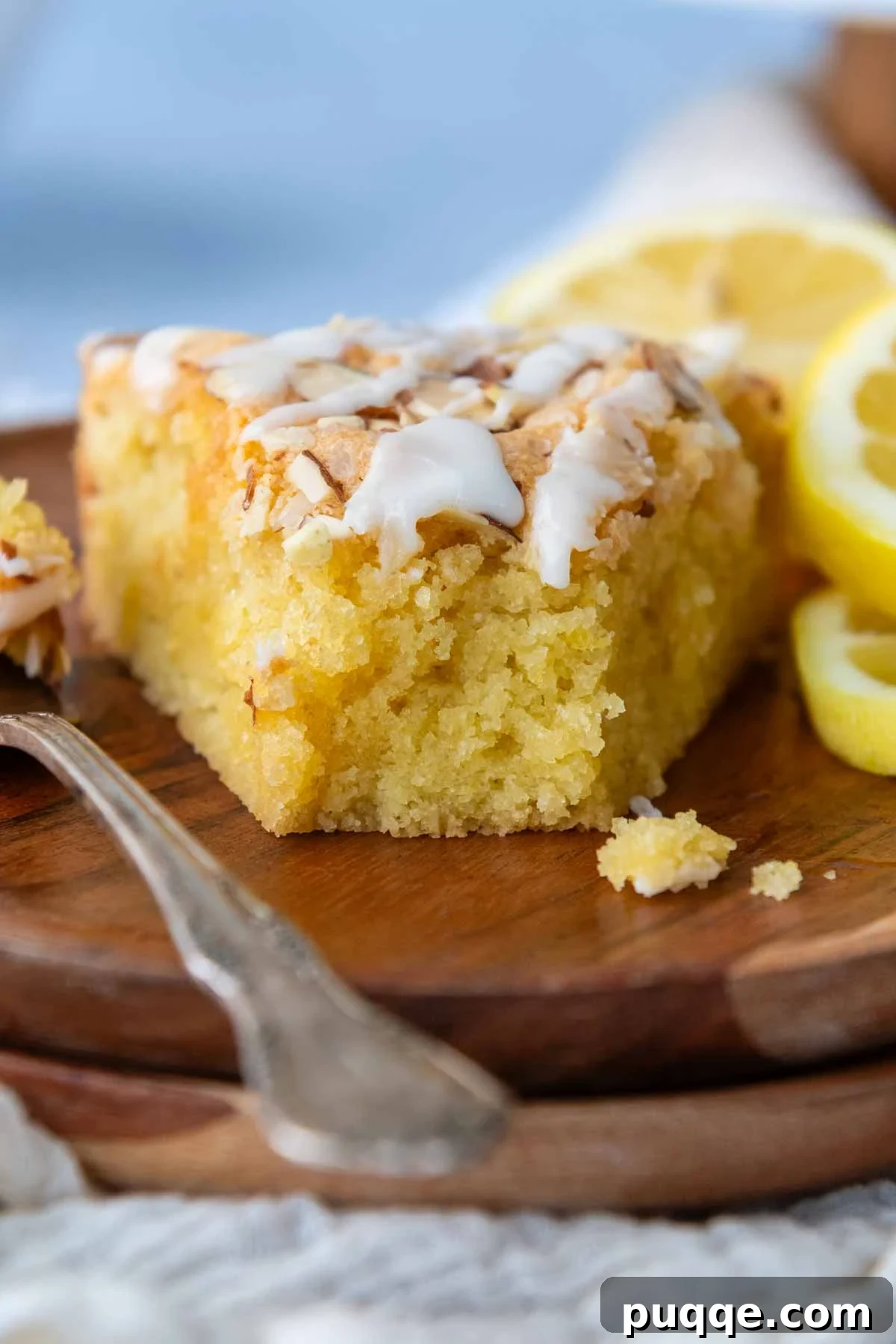
Discover the Magic of Almond Flour Baking: Gluten-Free & Delicious
Almond flour has become a beloved ingredient for many home bakers, and for excellent reasons beyond just dietary preferences. Its inherently sweet, nutty flavor and unique texture contribute beautifully to a wide array of baked goods, from cakes and brownies to cookies, breads, and muffins. Opting for high-quality blanched almond flour doesn’t just mean enjoying gluten-free and grain-free desserts; it means indulging in treats that boast a tender crumb and rich flavor profile, appealing to every palate.
My kitchen is always buzzing with new almond flour creations, and some of the most popular recipes on my site, such as almond flour carrot cake and almond flour tortillas, consistently receive rave reviews. The secret lies in harnessing almond flour’s unique properties to create unexpectedly delightful textures. For this exquisitely fluffy almond flour lemon cake, I’ve relied on a few of my tried-and-true baking tricks, specifically tailored to conquer common challenges associated with this remarkable flour.
Baking with almond flour differs significantly from traditional wheat flour or even gluten-free all-purpose blends. As it’s essentially finely ground almonds, it’s naturally denser and contains a higher fat content. This means that a successful almond flour cake requires a different approach to ingredient ratios, particularly balancing wet and dry components. Unlike a moist gluten-free white cake, which might benefit from additional oil to coat starches, adding too much fat to an almond lemon cake can result in a heavy, dense texture – the exact opposite of what we’re aiming for.
One of the cornerstone techniques for achieving that signature light and airy crumb in almond flour cakes is the separate beating of egg yolks and whites. The yolks play a crucial role in binding the ingredients, which is especially important in a gluten-free cake where no gluten network is available for structure. The separately beaten egg whites, transformed into a delicate meringue, are then folded into the batter. This aeration process introduces air, creating a lighter structure and preventing the cake from becoming overly condensed, ensuring a wonderfully fluffy result.
“It came out perfect! Moist and fluffy like you named it. Will definitely make it again. Thank you for the recipe!”
—Nan, a satisfied home baker
Key Ingredients for Success: Your Lemon Almond Flour Cake Deep Dive
Crafting the perfect almond flour lemon cake begins with understanding each ingredient and its role. Here’s a closer look at the components that make this cake shine, along with essential tips for optimal results:
- Almond Flour: The Foundation of Flavor and Texture
For the lightest, most delicate crumb, always reach for blanched, finely ground almond flour. This type of almond flour is made from almonds that have had their skins removed before grinding, resulting in a paler, finer powder. Avoid almond meal, which includes the skins and will yield a coarser, more rustic texture—better suited for heartier bakes, but not ideal for our fluffy cake. The fine texture of blanched almond flour is crucial for a smooth, tender cake. - Lemons: The Bright Heart of the Cake
During recipe development, I discovered that the vibrant lemon flavor could easily get lost. To ensure a truly citrus-forward cake, I opted for a powerful combination: a full tablespoon of fresh lemon zest and a teaspoon of lemon extract. Lemon juice, while fresh, often isn’t potent enough to carry the flavor when baked. The zest delivers aromatic oils, and the extract enhances the brightness. Don’t discard the zested lemons; their juice is perfect for whisking up a delightful citrus glaze to drizzle over the cooled cake. - Sugar: Sweetness and Structure
This recipe was developed using granulated white sugar, which provides both sweetness and contributes to the cake’s structure and moisture. While I haven’t tested it with sugar-free substitutes or alternative sweeteners like coconut sugar, results may vary significantly. Liquid sweeteners, such as pure maple syrup or honey, are generally not recommended for this recipe as they introduce too much moisture, potentially compromising the delicate texture. If you experiment with alternatives, please share your findings in the comments below the recipe card! - Eggs: The Pillars of Lightness and Binding
Eggs are instrumental in achieving the signature fluffy texture of this cake. The technique of separating egg whites from yolks and beating them individually is critical. The yolks, beaten with sugar, provide richness and bind the ingredients together, essential for a gluten-free structure. The whites, whipped to stiff peaks, incorporate air, creating a light, airy meringue that gives the cake its lift and delicate crumb. Using three large eggs provides ample binding power and structure for this grain-free bake. - Butter: Richness and Moisture
Melted butter adds a wonderful depth of flavor and richness to the cake. However, if you require a dairy-free modification, you can easily substitute an equal amount of melted coconut oil or a high-quality vegan butter stick. Ensure the butter (or substitute) is melted and then cooled slightly before adding to the mixture. - Cornstarch: The Secret to a Softer Crumb
Here’s one of my favorite baking tricks for almond flour cakes! A small amount of cornstarch added to the dry ingredients plays a vital role in building up the cake’s structure and absorbing excess moisture. Almond flour is inherently moist, and cornstarch helps to create a lighter, more delicate texture. You’ll truly notice the difference in texture when cornstarch is included! If you prefer not to use cornstarch, you can substitute it with an equal amount of coconut flour or tapioca starch, both of which also excel at moisture absorption. Alternatively, omitting it will result in a slightly denser, more “flourless cake” like texture. This is a technique I also employ for my tender almond flour scones.
Let’s Bake This Together: A Step-by-Step Journey to Fluffy Perfection!
Get ready to create a masterpiece! Below you’ll find detailed step-by-step photos and modified instructions to guide you. For the complete recipe, including precise ingredient amounts and nutritional information, please scroll down to the full recipe card.
Step 1: The Key to Fluffy – Separating and Beating Eggs
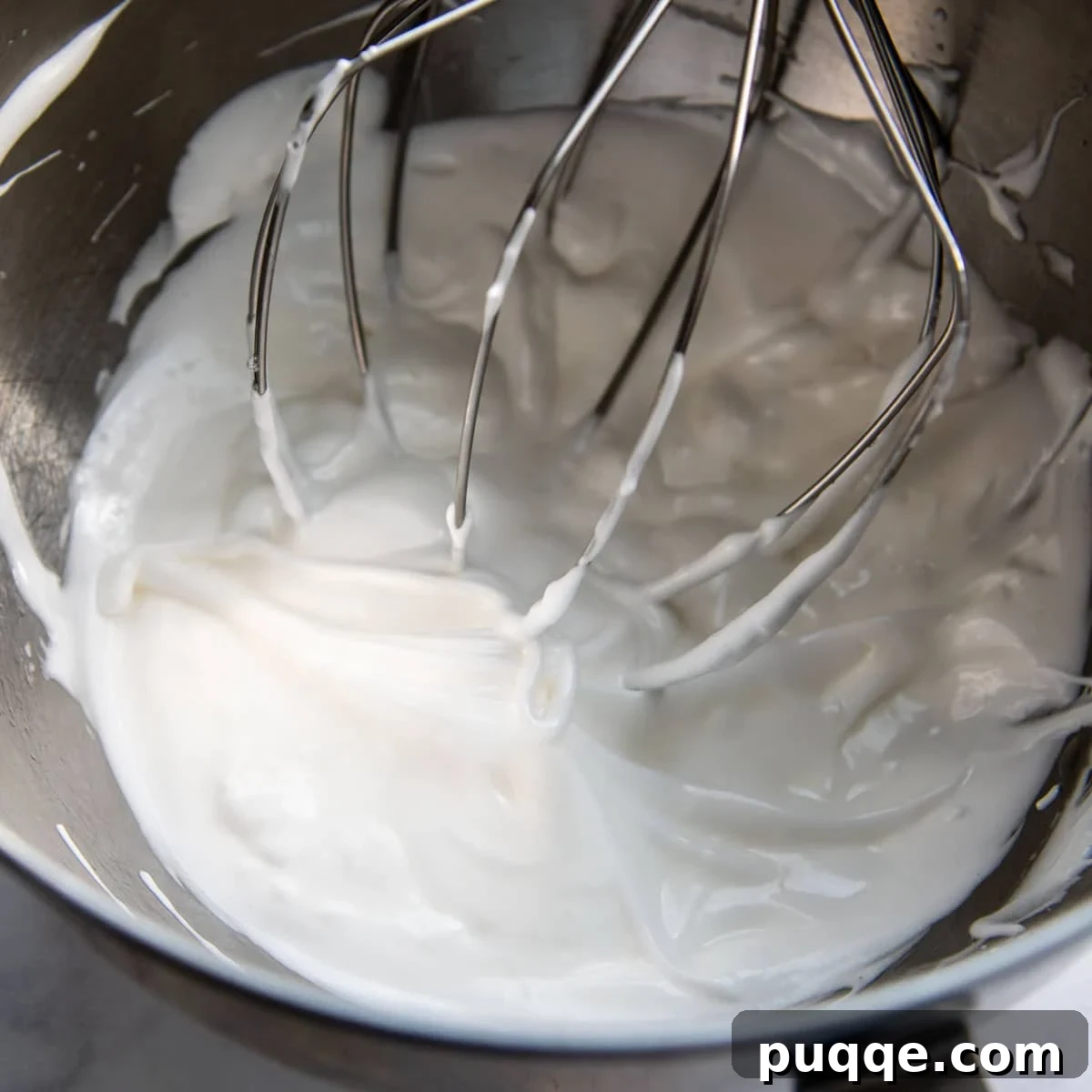
This initial step is absolutely crucial for achieving a light and airy almond flour cake. Eggs are easier to separate when cold, so start there. Once separated, let the egg whites and yolks come to room temperature; room temperature whites will beat up to stiffer, more stable peaks. Using a stand mixer with a whisk attachment, beat the egg whites on high speed until they become foamy. Gradually add half of the granulated sugar, about a tablespoon at a time, continuing to beat until stiff, glossy peaks form. Set this beautiful meringue aside.
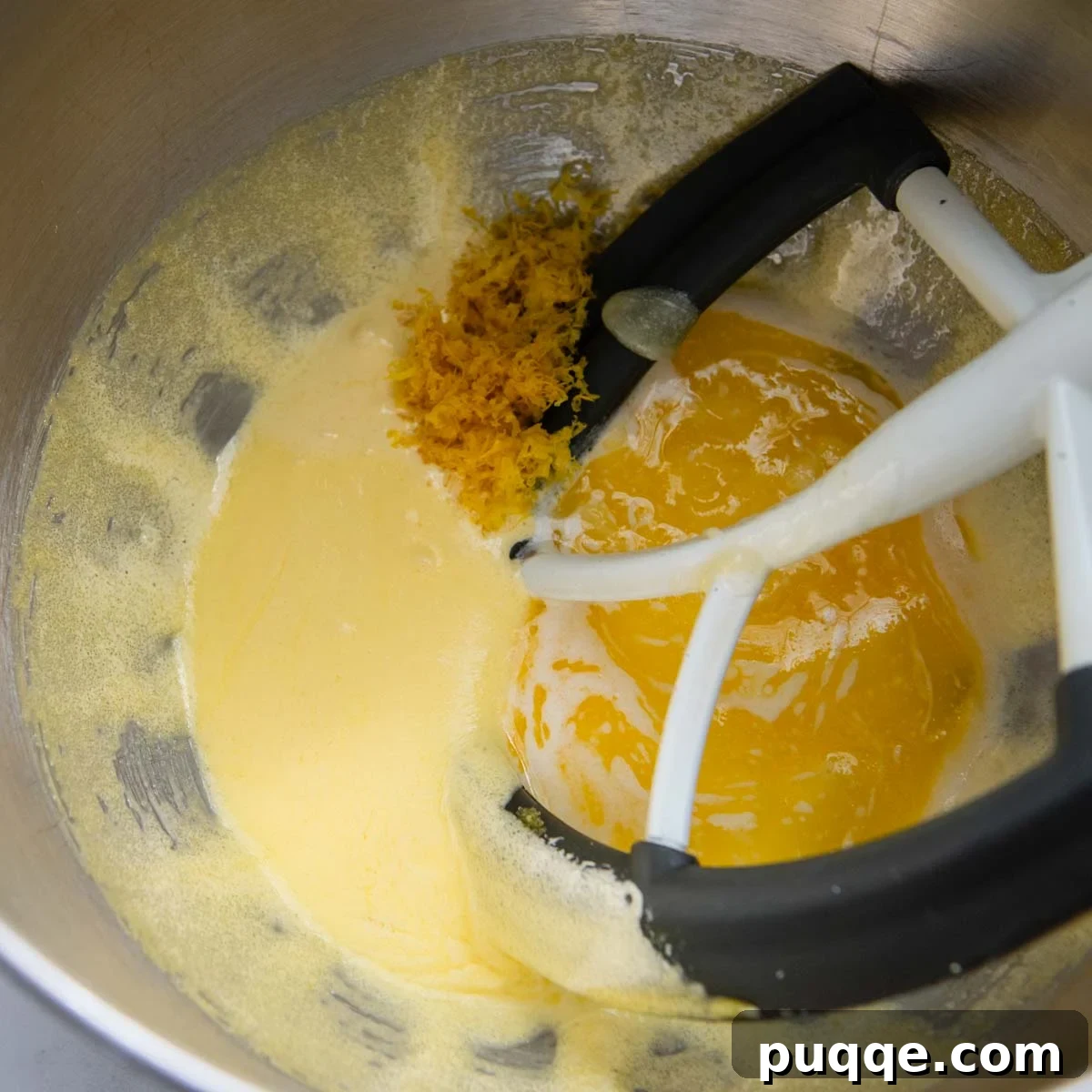
In a separate clean bowl, combine the egg yolks with the remaining sugar. Beat them together until the mixture doubles in volume and transforms into a pale yellow, creamy consistency, which usually takes about 2 minutes. Then, gently mix in the melted and cooled butter, the fragrant lemon zest, and the potent lemon extract until just combined.
Step 2: Combining Wet and Dry – A Little Warning!
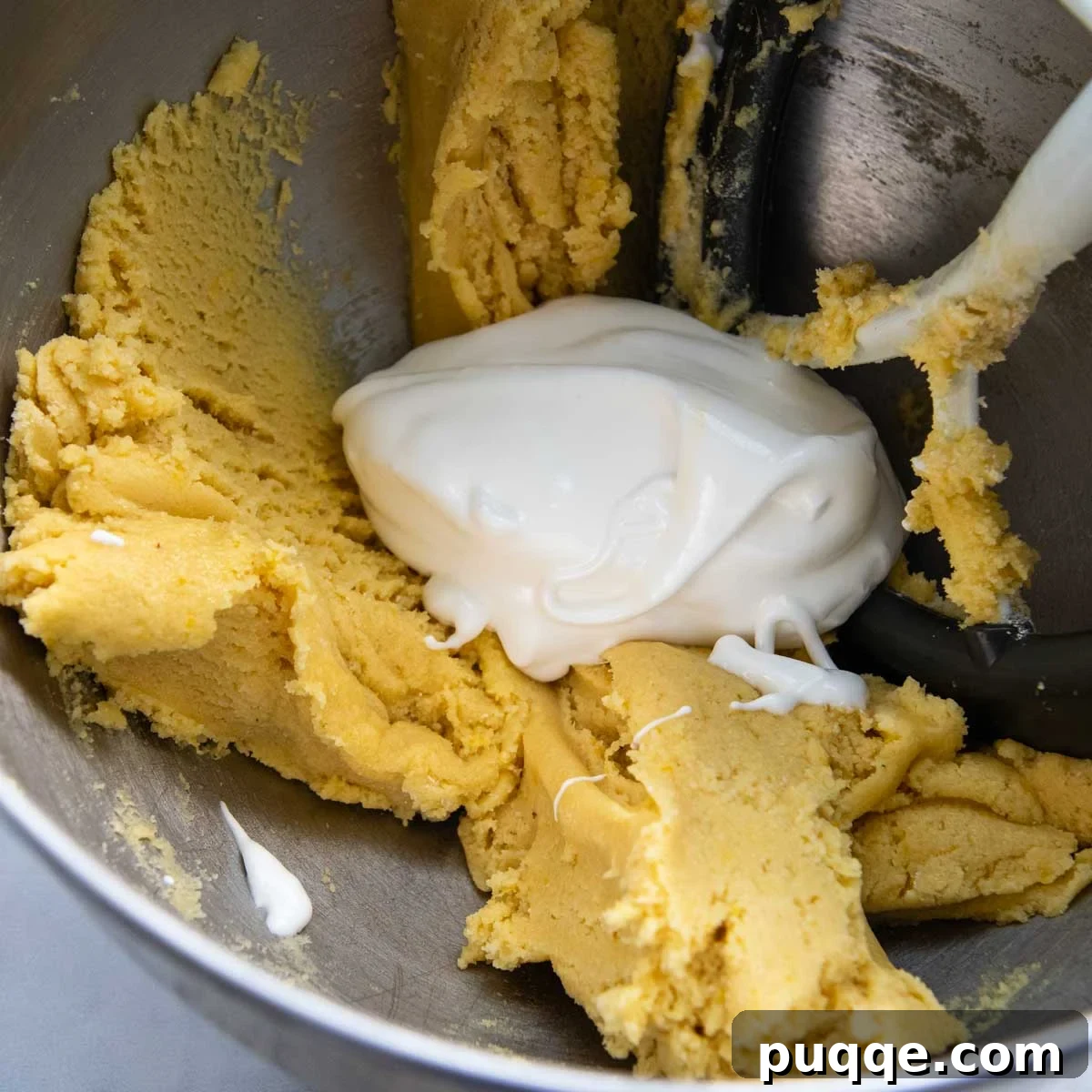
To the egg yolk mixture, carefully add the blanched almond flour, cornstarch (remember, this is key for a fluffy cake, see more below 👇), baking powder, and salt. Mix these dry ingredients into the yolk mixture until they are just combined. At this stage, the batter will appear incredibly thick—so thick, in fact, that you might question if you’ve done something wrong. Don’t worry, this is completely normal for almond flour batters.
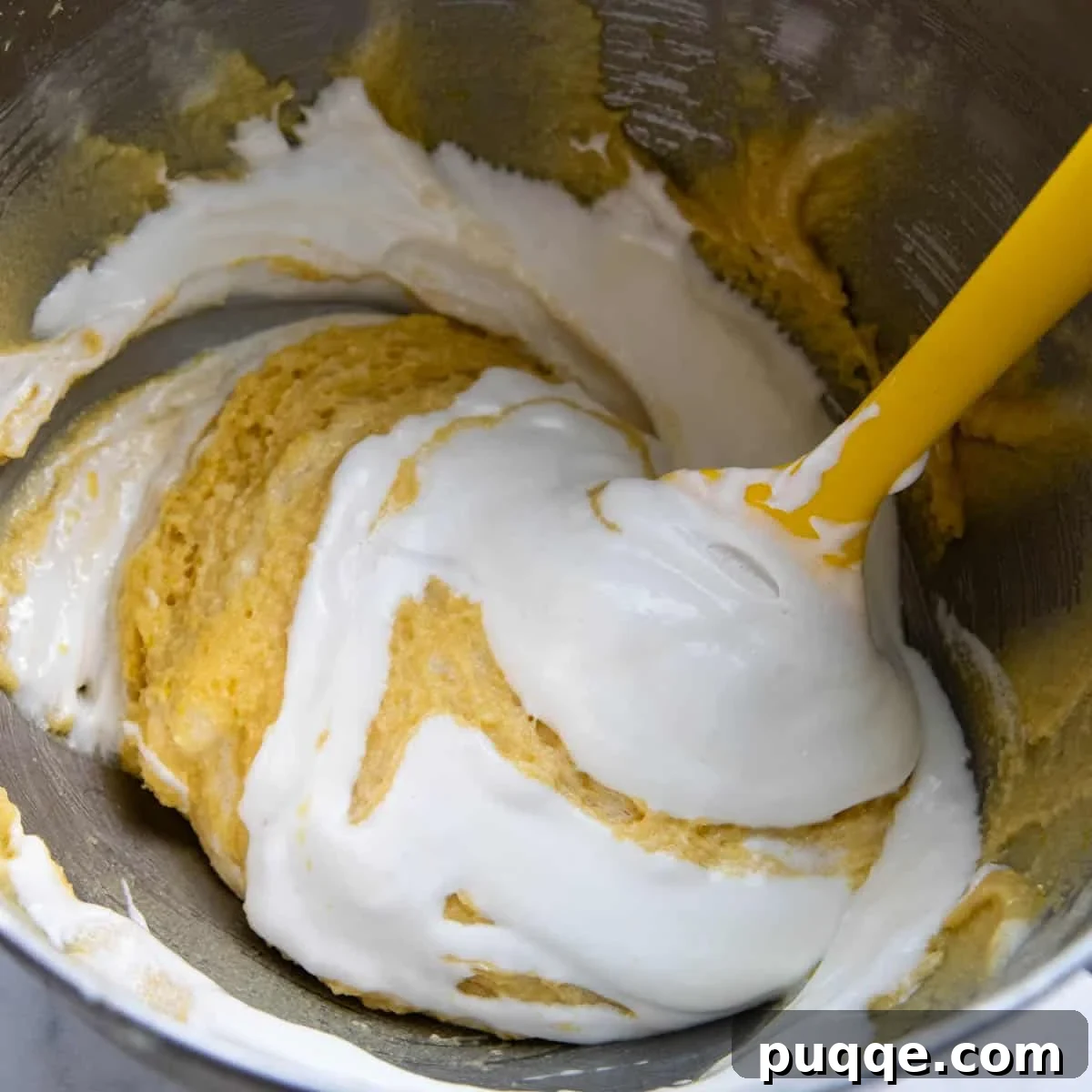
Trust the process! Begin by gently folding in one-third of the beaten egg whites. The batter will gradually loosen up. Repeat with another third, and then carefully fold in the final portion of egg whites until no streaks remain. This careful folding motion preserves the air you’ve incorporated, which is vital for the cake’s airy texture. Promise, it will transform!
Step 3: Finishing Touches and Baking to Golden Perfection
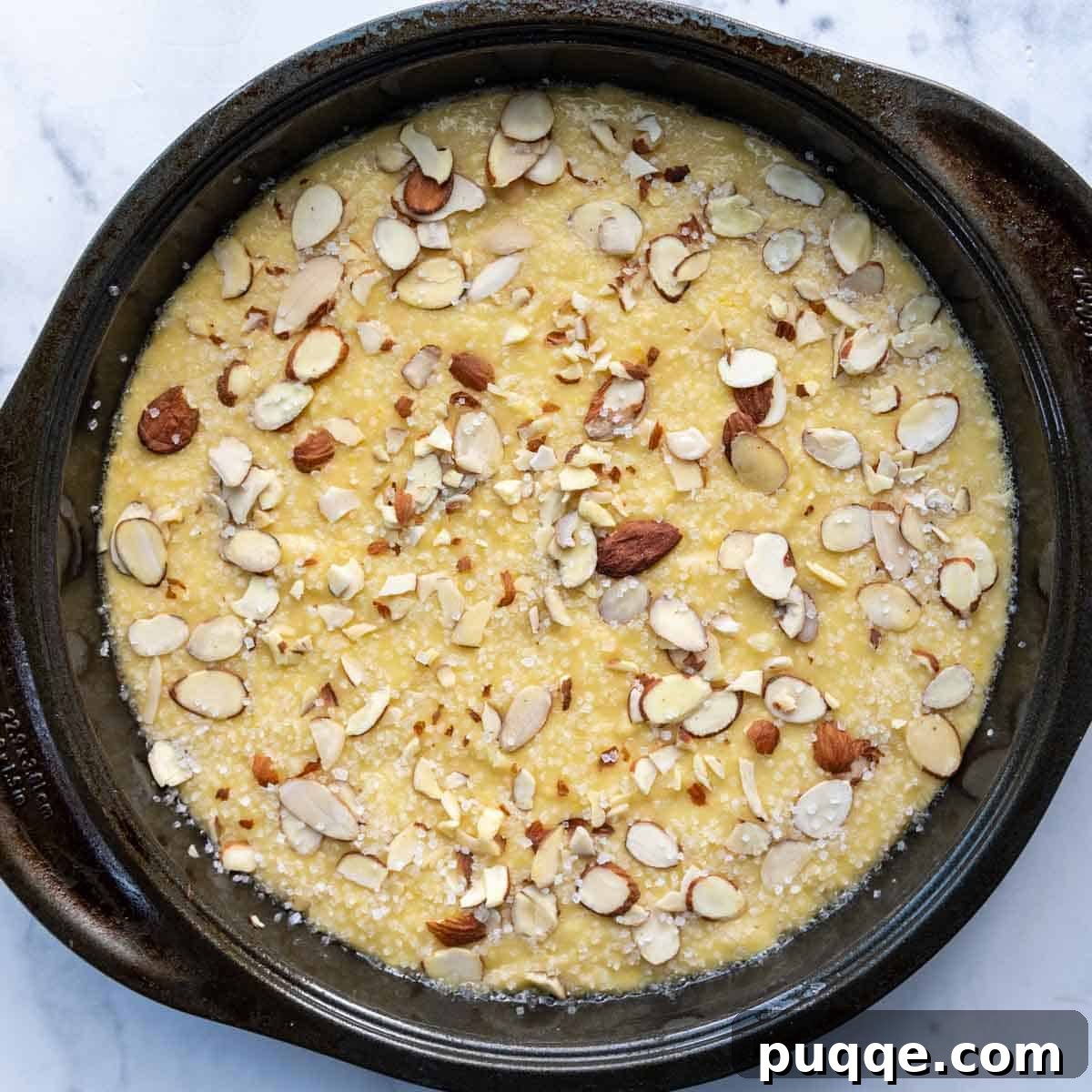
Carefully pour the now-lightened batter into a prepared 9-inch cake pan, which should be greased and lined with parchment paper. While optional, sprinkling a generous layer of sliced almonds and coarse turbinado sugar on top before baking creates a beautifully crunchy, sweet crust that adds another dimension of texture and flavor. It’s a small step that yields big rewards!
Bake your cake in a preheated oven at 350ºF (175ºC) for approximately 30-34 minutes. Resist the urge to open the oven door too frequently, as this can cause the cake to fall. Instead, rely on visual cues: the cake should appear set and beautifully risen in the center. To check for doneness, gently touch the center—it should feel firm and spring back. A toothpick inserted into the middle should come out clean. Once baked, allow the cake to cool completely on a wire rack before transferring it to a serving platter. For an extra touch of citrus elegance, drizzle with an optional lemon glaze or explore other yummy topping suggestions below.
The Secret to Perfected Almond Cake Texture: The Cornstarch Advantage
Achieving the ideal texture in an almond flour cake is a delicate balance. During my recipe testing, I initially focused on the technique of separating egg whites and yolks, and while this significantly improved the crumb, I felt it didn’t quite achieve the ultimate lightness I envisioned. Almond flour, with its higher fat and moisture content, often leads to a denser cake if not carefully managed.
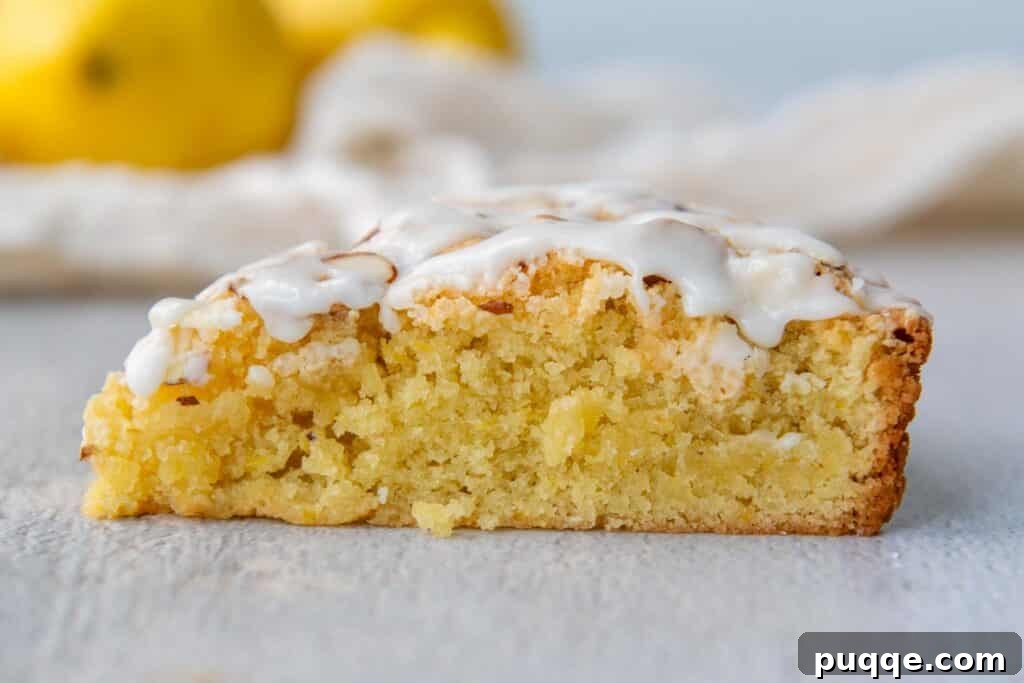
This led me to explore the addition of another starch to help absorb some of that excess moisture and further enhance the cake’s structure. Cornstarch emerged as the perfect solution. It’s readily available, easy to incorporate, and yields beautiful results, absorbing moisture without adding weight. The difference is truly remarkable, transforming the cake from merely good to exceptional. The images below clearly illustrate the improved texture when cornstarch is included.
If cornstarch isn’t your preference, or if you’re looking for an alternative, you can substitute it with an equal amount of coconut flour or tapioca starch. Both of these flours are excellent at soaking up moisture and will contribute to a lighter crumb, though they might slightly alter the flavor profile. Omitting an additional starch entirely will result in a cake with a slightly denser, more traditionally “flourless” texture, which some might prefer as well.
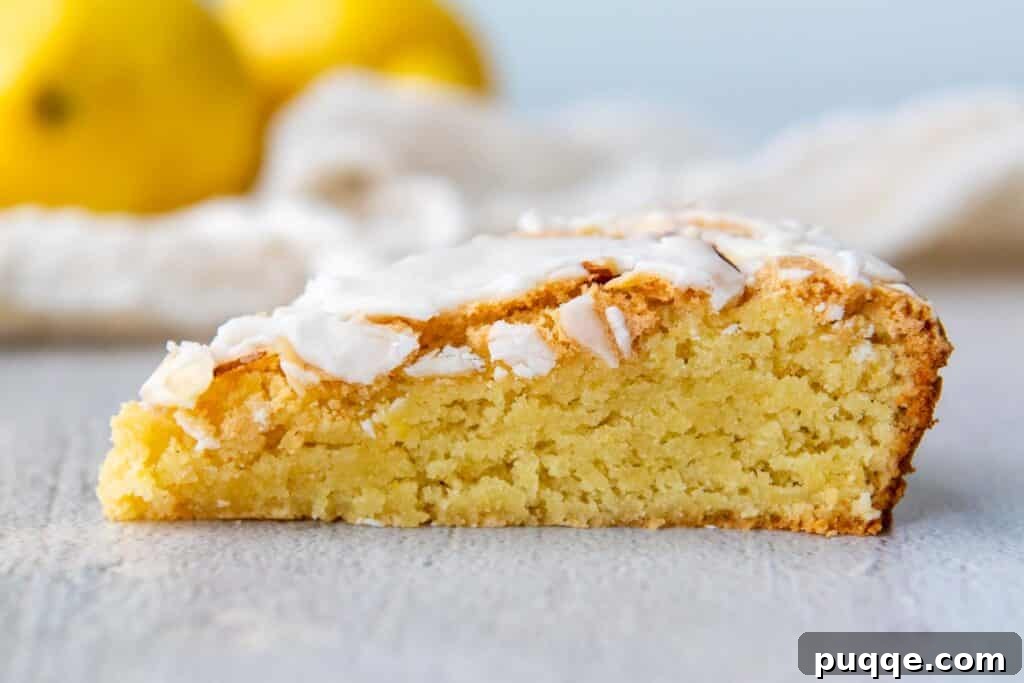
Cake Pan Sizes & Baking Variations for Your Almond Flour Lemon Cake
This versatile almond lemon cake recipe can easily adapt to various pan sizes, allowing you to customize your bake! While I typically bake and photograph it in a single 9-inch cake pan, offering a beautiful, substantial slice, there are several ways to modify it based on your preference:
- For a Thicker Single Layer or Layer Cake: If you desire a slightly thicker single layer, or plan to create an impressive almond flour lemon layer cake, opt for an 8-inch cake pan. This will yield taller, more robust layers, perfect for stacking and frosting. If you use 8-inch pans, you’ll need to increase the baking time by approximately 5 minutes, as the batter will be deeper.
- The “Slightly Over-Baking” Rule: Given almond flour’s high moisture content, it’s often better to err on the side of slightly over-baking rather than under-baking. The center of the cake should be fully set and spring back gently when lightly touched.
- Minimize Oven Opening: Regardless of pan size, it’s crucial to minimize opening the oven door during baking. Frequent peeking can cause the cake to fall, especially in delicate gluten-free bakes. Rely mostly on visual cues, such as the cake appearing golden and set in the middle, and only perform the toothpick test towards the very end of the baking time.
- Snack Cake Perfection: For a delightful everyday treat or a casual dessert, this recipe works wonderfully in an 8×8-inch square pan, transforming it into a lovely snack cake. Serve individual slices with a dollop of freshly whipped cream and a sprinkle of fresh berries – perfect for afternoon tea, brunch, or alongside your morning coffee.
- Easy Release with a Springform Pan: To ensure effortless removal, especially if you’re showcasing the almond topping, consider baking the cake in an 8-inch or 9-inch springform pan. This type of pan makes releasing the cake from its outer ring incredibly simple once it has cooled completely.
Delightful Frosting and Topping Options for Your Lemon Almond Cake
Once your moist lemon almond cake is baked to golden perfection, the fun doesn’t stop there! While the simple elegance of sliced almonds and coarse turbinado sugar sprinkled before baking creates a delightful crust, the possibilities for enhancing this cake are truly endless. Here are some complementary flavors and textures to inspire your creativity:
- Classic Simplicity: For an understated yet elegant finish, a light dusting of powdered sugar is always a beautiful choice, allowing the bright lemon flavor of the cake to truly shine.
- Zesty Lemon Glaze: A simple lemon glaze, made from powdered sugar and a touch of fresh lemon juice, provides a delightful tang and a slight sheen. It sets beautifully, adding another layer of lemon goodness.
- Creamy Indulgence: If you’re aiming for a more decadent dessert or planning to make a layer cake (by doubling the recipe and baking in 8-inch pans), consider frosting with a luscious whipped cream frosting, a classic buttercream, or a tangy cream cheese frosting. Each offers a different level of richness and complements the lemon beautifully.
- Tropical Coconut Twist: Love coconut? You can stir ¾ cup of shredded coconut directly into the cake batter before baking for a delightful tropical note. Alternatively, serve slices with toasted coconut flakes and a dollop of whipped cream for a textural delight.
- Fresh Berry Burst: Fresh berries are a natural companion to lemon. Gently fold in 1 pint of fresh blueberries or raspberries into the batter after incorporating the whipped egg whites. The berries will burst with flavor during baking, adding moisture and a beautiful color. Alternatively, serve slices topped with a vibrant medley of fresh berries.
- Candied Lemon Slices: For a sophisticated garnish, adorn your cooled cake with delicate candied lemon slices. Their translucent beauty and sweet-tart flavor elevate the presentation and taste.
- Warm Fruit Compote: A dollop of warm berry compote (made from simmered fresh or frozen berries) can be a fantastic accompaniment, adding a touch of rustic charm and fruity sweetness.
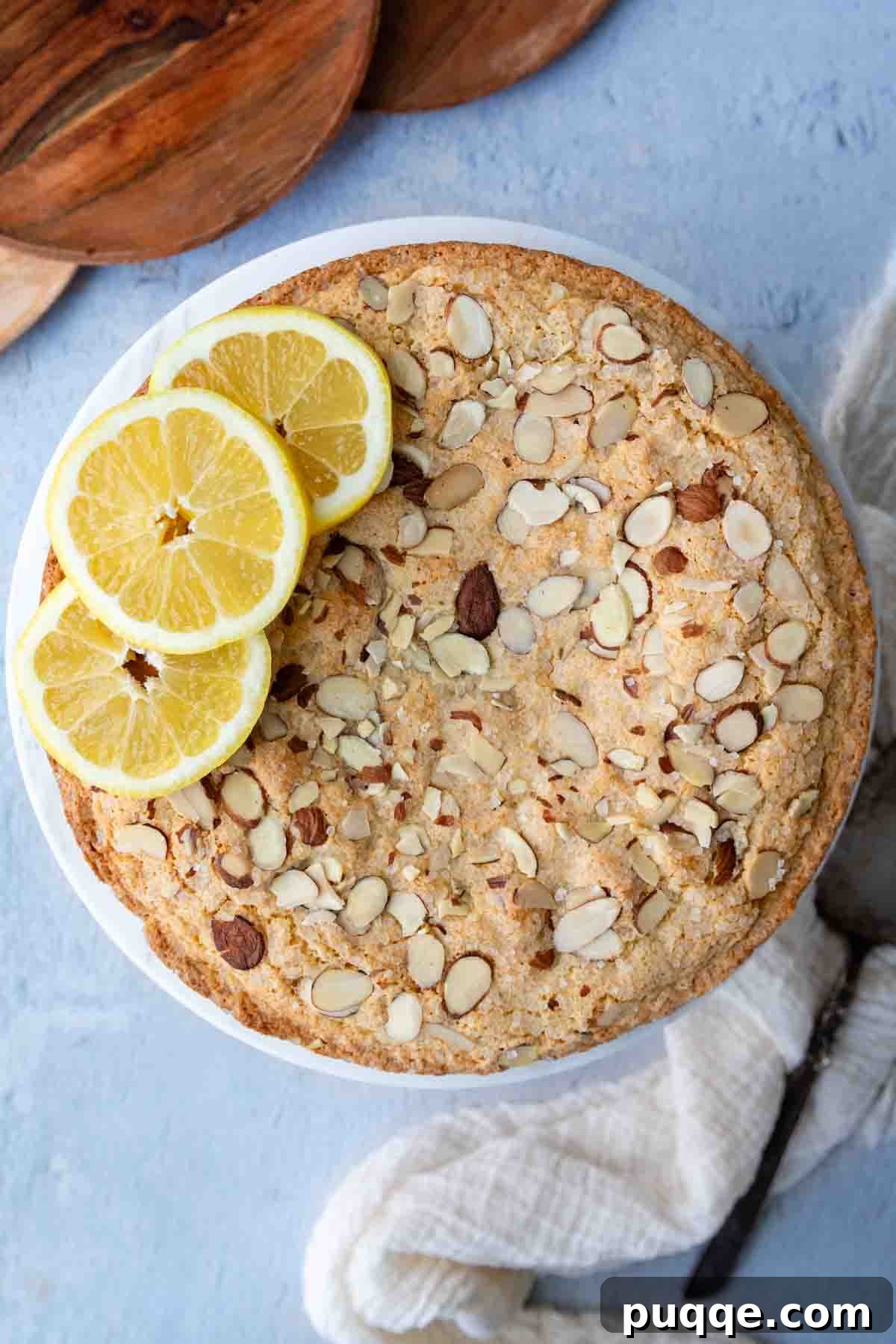
Expert Tips for Almond Flour Lemon Cake Success
To ensure your almond flour lemon cake turns out perfectly every time, keep these key tips in mind:
- Temperature Matters: Always separate eggs when they are cold for easier handling, but then allow both whites and yolks to come to room temperature before beating. Room temperature eggs whip to greater volume, leading to a lighter cake.
- Dairy-Free Option: For those needing a dairy-free cake, easily substitute the melted butter with an equal amount of melted coconut oil or your favorite non-dairy butter alternative.
- The Power of Starch: Incorporating a small amount of cornstarch into the dry ingredients is a game-changer for absorbing excess moisture and creating a wonderfully fluffy texture. If cornstarch isn’t available or preferred, an equal amount of coconut flour or tapioca starch can be substituted.
- Layer Cake Perfection: To transform this recipe into a beautiful layer cake, simply double all the ingredients and bake in two 8-inch cake pans. Remember to add an extra 5 minutes to the baking time for these thicker layers.
- Pan and Topping Versatility: Explore additional baking pan options for different presentations, and discover more creative toppings and frosting ideas to elevate your cake.
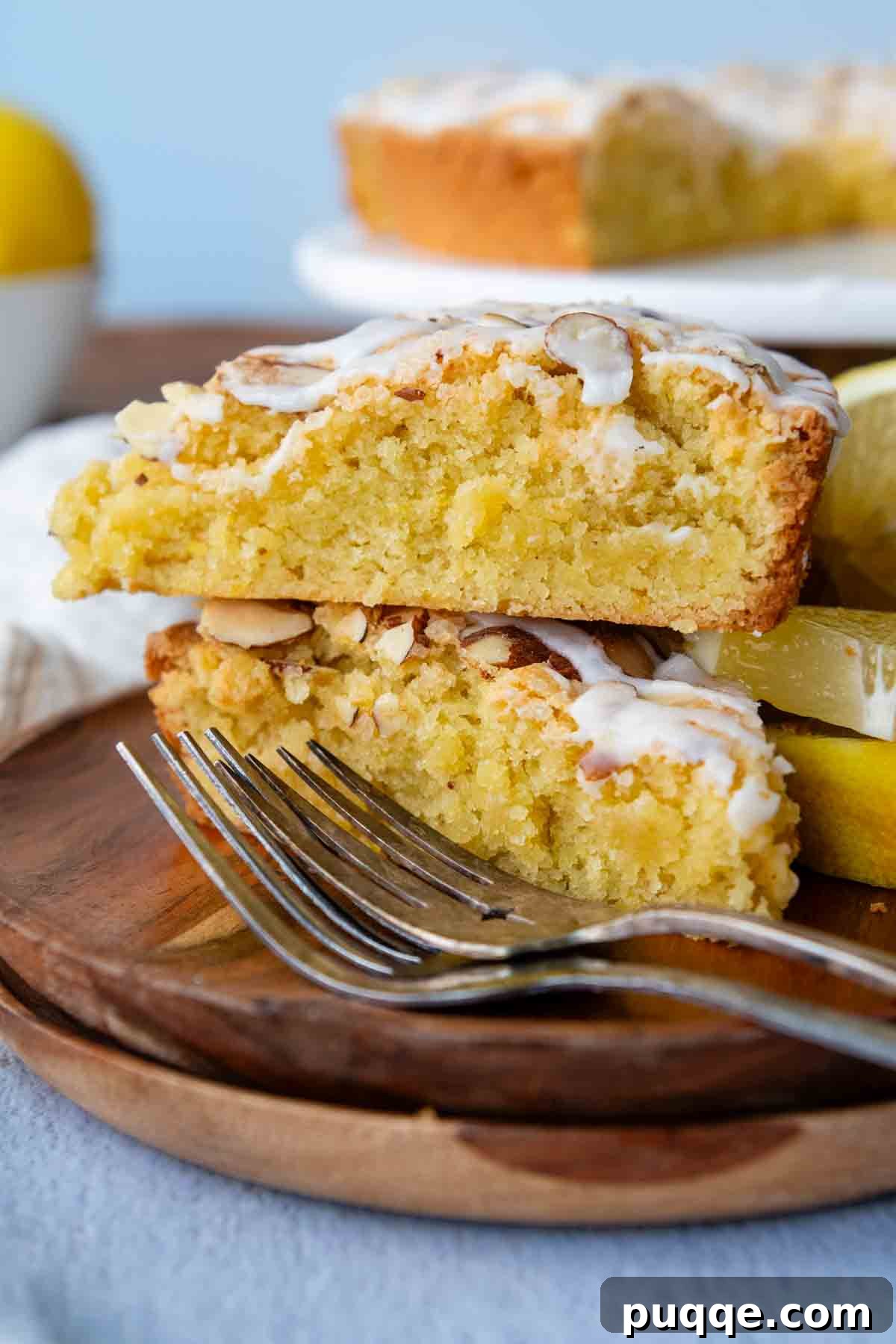
Save this Recipe to Your Pinterest Board!
Let’s be friends on Pinterest! I’m always sharing great recipes!
Did you make this recipe? I love hearing from you! Leave a star rating and comment below the recipe card. Your feedback helps other bakers find delicious recipes and is incredibly appreciated by our community. You’ll always hear back from me! -Melissa
Frequently Asked Questions (FAQ)
Here are answers to some common questions about baking with almond flour and this lemon cake recipe:
- Can I make this almond flour lemon cake dairy-free?
Absolutely! To make this cake dairy-free, simply substitute the melted butter with an equal amount of melted coconut oil or a high-quality vegan butter stick. The texture and flavor will still be wonderfully rich. - Can I use almond meal instead of blanched almond flour?
While almond meal can be used in some recipes, for this particular cake, blanched, finely ground almond flour is highly recommended. Almond meal, made with skins on, will result in a coarser, denser crumb, and will not yield the light and fluffy texture that makes this cake so special. - How should I store leftover almond flour lemon cake?
This cake can be stored at room temperature for up to two days, or refrigerated for up to three days. If refrigerating, the texture might become slightly denser, similar to a flourless cake. For optimal freshness at room temperature, press a piece of plastic wrap directly onto any cut sides of the cake, or store in an airtight cake carrier. If the cake is uncut, a loose covering of foil is sufficient; plastic wrap might trap too much moisture and make the crust soggy. - Can I freeze this lemon almond cake?
Yes, this flourless almond flour lemon cake freezes beautifully for up to 3 months. For individual servings, wrap sliced leftovers securely in plastic wrap, then transfer them to a freezer-safe ziplock bag. You can then pull out slices as needed and let them thaw at room temperature. If freezing the entire cake, first place it in the freezer until solid, then wrap it securely in plastic wrap, followed by a layer of aluminum foil. - What is the difference between lemon zest and lemon juice in baking, and why use both?
Lemon zest is the finely grated outer skin of the lemon, rich in aromatic oils that provide intense lemon flavor without adding much liquid or acidity. Lemon juice, on the other hand, provides acidity and a fresh tartness. In baking, zest is crucial for a strong lemon flavor that stands up to baking heat, while juice is often used for glazes or when a liquid acidic component is needed. This recipe uses both zest and extract for maximum lemon impact in the cake, with juice reserved for the optional glaze. - Can I use a sugar substitute in this recipe?
This recipe has been tested and perfected with granulated white sugar, which contributes to both the sweetness and the cake’s delicate structure. While some bakers have success with sugar-free substitutes like erythritol or alternative sweeteners like coconut sugar, results can vary significantly in terms of texture, moisture, and browning. Liquid sweeteners (like maple syrup or honey) are not recommended as they would alter the wet-to-dry ingredient balance. If you do experiment with a sugar substitute, please share your experience!
Moist, Fluffy Almond Flour Lemon Cake (Easy Tips)

Melissa Erdelac
8 servings
15 mins
30 mins
45 mins
Pin Recipe
Rate Recipe
Ingredients
- 3 large eggs, separated when cold and then set at room temperature
- 1 cup (200 g) granulated sugar, divided
- ¼ cup (57 g) melted and cooled butter, see recipe notes for dairy-free
- 1 tablespoon lemon zest
- 1 teaspoon lemon extract
- 2 ¼ cups (231 g) blanched almond flour
- ¼ cup (34 g) cornstarch, see recipe notes for substitute
- 1 ½ teaspoon baking powder
- ¼ teaspoon salt
Optional Toppings
- 3 tablespoons (18 g) sliced almonds
- ½ tablespoon coarse turbinado sugar
Lemon Glaze
- 1 cup (120 g) powdered sugar
- 1 ½ tablespoons lemon juice
Equipment
- Stand Mixer
- Zester
- Blanched Almond Flour
- 9-inch cake pan or 8-inch cake pan
- Parchment paper
- Wire rack
Instructions
- Preheat the oven to 350℉ (175ºC). Line a 9-inch cake pan with a cut-to-size piece of parchment paper or wax paper, then grease with non-stick cooking spray. For a thicker cake layer, an 8-inch cake pan can be used, which may require an additional 5 minutes of baking.
- Add the room temperature egg whites to a clean, dry mixing bowl. Using a whisk attachment, beat the egg whites on high speed until foamy. Gradually add ½ cup of the granulated sugar, a couple tablespoons at a time. Continue to beat until stiff, glossy peaks form. Set this bowl aside.
- In a separate bowl, add the egg yolks with the remaining granulated sugar. Beat until the yolks double in volume and become pale, about 2 minutes. Then mix in the melted, cooled butter, lemon zest, and lemon extract until just combined.
- To the egg yolk mixture, add the almond flour, cornstarch (or your chosen substitute), baking powder, and salt. Mix until just well combined. The batter will be very thick at this stage.
- Add one-third of the beaten egg whites to the thick batter and use the mixer on low speed to gently combine. Repeat with another one-third of the egg whites. Finally, add the remaining egg whites and use a spatula or spoon to gently fold them into the mixture until no streaks of white remain, being careful not to deflate the batter.
- Pour the batter into the prepared pan and spread evenly. If desired, sprinkle the top with sliced almonds and coarse turbinado sugar for a crunchy crust.
- Bake for 30-34 minutes. Avoid opening the oven door too frequently. The cake should look set and risen in the middle. When gently touched, it should be firm and a toothpick inserted in the middle should come out clean.
- Cool the cake on a wire rack for 10 minutes. Then, carefully invert the cake onto another wire rack to release it from the pan. Place a third wire rack on top of the inverted cake and flip it back over so the topping is face up. Cool completely before drizzling with glaze.
- To make the lemon glaze, combine the powdered sugar and lemon juice in a small bowl. Whisk until smooth. Adjust the consistency by adding more juice (for a thinner glaze) or more powdered sugar (for a thicker glaze). Drizzle generously over the cooled cake. The glaze will harden as it sets.
Notes
Dairy-Free Modification
Replace butter with melted coconut oil or a vegan butter stick for a dairy-free version.
Cornstarch Substitute
Alternatives include leaving it out for a slightly denser, flourless cake texture, or replacing it with an equal amount of coconut flour or tapioca starch.
Serving / Storing / Freezing
The cake may be stored at room temperature for up to three days. If storing in the refrigerator, the texture will become slightly more condensed, like a flourless cake. For optimal freshness at room temperature, press a piece of plastic wrap to the cut sides of the cake or store in an airtight container, like a cake carrier. If uncut, loosely cover the top with foil; plastic wrap may trap too much moisture and make the cake soggy.
Freeze flourless almond flour lemon cake for up to 3 months. Wrap sliced leftovers securely in plastic wrap and transfer to a ziplock freezer bag. Pull out slices and then sit at room temperature until ready to eat. If freezing the whole cake, place it in the freezer until solid, then wrap securely in plastic wrap and cover again with foil.
Nutrition Information (per serving)
Carbohydrates: 53 g,
Protein: 10 g,
Fat: 25 g,
Saturated Fat: 5 g,
Polyunsaturated Fat: 1 g,
Monounsaturated Fat: 3 g,
Trans Fat: 0.2 g,
Cholesterol: 77 mg,
Sodium: 143 mg,
Potassium: 133 mg,
Fiber: 4 g,
Sugar: 42 g,
Vitamin A: 267 IU,
Vitamin C: 2 mg,
Calcium: 121 mg,
Iron: 2 mg