
Unlock the secrets to truly outstanding gluten-free baking! Discover why psyllium husk powder is the ultimate binder, transforming crumbly, dense gluten-free baked goods into delightfully soft, elastic, and perfectly structured masterpieces. This comprehensive guide provides you with all the essential information – from understanding its unique properties and expert tips for purchasing the right type, to seamlessly incorporating it into your recipes for unparalleled results. Say goodbye to subpar gluten-free breads and hello to baking perfection!
For those navigating the world of gluten-free diets, the quest for baked goods that truly rival their gluten-containing counterparts is a common one. Many gluten-free recipes often fall short, resulting in textures that are either too dry, too crumbly, or disappointingly dense. Here at Mama Gourmand, every recipe—from those found on our website to the delectable creations in my gluten-free cookbook—is meticulously developed with a singular mission: to taste just as good, if not better, than the original beloved versions.
Achieving this high standard involves incorporating several crucial gluten-free baking tips into every single recipe. A primary emphasis is always placed on using the best gluten-free flour blends, which are undeniably a game-changer. However, through countless hours of rigorous recipe testing and experimentation, I’ve unearthed another absolutely imperative ingredient that works in perfect synergy with gluten-free flour blends: psyllium husk powder. This incredible natural binder creates truly outstanding results, drastically improving dough elasticity and yielding incredibly soft, squishy, and satisfyingly structured baked goods.
While psyllium husk itself imparts virtually no flavor, its profound impact on texture cannot be overstated. This extra boost of binding agent is the secret weapon behind the remarkable consistency and delightful mouthfeel in my best gluten-free bread recipes, elevating them from merely acceptable to genuinely extraordinary. If you’re serious about perfecting your gluten-free baking, understanding and utilizing psyllium husk is an absolute must.
What Exactly Is Psyllium Husk?
Psyllium husk, also scientifically known as ispaghula, originates from the seeds of the Plantago ovata plant, primarily cultivated in India. It is essentially the outer coating, or “husk,” of these small, dark seeds. What makes psyllium husk so remarkable, particularly for baking, is its exceptional capacity to absorb liquids.
This natural fiber is a highly effective hygroscopic agent, meaning it readily draws in and holds water. When mixed with liquid, it forms a viscous, gel-like substance. This unique property is why it’s widely used commercially, not just in gluten-free baking, but also as a food thickener and binder in products like ice cream and various frozen concoctions. In the realm of gluten-free breads and baking, this gel-forming ability is precisely what allows it to step in and brilliantly replace the structural role that gluten plays in traditional wheat-based doughs.
Table of Contents
- Why Psyllium Husk is Essential for Gluten-Free Baking
- Is Psyllium Husk Truly Gluten-Free?
- Essential Tips When Buying Psyllium Husk
- How to Effectively Incorporate Psyllium Husk into Recipes
- Exploring Substitutes For Psyllium Husk
- Delicious Gluten-Free Breads and Baked Goods Featuring Psyllium Husk
Why Psyllium Husk is Essential for Gluten-Free Baking
In traditional baking, gluten, a protein complex found in wheat, is the star player. It forms an elastic network when flour is mixed with water, trapping gases produced by yeast and allowing the dough to rise, creating that characteristic chewy texture and structural integrity. Without gluten, gluten-free doughs typically lack this essential elasticity and binding power, often resulting in baked goods that are dense, crumbly, and difficult to work with. While many commercial gluten-free flour blends include ingredients like xanthan gum to compensate, relying solely on these often leads to subpar results.
This is where psyllium husk powder shines as a true game-changer. By adding psyllium husk powder to your gluten-free recipes, you elevate your baked goods from merely “just okay” to an astonishing, “I can’t believe this is gluten-free!” Here’s a detailed look at its remarkable benefits:
Drastically Improves Dough Manageability
One of the most frustrating aspects of working with gluten-free flour is its inherent stickiness and fragility. Doughs can be incredibly difficult to handle and shape, a significant challenge when making items like gluten-free cinnamon rolls, dinner rolls, or bagels that require manipulation. A common, yet counterproductive, solution is to add more flour to reduce stickiness. While this might make the dough easier to shape, it invariably leads to a very dense, dry, and unappetizing texture.
Psyllium husk acts as a powerful binding agent, forming a cohesive matrix within the dough. This allows the dough to become soft, pliable, and incredibly easy to work with—all without the need to reduce essential liquids or add excess flour. The result is a dough that handles beautifully, letting you enjoy not just the superior taste and texture of your baked goods, but also the ease of working with a manageable dough.
Enhances Proofing and Promotes a Better Rise
In traditional wheat breads, yeast consumes sugars and releases carbon dioxide gases, which are then trapped by the elastic gluten network, causing the dough to rise. In the absence of gluten, gluten-free breads need an alternative mechanism to create this crucial elasticity and structural integrity, allowing the bread to rise effectively and maintain its form.
Psyllium husk interacts dynamically with gluten-free flour starches and liquids, creating a unique structure that mimics the gluten network. This matrix effectively traps the gases and steam produced during the rising and baking processes, enabling the bread to achieve a significantly better rise and a lighter, airier texture. Crucially, this structure also helps the bread maintain its shape and volume after cooling, preventing the common problem of gluten-free breads collapsing.
Boosts Moisture Retention and Prevents Dryness
While psyllium husk doesn’t technically add moisture to your recipe, its incredible water-absorbing capabilities play a vital role in preventing dry baked goods. Its high viscosity means it can bind liquids much more effectively than flour alone. By forming a gel, psyllium holds onto moisture within the dough, distributing it evenly throughout the baking process. This eliminates the need to add more flour to achieve desired consistency, which is a common culprit for dry, crumbly gluten-free products. The result is consistently moist, fresh-tasting baked goods that stay soft for longer.
Creates an Irresistibly Soft, Chewy Crumb
The synergistic combination of improved binding, enhanced structure, and superior moisture retention ultimately culminates in a crumb structure that is wonderfully similar to that found in traditional wheat flour breads. The assistance provided by psyllium husk yields a pliable, soft, and satisfyingly chewy bread texture that is often elusive in gluten-free baking.
Pro Tip: Gluten-free breads baked with psyllium husk truly achieve their ideal crumb structure and palatability when enjoyed at room temperature or slightly warmed. If served chilled or cold, the texture can become somewhat denser and more crumbly, which may be displeasing. A quick reheat can often restore its tender quality.

Is Psyllium Husk Truly Gluten-Free?
Absolutely, psyllium husk is unequivocally gluten-free. It is important to note that psyllium husk is derived from the seed part of the Plantago ovata plant and is not a grain. Grains like wheat, barley, and rye contain gluten, but psyllium, being a fibrous seed husk, is naturally free from it.
Like other commonly used gluten-free binding agents such as xanthan gum or guar gum, psyllium husk is a natural ingredient that provides the necessary structure and elasticity without any gluten. This makes it a safe and highly effective addition for anyone following a gluten-free diet, ensuring your baked goods remain compliant with dietary restrictions while achieving superior texture.
Essential Tips When Buying Psyllium Husk
Before you make a purchase, it’s crucial to understand the different forms of psyllium husk available on the market. Being informed will ensure you select the right product for your gluten-free baking needs and achieve the best possible results.
Whole Husks vs. Psyllium Husk Powder
- Whole Husk Psyllium: This is psyllium in its most natural, unprocessed state. It consists of the intact husks and is typically coarser. Whole husks contain more fiber by volume and, consequently, will weigh slightly more for the same measured volume compared to the powder.
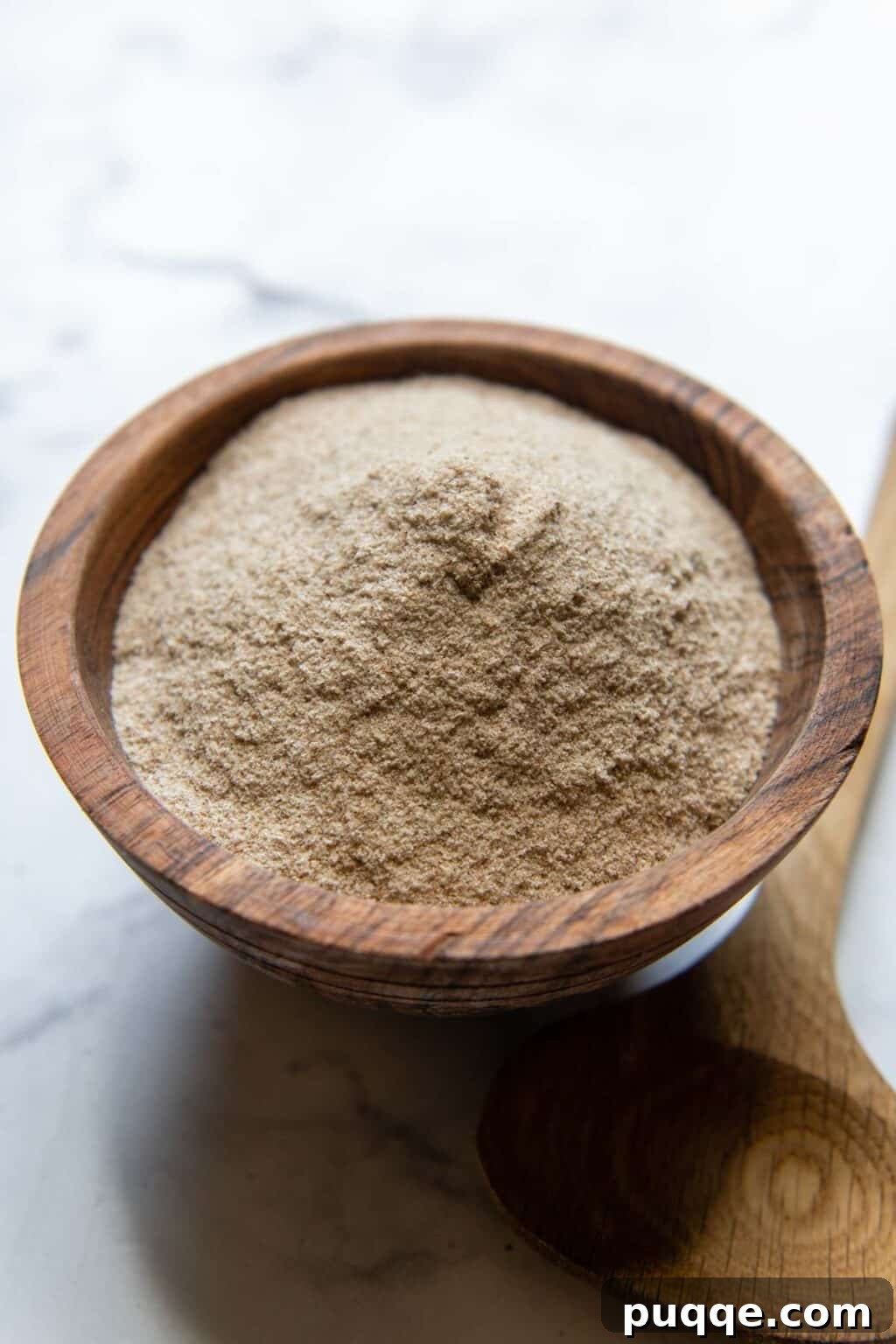
- Psyllium Husk Powder: This is simply ground whole psyllium husks. The fine powder is often preferred for baking as it integrates more smoothly into doughs and batters, creating a finer, more uniform texture.
While whole husks and powder can sometimes be used interchangeably, it’s vital to adjust quantities due to their difference in density. As a general rule, psyllium husk powder weighs approximately 85% less than whole husks for the same binding power. Therefore, if a recipe explicitly calls for 10 grams of whole psyllium husk, you would only need to use about 8.5 grams of psyllium powder to achieve a similar binding effect. Always check your recipe for specific instructions, but this conversion is a handy guideline.
Blonde Psyllium vs. Natural/Dark Psyllium
Psyllium husk can come in its natural state, which often has a darker, slightly purplish tint. When used in baking, this natural form can impart a noticeable dark or grayish color to your otherwise light-colored baked goods, which might be aesthetically unappealing, especially for white breads or light-colored pastries.
Therefore, for optimal visual appeal in your gluten-free baking, it is highly recommended to use blonde psyllium husk or blanched powder. Unfortunately, products are not always clearly labeled as “blonde” or “blanched.” Look for products that specify “blonde” or appear light in color. The psyllium husk powder and whole husk I typically use and recommend are known for their light color and high quality.
Where to Purchase and How to Store Psyllium Husk
You can readily purchase psyllium husk powder or whole husks online from major retailers like Amazon or Vitacost. Many local health food stores and even larger grocery stores (often in the natural foods or baking aisle) also stock it. When buying, opt for reputable brands to ensure quality and purity.
For storage, keep psyllium husk in an airtight container in a cool, dry, dark place. This will protect it from moisture and light, preserving its potency and extending its shelf life for many months, ensuring it’s ready whenever your next baking project calls!
How to Effectively Incorporate Psyllium Husk into Recipes
Integrating psyllium husk into your gluten-free baking isn’t complicated, but understanding a few key principles will ensure you get the best results every time:
Mixing Methods: Dry vs. Hydrated
- Dry Mixing: In many recipes, especially for breads and doughs, psyllium husk powder is simply whisked together with the dry ingredients (flour, salt, yeast, etc.) before liquids are added. This ensures even distribution and allows the psyllium to absorb moisture as the dough comes together.
- Pre-Hydrating (Psyllium Gel): Some recipes, particularly those aiming for a very specific texture or needing to control liquid absorption more precisely, might instruct you to mix psyllium husk powder with a portion of the recipe’s liquid (usually warm water) and let it sit for 5-10 minutes to form a thick gel. This gel is then added to the dry ingredients. This method ensures the psyllium is fully activated before hitting the flour, which can lead to a more consistent dough.
The Importance of Sufficient Liquid
Remember that psyllium husk is incredibly absorbent. When incorporating it into a recipe, you might find that your dough initially feels much drier than expected. This is normal! Psyllium needs liquid to activate its gel-forming properties. Ensure your recipe has adequate liquid content, or be prepared to add a small amount more if your dough feels too stiff. The key is to achieve a dough that is soft and pliable, not overly dry or crumbly, which the psyllium will help bind together beautifully.
Optimal Dosage Guidelines
There isn’t a one-size-fits-all rule for psyllium husk dosage, as it depends on the specific gluten-free flour blend, the type of baked good, and desired texture. However, a common starting point for bread recipes is typically 1-2% of the total flour weight. Always follow the specific instructions in your recipe. Adding too much psyllium can result in a gummy or overly dense texture, while too little might not provide enough binding and leave your baked goods crumbly. Precision is key, so accurate measurement (preferably by weight) is highly recommended.
Troubleshooting Common Issues
- Dough is too sticky/wet: If your dough is excessively sticky even after the psyllium has had a chance to hydrate, try adding a tiny bit more gluten-free flour, one tablespoon at a time, until it reaches a workable consistency. Conversely, if you pre-hydrated psyllium, you might need slightly less liquid in the main dough.
- Dough is too dry/crumbly: This often means there isn’t enough liquid for the psyllium to absorb and bind effectively. Add liquid (water or milk) a tablespoon at a time until the dough becomes cohesive and pliable.
- Gummy texture: This usually indicates too much psyllium husk was used. Next time, reduce the amount slightly.
With these tips, you’ll be well-equipped to use psyllium husk to its full potential, creating delicious and perfectly textured gluten-free baked goods every time.
Exploring Substitutes For Psyllium Husk
While psyllium husk is truly unparalleled in its ability to mimic gluten’s elasticity in baked goods, especially breads, the question of substitutes often arises. Unfortunately, for bread and other items requiring significant structure and pliability, there isn’t a perfect, one-to-one substitute that delivers the exact same results as psyllium husk powder.
Some readers and bakers have experimented with swapping out an equal amount of ground flaxseed or modified tapioca starch. While these can offer some binding properties and absorb moisture, they generally won’t provide the same level of elasticity, chewiness, or overall structure that psyllium husk contributes to yeast-leavened gluten-free breads. Ground flaxseed, for example, forms a gel and can act as an egg replacer, but its binding matrix is less robust than psyllium’s for complex dough structures.
Other common gluten-free binders like xanthan gum or guar gum work beautifully in specific applications, particularly in gluten-free desserts such as cookies, cakes, pies, and brownies, where they prevent crumbly textures. However, when it comes to replicating the stretchy, pliable dough and airy, chewy crumb of gluten-free breads, nothing quite matches the unique performance of psyllium husk.
The good news is that psyllium husk is generally affordable, boasts a long shelf life, and only small amounts are needed to make breads that will impress even the toughest critics! Given its effectiveness and cost-efficiency, investing in psyllium husk is a worthwhile endeavor for any serious gluten-free baker.
Delicious Gluten-Free Breads and Baked Goods Featuring Psyllium Husk
Psyllium husk powder doesn’t just improve the consistency of everyday gluten-free bread recipes; it’s a transformative ingredient that elevates the elasticity and overall quality of a wide range of gluten-free baked goods, including authentic-tasting gluten-free pizza crust! While it can technically be omitted from the recipes below without affecting taste, its inclusion dramatically improves texture, ensuring your creations are never dry, crumbly, or disappointingly dense. Explore these fantastic recipes where psyllium husk works its magic:
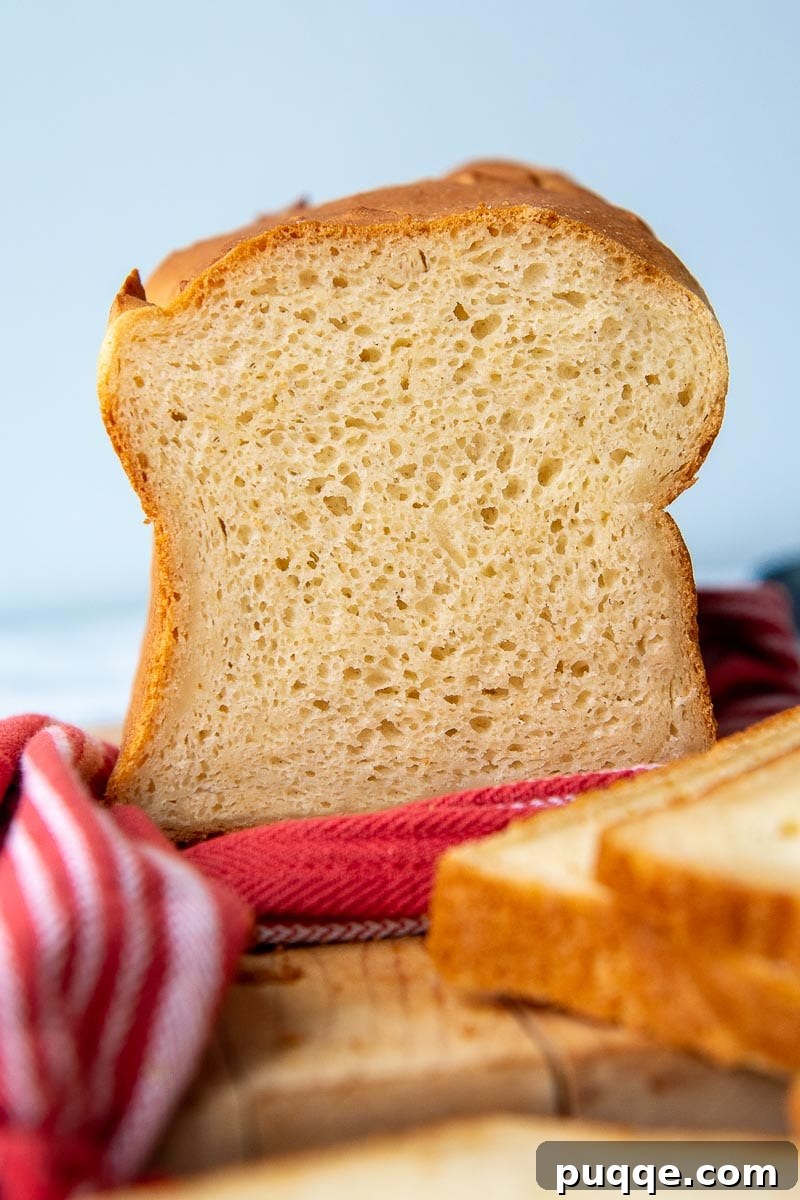
1. Legit Squishy-Soft Gluten-Free Bread Recipe
Get The Recipe
2. Softest Gluten-Free Hamburger Buns (Not Crumbly)
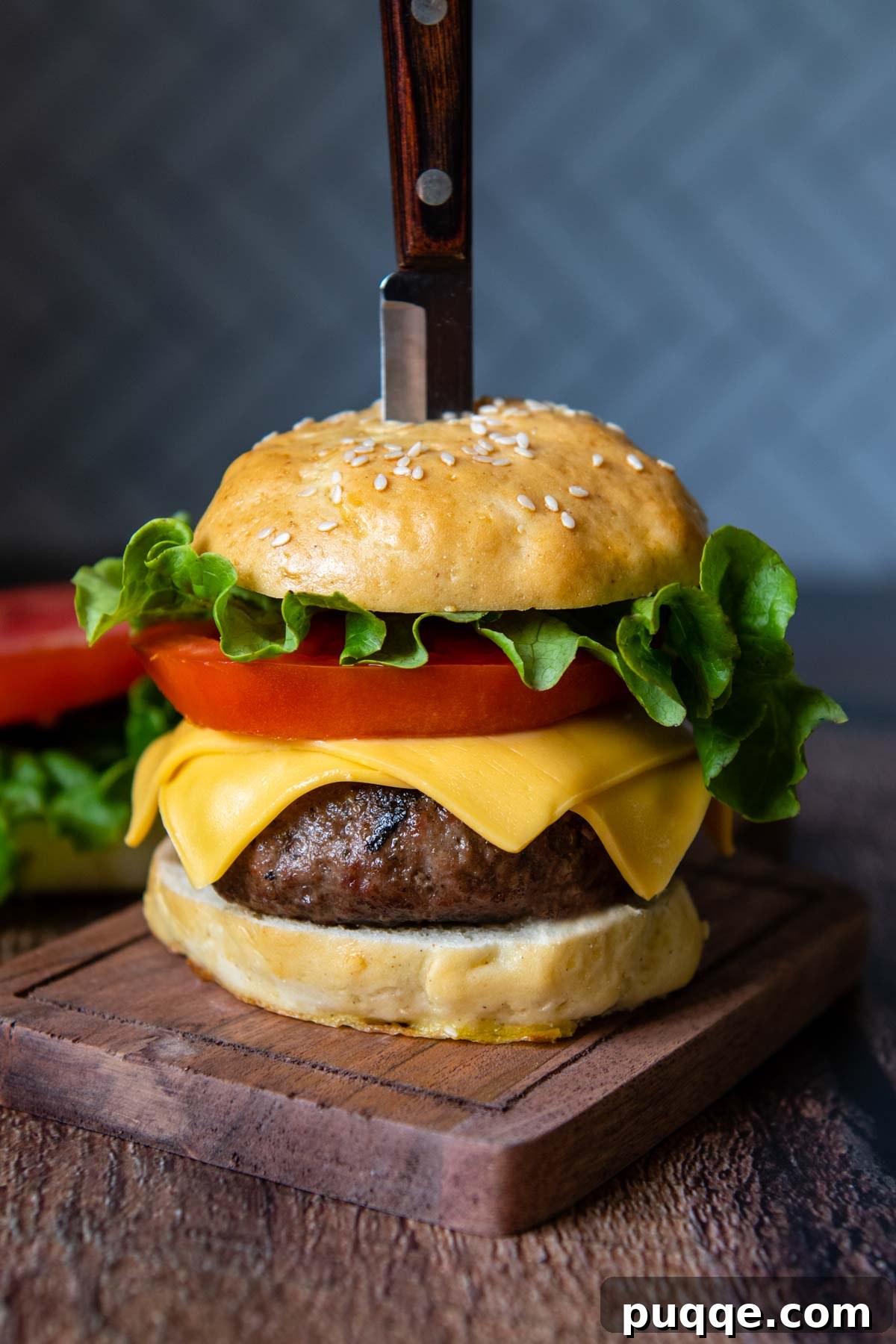
Get The Recipe
3. Softest Gluten-Free Breadsticks (Impossibly Easy)
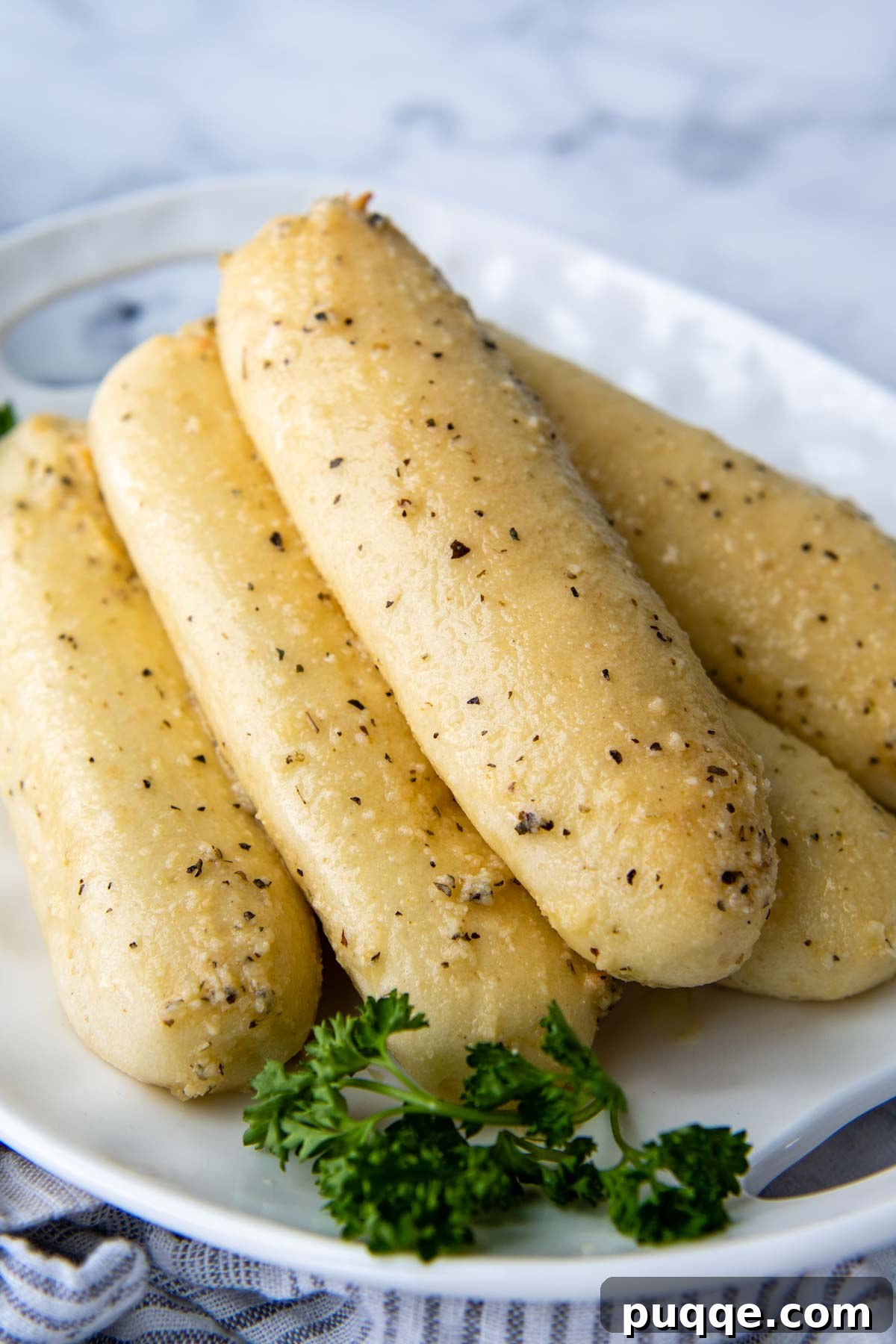
Get The Recipe
4. Squishy Soft Gluten-Free Rolls Recipe (1 Hour)
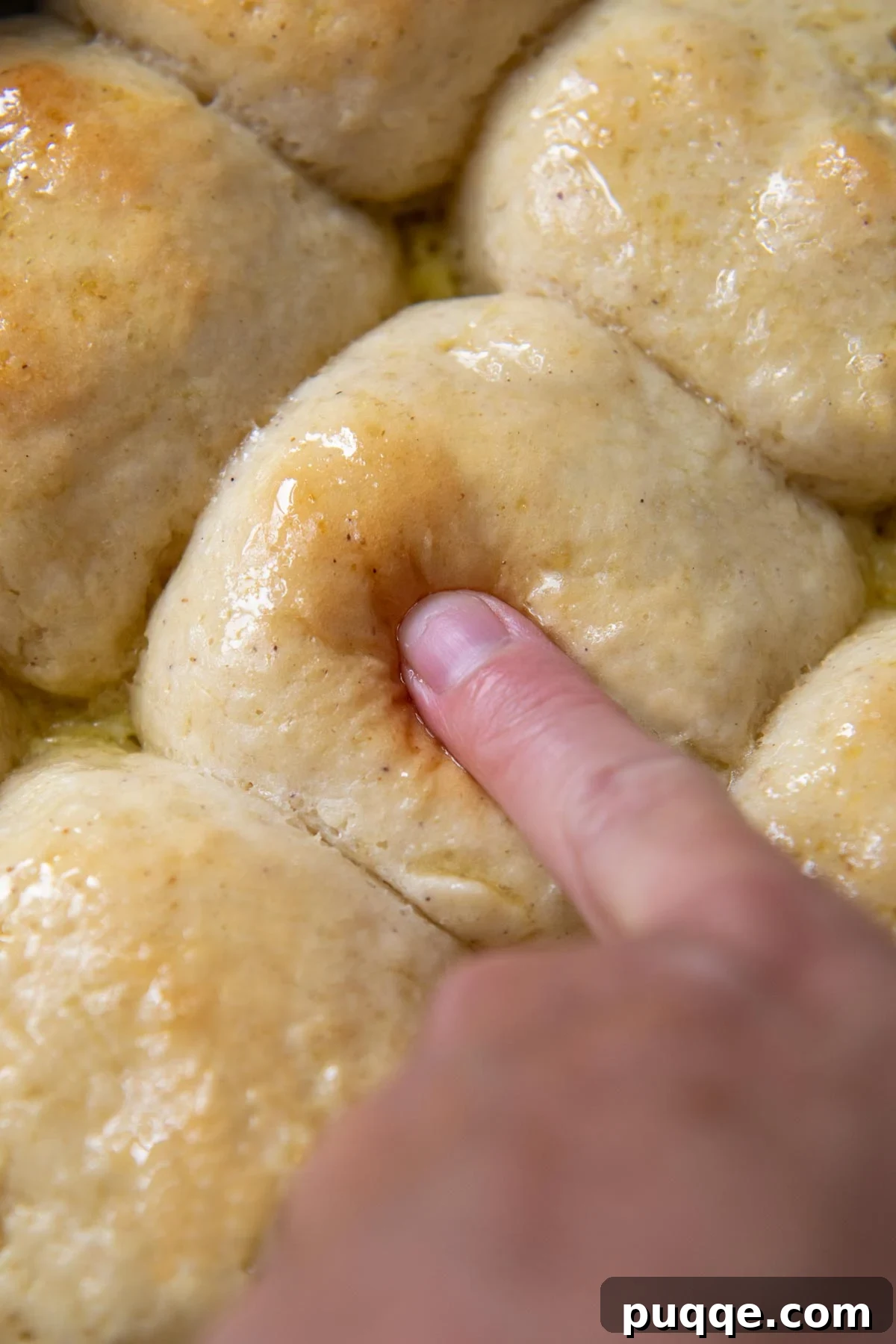
Get The Recipe
5. Squishy, Soft Gluten-Free Hot Dog Buns

Get The Recipe
6. Thick, Crispy Almond Flour Pizza Crust (30 Mins)

Get The Recipe
7. Simple, Fluffy Gluten-Free Flatbread (Extra Easy)
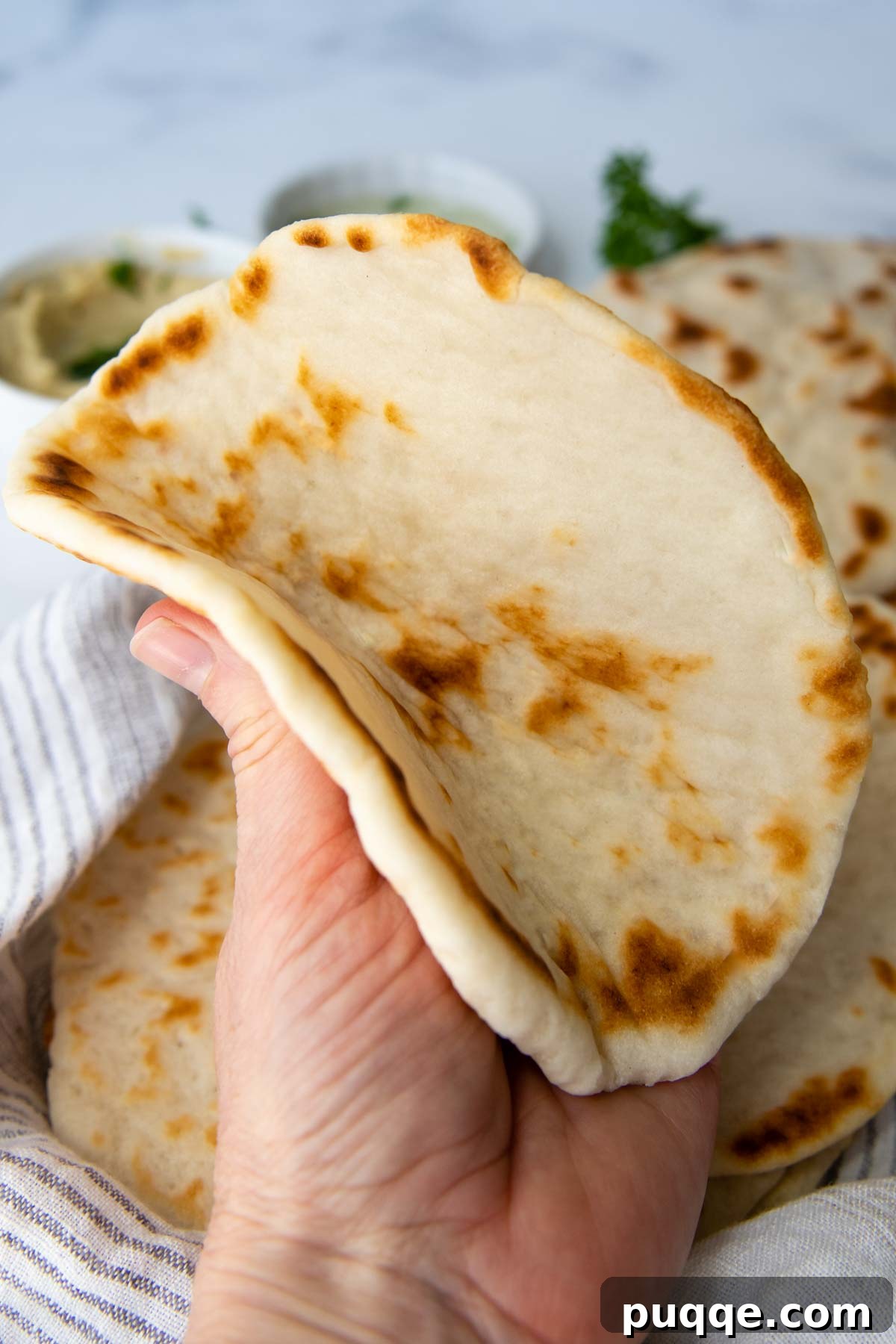
Get The Recipe
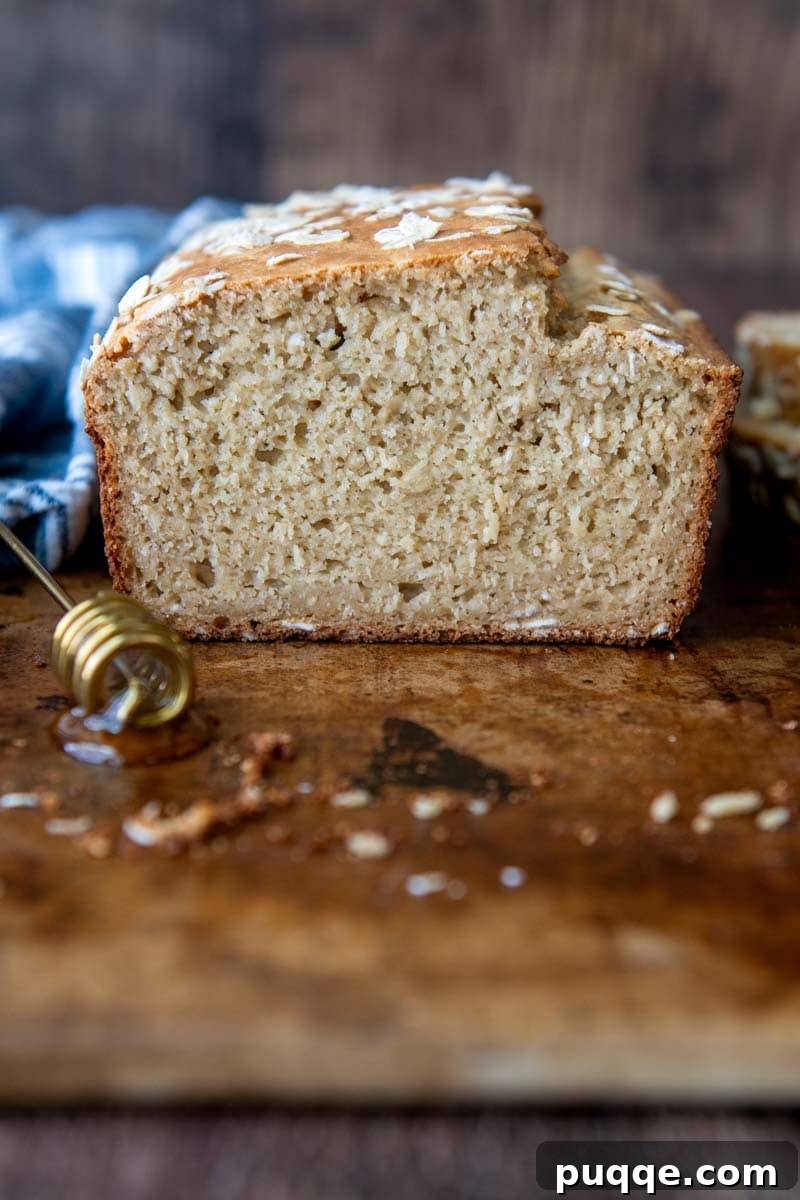
8. Fluffiest Oat Flour Bread (5 Minute Recipe)
Get The Recipe
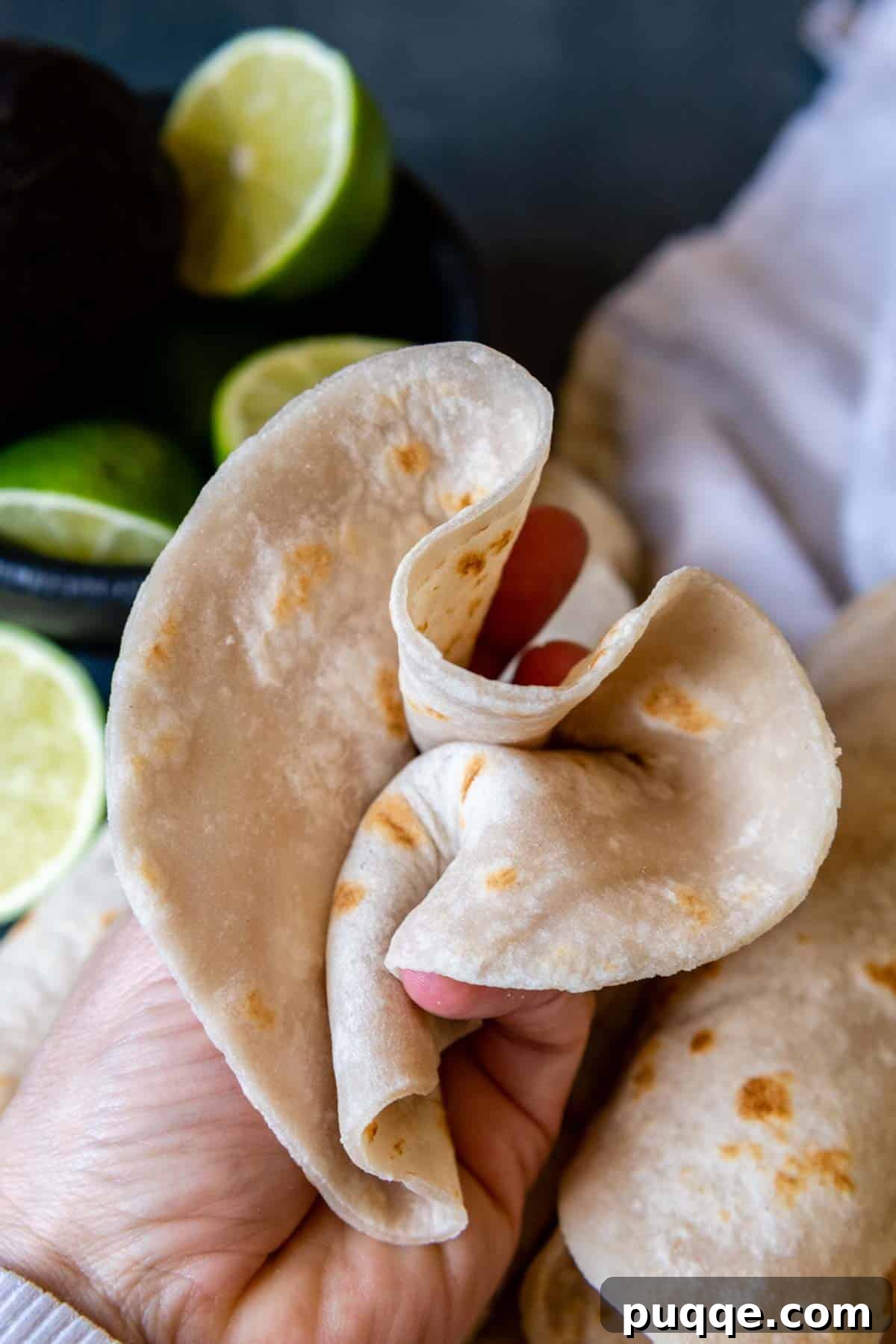
9. Soft, Authentic Gluten-Free Flour Tortillas (30 Mins)
Get The Recipe
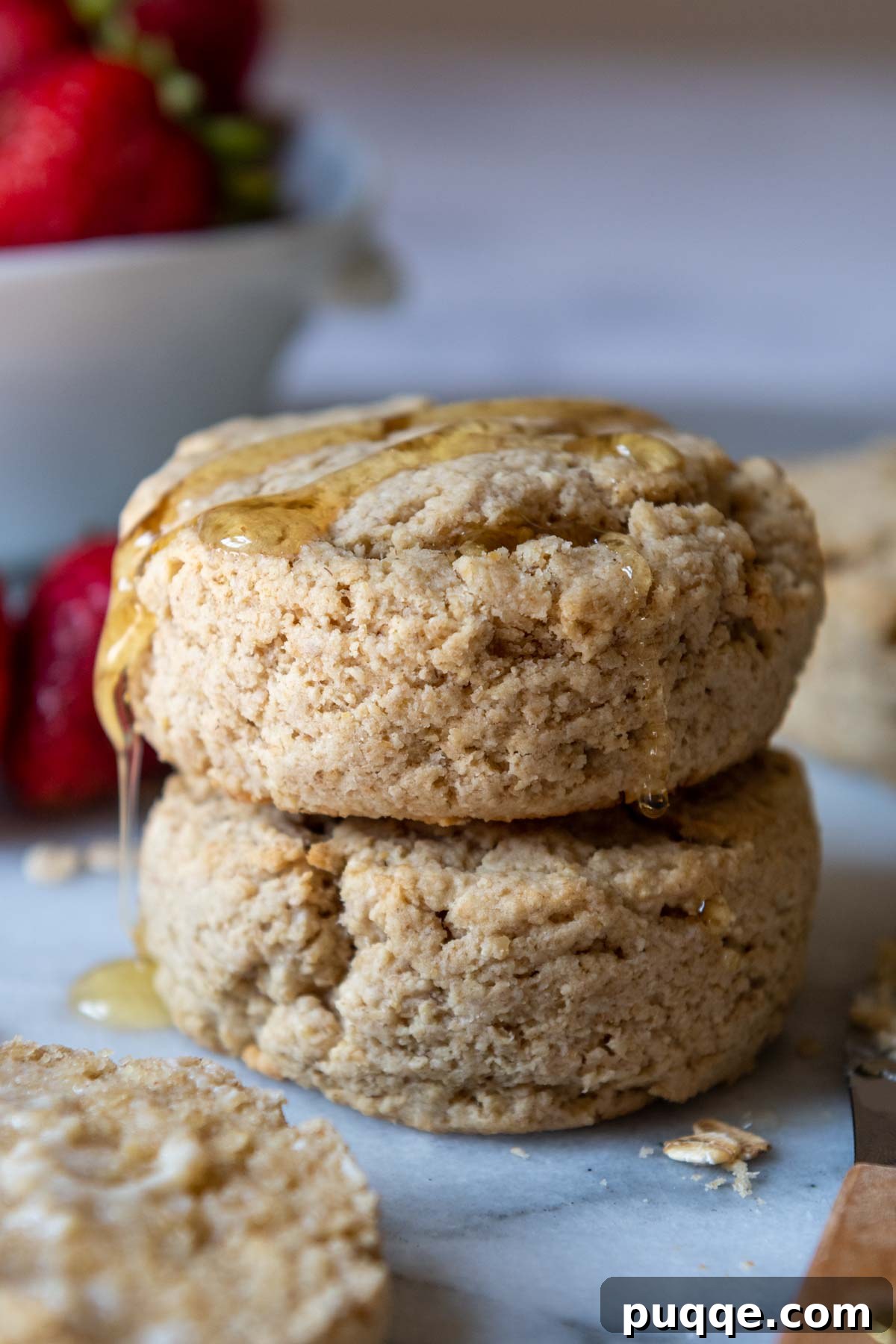
10. Fluffy Oat Flour Drop Biscuits (No Flour, Gluten-Free)
Get The Recipe
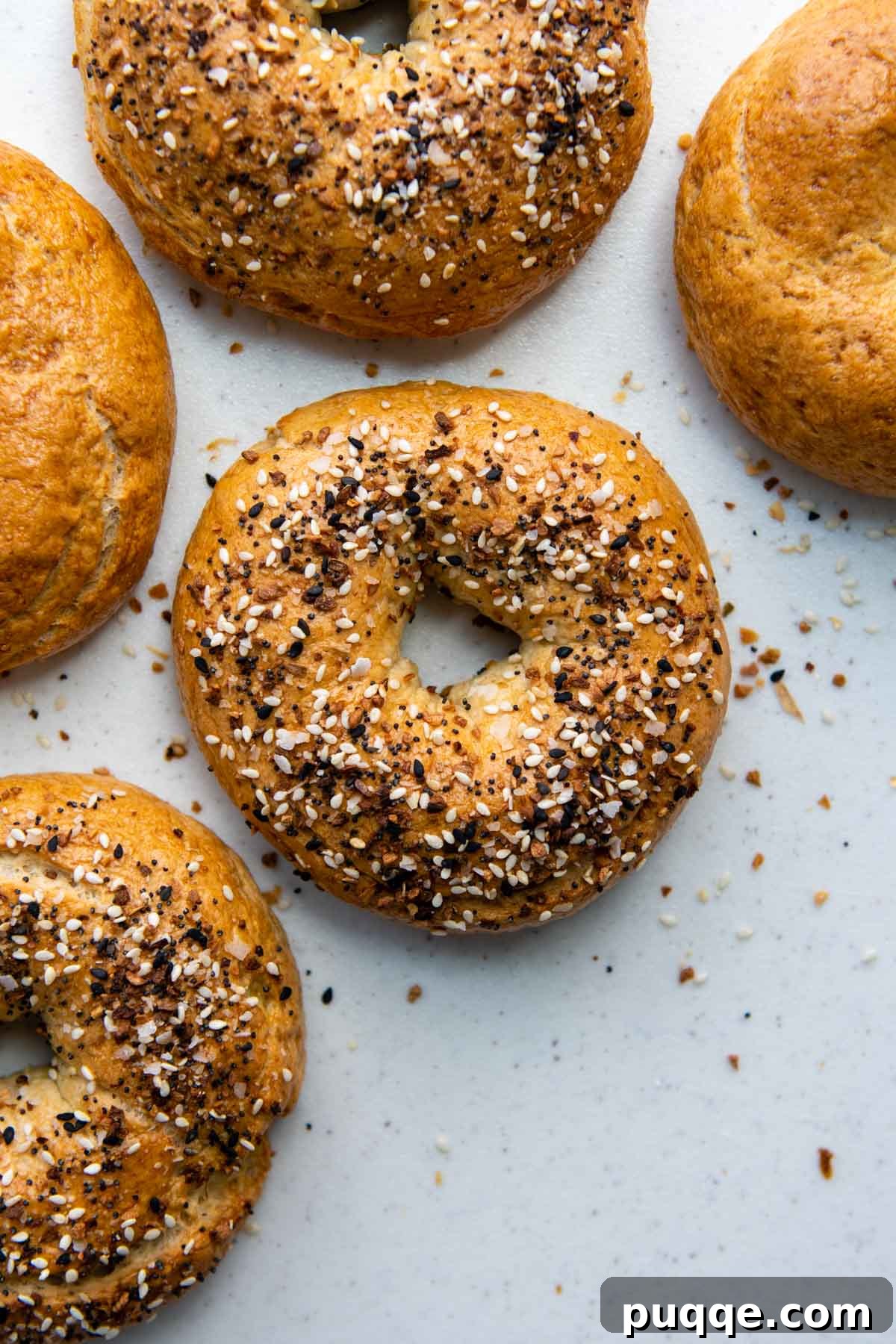
11. Best Gluten-Free Bagels Recipe (Soft & Doughy)
Get The Recipe
12. Soft, Flexible Almond Flour Tortillas (Easy Recipe)
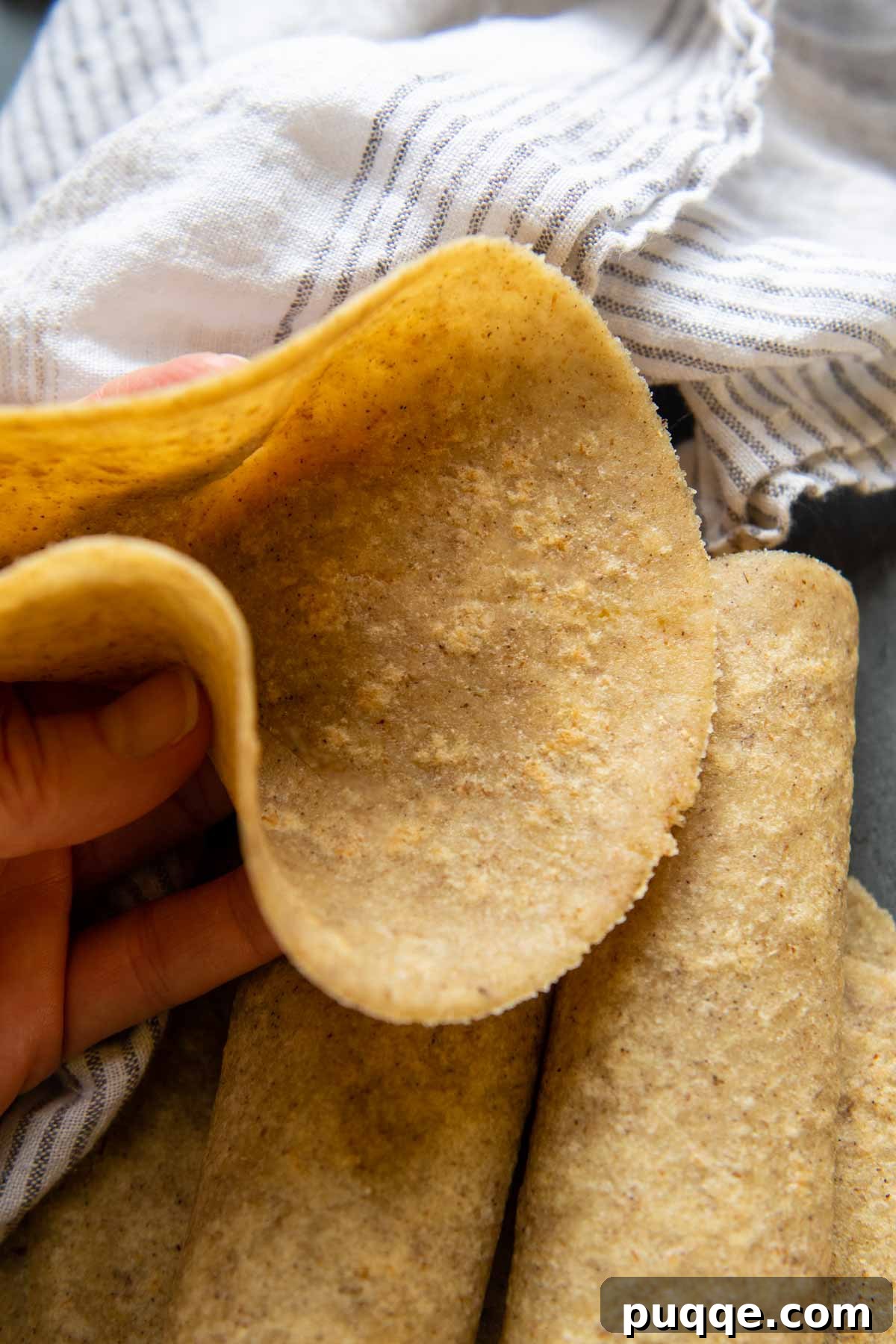
Get The Recipe
13. Soft Gluten-Free Garlic Knots (Under 1 Hour)
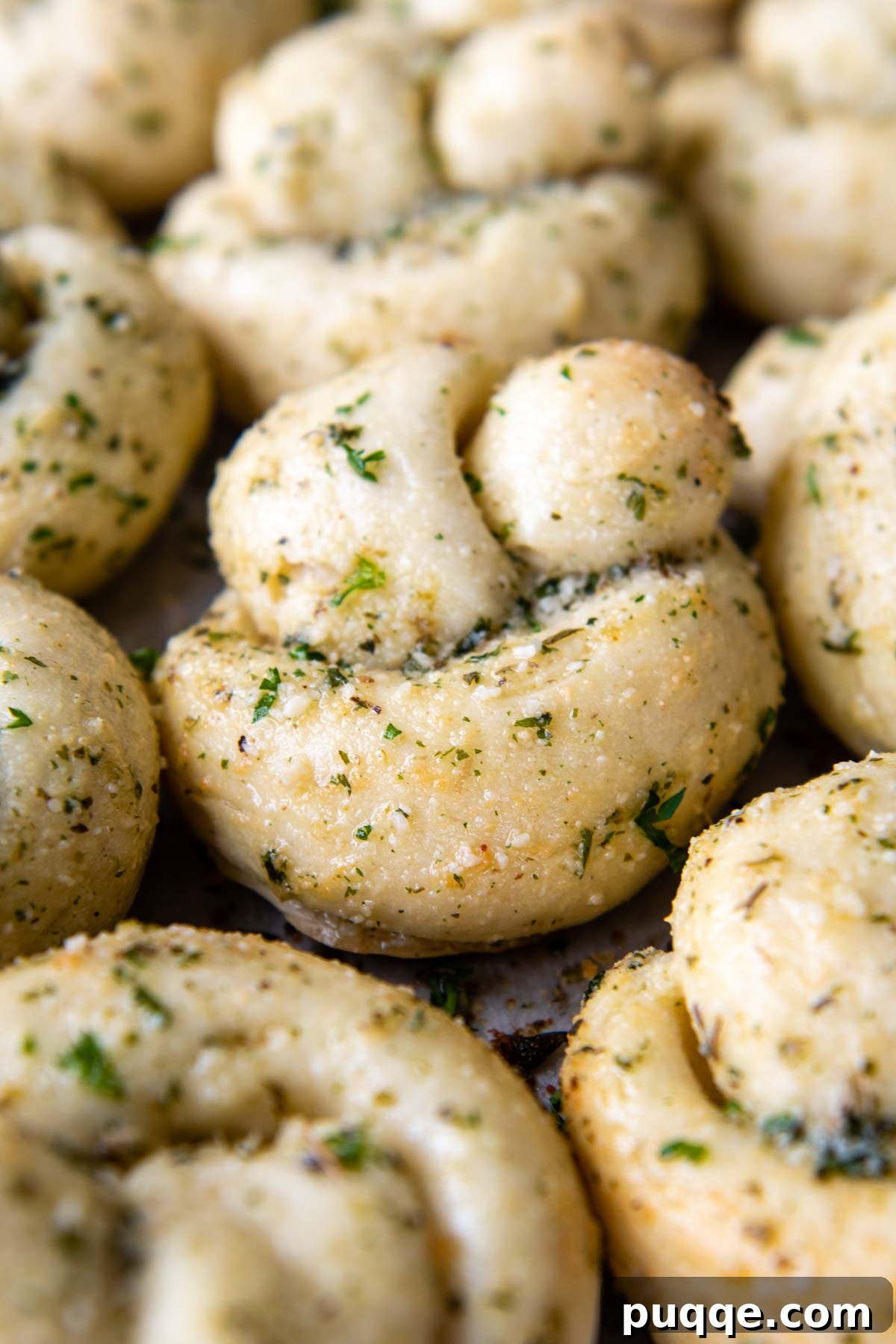
Get The Recipe
14. Gluten-Free Challah Bread: A Beginner’s Guide
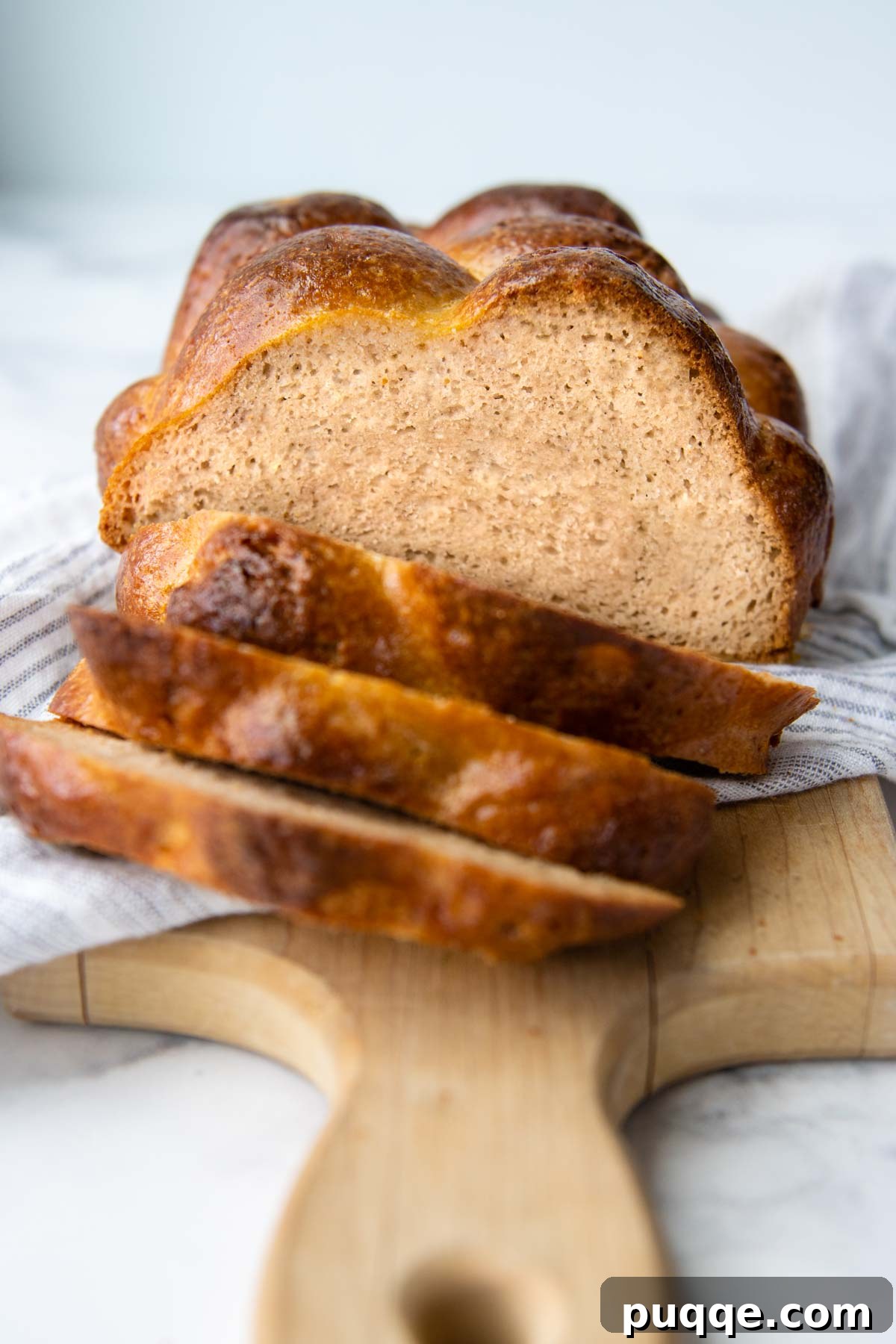
Get The Recipe
Save This Guide to Your Pinterest Board!
Let’s be friends on Pinterest! I’m always sharing fantastic gluten-free recipes and baking tips!