
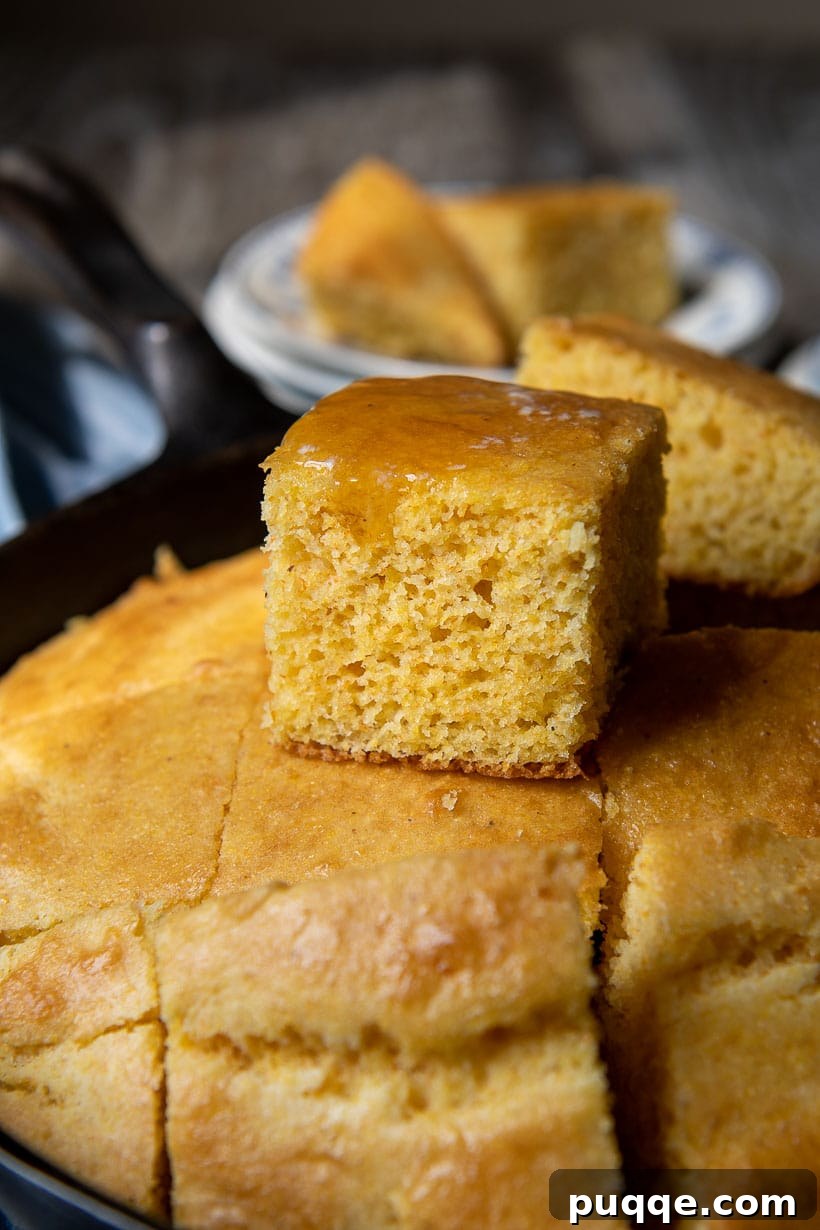
If you’ve been searching for that quintessential cornbread experience without the gluten, your quest ends here. This remarkable gluten-free cornbread recipe isn’t just a substitute; it’s a revelation, delivering the exact lightly sweet flavor and incredibly fluffy, tender, cake-like texture reminiscent of the beloved Jiffy mix. Say goodbye to dry, crumbly gluten-free baked goods. This easy homemade recipe calls for a handful of simple, readily available ingredients and takes less than 30 minutes to prepare from start to finish. The result is a cornbread so irresistibly good, your guests won’t even realize it’s a gluten-free creation. Prepare to impress everyone with this perfect, golden-brown loaf that’s ideal for any meal or occasion.
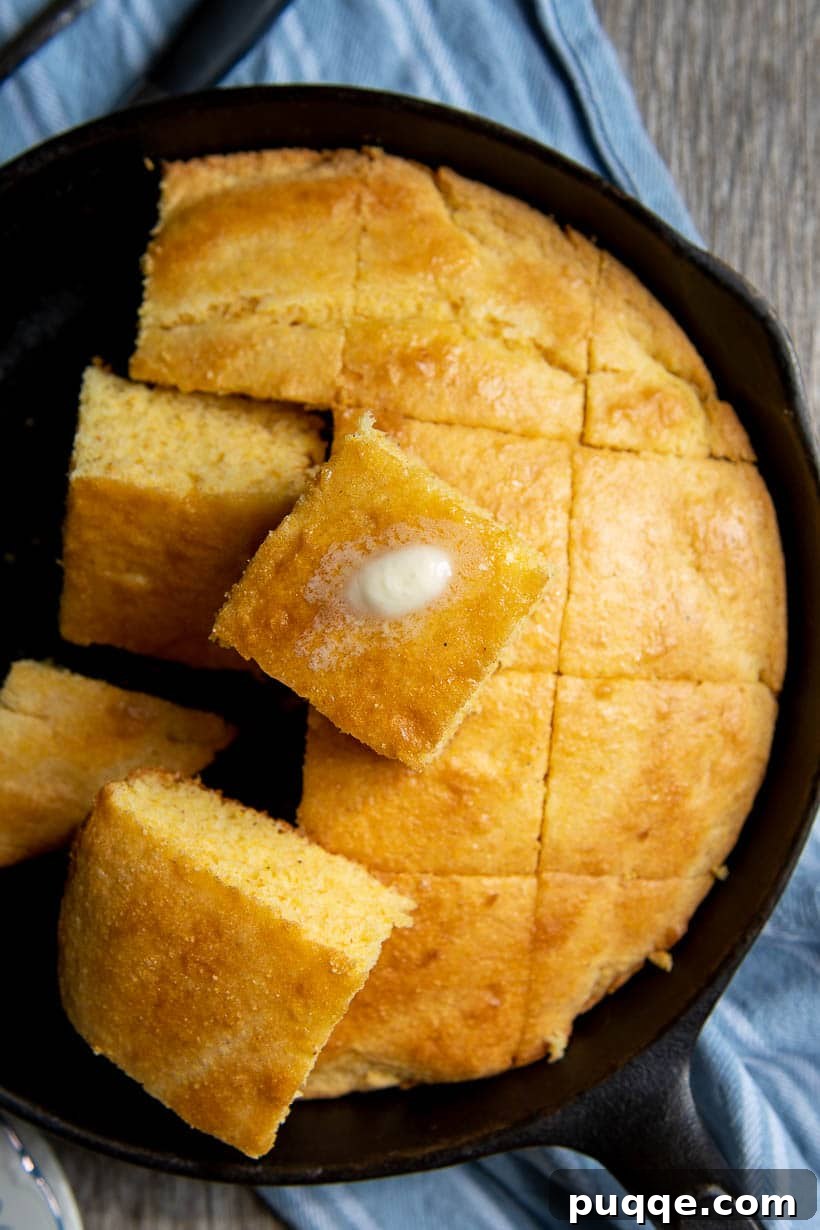
Mastering Gluten-Free Cornbread: A Copycat Jiffy Experience
Are you in a “Jiffy” to whip up some delicious gluten-free bread? Look no further! This simple, yet incredibly satisfying recipe for homemade gluten-free cornbread will quickly become your absolute favorite, eliminating the need for any store-bought mixes. We understand the longing for that classic cornbread taste and texture, especially when navigating a gluten-free diet. Many gluten-free versions fall short, often ending up dense, dry, or lacking in flavor. But this recipe is different. It’s engineered to mimic the light, airy, and slightly sweet profile of traditional cornbread, ensuring every bite is pure comfort.
What makes this gluten-free cornbread truly stand out is its simplicity and the use of everyday kitchen staples. You won’t need any exotic ingredients or complex techniques. Everything comes together in a single bowl with just a few minutes of prep time, making it the perfect last-minute addition to any meal. This versatile quick bread is an excellent companion for a wide array of dishes. Imagine dunking a warm, buttery piece into a hearty bowl of your favorite gluten-free soup. It’s an absolute game-changer with award-winning Buffalo Chicken Chili, our family’s beloved Stuffed Pepper Soup, or this highly-reviewed creamy Chicken and Dumpling Soup. The light sweetness and tender crumb complement savory flavors beautifully, creating a harmonious and utterly satisfying dining experience.
Just like the popular recipes featured in my gluten-free cookbook and across our website, the ingredients required for this cornbread are not only affordable but also incredibly easy to find at any grocery store. With cornmeal and a reliable gluten-free all-purpose flour blend always stocked in my pantry, this recipe has become my ultimate go-to emergency quick bread. It’s right up there with my homemade gluten-free bread recipe as one of the most frequently made and loved dishes on the site. Its reliability and delicious outcome make it a consistent winner for family meals and gatherings.
Join us as we dive into the process of making this incredibly easy homemade gluten-free cornbread. We’ll share many expert tips and tricks to ensure your cornbread turns out perfectly every single time, making this the only recipe you’ll ever need for moist, fluffy, and truly exceptional gluten-free cornbread. From ingredient selection to baking techniques, we’ll cover everything to help you achieve cornbread perfection.
My son has been on a GF diet for about 6 months and I started searching for recipes and found this cornbread! OMG, this is our new favorite cornbread, even of our old gluten laden variety. Hands down, the best. Old recipe was always crumbly and messy. This one, has a great texture and stays together, while staying moist.
—Darlene
Fluffy good cornbread! Texture is excellent, not dry and crumbly like most gluten free recipes.
—Tish
Understanding Your Ingredients for Perfect Gluten-Free Cornbread
Every great recipe starts with quality ingredients. For our outstanding gluten-free cornbread, understanding the role of each component is key to achieving that perfect Jiffy-like taste and texture. We’ve meticulously selected and tested each ingredient to ensure optimal results, and here’s a deeper dive into what you’ll need:
- Cornmeal – While cornmeal is inherently gluten-free, it is absolutely critical to check the label for a “certified gluten-free” designation. This ensures that the cornmeal has been processed in facilities free from cross-contamination with gluten-containing grains. Brands like Bob’s Red Mill and Arrowhead Mills are excellent choices, offering reliable gluten-free cornmeal products. The grind of your cornmeal will significantly impact the final texture of your cornbread. A finely ground cornmeal will result in a more delicate, cake-like crumb, perfect for achieving that signature fluffy texture. Conversely, a medium ground cornmeal will lend a courser, more rustic texture, which some prefer for a traditional southern-style cornbread. Choose according to your preference!
- Gluten-Free All-Purpose Flour – This is the backbone of our gluten-free cornbread. I personally use and highly recommend Cup4Cup gluten-free flour blend. Its inclusion of cornstarch is a secret weapon, contributing significantly to a wonderfully soft and tender crumb that’s often hard to achieve in gluten-free baking. However, don’t feel limited! Many readers have successfully experimented with their preferred gluten-free flour blends. If using a different brand, opt for a blend that is designed for “all-purpose” use and ideally contains xanthan gum or another binder, or add 1/2 teaspoon of xanthan gum per cup of flour if your blend doesn’t include it. The type of GF flour can greatly affect the outcome, so be prepared for slight variations if not using Cup4Cup.
- Granulated Sugar – The sugar in this recipe strikes the perfect balance for a lightly sweet cornbread, much like the Jiffy mix. If you prefer a more savory cornbread, feel free to reduce the amount of sugar. For those who enjoy a richer, natural sweetness, you can substitute the granulated sugar with an equal amount of honey or pure maple syrup. These liquid sweeteners will also impart a subtle depth of flavor.
- Milk – Milk adds essential moisture and contributes to the tender texture. To make this an entirely dairy-free gluten-free recipe, simply substitute regular milk with your favorite dairy-free alternative, such as unsweetened almond milk, oat milk, or coconut milk (from a carton, not canned). For an added tangy flavor profile that many southern cornbreads feature, replace the regular milk with an equal amount of buttermilk. If you don’t have buttermilk on hand, you can easily make your own by adding one tablespoon of lemon juice or white vinegar to regular milk and letting it sit for 5-10 minutes until it slightly curdles.
- Butter – Rich, melted butter is crucial for flavor and moisture. For a dairy-free version, substitute regular butter with a high-quality dairy-free butter alternative, vegan butter, vegetable oil, or melted coconut oil. Ensure your chosen substitute is unsalted if you are using unsalted butter in the original recipe to control the sodium content.
- Eggs – Large eggs provide structure and richness to the cornbread, helping it rise and achieve that fluffy texture. Ensure your eggs are at room temperature for better incorporation into the batter.
- Baking Powder & Baking Soda – These leavening agents are vital for the lift and airy texture. Baking powder reacts with liquid and heat, while baking soda requires an acid (like buttermilk if using, or the natural acidity in some gluten-free flours) to activate. Together, they create the perfect rise.
- Salt – A pinch of salt enhances all the other flavors, balancing the sweetness and bringing out the natural goodness of the cornmeal.
Let’s Bake This Together: Your Guide to Effortless Gluten-Free Cornbread!
If you’ve been relying on traditional cornbread mixes like Jiffy but are now committed to a gluten-free lifestyle, you are in for a treat. This recipe is so incredibly straightforward and foolproof that you’ll be amazed at how effortlessly you can achieve bakery-quality results at home. Once you master this simple homemade gluten-free cornbread, you’ll never feel the need to purchase a gluten-free cornbread mix again. Let’s walk through each step to ensure your cornbread is nothing short of perfect.
Easy Peasy – First Whisk Dry Ingredients
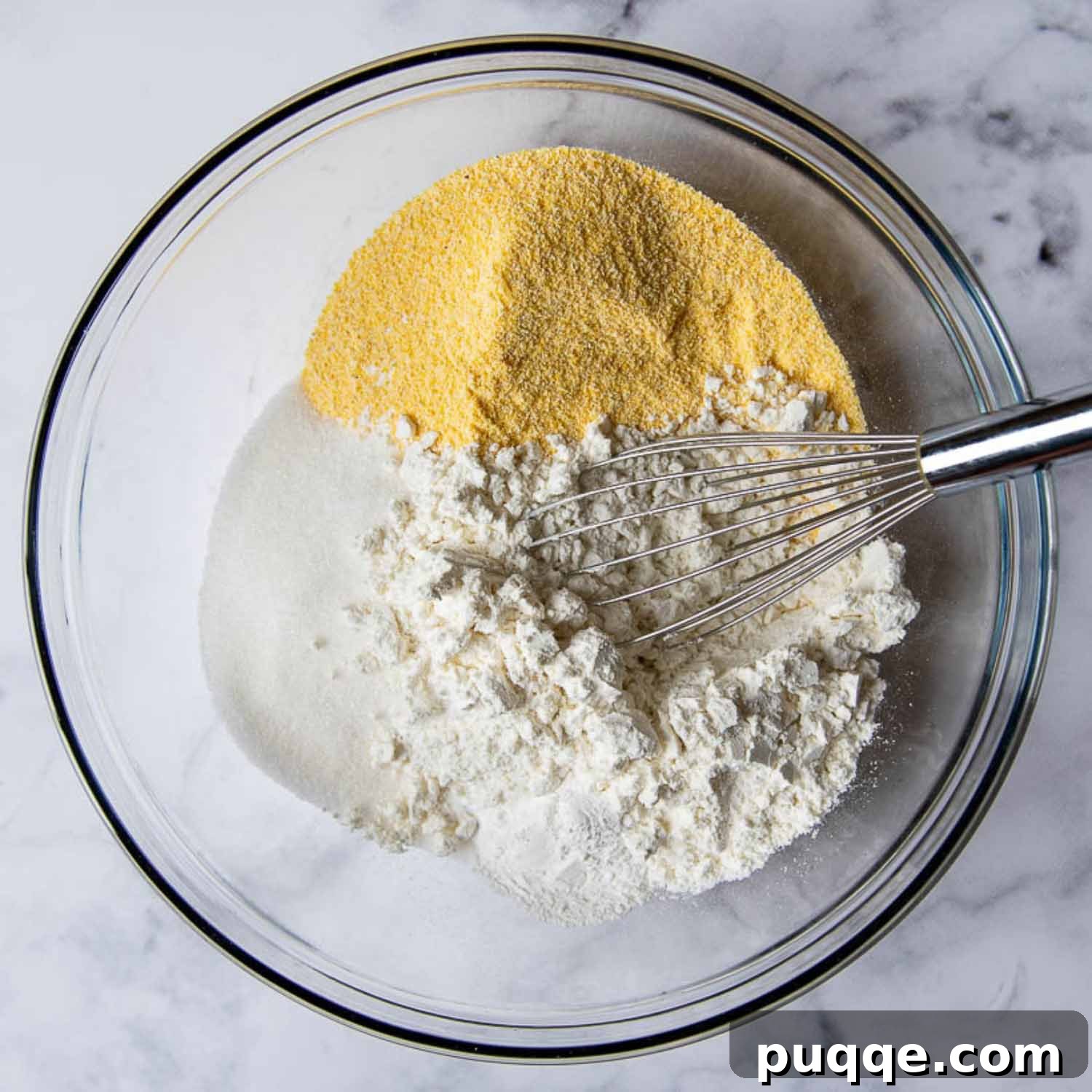
The first step to any great quick bread is properly combining your dry ingredients. In a large mixing bowl, combine the cornmeal, gluten-free all-purpose flour, granulated sugar, baking powder, baking soda, and salt. Whisk them together thoroughly until they are well combined and there are no visible lumps. This ensures that the leavening agents and flavorings are evenly distributed throughout the batter, leading to a consistent rise and flavor in every slice. For a truly fluffy gluten-free cornbread, stick to the specified amounts of flour and cornmeal in the recipe card. However, for a slightly more cake-like texture, you can adjust the ratio by using 1 ¼ cups of gluten-free flour with ¾ cup of cornmeal.
Create a Well for Liquid Ingredients
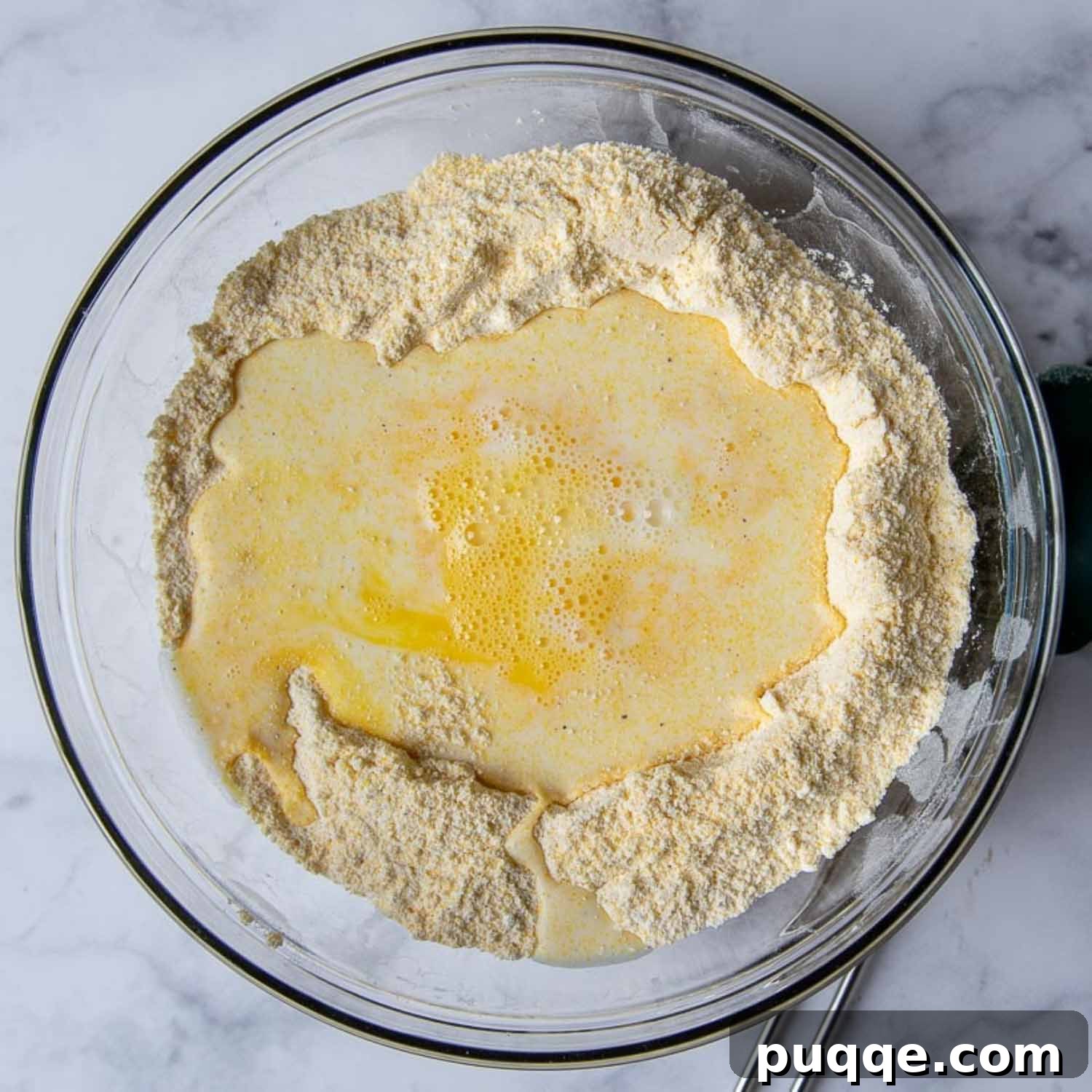
To save yourself an extra bowl (and dishes!), there’s no need to whisk the liquid ingredients separately. Simply use a spoon or your whisk to push the dry ingredients towards the sides of the bowl, creating a clear “well” in the center. Into this well, pour the milk and the lightly beaten eggs. This method allows for a gradual incorporation of wet into dry, helping to prevent overmixing, which can lead to tough cornbread. Stir gently from the center outwards, gradually incorporating the dry ingredients until just combined. A few small lumps are perfectly fine and even desirable – overmixing develops gluten (even in GF flours to some extent) and can result in a less tender crumb.
Finally, Mix in the Melted Butter
The final wet ingredient to add is the melted butter. It’s crucial that the butter is melted and then cooled slightly before you add it to the batter. Hot butter could potentially scramble the eggs or react prematurely with the leavening agents, affecting the texture. Stirring it in at the very end minimizes the chance of the butter re-solidifying when it comes into contact with the cooler ingredients in the bowl. Mix just until the butter is fully incorporated and the batter is smooth. Avoid vigorous mixing; a gentle hand is all you need to bring this delicious cornbread batter together.
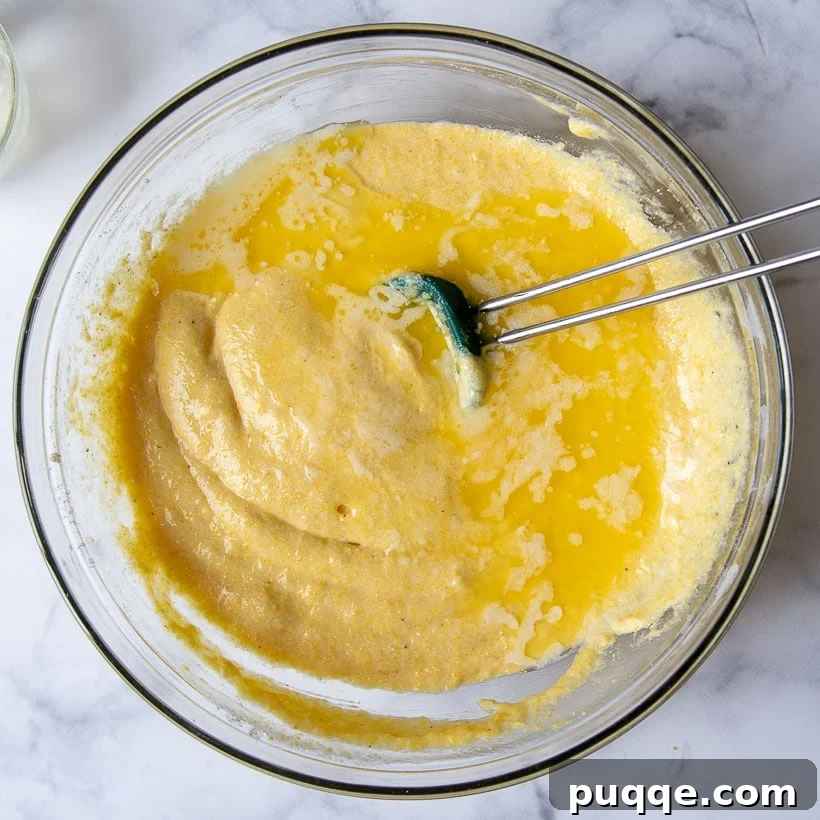
Unlocking Perfect Texture: Our Favorite Baking Methods
Achieving the perfect texture in gluten-free cornbread often comes down to a few simple yet powerful baking techniques. These are my secret weapons for ensuring your cornbread is moist on the inside with those irresistible crispy edges, mimicking the best of traditional cornbread. Mastering these methods will elevate your homemade gluten-free cornbread to new heights.
First and foremost, let’s talk about the pan. While you are busy mixing together your glorious cornbread batter, take a moment to preheat your greased baking pan in the oven for about 10 minutes. This method, often referred to as “preheating the pan,” is a game-changer, especially when using a cast iron skillet. Pouring the batter into a hot, buttered pan instantly starts the cooking process on the bottom and sides, creating a beautifully golden, crispy crust that’s utterly delicious. The sizzling sound as the batter hits the hot metal is a promise of good things to come! This technique ensures a superior texture, preventing a soggy bottom and adding a delightful contrast to the tender interior.
Secondly, a step that many bakers often skip but is crucial for gluten-free baking: let the batter rest for 5-10 minutes before transferring it to the oven. Why is this so important? This brief resting period allows time for a few magical things to happen. It gives the baking powder ample time to activate, contributing to a better, more consistent rise. More importantly for gluten-free flours, it provides an opportunity for the starches in the flour blend and cornmeal to fully hydrate. Proper hydration is key to preventing dry, crumbly cornbread. When the starches absorb enough liquid, they swell, creating a moist, tender crumb that stays together beautifully. Think of it as giving your batter a little head start to become its best self. These two simple steps—preheating your pan and resting your batter—will truly make all the difference in achieving an epically good, uber fluffy, and moist gluten-free cornbread.
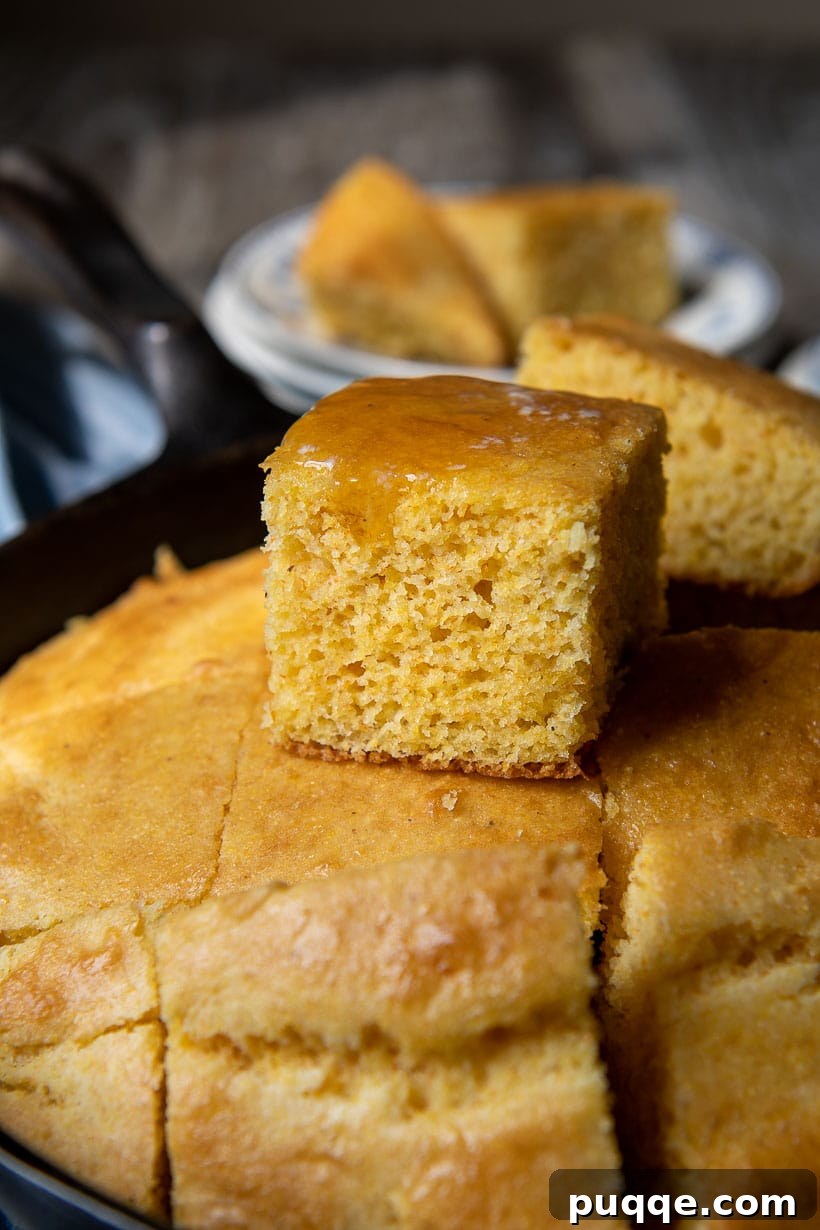
Elevate Your Cornbread: Yummiest Serving Suggestions and Flavor Modifications
Once your gluten-free cornbread emerges from the oven, golden and fragrant, the real fun begins! This versatile bread is a blank canvas for a myriad of delicious additions and serving styles. Whether you crave something sweet, savory, or spicy, there’s a perfect modification waiting for you. Here are some of our favorite ways to enjoy and customize this delightful cornbread:
- Classic Servings: The simplest pleasures are often the best. Serve your cornbread warm, straight from the pan, with a generous pat of softened butter melting into its tender crumb. For a touch of sweetness, a drizzle of golden honey or a spoonful of your favorite fruit jam or preserves is divine. These classic pairings truly highlight the natural flavors of the cornbread.
- Quick Honey Butter: Take your butter game to the next level with a homemade honey butter. It’s incredibly easy to make and adds an unparalleled richness and sweetness. Simply mix together ¼ cup of softened unsalted butter with 2 tablespoons of honey and a tiny pinch of salt. Whisk until light and fluffy, then slather it generously on warm cornbread. This luxurious spread is sure to be a crowd-pleaser!
- Spicy Jalapeño Cornbread: For those who love a bit of a kick, transform your cornbread into a spicy delight. Simply stir in 1-2 freshly minced jalapeño peppers into the batter before baking. For a milder heat, remove the seeds and white membranes from the jalapeños before mincing. The subtle heat of the peppers complements the cornbread’s sweetness beautifully, creating a savory-spicy contrast that’s addictive.
- Savory Bacon Cornbread: Indulge in the irresistible combination of sweet and savory with bacon cornbread. Instead of granulated sugar, sweeten the batter with an equal amount of pure maple syrup, which pairs wonderfully with pork. Then, stir in 6 slices of cooked and crumbled bacon. For an extra touch of crispiness and flavor, sprinkle additional chopped bacon over the top of the batter before it goes into the oven. This creates a deeply flavorful cornbread that’s perfect for breakfast, brunch, or alongside a hearty chili.
- Cheesy Cheddar Cornbread: For a truly comforting and savory option, turn your cornbread into a cheesy masterpiece. Fold 1 cup of freshly grated sharp cheddar cheese into the batter. The sharpness of the cheddar cuts through the richness of the cornbread, adding a fantastic depth of flavor. Before baking, sprinkle a bit more cheddar cheese over the top of the batter to create a golden, bubbly cheese crust. This is an excellent choice to serve with soups, stews, or any main dish where a savory bread is desired.
- Extra Sweet Cornbread: While the recipe already includes sugar for a lightly sweet profile, you can easily adjust the sweetness to your liking. If you prefer a noticeably sweeter cornbread, increase the amount of granulated sugar by an extra 1-2 tablespoons. Conversely, if you want a less sweet version, you can reduce the sugar by the same amount. Taste the batter before baking (without the raw egg, of course!) to get a sense of the sweetness level.
Achieving Your Desired Texture: Extra Fluffy or Rustic Southern-Style?
One of the fantastic aspects of this gluten-free cornbread recipe is its adaptability, especially when it comes to texture. You can easily customize it to be either super fluffy and cake-like or embrace a more rustic, true southern-style crumb. It’s a simple adjustment, and I find myself doing it all the time, depending on my mood or what I’m serving it with.
If you’re craving a softer, more delicate, and cakey crumb that melts in your mouth—much like the Jiffy mix inspiration—the key lies in the flour-to-cornmeal ratio. For this particular texture, use a higher proportion of gluten-free all-purpose flour. Specifically, aim for 1 ¼ cups of gluten-free flour and ¾ cup of cornmeal. The higher flour content, especially with a finely ground cornmeal, contributes to a lighter, more tender, and less dense cornbread. This version is fantastic for breakfast, with coffee, or as a sweet treat.
On the other hand, if your preference leans towards a coarser, more traditional, rustic southern cornbread, you’ll want to flip that ratio. For this hearty texture, use 1 ¼ cups of cornmeal and ¾ cup of gluten-free flour. This higher cornmeal content will give you a denser, more textured bread with a pronounced corn flavor and a slightly firmer bite. It’s the perfect accompaniment to savory stews, barbecue, or any meal where you want a robust, old-fashioned cornbread. You can also adjust the amount of sugar to fit each version; a rustic cornbread often benefits from less sugar, while a cakey one can handle a bit more sweetness.
Transforming Cornbread into Delicious Gluten-Free Stuffing
This versatile gluten-free cornbread recipe is not only fantastic on its own but also serves as the perfect foundation for a truly exceptional gluten-free cornbread dressing or stuffing. It’s an essential component for holiday meals and any occasion where a flavorful, tender stuffing is desired, especially when catering to gluten-free dietary needs. The process is simple and yields a stuffing that’s both comforting and full of character.
To prepare your cornbread for stuffing, you’ll first need to adjust the sweetness of the base recipe. Omit the sugar entirely from the cornbread recipe, or at least halve the amount, depending on your stuffing’s flavor profile. For a truly savory stuffing, removing the sugar is best. Bake the cornbread according to the recipe instructions and then allow it to cool completely. This cooling step is important to prevent steam from making your cubes soggy during the drying process.
Once cooled, cut the cornbread into small, uniform cubes, about ½ to 1 inch in size. Spread these cubes out evenly on a large baking sheet. The goal now is to dry out the cornbread cubes so they can absorb the flavorful liquids of your stuffing recipe without becoming mushy. You have a couple of options for drying: You can leave the cornbread cubes out at room temperature for 1-2 days, allowing them to air dry and become delightfully stale. Alternatively, for a quicker method, bake them in a 250°F (120°C) oven for 30-45 minutes, tossing them gently every 10-15 minutes to ensure even drying. They should feel firm and dry to the touch, but not overly browned.
Once your gluten-free cornbread cubes are perfectly dried, they are ready to be used in your favorite stuffing recipe. This method ensures your gluten-free stuffing will be packed with flavor and have an ideal texture that holds up well, making it indistinguishable from traditional versions. This recipe truly provides a fantastic and reliable base for all your gluten-free culinary adventures!
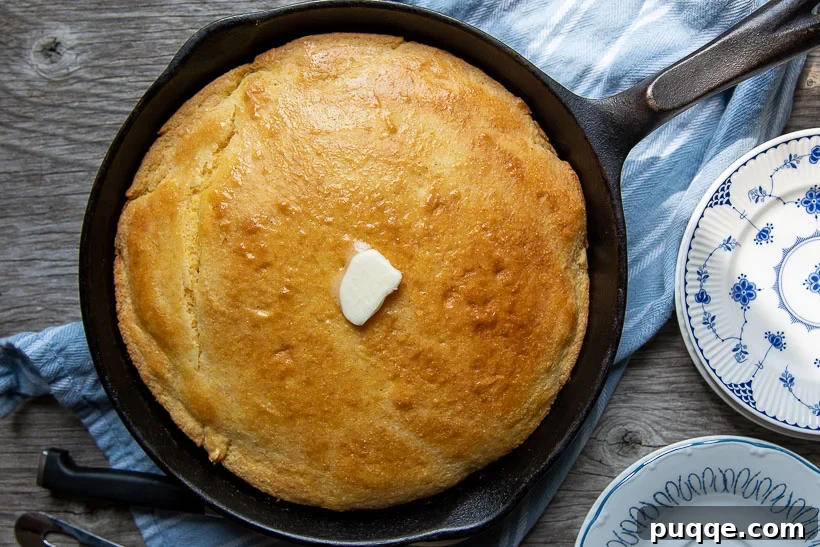
Don’t Forget to Pin This Recipe for Later!
Loved this recipe? Make sure to save it to your Pinterest board so you can easily find it whenever a cornbread craving strikes or when you need a reliable gluten-free option for your next meal!
Let’s be friends on Pinterest! I’m always sharing great recipes and culinary inspiration!
Did you make this recipe? We absolutely love hearing from you! Your feedback is invaluable and helps others in our community discover fantastic recipes. Please leave a star rating and comment below the recipe card to share your experience. I promise you’ll always hear back from me! -Melissa
Uber Fluffy, Moist Gluten-Free Cornbread (Like Jiffy!)
 Melissa Erdelac
Pin
Rate
Remove Ads
Ingredients
- 1 cup (150 g) cornmeal, (Use certified gluten-free cornmeal to ensure safe processing)
- 1 cup (146 g) gluten free all purpose flour, (I recommend Cup4Cup gluten-free brand)
- ⅓ cup (67 g) granulated sugar
- 2 teaspoons baking powder
- ½ teaspoon baking soda
- ¼ teaspoon salt
- 2 large eggs, lightly beaten
- 1 cup (245 g) milk, regular or dairy-free
- 4 tablespoons (57 g) melted and cooled butter, (see recipe notes for dairy-free)
- additional butter, for greasing
Equipment
-
Iron Skillet
-
Gluten Free Cornmeal
-
Cup 4 Cup Gluten Free Flour
Instructions
-
Preheat oven to 375ºF (190°C). Generously grease a 10-inch cast iron skillet or an 8×8 inch baking pan with about 1/2 tablespoon of butter. Place this prepared pan on the middle rack of your oven while it preheats. This crucial step ensures the pan gets piping hot, helping to create a beautifully crispy crust on your cornbread.
-
In a large mixing bowl, whisk together the cornmeal, gluten-free all-purpose flour, granulated sugar, baking powder, baking soda, and salt until all ingredients are thoroughly combined and no lumps remain. This ensures even distribution of the leavening agents and flavor.1 cup (150 g) cornmeal, 1 cup (146 g) gluten free all purpose flour, ⅓ cup (67 g) granulated sugar, 2 teaspoons baking powder, ½ teaspoon baking soda, ¼ teaspoon salt
-
Create a well in the center of the dry ingredients by pushing them towards the sides of the bowl. Add the milk and lightly beaten eggs to this well. Gently stir from the center, gradually incorporating the dry ingredients until just combined. Be careful not to overmix, as this can lead to a tough texture.2 large eggs, 1 cup (245 g) milk
-
Finally, pour in the melted and cooled butter. Stir gently until it is fully incorporated into the batter. Let the batter rest at room temperature for 5-10 minutes. This resting period allows the leavening agents to activate and the flours to hydrate, resulting in a moister and fluffier cornbread.4 tablespoons (57 g) melted and cooled butter
-
Carefully remove the hot pan from the oven. Pour the cornbread batter into the hot, greased pan and gently smooth the top evenly with a spatula. Immediately place the pan back into the preheated oven. Bake for approximately 18-20 minutes, rotating the pan halfway through for even cooking. If you are not using a cast iron skillet, baking time might be a few minutes longer. The cornbread is done when a toothpick inserted into the center comes out clean.
Notes
To bake gluten-free corn muffins using this recipe, please refer to the linked recipe for specific instructions on baking time and temperature for muffins.
Storing and Freezing Tips for Gluten-Free Cornbread
Once your delicious gluten-free cornbread has completely cooled to room temperature, store it in an airtight container. It will remain fresh and moist for up to 2 days. It’s important not to store cornbread in the refrigerator, as the cold air can dry it out quickly, making it crumbly and less appealing.
For optimal freshness and to prolong its shelf life, I highly recommend freezing any leftover gluten-free baked goods as soon as they have cooled. Gluten-free items tend to dry out more quickly than their gluten-containing counterparts. To freeze, wrap individual slices or the entire loaf tightly in plastic wrap, then place them in a freezer-safe bag or container. This will protect them from freezer burn. Your frozen cornbread can be stored for up to 3 months. When ready to enjoy, simply thaw at room temperature or gently reheat in the oven or microwave.
Dairy-Free Modifications for Gluten-Free Cornbread
Making this gluten-free cornbread dairy-free is quite straightforward. For the milk, substitute a non-dairy milk alternative such as unsweetened almond milk, oat milk, or coconut milk (from a carton, not canned). For the butter, use a high-quality dairy-free butter substitute, vegan butter, vegetable oil, or an equal amount of melted coconut oil. It’s always a good practice to check the ingredient labels of your gluten-free flour blend, as some blends may contain milk powder. Opt for a certified dairy-free and gluten-free blend if you have strict dietary requirements.
This post contains affiliate links. My opinions are always my own. If you purchase a product through an affiliate link, I make a small commission – at no cost to you. Read full disclosure policy here.