
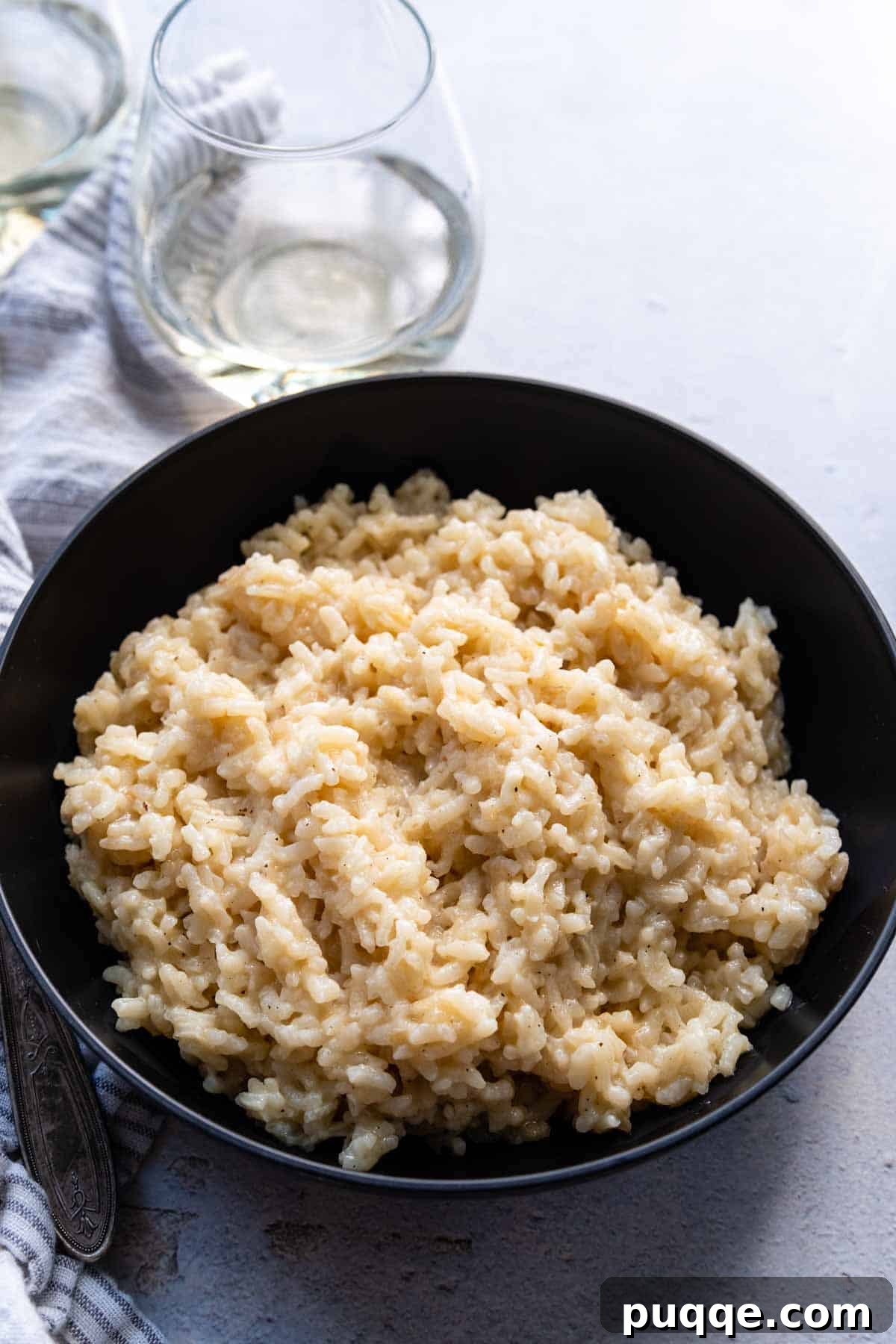
Unlock the secret to crafting the most luscious, incredibly creamy gluten-free risotto with this brilliantly simple, no-stir, oven-baked recipe! Bid farewell to tedious stirring and embrace an effortless method that consistently delivers restaurant-quality results. This comprehensive guide provides indispensable tips for making risotto genuinely gluten-free, including identifying safe brands, crucial aspects to scrutinize in any risotto recipe, and a plethora of exquisite flavor additions and modifications to elevate your culinary creation.
Mastering the Art of Gluten-Free Risotto
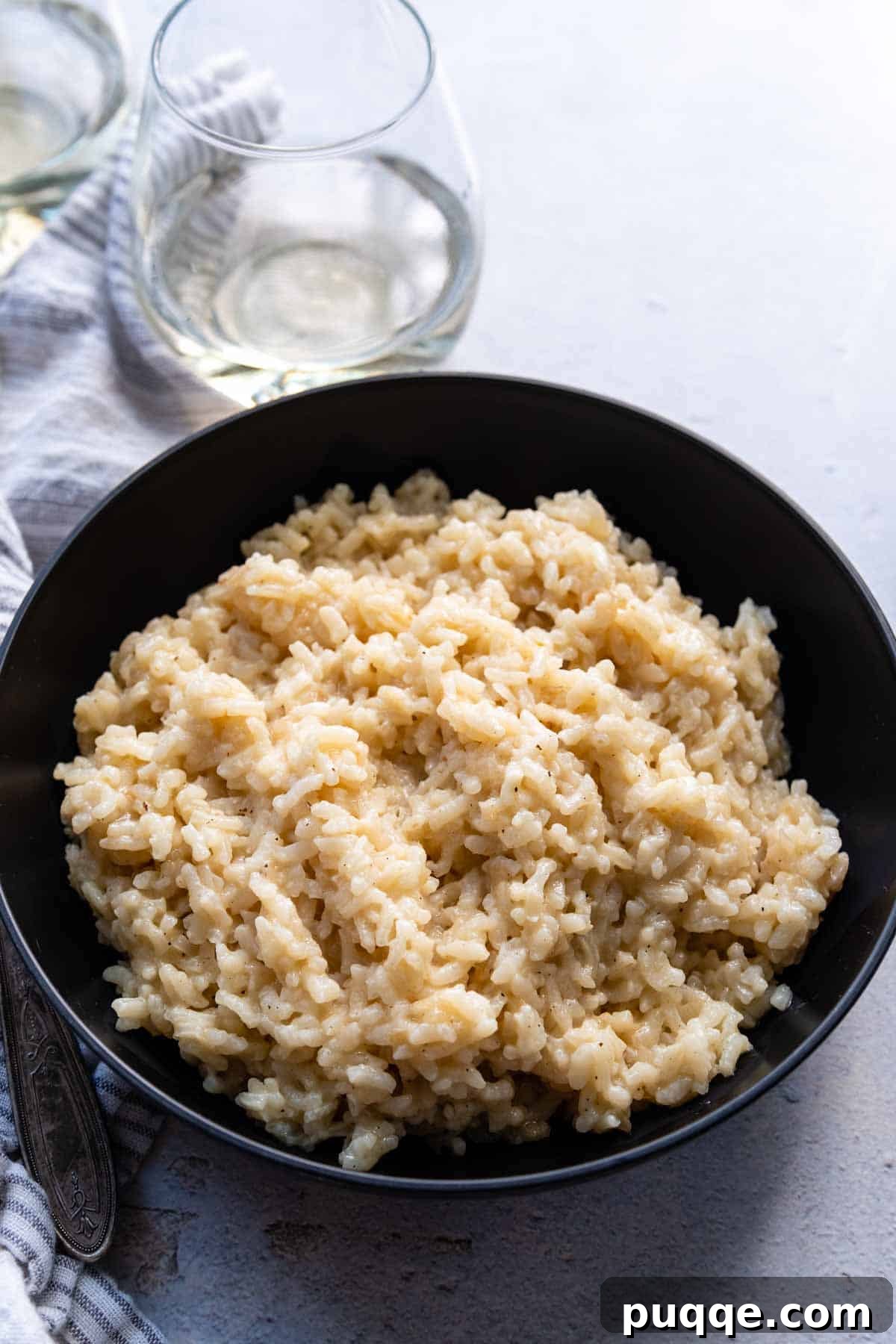
Risotto, a quintessential Italian culinary masterpiece, is traditionally prepared with arborio rice, patiently cooked in a flavorful broth until it achieves a sublime creamy texture and tender bite. Its classic rendition often highlights the delicate flavors of Parmesan cheese, rich butter, or a splash of white wine, making it a versatile dish served either as a sophisticated side or a satisfying main course.
While traditional risotto recipes are revered for their depth of flavor, they are also notorious for being quite labor-intensive. The conventional method involves warming broth separately and gradually incorporating it, ladle by ladle, into the arborio rice, requiring constant stirring at the stovetop for up to 30 minutes. This vigilant stirring is essential for releasing the rice’s starches, which is what creates the dish’s signature creamy consistency.
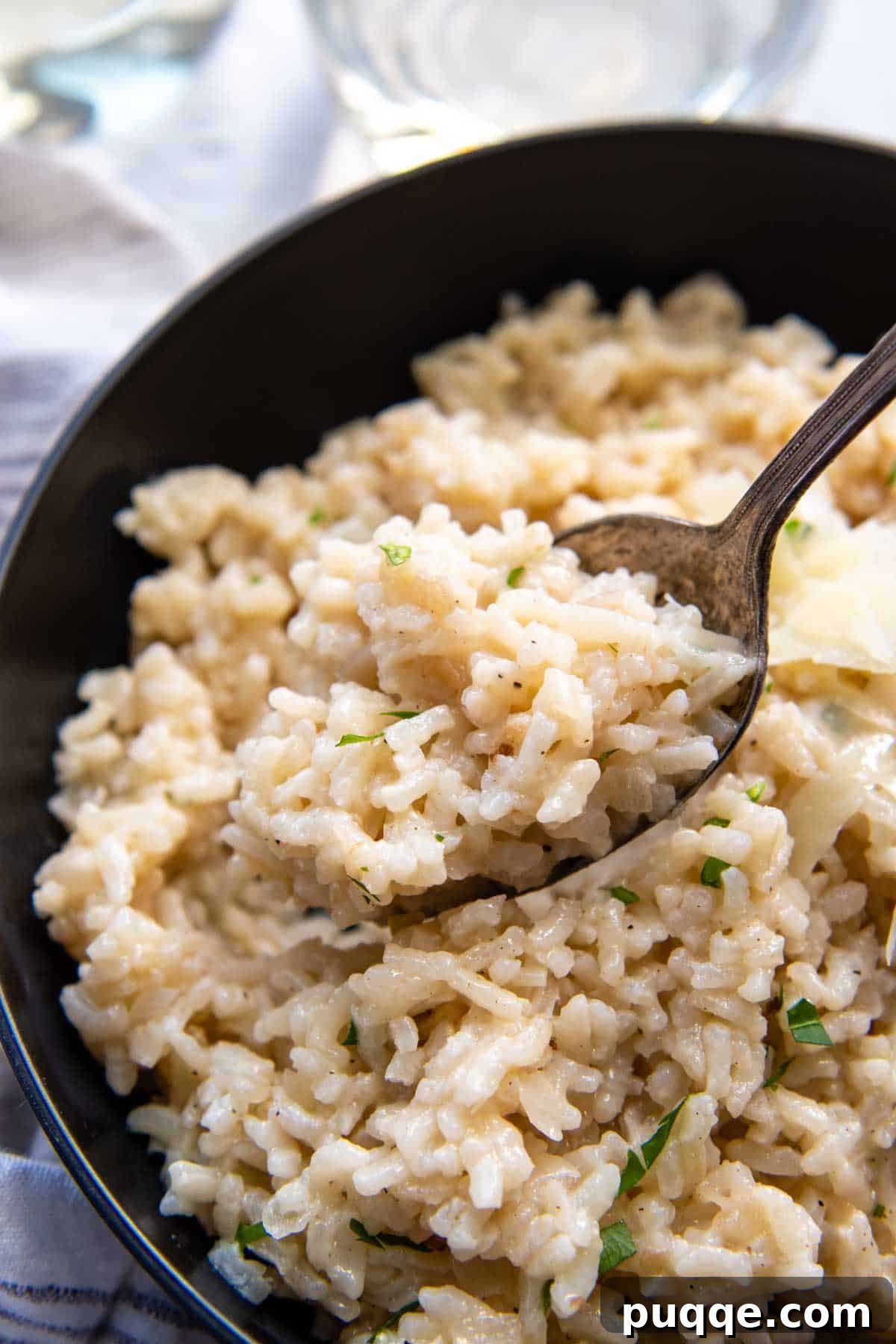
However, this revolutionary gluten-free risotto recipe redefines the cooking process. It promises the same ultra-creamy, decadent results using an ingeniously simple, hands-off, oven-baked method. After briefly sautéing the aromatic shallots and rice together to build a foundational flavor, the broth is added to the same pan. Once the mixture comes to a boil, the pan is simply covered and transferred to the oven, where it bakes undisturbed until perfectly cooked. This innovative approach not only saves time but also guarantees consistently creamy results without the constant attention of traditional stovetop cooking.
Versatile Serving Options: From Side Dish to Main Course
This gluten-free risotto can effortlessly serve as an elegant side dish, perfectly complementing a wide array of other highly-reviewed gluten-free recipes. Imagine it alongside a rustic gluten-free focaccia, its airy texture and herbaceous notes providing a delightful contrast, or paired with soft, pillowy gluten-free breadsticks, ideal for soaking up every last drop of the creamy sauce.
Alternatively, the inherent richness and heartiness of gluten-free risotto make it substantial enough to stand alone as a fulfilling main course, much like a foolproof gluten-free lasagna. For those seeking to enhance the nutritional profile or simply add more depth to the meal, consider incorporating protein-rich accompaniments such as pan-seared shrimp, perfectly caramelized scallops, tender roasted vegetables, savory seitan, or succulent chicken. These additions can transform a comforting dish into an even more robust and satisfying dining experience.
Is Risotto Naturally Gluten-Free? Understanding the Fundamentals
Arborio and carnaroli are specific varieties of short-grain white rice, cherished for their high starch content. Given their unique texture when cooked, many people mistakenly associate them with pasta, leading to the common question: “Does risotto contain gluten, and is it safe for individuals with celiac disease or gluten sensitivities?”
Fundamentally, like all other natural rice varieties, risotto is inherently gluten-free. Rice itself is a grain that does not contain the proteins (gliadin and glutenin) found in wheat, barley, and rye, which are responsible for gluten. Therefore, in its pure, unprocessed form, risotto rice is safe for those adhering to a gluten-free diet. However, vigilance is crucial, as there are several scenarios where risotto can become contaminated or include gluten-containing ingredients, rendering it unsafe for consumption.
Critical Considerations for a Truly Gluten-Free Risotto
Ensuring your risotto is entirely gluten-free requires careful attention to detail beyond just the rice itself. Here’s what you need to watch out for:
- Cross-Contamination with Rice: While arborio rice is naturally gluten-free, the processing and packaging facilities can pose a significant risk. If the rice is processed on shared equipment that also handles gluten-containing grains (like wheat, oats, or barley), cross-contamination can occur. Always look for rice brands that are explicitly labeled “Certified Gluten-Free” to ensure they meet strict standards for gluten absence and have been processed in dedicated or thoroughly cleaned facilities.
- Gluten-Containing Broths and Stocks: Broth or stock is the foundational liquid in any risotto recipe, and surprisingly, many store-bought varieties contain hidden gluten. Wheat-derived ingredients, flavorings, or thickeners can often be present. The safest options are homemade broth or stock, where you control all the ingredients. If opting for convenience, meticulously read labels for “Certified Gluten-Free” broth or stock. A useful reference guide for gluten-free gravy recipes often lists safe store-bought broth options that can also apply to risotto.
- Restaurant Practices and Hidden Grains: When dining out, exercise caution. Some restaurants, to achieve varied textures or unique flavor profiles, might incorporate other grains into their risotto, such as wheatberries, orzo (a pasta shape), or pearled barley. These ingredients are not gluten-free and can easily compromise the dish. Always confirm with the chef or server that only arborio or carnaroli rice has been used and that no other gluten-containing grains are present.
- “Shortcut” Risotto Mixes: The market offers various “ready-made” or “shortcut” risotto mixes that combine rice with pre-seasoned flavorings. While convenient, these mixes can be a trap for gluten. The added flavorings, spices, or dried vegetables might contain gluten-derived ingredients or have been subject to cross-contamination during processing. Always read the ingredient labels carefully and look for clear “Gluten-Free” certifications on such convenience products.
Essential Ingredient Notes for Your Perfect Risotto
While I strive to share recipes featuring affordable and readily available ingredients, risotto rice can sometimes be an exception, often being more expensive than other common rice varieties. However, there are always alternatives. For a more budget-friendly approach, my gluten-free cookbook offers a practical alternative using brown rice, complete with an adapted cooking method.
Here’s a closer look at the key ingredients for this recipe:
- Arborio Rice: This is the star of our risotto. Its high starch content is crucial for achieving that desired creamy texture. As mentioned, scrutinize labels to ensure the rice is protected from cross-contamination. You’ll find a list of common gluten-free brands below that are generally considered safe.
- Shallots: Often found near onions in the produce section, shallots are prized for their delicate, milder, and sweeter flavor profile compared to yellow or white onions. They provide a foundational aromatic depth without overpowering the dish. If shallots are unavailable, two minced garlic cloves can serve as an alternative, though the flavor will be slightly more pungent.
- Dry White Wine: A small amount of dry white wine, such as Sauvignon Blanc or Pinot Grigio, adds a complex depth and subtle acidity that brightens the overall flavor of the risotto. The alcohol cooks off during the process, leaving behind a sophisticated taste. If you prefer to omit alcohol, an equal amount of gluten-free broth can be substituted without compromising the texture, though the flavor profile will be slightly different.
- Gluten-Free Broth: This is the liquid backbone of your risotto. Whether you choose chicken broth for a richer flavor or vegetable broth for a vegetarian option, always ensure it is certified gluten-free. Many conventional broths contain hidden gluten, so thorough label reading is paramount.
- Parmesan Cheese: Freshly grated Parmesan cheese is a non-negotiable for authentic, creamy risotto. Its sharp, salty notes and fine texture melt beautifully, enhancing both the flavor and luxurious mouthfeel of the dish. For a vegan risotto, an excellent quality dairy-free Parmesan substitute can be used to achieve a similar savory profile and creaminess.
- Butter: Stirring in a pat of unsalted butter just before serving is the final touch, imparting a glossy sheen and an extra layer of richness to the risotto. For those following a dairy-free or vegan diet, simply replace traditional butter with your favorite plant-based butter alternative.
Effortless Oven-Baked Gluten-Free Risotto: Step-by-Step
(The following provides detailed step-by-step photos and modified instructions. For the complete recipe, including precise ingredient amounts and nutritional information, please scroll down to the recipe card below.)
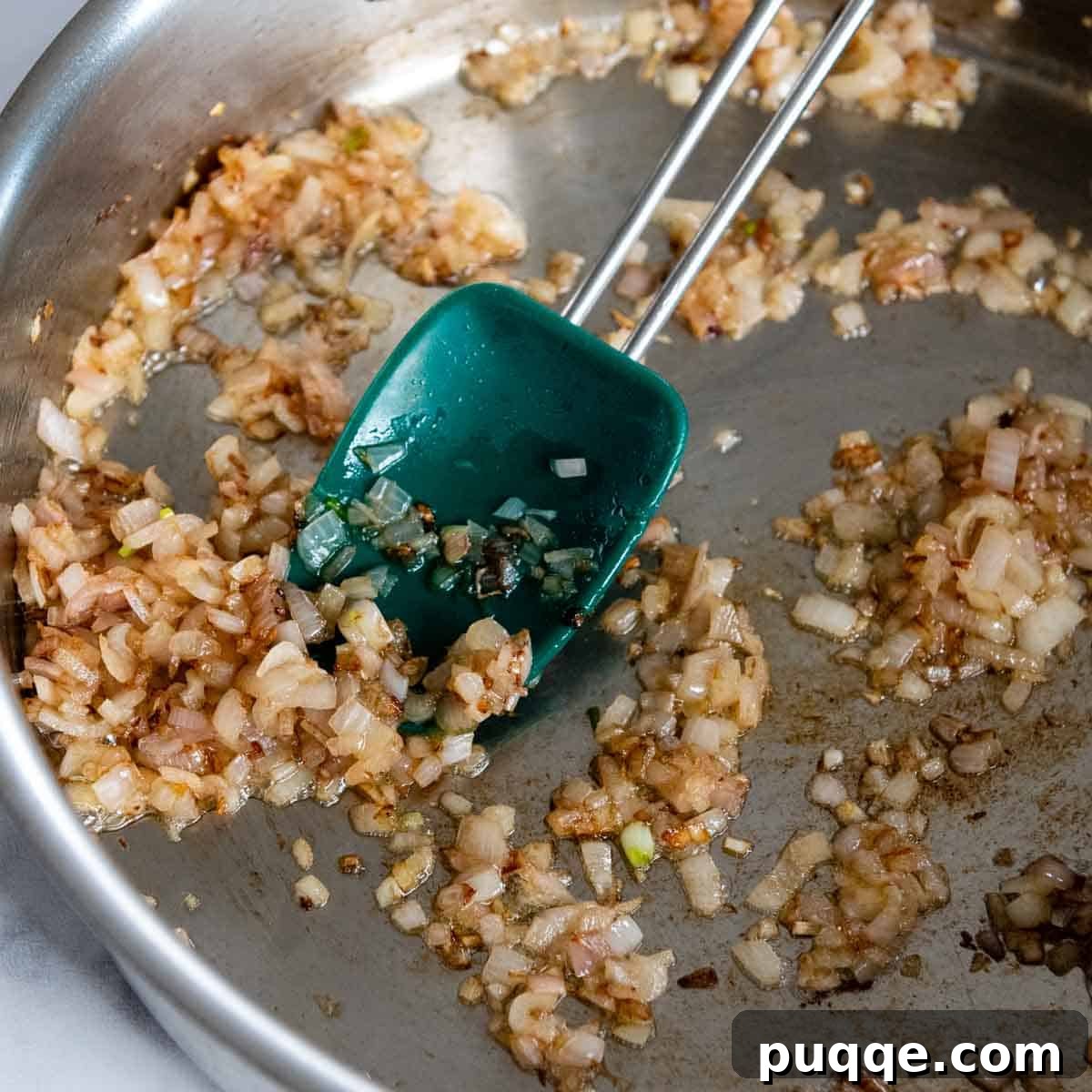
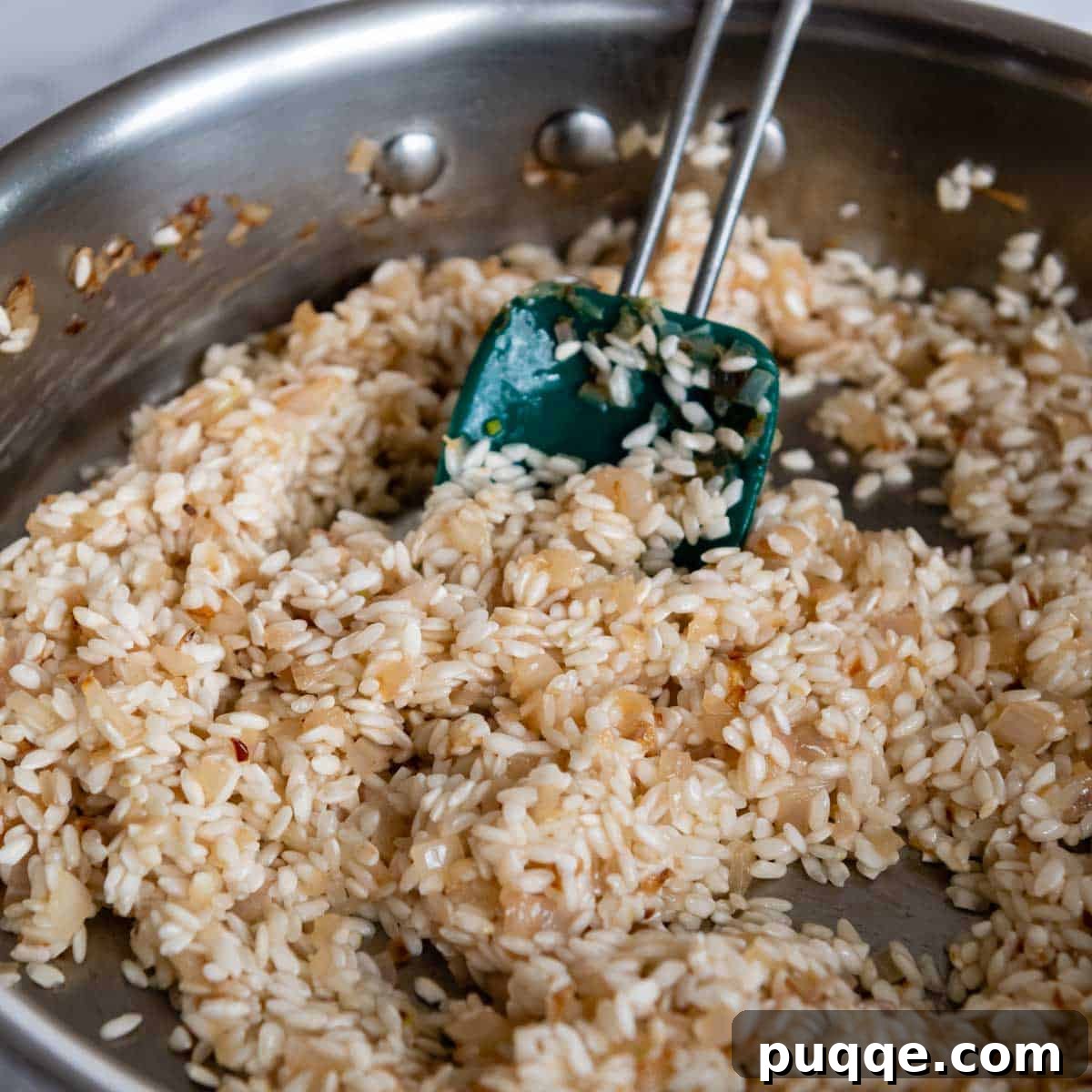
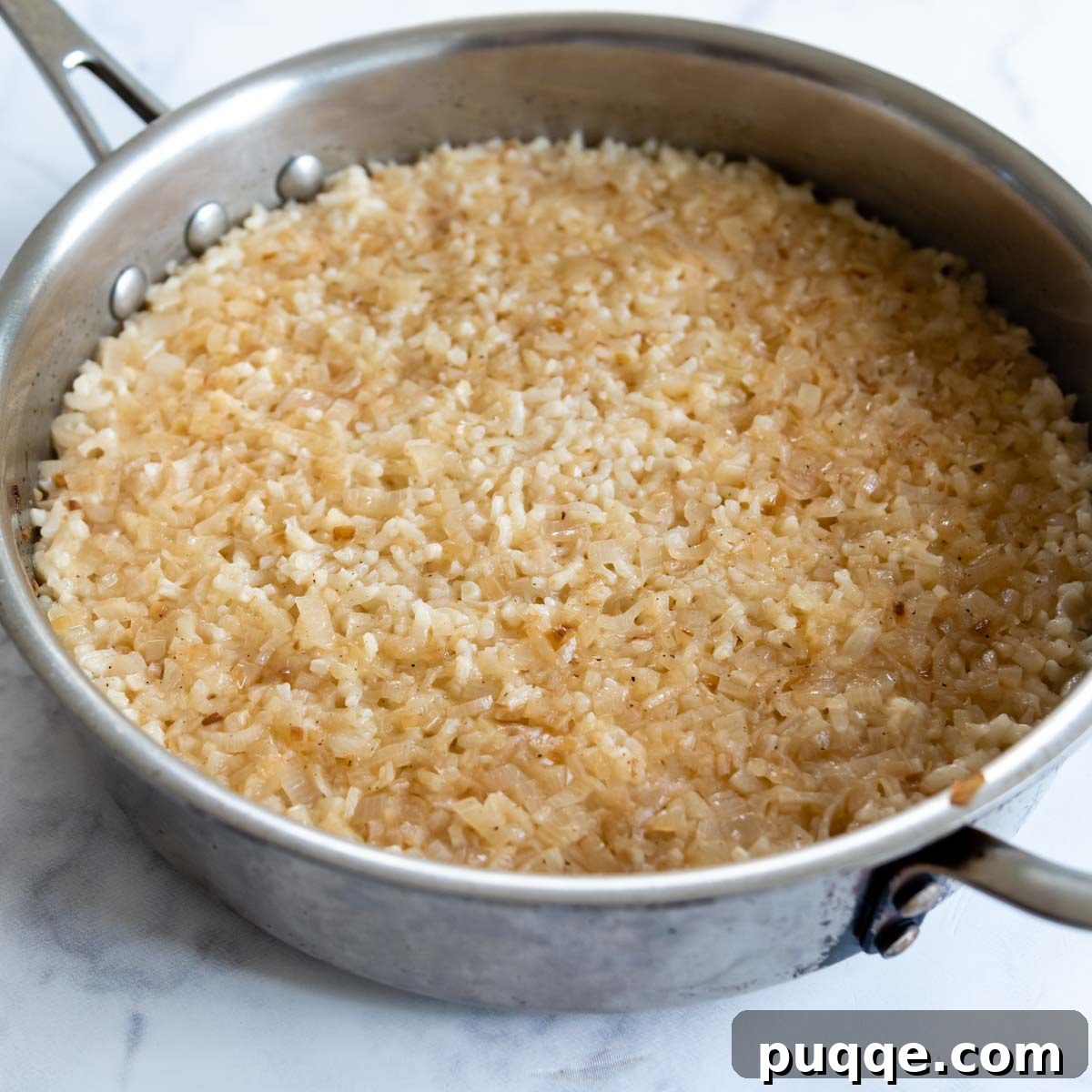
- Prepare the Oven and Pan: Begin by preheating your oven to 350ºF (175ºC). Select an oven-proof deep skillet or saucepan with a minimum capacity of 3 quarts (approximately 3 liters). Heat the pan over medium-high heat. If you don’t have an oven-proof pan, simply sauté as instructed, then transfer the mixture into a suitable baking dish before moving it to the oven.
- Sauté the Aromatics: Add 2 tablespoons of butter (reserving the remaining tablespoon for later) to the heated pan. Once the butter has melted and is shimmering, stir in the minced shallots. Sauté for about 3 minutes, or until they become tender and translucent, releasing their sweet aroma.
- Toast the Rice: Reduce the heat to medium. Add the gluten-free arborio rice and the dry white wine to the pan with the shallots. Cook and stir continuously for approximately 1 minute. This brief “toasting” step helps to develop a nutty flavor in the rice and ensures each grain is lightly coated.
- Add Broth and Simmer: Pour in the gluten-free broth, along with the salt and black pepper. Increase the heat back to medium-high and bring the mixture to a rolling boil, stirring occasionally to prevent sticking. Once boiling, immediately remove the pan from the heat. Cover the pan securely with either aluminum foil or a tight-fitting lid to trap the steam effectively.
- Oven Bake to Perfection: Carefully transfer the covered pan to the preheated oven. Bake for exactly 30 minutes. After baking, remove the pan from the oven and carefully lift the lid or foil. You’ll notice that most of the liquid has been absorbed, and the rice should be wonderfully soft and creamy.
- Finishing Touches: Stir in the remaining 1 tablespoon of butter and the freshly grated Parmesan cheese until fully incorporated and melted, enhancing the richness and creaminess. Taste and adjust seasoning with additional salt and pepper if needed.
- Serve and Garnish: Serve the creamy gluten-free risotto immediately. For a fresh touch, garnish with chopped fresh parsley, chives, or other preferred herbs. You can also explore the various suggested flavor additions below to customize your dish.
Trusted Gluten-Free Risotto Brands for Your Pantry
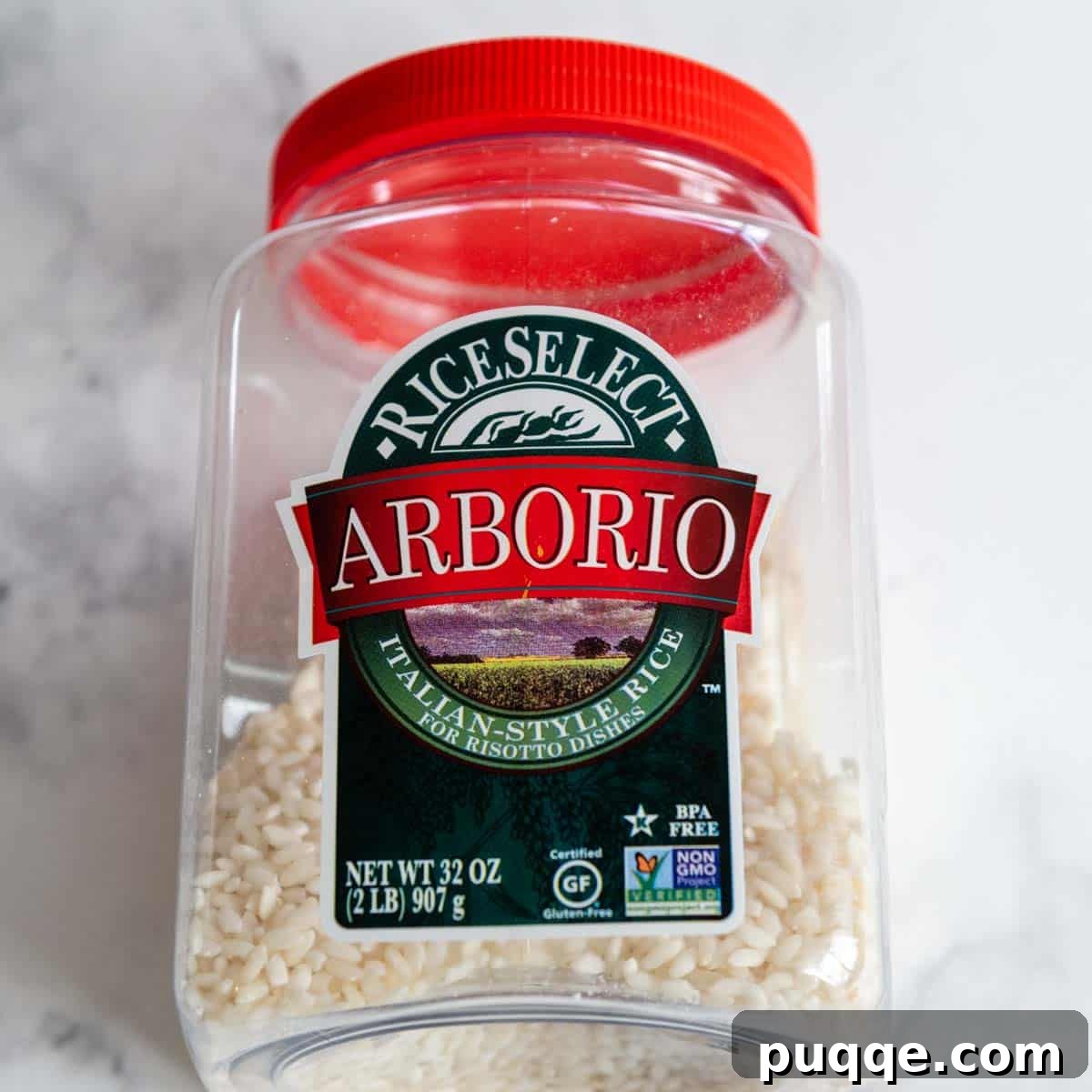
When selecting arborio rice for your gluten-free risotto, it’s paramount to choose brands that explicitly confirm their gluten-free status. Look for products bearing a “Certified GF” label, which signifies adherence to stringent gluten-free standards and ensures the rice hasn’t been processed on shared equipment where cross-contamination could occur. Additionally, some “ready-made” risotto mixes may be safe if they are clearly labeled gluten-free. Always double-check ingredient lists for any hidden gluten.
Here are several reputable brands that commonly offer gluten-free arborio rice or explicitly labeled gluten-free products:
- Rice Select
- Thrive Market (for their own brand of arborio)
- Right Rice (while not traditional arborio, some varieties are GF and can be used for a risotto-style dish)
- Riso Scotti
- Lundberg Family Farms
- Alessi
Unleashing Creativity: Flavor Modifications and Additions
While classic risotto is undeniably delicious on its own, its subtly rich profile also makes it an ideal canvas for culinary creativity. It welcomes a wide array of additions that can transform a simple side into an extraordinary gourmet dish. If you’re pondering what to add to your risotto, here are some popular and delightful ideas to inspire your next creation:
- Sautéed Mushrooms: Earthy mushrooms, such as cremini, shiitake, or wild mushrooms, sautéed until golden, add a deep umami flavor and wonderful texture. Stir them in during the last few minutes of cooking or serve them piled on top.
- Peas (Fresh or Frozen): Sweet green peas offer a pop of color and freshness. Add frozen peas directly to the risotto during the last 5 minutes of baking, or stir in blanched fresh peas just before serving.
- Shrimp or Scallops: For a luxurious touch, incorporate perfectly cooked seafood. Roasted, broiled, grilled, or pan-sautéed shrimp or scallops can be folded into the finished risotto or placed elegantly on top.
- Asparagus: Tender asparagus spears, whether steamed, roasted, or lightly blanched, provide a vibrant green hue and a delicate, slightly bitter counterpoint. Chop and stir them in at the end, or arrange whole spears as a garnish.
- Butternut Squash: Sweet and creamy butternut squash, steamed or roasted until tender, adds a beautiful color and a hint of autumnal sweetness. Mash it into the risotto for a smoother texture or keep it in small cubes for more texture.
- Lemon Zest and Freshly Squeezed Lemon Juice: A squeeze of fresh lemon juice and a sprinkle of zest can dramatically brighten the dish, cutting through its richness with a refreshing tang. Add these at the very end for maximum impact.
- Spinach or Arugula: Wilted spinach or peppery arugula stirred into the hot risotto just before serving adds a healthy green element and a touch of freshness.
- Truffle Oil or Paste: For an indulgent, gourmet experience, a drizzle of high-quality white or black truffle oil, or a spoonful of truffle paste, will infuse your risotto with an unforgettable earthy aroma and flavor.
- Herbs: Beyond parsley and chives, consider fresh thyme, sage, or rosemary for different aromatic profiles.
Reviving Leftover Risotto: Reheating Tips
Leftover risotto can be a delightful treat, but it can lose some of its creamy texture in the refrigerator. To restore its original glory, refrigerate any leftover risotto in an airtight container for up to 5 days. When you’re ready to reheat, having some additional broth (preferably low-sodium) or water on hand is key to bringing back its silky consistency without making the dish overly salted.
Stovetop Method:
For every cup of leftover risotto, add 2-3 tablespoons of extra broth or water to a saucepan. Heat the liquid over medium-low heat until it begins to simmer gently. Add the cold risotto to the pan, stirring gently and continuously. As the risotto warms, the starch will rehydrate, and it will gradually return to its creamy state. Continue stirring until the risotto is thoroughly heated through and has regained its desired consistency.
Microwave Method:
Place your leftover risotto in a microwave-safe dish. Sprinkle 1-2 tablespoons of broth or water over every cup of risotto. Cover the dish with a damp paper towel to help retain moisture and prevent drying. Heat the risotto at 50% power, stopping to stir every 30-45 seconds. This gradual heating and stirring will help the risotto rehydrate evenly and prevent it from becoming gummy or dry. Continue until it is heated through and creamy.
Click here to see thestep-by-step web story instructions for this recipe!
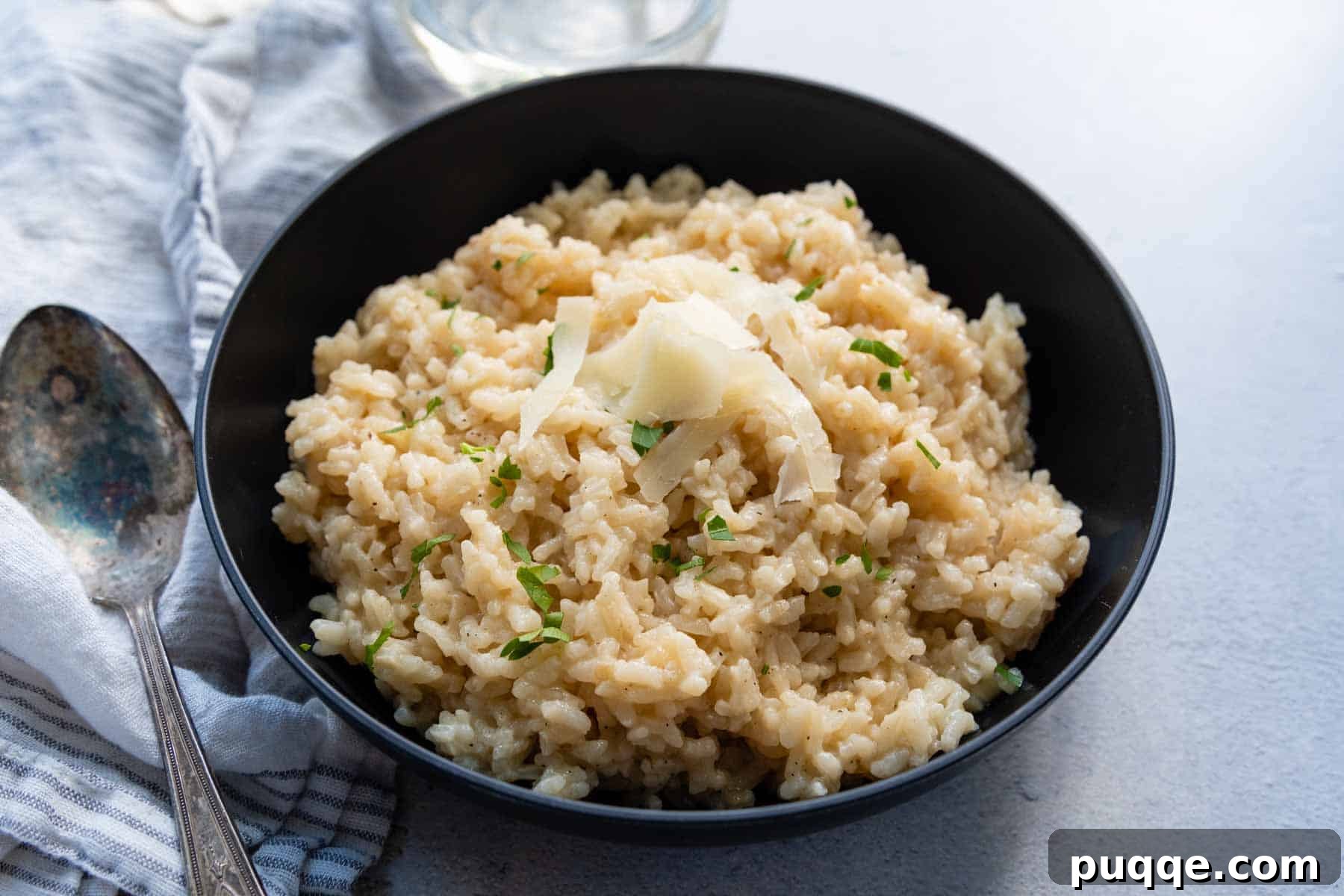
Don’t Forget to Pin This Recipe!
Make sure to save this incredible recipe for Creamy Gluten-Free Risotto to your Pinterest board! It’s an easy-to-make, no-stir, oven-baked dish that will become a staple in your gluten-free kitchen. Pin it now so you can easily find it whenever you’re craving a luxurious, comforting meal.
Let’s connect on Pinterest! I’m always sharing fantastic gluten-free recipes and culinary inspiration.

Creamy Gluten-Free Risotto (Easy Baked Recipe)
 Melissa Erdelac
Pin
Ingredients
- 3 tablespoons butter, divided
- 2 shallots, minced
- 1 ½ cups gluten-free arborio rice
- ⅓ cup dry white wine, see recipe notes for substitution
- 4 cups gluten-free broth, chicken or vegetable
- ½ teaspoon salt
- ¼ teaspoon pepper
- ⅓ cup freshly grated parmesan cheese
Instructions
-
Preheat the oven to 350ºF. Begin by heating an oven-proof deep skillet or saucepan (at least 3 quarts) over medium-high heat. If you do not have an oven-proof pan, simply transfer the risotto into a baking dish before transferring to the oven.
-
Add 2 tablespoons butter (reserving remaining tablespoon butter for later) to the pan. Stir in the shallots and sauté for 3 minutes, or until tender.3 tablespoons butter, 2 shallots
-
Reduce the heat to medium and add risotto and wine to the pan. Cook and stir for 1 minute.1 ½ cups gluten-free arborio rice, ⅓ cup dry white wine
-
Stir in broth, salt, and black pepper. Raise the heat and bring to boil, stirring occasionally. Once boiling, remove from the heat and cover the pan securely with aluminum foil or a lid.4 cups gluten-free broth, ½ teaspoon salt, ¼ teaspoon pepper
-
Bake for 30 minutes. Remove the lid and the liquid will mostly be evaporated and the rice should be soft. Stir in the remaining 1 tablespoon butter and parmesan cheese. Serve immediately.⅓ cup freshly grated parmesan cheese
-
DID YOU MAKE THIS RECIPE?? DON’T FORGET TO LEAVE FEEDBACK AND RATE BELOW!
Notes
Substitution for wine
Adding a small amount of dry white wine gives depth and flavor to the dish. If you would prefer to not use it, substitute 1/3 cup broth.
Reheating Tips
When ready to reheat, it’s best to have some additional broth on hand. Using low-sodium broth will ensure the dish doesn’t become overly salted. Water may also be used.
Stovetop Method: Add 2-3 tablespoons broth or water for every cup of leftover risotto. Heat the liquid in a saucepan. Once it’s simmering, add the risotto, stirring gently until hot and creamy.
Microwave Method: Place leftovers in and microwave-safe dish and sprinkle with 1-2 tablespoons broth or water for every cup of risotto. Cover with a damp paper towel. Heat at 50% power until heated through, stopping to stir every 30-45 seconds.