
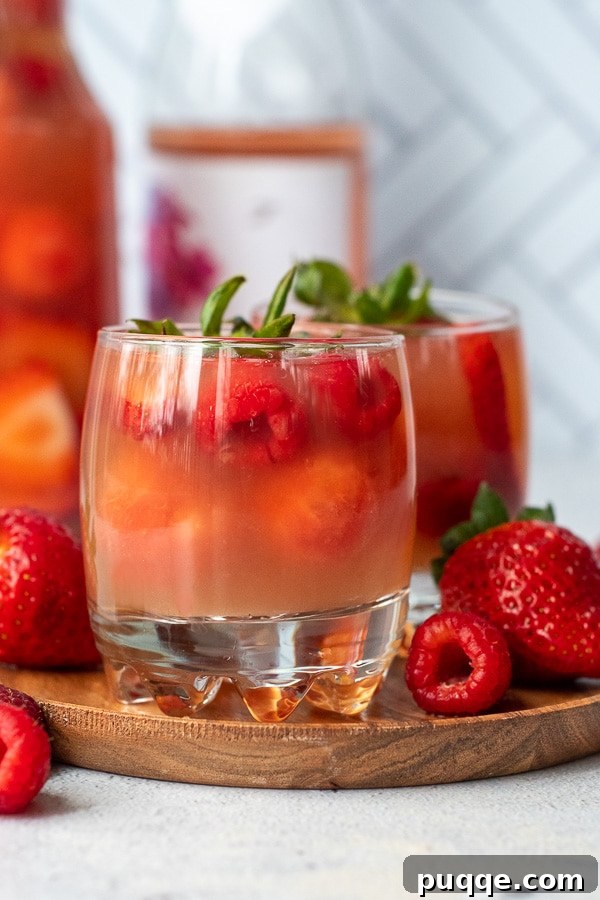
Transform your summer gatherings with this vibrant and refreshing Sparkling Rosé Sangria! This effortlessly chic drink is your ultimate companion for warm-weather entertaining. Whether you’re using a splash of leftover wine for a spontaneous solo indulgence or preparing a large pitcher to delight a crowd, this Rosé Sangria recipe, bursting with the fresh flavors of strawberries, watermelon, and raspberries, is incredibly versatile and simple to master.
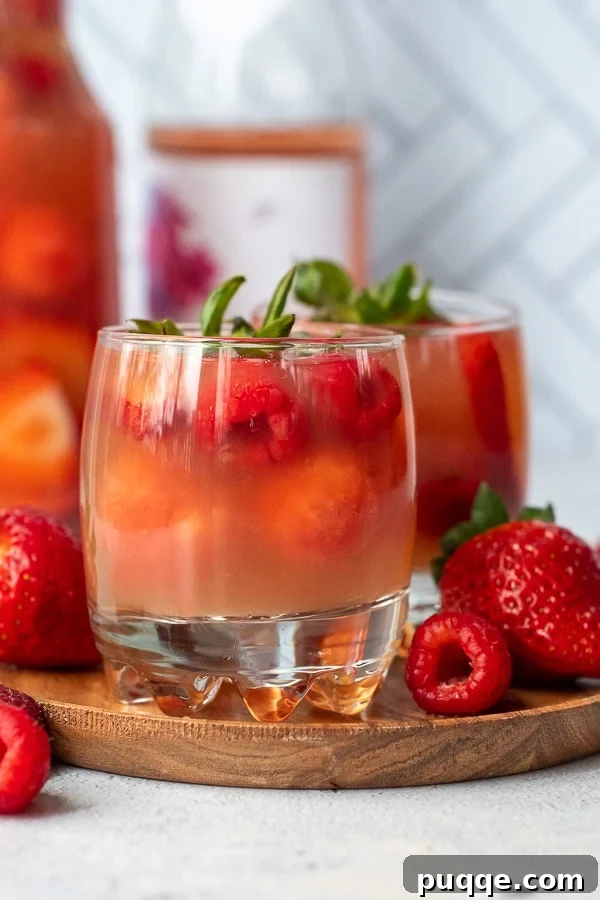
Why Sparkling Rosé Sangria is Your Summer Essential
Sparkling Rosé Sangria stands out as the quintessential summer cocktail for numerous reasons. Its light, fruity, and bubbly nature makes it incredibly refreshing on a hot day, offering a delightful escape from the heat. Beyond its immediate appeal, sangria is remarkably adaptable. It allows for endless customization based on your favorite fruits, preferred spirits, and even the type of wine you have on hand. This flexibility means you can tailor each batch to suit different tastes, occasions, or seasonal availability of ingredients, ensuring a unique and memorable experience every time. It’s also a fantastic way to utilize leftover wine, transforming it into a luxurious new beverage rather than letting it go to waste.
Essential Ingredients for the Perfect Rosé Sangria
Crafting a delicious Rosé Sangria starts with selecting the right components. While this recipe highlights a vibrant berry and watermelon combination, the beauty of sangria lies in its adaptability. Feel free to experiment with different fruits and liquors to create your signature blend. Below are the suggested ingredients for a truly refreshing, fruit-forward sangria, along with ideas for substitutions and modifications. For more refreshing rosé-based drinks, don’t miss our best rosé spritzer recipe!
- Dry Rosé Wine: The foundation of our sangria. A dry rosé provides a crisp, refreshing base that allows the fruit flavors to shine without being overly sweet. However, any dry white wine such as Pinot Grigio or Sauvignon Blanc would also work wonderfully, offering a similar light profile.
- Ruby Red Grapefruit Juice: Adds a zesty, slightly bitter note that balances the sweetness of the fruit and simple syrup, contributing to the sangria’s complex flavor profile and vibrant color.
- Brandy: Traditionally, brandy is the spirit of choice for sangria, lending a warm, subtly fruity depth. It’s often an inexpensive yet authentic choice. For exciting variations, scroll down to explore options like vodka, bourbon, or rum.
- Simple Syrup: This easy-to-make sweetener ensures even distribution of sweetness throughout your drink. Prepare it by gently heating equal parts sugar and water until the sugar fully dissolves. Allow it to cool completely before using.
- Triple Sec: An orange-flavored liqueur that introduces a delightful citrus note and a hint of sweetness. Cointreau or Grand Marnier are premium alternatives, or you can opt for a splash of fresh orange juice for a non-alcoholic citrus kick.
- Sparkling Component (Soda Water or Lemon-Lime Soda): This is what gives our sangria its effervescent, celebratory sparkle! Use plain soda water for a less sweet, more wine-forward drink, or opt for Sprite, 7Up, or ginger ale if you prefer a sweeter, more playful fizz.
- Fresh Fruit (Strawberries, Watermelon, Raspberries): This trio delivers a burst of summer flavor and color. Sangria is incredibly forgiving, so feel free to use any type of fresh or frozen fruit you love. Sliced peaches, melon cubes, citrus wheels, or blueberries would also make complementary and delicious additions.
How to Craft Your Easy Rosé Sangria Pitcher
This vibrant Rosé Sangria, generously loaded with fresh fruit, is an ideal cocktail for both a personal treat and for impressing guests at your next gathering. Follow these simple steps for a perfect pitcher:
- Combine Base Liquids: In a large pitcher, carefully combine the dry rosé wine, ruby red grapefruit juice, brandy, simple syrup, and triple sec. Stir these ingredients thoroughly until well mixed. Remember to reserve the sparkling component (soda water or lemon-lime soda) until just before serving to maintain its effervescence.
- Add the Fruit: Gently stir in all of your chosen fresh fruit. If you wish to use some fruit as a decorative garnish for individual glasses, set a small portion aside before adding the rest to the pitcher.
- Chill to Perfection: Cover the pitcher and refrigerate for a minimum of two hours. For optimal flavor infusion and a colder, more refreshing drink, you can even refrigerate it overnight.
- Serve with Sparkle: When you’re ready to serve, pour the sangria mixture into individual glasses. Top each glass with approximately 2 ounces of soda water or your preferred lemon-lime soda. Garnish with additional fresh fruit slices or a sprig of mint, if desired, for an elegant touch.
Planning Ahead Tip: If preparing the sangria a day in advance, be aware that soft berries like raspberries and strawberries can begin to break down and disintegrate if left soaking for too long. For the freshest appearance, it’s best to add these softer fruits no more than a few hours before serving, or even just before the second chilling stage. Always add the sparkling element directly to each glass when serving, as adding it to the pitcher beforehand will result in a flat drink.
Leftover Wine? Make Sangria By the Glass!
Don’t let a half-finished bottle of wine go to waste! This single-serving sangria option is perfect when you crave a delicious, fruity cocktail but don’t want to commit to an entire pitcher. It’s also an excellent way to use wine that might be past its prime for drinking on its own but still perfect for mixing.
- Muddle Fruit: Begin by gently muddling your chosen fruit (a mix of raspberries, strawberries, and/or watermelon works great) at the bottom of a pint glass or large wine glass. This helps release their juices and aromas.
- Add Liquids: Pour in your rosé wine, grapefruit juice, simple syrup, and triple sec. Add a splash of brandy if you desire. Stir these ingredients together until well combined.
- Finish and Enjoy: Add ice to your glass if preferred. Top with 2 ounces of soda water or lemon-lime soda. Give it a final gentle stir and savor your perfectly crafted individual sangria. Cheers!
Choosing the Right Wine for Your Sangria
The beauty of sparkling sangria is its adaptability to a variety of wines. While a dry rosé is recommended for this recipe, you have several excellent options:
- Dry Rosé: Our top choice, offering crispness and complementing the fruit without overpowering it. Look for rosés from Provence or lighter New World styles.
- Sparkling Rosé: For an extra layer of festivity and immediate bubbles, a sparkling rosé (like a Rosé Cava or Prosecco Rosé) can be used instead of still rosé and soda water. This eliminates the need for an additional sparkling component.
- Dry White Wine: Any dry white wine you have on hand, such as Sauvignon Blanc, Pinot Grigio, or un-oaked Chardonnay, will also work beautifully, providing a similar refreshing base.
- Sweeter Wines: If you prefer a more indulgent drink, wines like Moscato, sweeter Rosé, Riesling, or Gewürztraminer can be used. However, be mindful that simple syrup, triple sec, and fruit juice already contribute significant sweetness. If opting for a sweeter wine, you might consider reducing or omitting the simple syrup entirely to avoid an overly sugary result. Always taste and adjust to your preference.
Remember, the wine doesn’t have to be expensive or of the highest quality; a budget-friendly bottle that you enjoy on its own will typically make a fantastic sangria base.
Exploring Different Liquors: Beyond Brandy
While brandy offers a traditional and authentic flavor profile to sangria, it’s by no means the only spirit you can use. Experimenting with different liquors allows for creative variations and can tailor the drink to specific tastes or ingredients you have on hand. Feel free to make sangria without brandy by substituting it with any of the following in similar proportions:
- Rum: A versatile choice. Light rum can be used interchangeably with brandy for a subtly sweet addition. Dark rum pairs exceptionally well with tropical fruits like pineapple, mango, or orange, adding a rich, molasses-like depth that complements white wine beautifully.
- Vodka: For a cleaner, more fruit-forward sangria, vodka is an excellent alternative if you don’t have brandy on hand or prefer a less traditional spirit. Sangria with vodka is crisp and allows the fruit and wine flavors to dominate.
- Flavored Vodkas: This is where you can get truly creative! Enhance your sangria’s fruit profile by using a complementary flavored vodka. Consider these exciting options: orange, tangerine, raspberry, strawberry, vanilla, pear, black currant, grapefruit, apple, passion fruit, peach, pomegranate, or mango. The possibilities are virtually endless, matching almost any fruit combination you choose.
- Bourbon or Whiskey: For a unique twist with a deeper, slightly smoky, and vanilla-hinted flavor, bourbon or whiskey can add an interesting complexity, especially when paired with stone fruits like peaches or plums, and perhaps a touch of ginger.
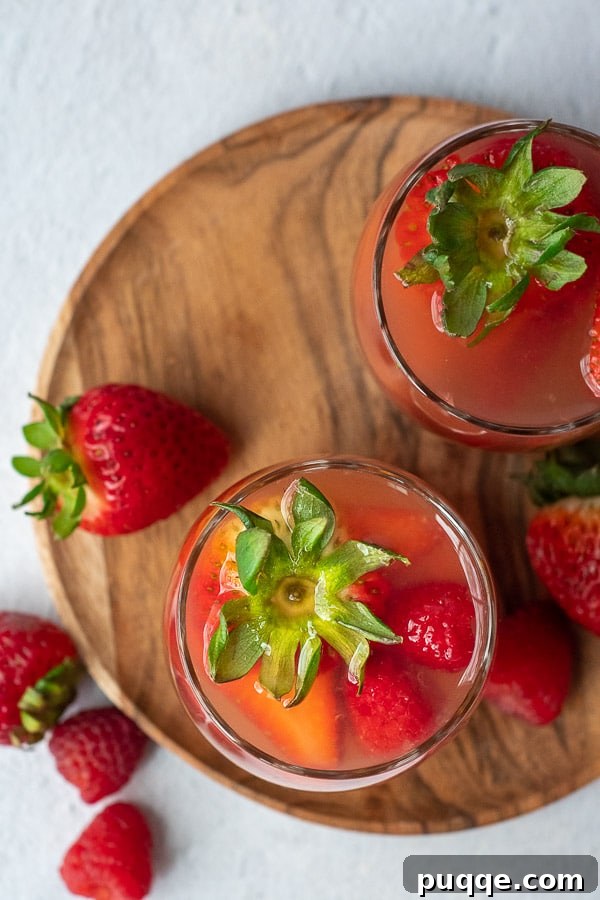
Adding the Sparkle: Making Your Sangria Effervescent
There’s an undeniable charm to a carbonated drink, especially one that evokes the carefree spirit of summer. The fizz elevates your sangria, making it even more festive and refreshing. While soda water is our standard recommendation for its neutral taste, there are many ways to make your sangria sparkle:
- Soda Water/Club Soda: The most common choice, offering pure effervescence without adding extra sweetness or flavor, allowing the wine and fruit to shine.
- Lemon-Lime Soda (Sprite, 7Up): For those who prefer a sweeter drink, these sodas infuse a pleasant citrusy sweetness along with the fizz.
- Ginger Ale/Ginger Beer: Adds a spiced, zesty kick. Ginger ale provides a milder ginger flavor, while ginger beer offers a more pronounced, spicier note, pairing wonderfully with a variety of fruits.
- Prosecco, Cava, or Champagne: For a truly celebratory and alcoholic sparkle, substitute the soda water with a sparkling wine. This creates a luxurious and elegant sangria, perfect for special occasions. Ensure the sparkling wine is well-chilled and added just before serving to maximize its bubbles.
Sweetening Your Sangria: Options and Techniques
Adjusting the sweetness of your sangria is key to perfecting its balance. Here are various sweeteners you can use, along with tips for preparation and usage:
- Simple Syrup: Our preferred choice for sangria because it’s liquid, ensuring smooth, even distribution throughout the drink without granules.
- To Make in the Microwave: Combine 1 cup of water and 1 cup of granulated sugar in a microwave-safe bowl. Microwave, uncovered, on high for 2 minutes, stirring halfway through, until the sugar completely dissolves. Allow the syrup to cool fully before incorporating it into your sangria. Store any leftover simple syrup in an airtight container in the refrigerator for up to 3 months.
- To Make on the Stovetop: Combine 1 cup of water and 1 cup of granulated sugar in a small saucepan. Heat over medium-low heat, stirring constantly, until the sugar dissolves. Do not boil. Let cool completely.
- Granulated Sugar: Can be used directly, though it might take longer to dissolve in cold liquids. For best results, dissolve it in a small amount of warm water or wine first.
- Agave Syrup: A natural, plant-based sweetener that dissolves easily. Use slightly less agave than simple syrup as it is often sweeter.
- Honey: While delicious, raw honey can clump in cold drinks. To prevent this, make a honey syrup.
- To Make Honey Syrup: Combine 1 cup of honey with ½ to 1 cup of water (depending on desired consistency) in a small pot on the stovetop. Cook over low heat, stirring continually, until well combined and smooth. Cool completely before using. Store in an airtight container in the refrigerator for up to 3 months.
- Ginger Simple Syrup: For an adventurous flavor boost, infuse your simple syrup with fresh ginger. This adds a warm, spicy note that complements many fruit and wine combinations beautifully.
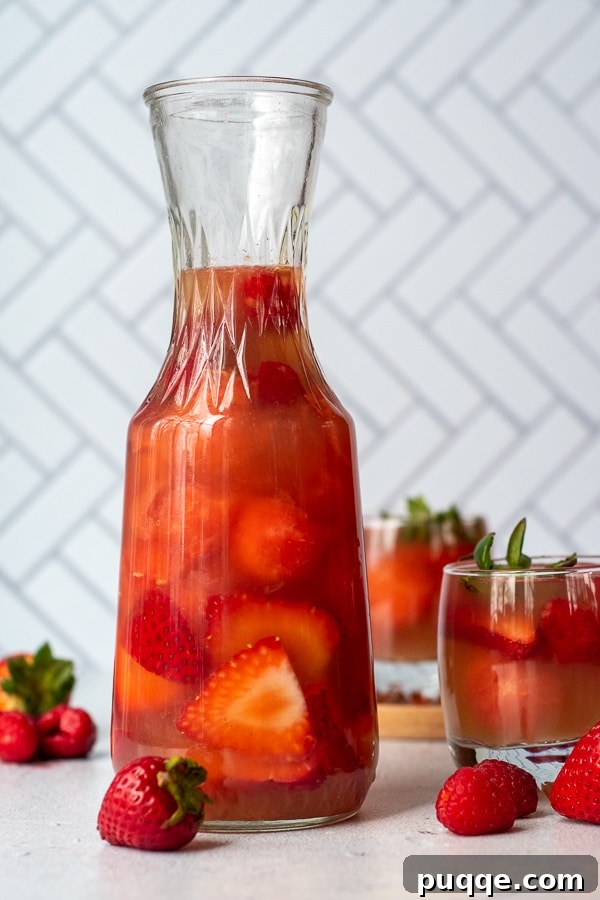
Expert Tips for the Best Rosé Sangria
- Chill Thoroughly: The longer your sangria chills, the more the flavors will meld and deepen. Aim for at least 2-4 hours, or ideally overnight, for a truly integrated taste. Ensure all liquid ingredients are well-chilled before mixing for the quickest chill time.
- Fresh vs. Frozen Fruit: Fresh fruit is always ideal for presentation and texture. However, frozen fruit can be a fantastic substitute, especially if you want to keep the sangria extra cold without diluting it with ice. Just be aware that frozen berries may break down faster.
- Garnish Generously: Don’t underestimate the power of a beautiful garnish. Fresh fruit slices, whole berries, mint sprigs, or even edible flowers can elevate the visual appeal of your sangria, making it even more inviting.
- Taste and Adjust: Before serving, always taste your sangria. Depending on the sweetness of your wine and fruit, you might want to add a little more simple syrup, a squeeze of fresh lime juice for tartness, or an extra splash of juice or liquor.
- Make it Your Own: Don’t be afraid to experiment! Sangria is meant to be fun and flexible. Try different fruit combinations (peaches and mint, citrus medley, tropical fruits), swap out the brandy for a flavored vodka, or use a sparkling wine instead of soda water for a celebratory touch.
Frequently Asked Questions (FAQ) About Rosé Sangria
- How long does Rosé Sangria last?
- When stored in an airtight pitcher in the refrigerator (without the added sparkling component), sangria is best enjoyed within 1-2 days. Softer fruits like raspberries and strawberries will start to break down and become mushy after about 24 hours. Harder fruits like apples or citrus can last up to 3 days.
- Can I use frozen fruit in my sangria?
- Absolutely! Frozen fruit works wonderfully, especially if you want to keep your sangria extra cold without diluting it with ice. It also slowly releases its flavors as it thaws. Just be mindful that the texture of some frozen fruits, particularly berries, can become softer once thawed in the sangria.
- What is the best type of rosé wine for sangria?
- A dry rosé is highly recommended for its crispness and ability to let the fruit flavors shine. Wines from Provence or other dry, light-bodied rosés are excellent choices. However, if you prefer a sweeter drink, a semi-dry or sweet rosé can also be used, in which case you might reduce or omit the simple syrup.
- Can I make a non-alcoholic Rosé Sangria?
- Yes! To make a delicious non-alcoholic version, substitute the rosé wine with non-alcoholic sparkling rosé or a combination of white grape juice and a splash of cranberry juice for color. Omit the brandy and triple sec, adding extra fruit juice (like orange or grapefruit) and a touch more simple syrup or a flavored sparkling water for complexity.
- How far in advance can I prepare sangria?
- You can prepare the base (wine, liquor, juice, simple syrup) and harder fruits (like melon or apple) up to 24 hours in advance. For softer fruits (berries), it’s best to add them just 2-4 hours before serving to maintain their freshness and avoid them becoming overly soft. Always add the sparkling component right before serving.
Save this recipe to your Pinterest board!
Let’s be friends on Pinterest! I’m always sharing great recipes!
Did you make this recipe? I love hearing from you! Leave a star rating and comment below the recipe card. It helps others when searching for recipes and I appreciate feedback from our community. You will always hear back from me! -Melissa

Rose Sangria
 Melissa Erdelac
Pin
Rate
Remove Ads
Ingredients
Rose Sangria Pitcher
- 1 bottle (750 mL) dry rose wine
- 1 cup ruby red grapefruit juice
- ¾ cup brandy, (see recipe notes for other liquor substitutions)
- ½ cup simple syrup
- ¼ cup triple sec
- 1 cup soda water or Sprite, , for serving
- 1 pint fresh raspberries
- 2 cups fresh strawberries,, sliced
- 2 cups cubed or balled watermelon
Sangria By the Glass
- ½ cup mixture of raspberries, strawberries, and/or cubed watermelon
- ½ cup leftover rose wine
- 2 ounces ruby red grapefruit juice
- 1 ounce brandy, (see recipe notes for other liquor substitutions)
- ½ ounce simple syrup
- ½ ounce triple sec
- 2 ounces soda water or Sprite
Equipment
-
Cocktail Glasses
-
Pitcher
-
Measuring Jigger
Instructions
Rose Sangria Pitcher
-
In a large pitcher stir together rose wine, grapefruit juice, brandy, simple syrup, and triple sec. Do not add soda water or Sprite until ready to serve.
-
Stir in all the fruit, or, alternatively, set some of it aside for adding to glasses as a fun garnish. Cover pitcher and refrigerate for at least 2 hours, up to overnight.
-
If serving all at once, stir in soda water or Sprite. Pour into glasses filled with ice or without. Or, pour sangria into glasses and top with 2 ounces of soda or Sprite. Makes 6 glasses.
Leftover Wine Sangria By the Glass
-
In a pint glass muddle fruit on bottom of the glass. Pour in wine, grapefruit juice, simple syrup, brandy, and triple sec. Stir.
-
Add ice, if using, and pour in soda water or sprite. Stir again and enjoy!
This post contains affiliate links. My opinions are always my own. If you purchase a product through an affiliate link, I make a small commission – at no cost to you. Read full disclosure policy here.