
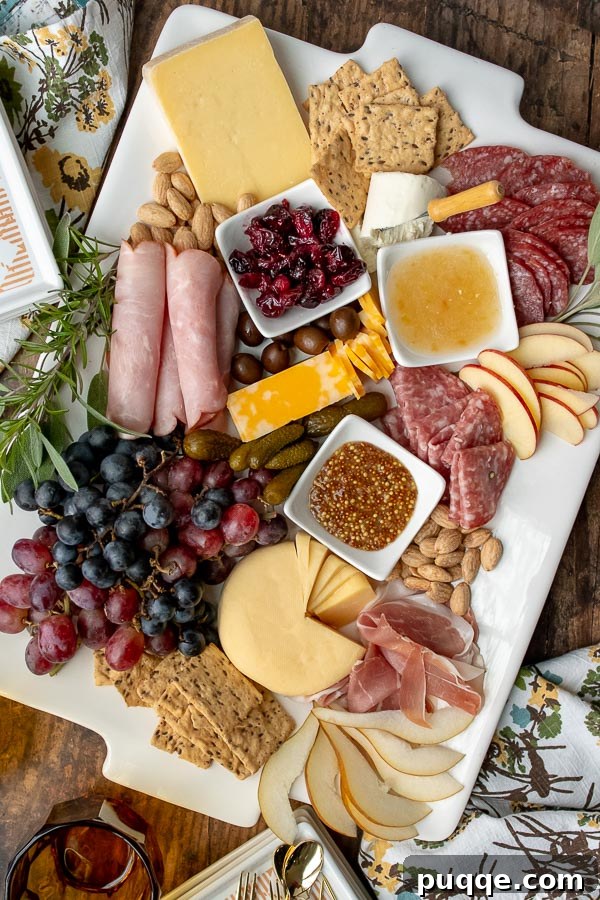
Welcome to the ultimate guide for crafting the most exquisite and **creative charcuterie boards**! Whether you’re a seasoned host or new to the art of entertaining, this comprehensive resource will equip you with all the knowledge and inspiration you need to assemble breathtaking platters of cured meats, artisanal cheeses, and an array of delightful accompaniments. Learn how to transform simple ingredients into a visually stunning centerpiece that’s perfect for any gathering, big or small. From classic combinations to unique themes, we’ll help you design an **easy charcuterie platter** that’s both beautiful and utterly delicious, guaranteeing a memorable experience for your guests.
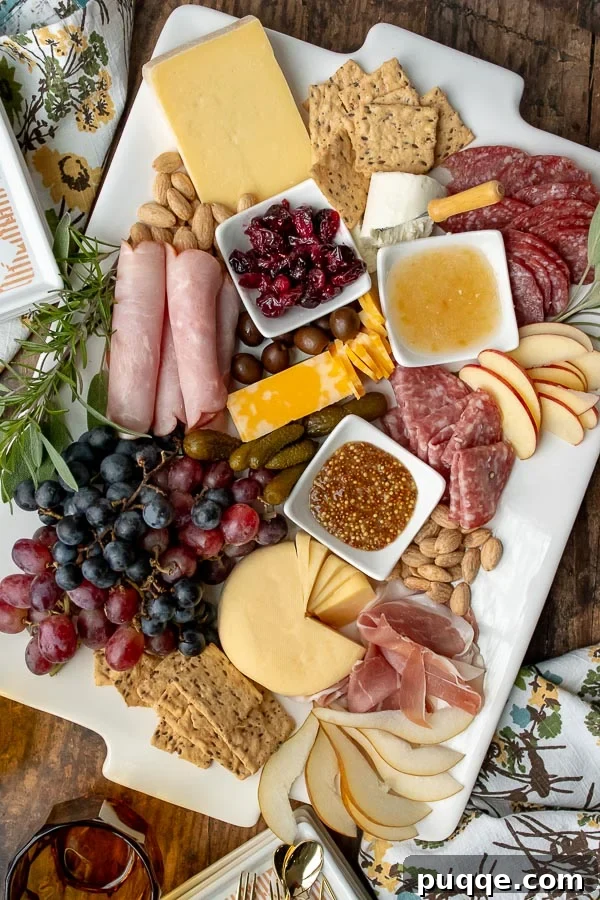
What Exactly is a Charcuterie Board? Understanding the Art of Cured Meats
Before diving into the delicious details, let’s clarify what a charcuterie board truly is. The term “charcuterie” (pronounced [shahr-koo-tuh-REE]) originates from France, where a “charcutier” is a person who prepares and sells cured meats. Historically, charcuterie refers to the craft of preparing, preserving, and showcasing various smoked and cured meats, such as salami, ham, bacon, sausages, and pâtés, primarily from pork. This ancient method of food preservation evolved into a culinary art form.
In modern entertaining, a charcuterie board has expanded beyond just meats. It typically features a carefully curated selection of cured meats and gourmet cheeses, complemented by an assortment of savory and sweet “yummy bites” like crackers, olives, pickles, fruits (fresh and dried), nuts, jams, and various spreads. The beauty of a charcuterie platter lies in its versatility and visual appeal, transforming a simple collection of ingredients into an elegant showpiece that encourages grazing, conversation, and culinary exploration among guests. It’s the ultimate hassle-free solution for hosts, allowing everyone to customize their perfect bite.
Building Your Dream Charcuterie Board: Essential Ingredients & Savvy Selections
Crafting a memorable charcuterie board starts with choosing the right components. The beauty of these platters is their flexibility; you can tailor them to any taste, budget, or occasion. Here’s a detailed guide on what to include to create a balanced, flavorful, and visually appealing spread.
The quantity and variety of items will depend on your budget and the size of your platter. Meats and cheeses can be the most expensive elements, so to keep your board affordable, select a few high-quality specialty items and then fill the remaining space with a generous assortment of fruits, jams, honey, various crackers, nuts, dried fruits, olives, and pickles. Remember, abundance is key to a visually rich board, and less expensive items can fill out the platter beautifully without compromising on taste or experience.
For smart shopping, consider stores like Aldi, which often offers a fantastic array of unique cheeses and cured meats at competitive prices. Another clever hack is to visit your grocery store’s salad bar. This allows you to purchase smaller, precise amounts of olives, fresh feta, or other pickled vegetables without committing to a larger, pricier pre-packaged container. If you’re catering to a large crowd, incorporating fresh vegetables, alongside creamy dips or hummus, can significantly expand your board’s offerings affordably and add a refreshing element.
Don’t overlook your local deli! They are a treasure trove for quality cured meats. Buying sliced-to-order allows you to select exactly the amount you need and ensures peak freshness and flavor for your charcuterie masterpiece.
Meats: The Heart of the Charcuterie
- Hard Salami: A classic choice, offering a robust, peppery flavor and firm texture.
- Prosciutto: Delicate, salty, and melt-in-your-mouth tender, perfect for a touch of elegance.
- Smoked Ham: A comforting, familiar flavor with a pleasant smoky depth.
- Dry-Cured Chorizo: Spicy and richly flavored, bringing a vibrant kick to the board.
- Genoa Salami: Known for its mild, savory taste and softer texture.
- Capicola (Coppa): A highly marbled, spicy, and sweet cured pork, offering complex flavors.
- Mortadella: A large Italian sausage, subtly spiced and incredibly smooth, often studded with pistachios.
- Summer Sausage: A popular, tangy, and durable option, great for slicing.
- Pâté or Rillette: For those seeking a richer, spreadable option, offering a luxurious texture.
Cheeses: A Symphony of Flavors and Textures
Aim for at least three distinct flavors and textures to offer variety. A good rule of thumb is one soft, one semi-hard, and one hard cheese.
- Creamy & Soft:
- Brie: Buttery and mild with an edible rind.
- Goat Cheese (Chevre): Tangy, earthy, and spreadable, often infused with herbs.
- Camembert: Similar to Brie but with a deeper, more pungent flavor.
- Burrata: A fresh Italian cheese with a creamy, soft interior.
- Delice de Bourgogne: A decadent triple-cream cheese that’s utterly luxurious.
- Hard Cheeses:
- Pecorino Romano: Sharp, salty, and firm, excellent for shaving.
- Grana Padano: A nutty, granular cheese, slightly milder than Parmesan.
- Manchego: A semi-firm Spanish sheep’s milk cheese with a distinctive flavor.
- Aged Gouda: Sweet, nutty, and often crystalline, offering a rich caramel note.
- Semi-Soft Cheeses:
- Butterkase: A mild, buttery German cheese.
- Cheddar: A versatile crowd-pleaser, ranging from mild to extra sharp.
- Gouda: Mild and creamy when young, nutty and firm when aged.
- Emmental (Swiss): Known for its distinctive holes and mild, nutty flavor.
- Edam: Slightly nutty and savory, with a firm texture.
- Mozzarella (fresh): Soft, milky, and mild, particularly good with tomatoes and basil.
- Provolone: A semi-hard Italian cheese, available in mild (dolce) or sharp (piccante) varieties.
- Strong & Salty:
- Blue Cheese (Gorgonzola, Roquefort, Stilton): Pungent and complex, offering a sharp, tangy bite.
- Feta: Salty, tangy, and crumbly, adding a Mediterranean touch.
Crackers & Breads: The Perfect Vehicle
Offer a variety of textures and flavors, including options for dietary preferences.
- Artisanal Crackers: Water crackers, flatbreads, seed crackers, or specialty crackers.
- Gluten-Free Options: Simple Mills almond flour crackers or Mary’s Gone Crackers seed crackers are excellent choices.
- Sliced Baguette or Crusty Bread: Freshly sliced bread adds substance and a rustic touch.
Olives & Pickles: Tangy Counterpoints
These acidic elements cut through the richness of meats and cheeses.
- Assorted Olives: Kalamata, Castelvetrano, or a mixed olive medley.
- Gherkin Pickles: Small, crisp, and tangy.
- Sweet Red Cherry Peppers: A burst of sweet and tangy flavor.
- Marinated Artichoke Hearts: Tender and briny.
Jams, Spreads & Honey: Sweet & Savory Accents
These elements create delightful flavor pairings.
- Fruity Jams & Preserves: Fig jam, apricot preserves, or berry jams pair beautifully with cheese.
- Honey or Fresh Honeycomb: A natural sweetener that complements strong cheeses and savory meats.
- Mustards: Stone ground mustard for a classic pairing with meats, or a spicy hot sweet mustard for an adventurous kick.
- Hummus or Dips: For a larger crowd or to add a creamy, savory element, especially with fresh veggies.
Nuts & Dried Fruits: Texture & Sweetness
Essential for adding crunch and natural sweetness.
- Nuts: Flavored almonds (e.g., rosemary and sea salt), pistachios, Marcona almonds, walnuts, or homemade candied pecans.
- Dried Fruits: Apricots, cranberries, figs, or dates offer concentrated sweetness and chewiness.
Fresh Fruits & Vegetables (Crudités): Freshness & Color
Provide a vibrant, refreshing contrast and cleanse the palate.
- Sliced Apples & Pears: Crisp and sweet, excellent with cheese.
- Grapes: Both red and green varieties add juicy sweetness and visual appeal.
- Berries: Strawberries, blueberries, raspberries – colorful and fresh.
- Cherry Tomatoes: Bright and juicy.
- Cucumber Slices: Refreshing and crisp.
- Carrot Sticks or Radishes: Add crunch and a healthy element.
- Sundried Tomatoes: Intense, sweet-tart flavor.
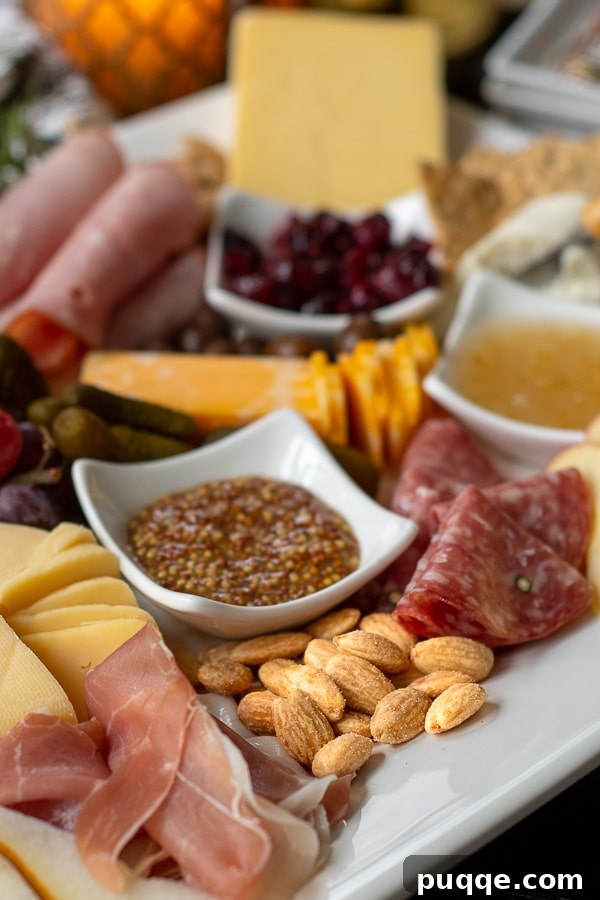
Crafting the Perfect Display: Step-by-Step Guide to Assembling Your Charcuterie Board
Building an impressive charcuterie board is a simple yet rewarding process. Follow these steps to create a visually stunning and delicious appetizer that will be the centerpiece of your spread. While your charcuterie board can stand alone, consider pairing it with complementary dips like Baked Ricotta or a Creamy Spinach Artichoke Dip for an even richer experience.
-
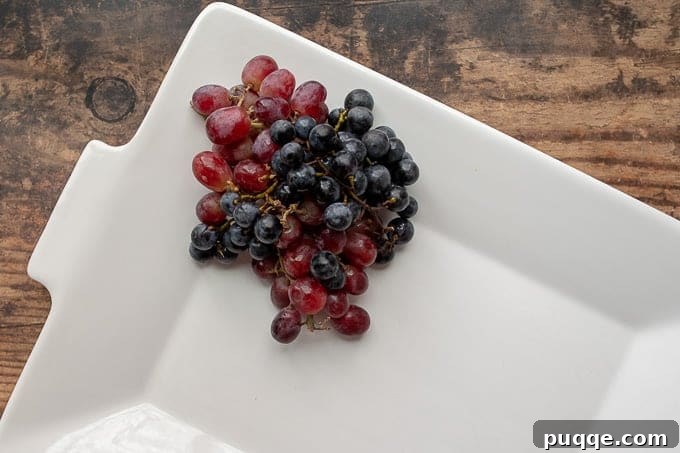
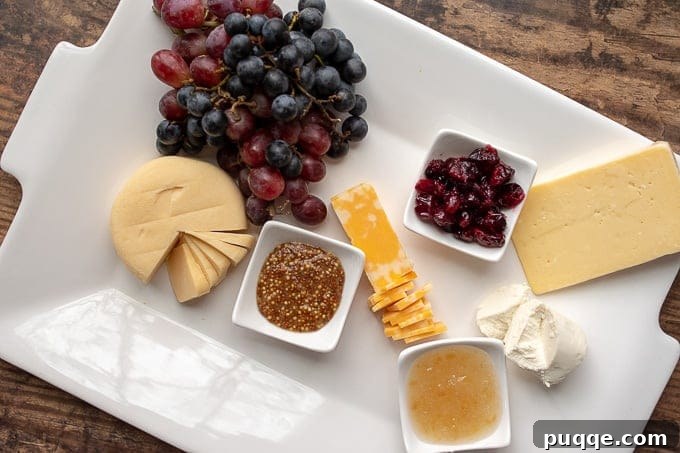
Choose Your Platter and Establish Height: Start by selecting a serving platter or tray that’s appropriate for your guest count. A common mistake is choosing a platter that’s too large, making the final display look sparse. You want it to appear full and bountiful! To add immediate visual interest and dimension, place something with height as a centerpiece. This could be a small bowl piled high with grapes, a glass filled with a variety of crackers, or even a small vase with herbs or flowers. This central element serves as an anchor around which you’ll build the rest of your board.
-
Place Cheeses and Spreads: Next, arrange your chosen cheeses on the platter. Distribute different types of cheese across the board to encourage guests to explore. For optimal flavor and texture, allow cheeses to sit at room temperature for about 15-30 minutes before serving. Position small dishes or ramekins of jams, spreads, or dips near complementary cheeses. For example, fig jam often pairs wonderfully with a creamy brie, while a spicy mustard is a natural partner for hard salami. Placing these larger items first helps to define the main structure of your board.
-
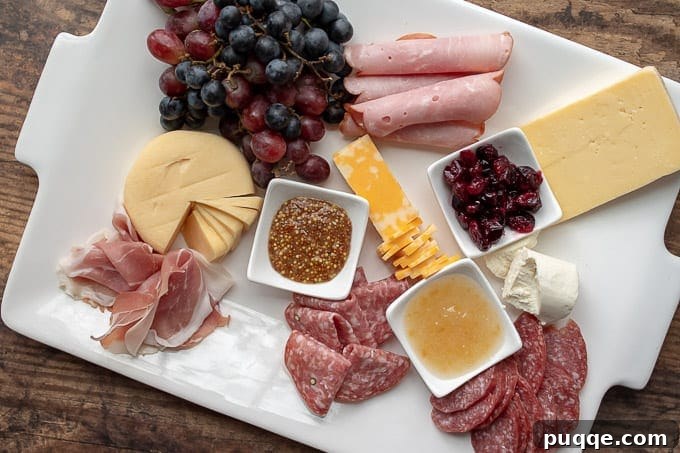
Arrange the Meats: Now it’s time to add the cured meats. Get creative with how you present them! Instead of simply laying them flat, try folding salami slices into quarters, rolling prosciutto into elegant rosettes, or creating loose bunches that add texture and depth. Varying the shapes and arrangements of the meats makes the board much more visually dynamic and inviting. Place them in clusters or weave them around the cheeses and bowls.
-
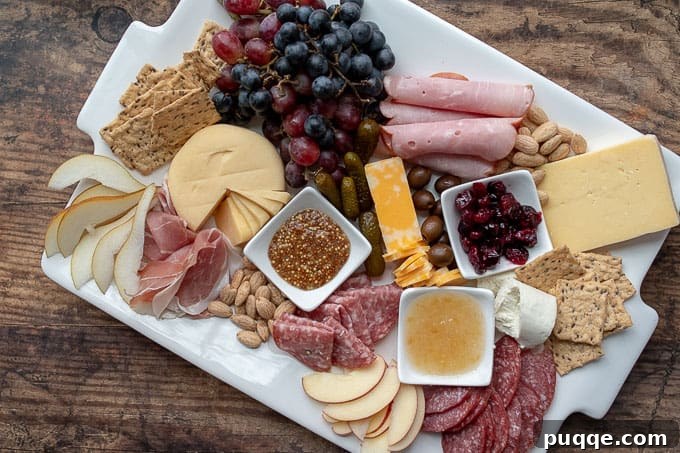
Fill in the Gaps: This is where the board truly comes alive! Fill all the remaining nooks and crannies with your “small bites.” Artfully scatter nuts (like almonds or pistachios), arrange sliced fresh fruits (apples, pears, grapes), tuck in crackers, and place olives, gherkin pickles, or dried fruits in any open spaces. If you’re including crudités such as carrot sticks, cucumber slices, or vibrant radishes, add them now. The goal is to make the board look abundant and overflowing, with every inch filled with delicious options.
-
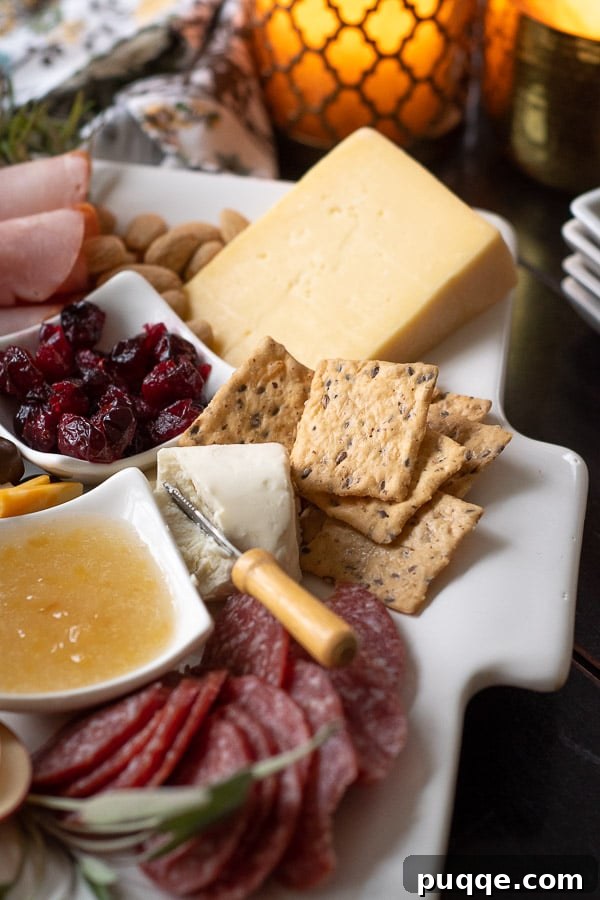
Garnish and Add Utensils: Finish your charcuterie board by placing appropriate serving utensils (like cheese knives or small spreaders) into the cheeses and spreads. For a final touch of freshness and elegance, garnish with greenery. Fresh herbs from your garden, such as rosemary sprigs or basil leaves, work beautifully. Edible flowers can add a pop of color, or for a festive touch, incorporate small holiday trinkets like miniature Christmas ornaments or candy corn (seasonal). Capers sprinkled around can also add a briny flourish, or use dried fruits strategically for extra color and texture. This last step adds polish and makes your board truly photo-worthy.
Expert Tips and Creative Ideas for Your Next Charcuterie Board
Elevate your charcuterie game with these additional insights and creative suggestions:
- Harmonious Pairings: Always consider how flavors will interact. If you include bold, spicy meats or pungent cheeses, balance them with sweet components like fresh honeycomb, juicy fruits, or sweet jams. The interplay of sweet, salty, savory, and tangy creates a truly delightful tasting experience.
- Cater to Diverse Palates: Offer a range of familiar and adventurous options. Salami is a universally loved meat, while more unique choices like mortadella or capicola can introduce guests to new flavors. Similarly, include a mild cheddar alongside a sharper blue cheese.
- Portion Planning: As a general guideline for appetizers, plan for approximately 2 ounces of meat and 2 ounces of cheese per guest. Adjust this amount if the charcuterie is intended as the main event or if you have very hearty eaters.
- Smart Preparation Ahead: Most of your charcuterie board can be assembled in advance. Arrange all non-perishable items, cured meats, and cheeses on your platter, then cover tightly with plastic wrap and refrigerate. *Crucially, save the slicing of fresh fruits until just before serving* to prevent browning and maintain freshness.
- Serving Temperature for Cheese: For the best flavor and texture, cheese should not be served ice-cold. Remove your cheeses from the refrigerator about 15-30 minutes before you plan to serve, allowing them to come to a more palatable room temperature.
- Budget-Friendly Strategies: Don’t feel pressured to buy only expensive, exotic ingredients. Pair specialty cheeses with more common, yet still delicious, varieties. Your guests will appreciate the overall abundance and thoughtful presentation, regardless of price tag. Filling out the board with seasonal fruits, vegetables, and affordable crackers is a smart way to create a lush display without breaking the bank.
- Themed Charcuterie Boards: Get creative with themes!
- Seasonal Boards: Embrace seasonal produce. A fall board might feature apples, pomegranates, pumpkin seeds, and robust cheeses, while a summer board could have berries, peaches, and lighter cheeses.
- Regional Boards: Focus on products from a specific region or country (e.g., an Italian board with prosciutto, salami, Parmesan, olives, and sundried tomatoes).
- Color-Themed Boards: Challenge yourself to create a board using a specific color palette for a truly unique aesthetic.
- Breakfast/Brunch Boards: Think mini waffles, pancakes, bacon, sausage, fresh fruit, yogurt, and pastries.
- Essential Tools: Invest in good cheese knives (one for each type of cheese), small serving spoons for jams, and mini tongs for meats. These not only make serving easier but also elevate the presentation.
- Food Safety First: If your board will be sitting out for an extended period, especially in warmer climates, consider using smaller portions and refilling as needed to keep perishable items fresh.
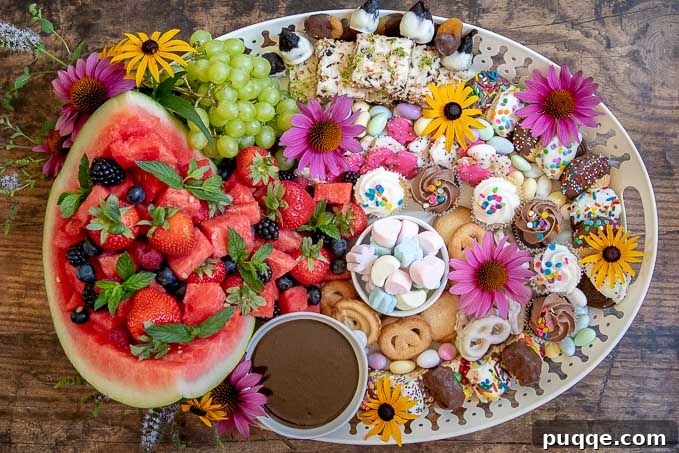
Charcuterie doesn’t always have to be about meats and cheeses! For a delightful and unexpected twist, consider creating a dessert board. These sweet platters are incredibly fun for entertaining, holiday parties, or any celebration. Explore our guide on HOW TO MAKE A DESSERT BOARD for an abundance of easy ideas, creative themes, and expert styling tips to display the ultimate sweet charcuterie masterpiece! ⬇️
Save These Charcuterie Board Ideas to Your Pinterest Board!
Let’s be friends on Pinterest! I’m always sharing great recipes!
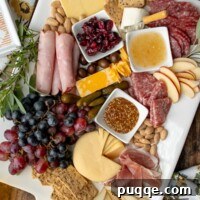
How to Make a Charcuterie Board

Melissa Erdelac
12
15 minutes
0 minutes
15 minutes
Pin
Rate
Remove Ads
Ingredients
- 3-4 cured meats, see notes
- 3-4 gourmet cheeses, see notes
- 3-4 small bites, see notes
- 2-3 small bowls of jams or spreads
Equipment
-
Dip Bowls
-
Cheese Knives
-
Serving Platter
Instructions
-
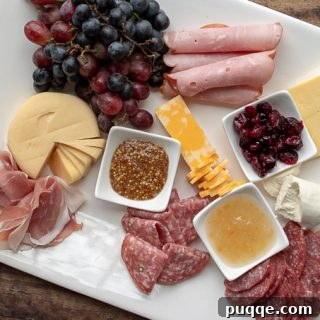
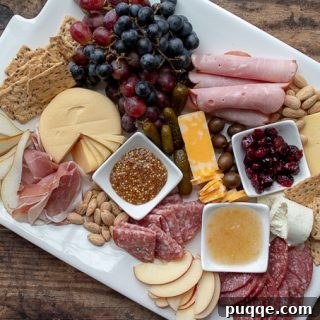
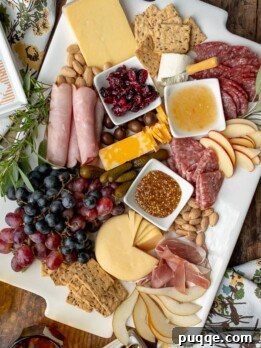
 Start with a large platter. Pile up a mound of grapes or fill a glass with crackers to add height to make it more visually appealing – a center piece of sorts to create around.
 -
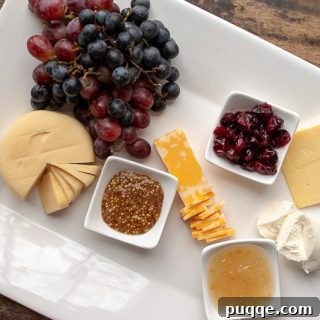
Add the cheeses and small dishes of spreads to the tray. Disperse the spreads or place them next to a cheese to accompany it. Setting the cheeses out first also helps serve the cheese optimally, with the chill taken off.
-
Add the meats to the tray. Play with the shapes of the meats – slices, rolls, triangles, or loose bunches.
-
Fill in all the nooks and crannies with small snacks, like almonds, sliced fruit, crackers, olives, gherkin pickles, or dried fruit.
-
Finish off by placing serving utensils in the cheeses and garnish with greenery.
DID YOU MAKE THIS RECIPE?? DON’T FORGET TO LEAVE FEEDBACK AND/OR CLICK A STAR RATING ON THE RECIPE CARD!
Notes
Cured Meats – hard salami, prosciutto, smoked ham, dry-cured chorizo, genoa salami, capicola, mortadella, summer sausage
Gourmet Cheeses – Choose at least three flavors and textures. Creamy (brie, goat cheese, camembert, burrata, Delice de Bourgogne); Hard (Pecorino Romano, Grana Padano, Manchego); Semi-Soft (Butterkase, cheddar, gouda, Emmental, Edam)
Small Bites – crackers, olives, gherkin pickles, sweet red cherry peppers, nuts, dried fruits, sliced apples, sliced pears, fresh honeycomb
This post contains affiliate links. My opinions are always my own. If you purchase a product through an affiliate link, I make a small commission – at no cost to you. Read full Privacy Policy here.