
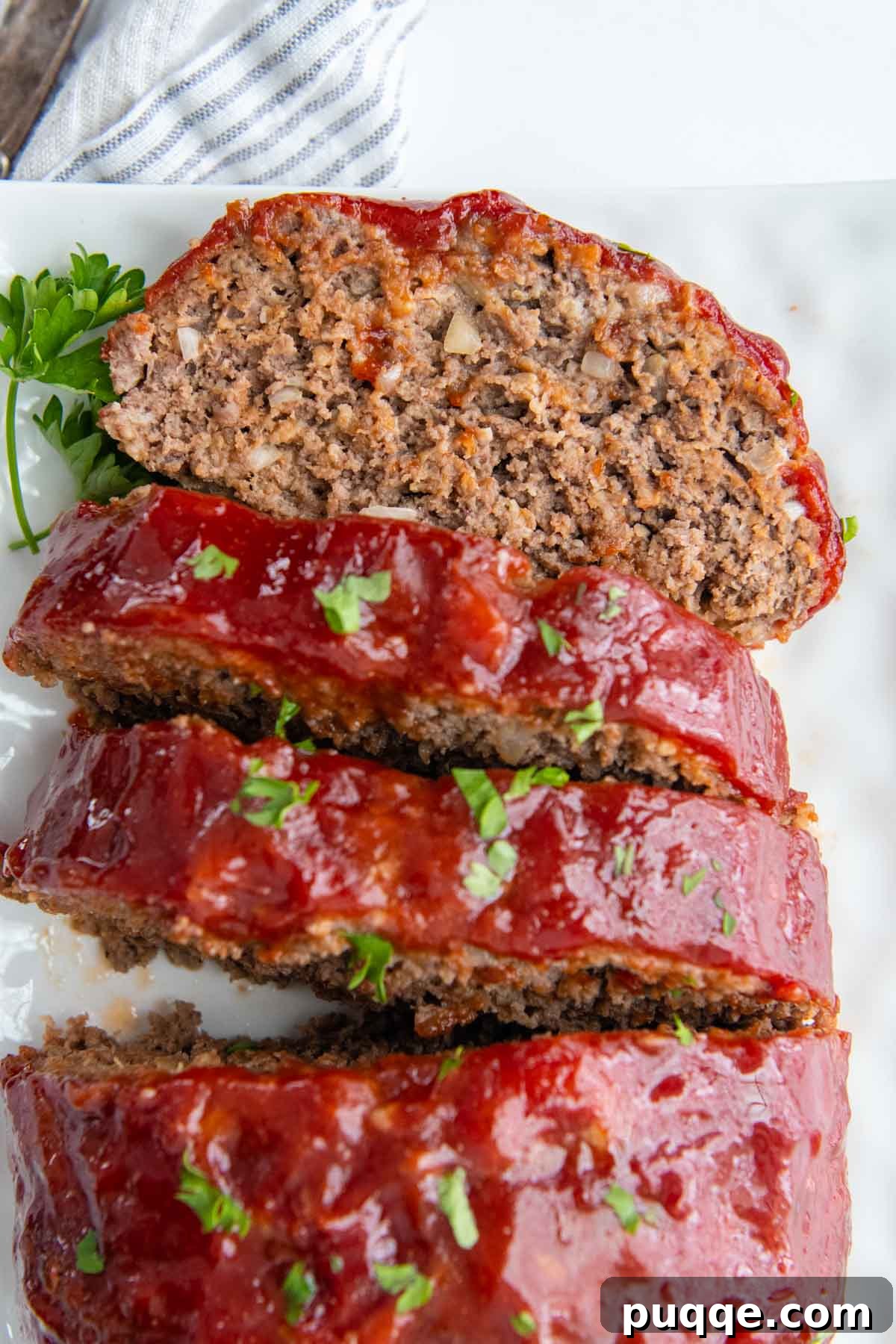
Craving that comforting, classic meatloaf taste but need it to be gluten-free? Look no further! This recipe delivers the rich, savory flavor and incredibly juicy texture you remember from your childhood, all without a single breadcrumb. We achieve this with a clever and budget-friendly binder: certified gluten-free oats. Paired with a luscious, tangy glaze, this traditional, dairy-free meatloaf is destined to become a new family favorite. It’s old-school comfort food, perfected for modern dietary needs.
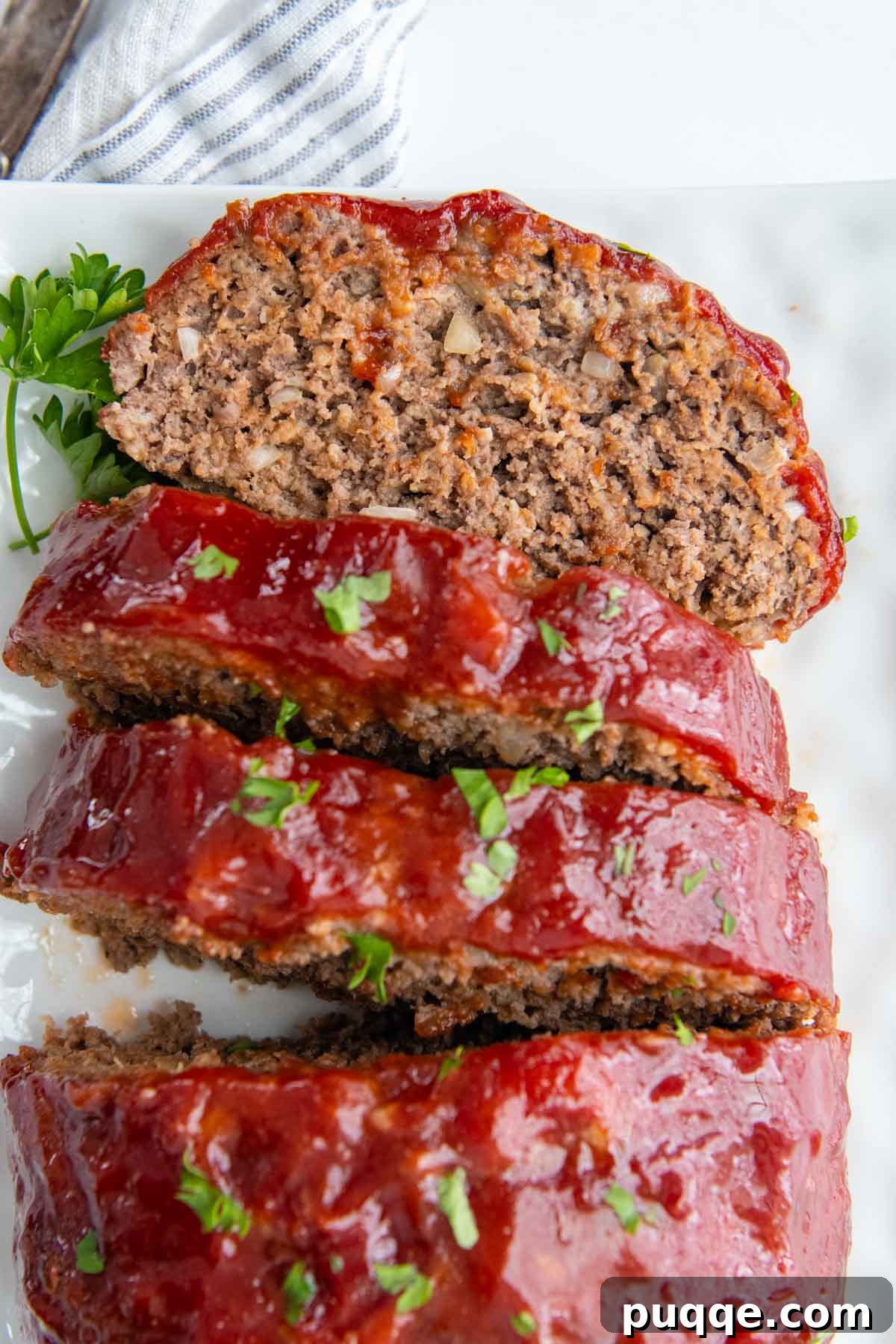
Easy Gluten-Free Meatloaf Recipe: A Hearty Classic Reimagined
There’s nothing quite like a homemade meatloaf to bring warmth and satisfaction to the dinner table. It’s a timeless dish, beloved by generations, and now, it’s easily accessible to everyone following a gluten-free diet. Forget complex substitutions or compromising on flavor; our recipe uses simple, accessible ingredients to create a magnificent meatloaf that tastes just like the one Mom used to make. And the best part? It’s made without breadcrumbs, relying on the humble oat to deliver unparalleled texture and binding power. This recipe isn’t just a gluten-free alternative; it’s a superior meatloaf recipe, period.
Often, gluten-free recipes can feel like a compromise, especially when it comes to classic comfort foods. Many attempts at gluten-free meatloaf simply involve swapping traditional breadcrumbs for a gluten-free version. While this can work in a pinch, it often leads to a drier, less cohesive loaf. Our approach elevates the game entirely by harnessing the natural binding abilities of gluten-free oats, resulting in a moist, tender, and incredibly flavorful meatloaf every single time. This method not only bypasses the need for specialty breadcrumbs but also introduces a wholesome element that enhances the overall taste and texture.
Why Oats Are the Secret to Our Best Gluten-Free Meatloaf
The choice of binder is crucial for a great meatloaf. Traditional recipes typically use breadcrumbs, which absorb moisture and help hold the meat mixture together. For a gluten-free version, simply swapping in GF breadcrumbs might seem logical, but it can present several challenges. Gluten-free breadcrumbs can sometimes be denser, less absorbent, or have a less neutral flavor profile compared to their wheat-based counterparts. This can result in a meatloaf that’s either too dry, too crumbly, or has an off-putting texture.
Beyond Breadcrumbs: The Gluten-Free Oats Advantage
This is where gluten-free oats truly shine as a superior binder. Here’s why we prefer them:
- Accessibility and Affordability: Certified gluten-free oats are a common pantry staple, often more readily available and more affordable than specialty gluten-free breadcrumbs. You won’t need to make a special trip to the store or prepare a batch from expensive GF bread, making this recipe not only delicious but also incredibly practical.
- Exceptional Binding Power: Oats, particularly quick-cooking or rolled oats, absorb liquids beautifully, providing excellent binding without making the meatloaf dense or heavy. They create a wonderfully moist and tender texture that’s hard to achieve with many gluten-free breadcrumb alternatives.
- Neutral and Wholesome Flavor: Oats have a mild, nutty flavor that blends seamlessly with the other ingredients, allowing the rich taste of the beef and savory seasonings to take center stage. They add a wholesome depth without overpowering the dish.
- Versatility: Once you discover the magic of oats as a binder, you’ll find yourself using them in many other ground meat recipes. They work perfectly in dishes like gluten-free chicken meatballs, juicy Salisbury steaks, and even burgers, ensuring a consistent gluten-free solution for your favorite ground meat creations.
- Dairy-Free Friendly: For those avoiding dairy, oats are naturally dairy-free, making this recipe suitable for a broader range of dietary needs without any extra modifications.
The result is a meatloaf that not only meets gluten-free requirements but also surpasses expectations for taste and texture, giving you that authentic, juicy, old-fashioned flavor every time.
Glowing Reviews from Our Community
I haven’t had meatloaf in about 20 years due to my celiac disease. This was an amazing dish. Tasty and hearty. My husband (not GF) told me I have to make this at least once a week.
—Sandra
Best meatloaf, period. I can eat it and don’t worry that everyone else won’t like it as well. Delicious in every way.
—Janine
Crafting Your Perfect Gluten-Free Meatloaf: A Step-by-Step Guide
Creating a truly magnificent meatloaf is simpler than you might think. By following these easy steps, you’ll achieve a perfectly textured, incredibly flavorful dish with that signature sticky glaze. Let’s walk through the process together to ensure your gluten-free meatloaf is a resounding success.
Step 1: Preparing the Meatloaf Mixture
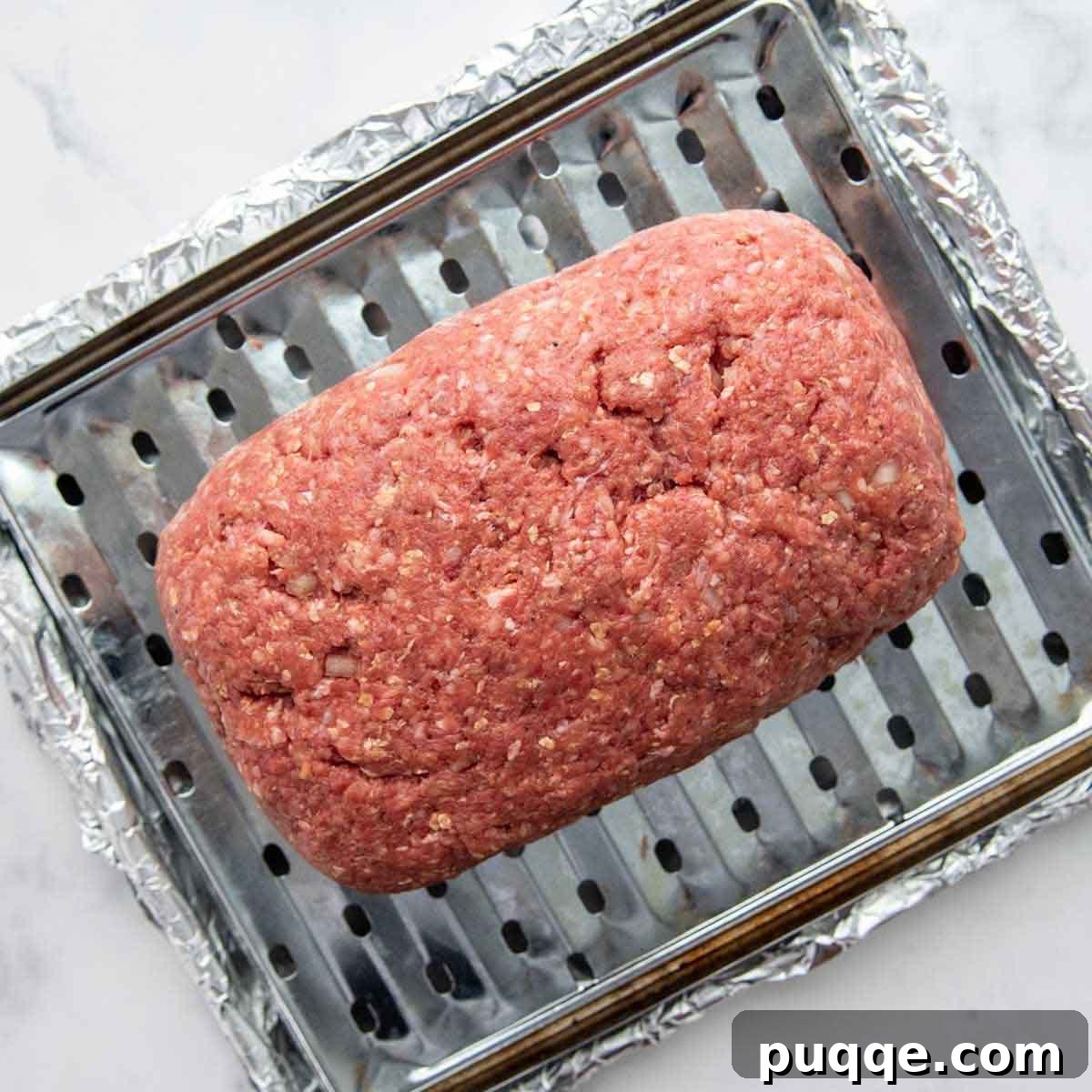
Start by grabbing a large mixing bowl. Lightly whisk the eggs, then add your key binder – certified gluten-free oats – along with ketchup, finely chopped onion, gluten-free Worcestershire sauce, salt, and pepper. Give it a good stir to combine these flavorful ingredients. Next, add the ground beef. While a wooden spoon might seem like the civilized choice, don’t hesitate to ditch it and get your hands in there! Mixing with your hands ensures all ingredients are thoroughly and evenly incorporated without overworking the meat, which is essential for a tender meatloaf.
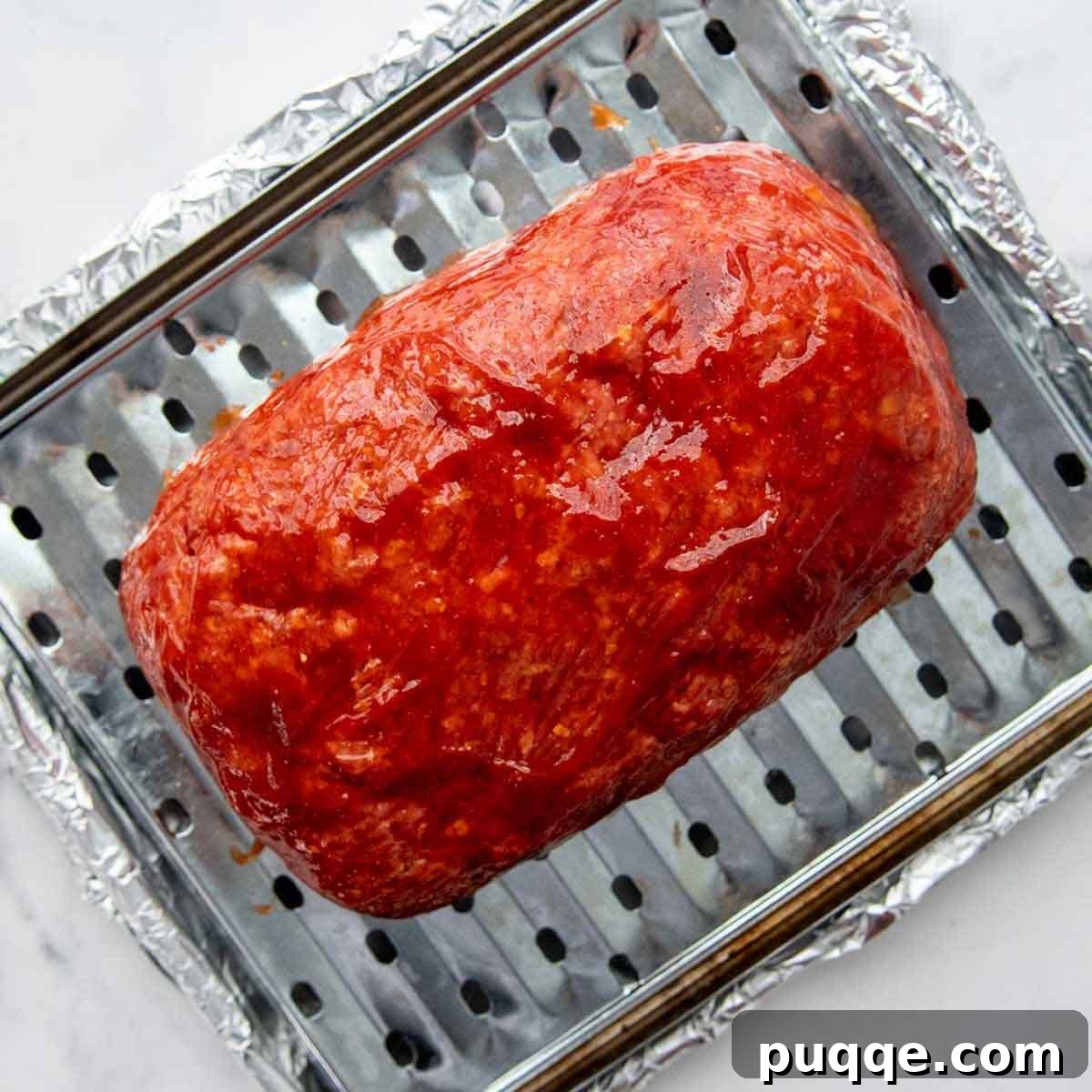
For baking, you have a few options. A simple setup involves lining a small baking pan with foil to catch any drippings, then placing your shaped meatloaf on a small broiler pan insert. This allows air circulation and helps create a lovely crust. Alternatively, a baking sheet or a loaf pan (lined for easy cleanup) works well too.
Step 2: The Art of the Signature Glaze
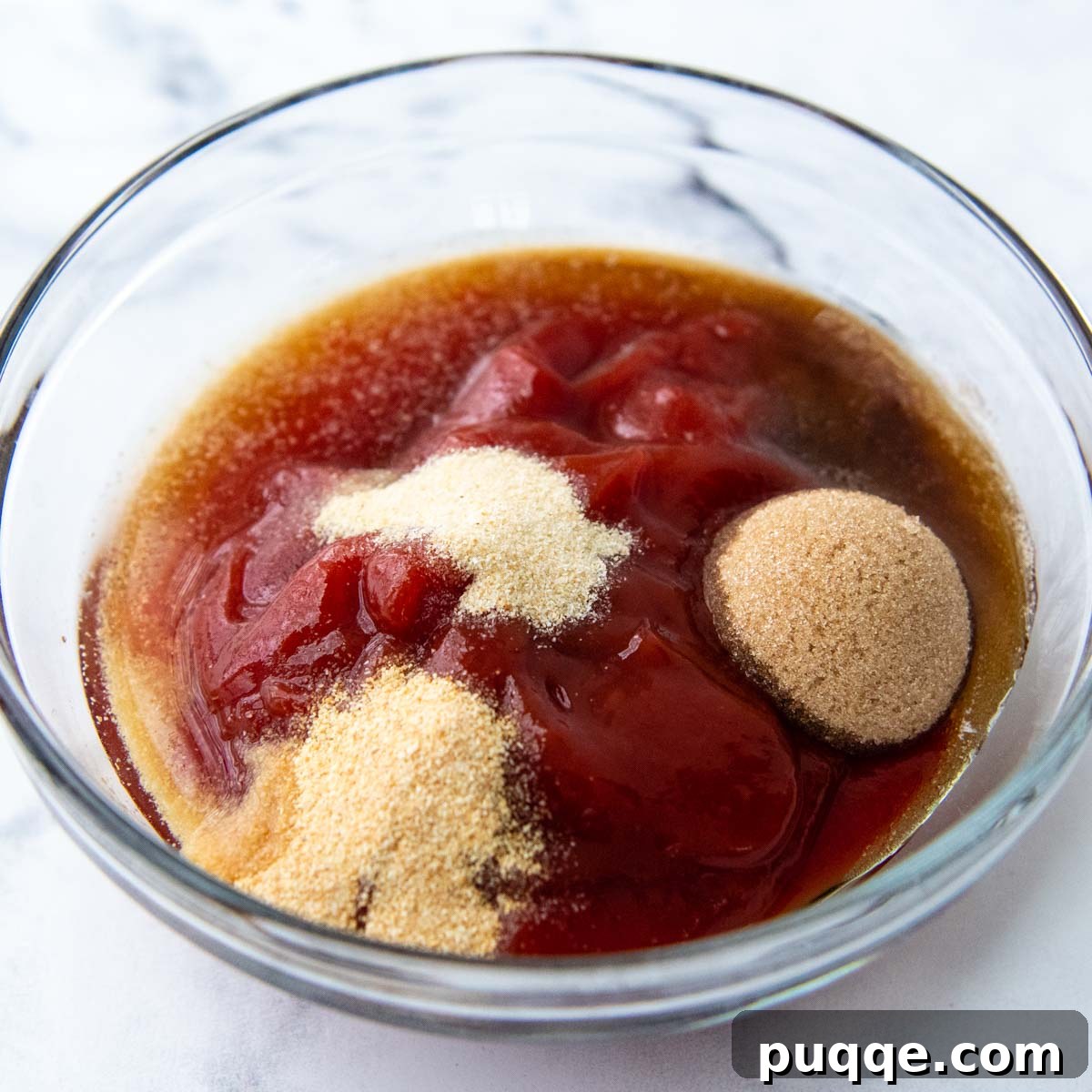
The glaze is what truly elevates this meatloaf, delivering that irresistible sweet and tangy finish reminiscent of classic homemade versions. Our base recipe calls for a delightful mix of ketchup, brown sugar, apple cider vinegar, garlic powder, and onion powder. This creates a perfect balance of flavors that caramelizes beautifully in the oven. However, feel empowered to make it your own! Many in our community have shared their ingenious variations – some prefer less sugar, a splash of balsamic for added depth, or a hint of cayenne for a spicy kick. Don’t be afraid to experiment with your favorite seasonings to personalize this crucial element.
Step 3: Achieving the Perfect Bake
The baking process is key to both cooking the meatloaf thoroughly and developing that essential sticky, caramelized glaze. Begin by preheating your oven to 350ºF. Once the meatloaf is shaped and placed on your prepared pan, brush about one-third of the mixed glaze evenly over the top and sides. Bake for an initial 45 minutes. This first bake allows the meatloaf to begin cooking while the glaze sets slightly.
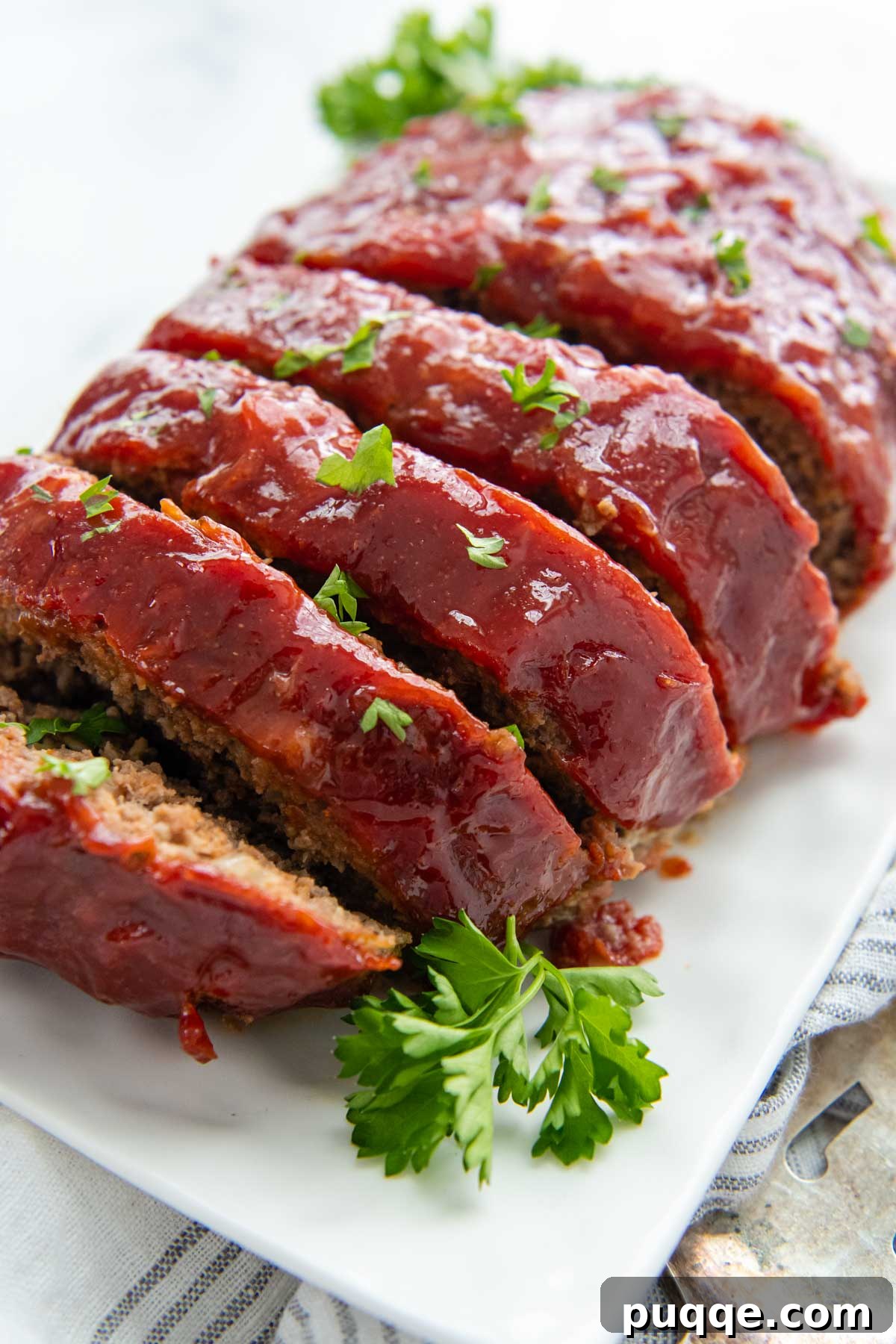
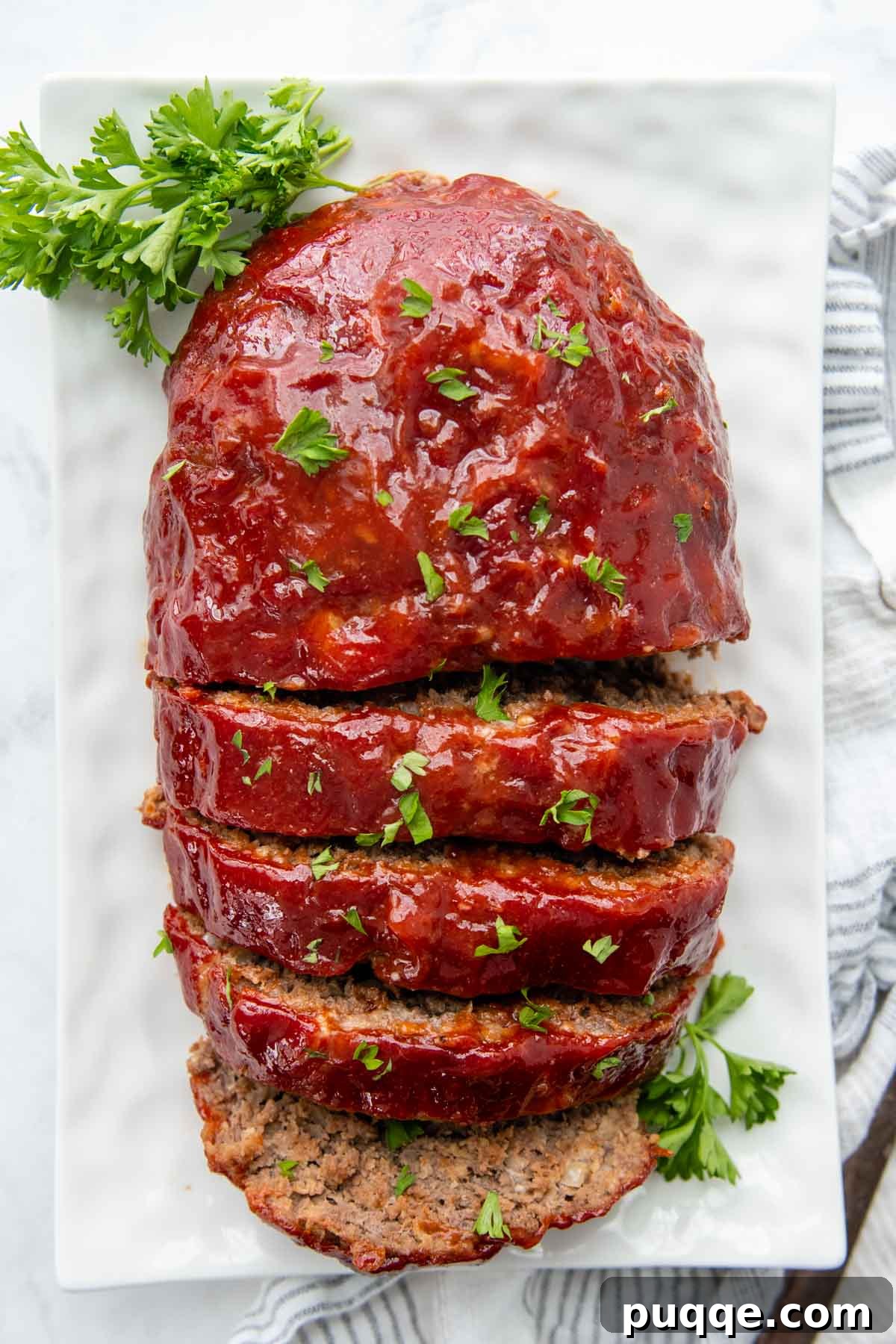
After 45 minutes, increase the oven temperature to 400ºF. Carefully remove the meatloaf from the oven and apply the remaining glaze, ensuring a thick, even coating. Return it to the hotter oven and bake for another 20 minutes, or until an instant-read thermometer inserted into the thickest part of the loaf registers 160ºF. This two-stage baking, with the temperature increase, helps the glaze caramelize beautifully without burning. Once done, let the meatloaf rest for 10 minutes before slicing and serving. This crucial resting period allows the juices to redistribute throughout the loaf, guaranteeing a truly moist and tender result.
Exploring Gluten-Free Binder Alternatives (No Oats? No Problem!)
While certified gluten-free oats are our top recommendation for their binding power and neutral flavor, dietary restrictions or pantry availability might mean you need an alternative. Fortunately, there are several other excellent gluten-free substitutes that can help you achieve a moist and cohesive meatloaf:
- Almond Flour: A great low-carb and gluten-free option. Use a slightly smaller amount than oats, as it can be more absorbent. It imparts a subtle nutty flavor.
- Crushed Gluten-Free Cereal: Cereals like corn or rice Chex, when crushed, mimic the texture and absorption of traditional breadcrumbs. Ensure the cereal is certified gluten-free and unsweetened for savory applications.
- Potato Flakes (Instant Mashed Potato Flakes): These are fantastic binders, providing a light and airy texture. They absorb moisture incredibly well and are generally quite neutral in flavor.
- Gluten-Free Crackers: Crushed gluten-free crackers can be an excellent substitute, offering a similar texture to breadcrumbs. Choose plain, unsalted varieties to avoid altering the flavor profile too much.
When experimenting with substitutes, remember that different binders absorb liquid at varying rates. You might need to adjust the amount slightly to achieve the desired consistency—the mixture should be moist enough to hold its shape but not overly wet.
Want to customize your glaze beyond the classic ketchup? No problem! Ketchup forms a delicious, tangy base, but it’s incredibly versatile. Feel free to swap out an equal amount of BBQ sauce for a smoky twist, tomato sauce or marinara for a richer, more Italian-inspired flavor, chili sauce for a subtle kick, or even salsa for a Tex-Mex flair. For those looking to cut back on sweetness, simply reduce the brown sugar or replace it with a touch of Dijon mustard or more Worcestershire sauce. Many readers have shared their unique glaze combinations in the comments below, so be sure to check them out for even more inspiration!
Elevate Your Meatloaf: Pro Tips & Customization Ideas
Beyond the core recipe, a few clever tricks and creative customizations can transform your gluten-free meatloaf from great to truly exceptional. Here are some pro tips and ideas to make your dish stand out:
Mastering Your Meatloaf Mix
- Onion Prep Matters: Love onions but dislike their sharp raw bite? Finely chop them to ensure they cook down completely and meld into the meatloaf. For an even milder flavor, sauté the onions gently before adding them to the mixture. If you enjoy a more pronounced, slightly crisp texture, opt for larger chopped pieces.
- Avoid Over-Mixing: This is a golden rule for any ground meat dish! Over-mixing and compressing the meatloaf mixture can lead to a tough, dense result. Mix just until the ingredients are combined. You want the loaf to hold its shape but remain tender.
- Smart Baking Pans: For easy cleanup, always line your baking pan with aluminum foil or parchment paper. This will catch any delicious juices and glaze drippings, preventing them from baking onto your pan.
- Even Thickness for Even Cooking: If you’re not using a loaf pan, take care to shape your meatloaf with an even thickness throughout. This prevents the edges from drying out and overcooking while the center is still coming up to temperature, ensuring a consistently juicy loaf.
- The Crucial Rest: Patience is a virtue, especially after baking! Letting the meatloaf rest for 10 minutes before slicing allows the internal juices to redistribute. This step is key for a tender, moist, and flavorful slice every time.
Creative Glaze Variations
While our classic sweet and tangy glaze is a winner, don’t hesitate to get creative:
- Spicy Kick: Add a pinch of red pepper flakes or a dash of hot sauce to your glaze for a fiery touch.
- Smoky Depth: A teaspoon of smoked paprika or a splash of liquid smoke can add wonderful smoky notes.
- Herbal Infusion: Mix in some dried herbs like oregano, thyme, or rosemary into your meat mixture for an aromatic boost.
- Umami Boost: A tablespoon of soy sauce (ensure it’s gluten-free!) or extra Worcestershire sauce can deepen the savory profile.
Serving Suggestions & Perfect Pairings
What’s meatloaf without its trusty sidekicks? Here are some ideas for a complete and satisfying meal:
- Classic Comfort: Creamy mashed potatoes (dairy-free if needed!) are a timeless pairing, perfect for soaking up any extra glaze.
- Roasted Vegetables: A medley of roasted carrots, broccoli, or Brussels sprouts adds color, nutrients, and a touch of sweetness.
- Green Beans: Simple steamed or sautéed green beans with garlic are a light and fresh accompaniment.
- Mac and Cheese: For ultimate comfort, serve alongside gloriously creamy gluten-free mac and cheese.
Save This Recipe to Your Pinterest Board!
Let’s be friends on Pinterest! I’m always sharing great recipes!
Did you make this recipe? We love hearing from you! Your feedback helps others discover amazing recipes. Please consider leaving a star rating and comment below. You will always hear back from me! -Melissa
Overall Rating: 4.94 stars (73 ratings)
Juicy Gluten-Free Meatloaf (Taste Like Mom’s!)

Melissa Erdelac
8 servings
10 mins
1 hr 5 mins
1 hr 15 mins
The best gluten-free meatloaf has a classic taste just like the old-fashioned recipe you grew up on. This simple, traditional, and dairy-free recipe has a juicy texture without using breadcrumbs, only gluten-free oats as a binder, and a rich, tangy glaze coating. It’s old school family dinner taste at its best!
Pin Recipe
Rate This Recipe
Ingredients
Gluten-Free Meatloaf
- 2 large eggs
- ½ cup quick cooking oats, certified gluten-free
- ⅓ cup ketchup
- ⅓ cup onion, finely chopped
- 1 tablespoon Worcestershire sauce, (read label for gluten-free, Lea & Perrins original is recommended)
- 1 teaspoon salt
- ½ teaspoon pepper
- 2 pounds 85% lean ground beef
Glaze
- ¾ cup ketchup
- 2 tablespoons brown sugar
- 2 teaspoons apple cider vinegar
- ½ teaspoon garlic powder
- ¼ teaspoon onion powder
Equipment
- Small Broiler Pan
- Gluten-Free Quick Oats
- Santoku Knife
Instructions
- Preheat your oven to 350°F (175°C). Line the bottom of a smaller broiler pan with aluminum foil and place the insert on top. Alternatively, line a baking sheet or a standard baking pan with foil and set aside.
- In a large bowl, lightly whisk the eggs. Add the quick-cooking oats, ketchup, finely chopped onion, Worcestershire sauce, salt, and pepper. Stir these ingredients until well combined. Then, add the ground beef and mix everything together thoroughly, preferably by hand, until all ingredients are evenly distributed. Be careful not to over-mix.
- In a small separate bowl, whisk together all the glaze ingredients: ketchup, brown sugar, apple cider vinegar, garlic powder, and onion powder, until smooth.
- Shape the meatloaf mixture into an even, uniform loaf and place it on your prepared baking pan. Brush approximately one-third of the prepared glaze over the top and sides of the meatloaf. Bake in the preheated oven for 45 minutes.
- After the initial 45 minutes, increase the oven temperature to 400°F (200°C). Carefully remove the meatloaf from the oven and brush on the remaining glaze, ensuring it covers the loaf completely. Return the meatloaf to the hotter oven and continue to bake for another 20 minutes, or until an instant-read meat thermometer inserted into the thickest part of the loaf registers an internal temperature of 160°F (71°C).
- Once baked, remove the meatloaf from the oven and let it rest for 10 minutes before slicing and serving. This resting period is crucial for the juices to redistribute, ensuring a moist and flavorful meatloaf.
Notes
Storing, Reheating, Make-Ahead and Freezing Tips
Storing: After your delicious meatloaf has completely cooled, transfer any leftovers to an airtight container and refrigerate for up to 3 days. This ensures freshness and flavor are maintained for future meals.
Reheating: For oven reheating, place individual slices or a portion of the loaf in an oven-safe baking dish. To keep it moist, sprinkle a touch of water or broth over the meatloaf and cover the dish tightly with foil. Bake in a 250ºF (120°C) oven for 20-30 minutes, or until it’s heated through to your desired temperature.
For a quicker method, reheat slices in the microwave. It’s best to reheat individual slices rather than an unsliced loaf for even warming. Start by reheating at 50% power for 2-3 minutes, or until nearly heated through. Finish at full power until hot. Alternatively, for a slightly crispy exterior, place slices in a lightly greased nonstick skillet over medium-low heat for 3-4 minutes per side.
Make-ahead: This meatloaf is perfect for meal prep! You can assemble the meatloaf mixture up to 24 hours before baking. Simply shape the loaf, wrap it securely in plastic wrap, and refrigerate. Store the glaze separately in an airtight container in the fridge. When ready to bake, proceed with the recipe as directed.
Freezing: Both unbaked and baked meatloaf can be frozen for future enjoyment. While unbaked meatloaf can theoretically be cooked from frozen, we recommend thawing it overnight in the refrigerator. This allows for faster, more even baking and significantly reduces the likelihood of it drying out. To freeze baked leftovers, slice the meatloaf and wrap individual slices securely in plastic wrap. Transfer the wrapped slices to a ziplock freezer bag or an airtight freezer-safe container. Freeze for up to 3 months. Thaw slices overnight in the refrigerator and reheat using any of the methods listed above.
Nutrition Information (per serving):
Calories: 332kcal, Carbohydrates: 16g, Protein: 24g, Fat: 18g, Saturated Fat: 7g, Polyunsaturated Fat: 1g, Monounsaturated Fat: 8g, Trans Fat: 1g, Cholesterol: 118mg, Sodium: 698mg, Potassium: 506mg, Fiber: 1g, Sugar: 11g, Vitamin A: 229IU, Vitamin C: 2mg, Calcium: 38mg, Iron: 3mg
Frequently Asked Questions (FAQ) About Gluten-Free Meatloaf
Q: Can I use steel-cut oats instead of quick-cooking oats?
A: While quick-cooking or rolled oats are ideal for their texture and absorbency, you can use finely ground steel-cut oats if that’s all you have. However, you might need to process them in a food processor first to a finer consistency to ensure proper binding and a smooth texture in your meatloaf.
Q: My meatloaf turned out dry. What went wrong?
A: Dry meatloaf can result from several factors. Over-mixing the meat can make it tough and dry. Using too lean of ground beef (like 95% lean) can also contribute, as fat adds moisture. Ensure you’re not overcooking it; the internal temperature should reach 160°F (71°C) – no higher. And remember to let it rest for 10 minutes after baking to allow the juices to redistribute.
Q: Is this recipe suitable for those with other allergies, like dairy?
A: Yes! This recipe is naturally dairy-free. The oats and other ingredients do not contain dairy, making it an excellent choice for individuals avoiding both gluten and dairy.
Q: How can I prevent my meatloaf from crumbling?
A: Proper binding and gentle mixing are key. Ensure your eggs are well incorporated, as they act as a crucial binder. The oats will also help hold everything together. Avoid over-mixing, but ensure all ingredients are evenly distributed. Letting the meatloaf rest before slicing is also vital, as it allows the structure to set.
Q: Can I prepare the meatloaf ahead of time and freeze it unbaked?
A: Absolutely! You can assemble the meatloaf, shape it, and wrap it tightly in plastic wrap before freezing it unbaked. Thaw it overnight in the refrigerator before baking as directed. This is a great time-saver for busy weeknights.
Q: What kind of ground beef is best for meatloaf?
A: We recommend using 85% lean ground beef. This ratio provides enough fat to keep the meatloaf moist and flavorful without being excessively greasy. Leaner cuts might result in a drier meatloaf, while fattier cuts might make it too oily.