
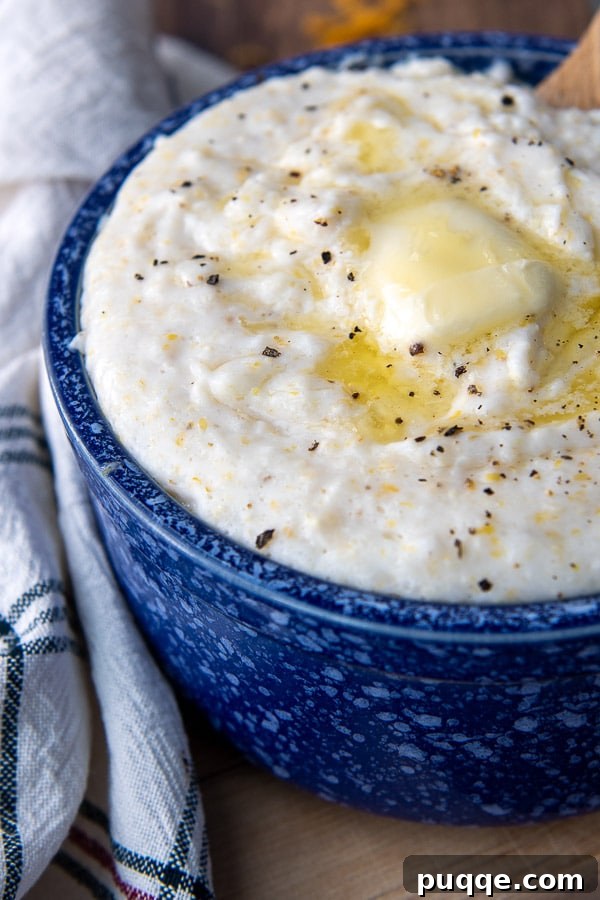
Welcome to the ultimate guide on how to make grits – your comprehensive resource for achieving perfectly fluffy, creamy, and flavorful grits every single time! Whether you’re a seasoned Southern cook or new to this beloved staple, this article will walk you through everything you need to know. From understanding the different types and varieties of grits to mastering various cooking methods, discovering delicious serving suggestions, and unlocking invaluable tips and tricks, you’ll become a grits expert in no time.
No matter your preference – be it basic, cheesy, spicy, sweet, thick, or wonderfully creamy – we’ll show you the path to perfection!
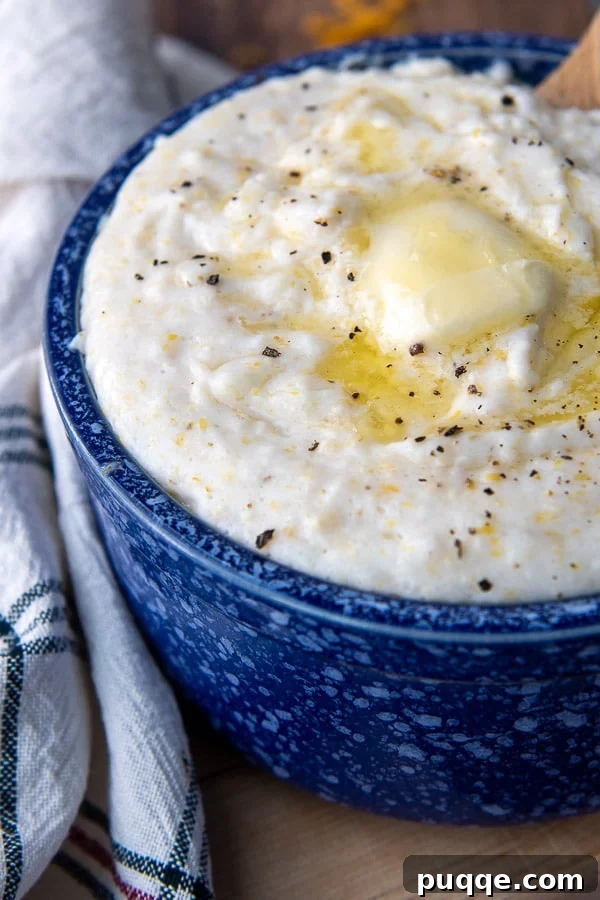
What Are Grits Made From? Understanding the Southern Staple
Grits, a foundational component of Southern cuisine, are primarily made from dried corn. However, it’s important to distinguish that the corn used for grits is not the sweet corn typically enjoyed on the cob or as a side dish. Instead, grits are derived from a specific variety known as dent corn.
Dent corn, also referred to as field corn, is characterized by its high starch content and a small indentation (or “dent”) on the crown of each kernel when dried. This type of corn is widely cultivated and serves as the raw material for various corn products beyond grits, including cornmeal flour, corn chips, tortillas, and taco shells. Its starchy composition is what gives grits their characteristic creamy texture when cooked.
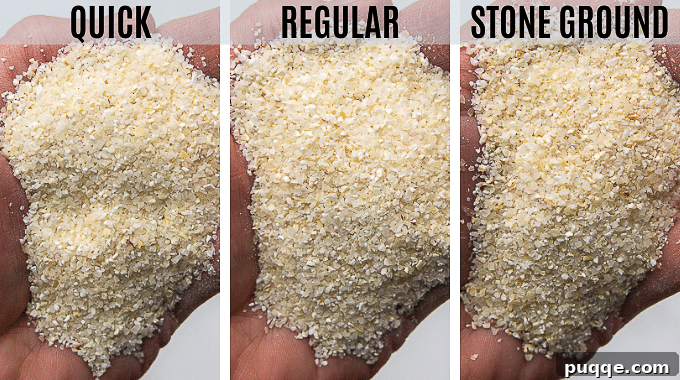
While all grits originate from dent corn, they undergo different grinding and processing methods, which result in the various types available on the market. Each variety boasts distinct characteristics, requiring different cooking times and techniques to achieve optimal results. Understanding these differences is key to selecting the right type for your desired dish and cooking schedule.
Exploring the Diverse Types and Varieties of Grits
Navigating the world of grits can sometimes feel daunting, especially when faced with choices like stone ground versus regular, or quick versus instant. The “best” variety ultimately depends on your available time, desired texture, and whether you prefer a more hands-on or hands-off cooking experience. Let’s delve into the different types you’re likely to encounter:
Southern Stone Ground Grits
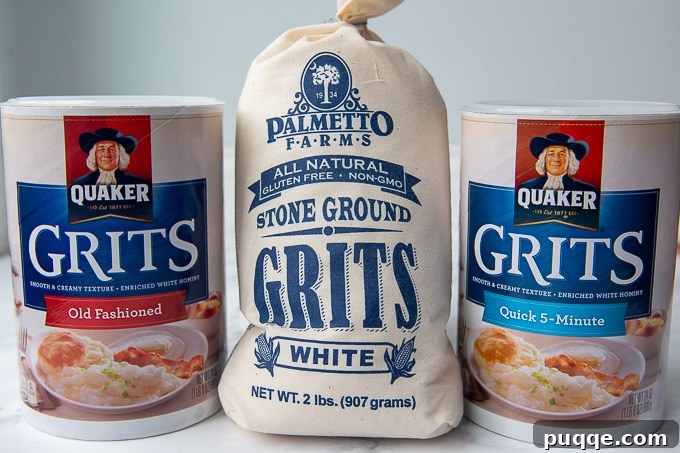
Considered the artisanal, old-fashioned choice, stone ground grits are produced by coarsely grinding the entire dried corn kernel between two large stones. This traditional milling method results in a rustic, speckled appearance due to the inclusion of the corn’s germ and hull. These less-processed grits offer a richer, more authentic corn flavor and a wonderfully complex texture.
Due to their minimal processing, stone ground grits have a shorter shelf life compared to commercially processed varieties. For optimal freshness and to prevent spoilage, it’s recommended to store them in the freezer. While they might be less common outside the Southern states, quality brands like Palmetto Farms, Geechie Boy, and Charleston Favorites are often available online. Larger natural food brands such as Trader Joe’s and Bob’s Red Mill also offer their own stone ground versions.
When cooked, stone ground grits are renowned for their incredible creaminess, often with a delightful, slight chewiness from the coarser grind. They do require the most attention and cooking time on the stovetop, typically 35-40 minutes with occasional stirring, to break down the starches and achieve their signature texture. However, for those seeking convenience without compromising on quality, stone ground grits can also be successfully prepared using a pressure cooker (Instant Pot) or a slow cooker.
Regular or Old-Fashioned Grits
Regular grits, often labeled “old fashioned,” are ground more finely than stone ground varieties, which significantly reduces their cooking time. On the stovetop, they generally take about 15-20 minutes to cook. These grits are typically mass-produced by large brands, such as Quaker, using modern machinery rather than traditional grist mills.
While they may lack the distinctive rustic texture and intense corn flavor of stone ground grits, regular grits are widely available and offer a consistent, smooth result. They are a reliable choice for everyday meals when you want a classic bowl of grits without the longer cooking commitment of their coarser counterparts.
Hominy Grits
Hominy grits derive their distinctive white color from a specific processing method. The dried corn kernels are treated with an alkali solution (like lye or lime) in a process called nixtamalization. This process removes the corn’s hull and germ, and also softens the outer layer, making the corn more nutritious and easier to digest. While dried hominy can be used interchangeably with other grits in many recipes, the term “hominy grits” specifically refers to grits made from nixtamalized corn, giving them a unique flavor and texture profile.
Quick Grits
Quick grits are an excellent option for busy mornings or when time is of the essence. They are ground even finer than regular grits, allowing them to cook much faster – typically requiring only 5-10 minutes on the stovetop. This accelerated cooking time makes them ideal for everyday breakfasts or as a convenient ingredient in recipes where they’ll undergo further cooking, such as in a cheese grits casserole or for making crispy grit cakes.
Instant Grits
For the ultimate in speed and convenience, instant grits come in individual packets and are pre-cooked and dehydrated. They require minimal preparation, often just a couple of minutes in the microwave with hot water. While undeniably fast, the trade-off is often in flavor and texture. Instant grits tend to be blander and can have a less satisfying consistency compared to other varieties, making them a less memorable option for many grits aficionados.
Yellow vs. White Corn Grits: A Subtle Distinction
The primary difference between yellow and white corn grits lies simply in the color of the corn kernel they are made from. If tasted in a blind test, many people would find it challenging to detect a significant difference. However, there are indeed some subtle variances in their flavor profiles and characteristics:
- Yellow grits are generally made from yellow dent corn. They are often perceived as slightly richer in starch and possess a more pronounced “corn” taste. Their golden hue can also add a visually appealing warmth to dishes.
- White grits, made from white dent corn, tend to have a milder flavor and can sometimes have a slightly higher sugar content. Their delicate taste makes them particularly well-suited for dishes where you want to highlight added ingredients like butter, cream, or cheeses, allowing those flavors to shine through.
Are Grits Gluten-Free?
A common question regarding grits is their gluten content. The good news is, in their pure form, grits do not contain gluten. Since they are made solely from ground corn, which is a naturally gluten-free grain, they are generally safe for individuals with gluten sensitivities or celiac disease.
However, it’s crucial to be aware that some commercially packaged brands, such as Quaker, may not be certified gluten-free. This is because they might be processed in facilities that also handle gluten-containing products, leading to a risk of cross-contamination. If you have a severe gluten allergy or intolerance, always look for grits that are explicitly labeled and certified gluten-free to ensure their safety.
For those interested in exploring other naturally gluten-free grains, you might also enjoy learning how to cook oat groats, another wholesome and versatile option.
What to Serve with Grits: Versatile Pairing Ideas
If you’re wondering what delectable dishes to serve alongside grits, you’ll be delighted by the sheer breadth of options. Grits are far more versatile than just a traditional Southern breakfast item! While undeniably perfect with eggs and breakfast meats, this creamy staple seamlessly complements a wide array of weeknight dinners, making it a naturally gluten-free side dish that the entire family can enjoy.
Beyond the breakfast table, our creamy grits recipe truly shines when paired with:
- BBQ meats: Ideal with savory options like BBQ pulled chicken, tender ribs, or slow-cooked pork.
- Grilled proteins: A fantastic accompaniment to grilled chicken breasts, pork tenderloin, or flaky fish.
- Seafood: The classic pairing of shrimp and grits is legendary, but they also complement other seafood dishes beautifully.
- Sausages: From breakfast sausage to spicy Italian sausage, grits absorb and enhance the flavors.
- Creative Swaps: Think of grits as a delicious alternative to pasta, rice, or potatoes. Whatever you’d serve with those, try swapping in grits for a Southern twist!
For a hearty and satisfying vegetarian dish, try roasting or grilling an assortment of your favorite vegetables and piling them high atop a generous bed of creamy grits. Elevate the flavors further by adding a dollop of marinara sauce, fresh mozzarella, tangy goat cheese, or rich burrata.
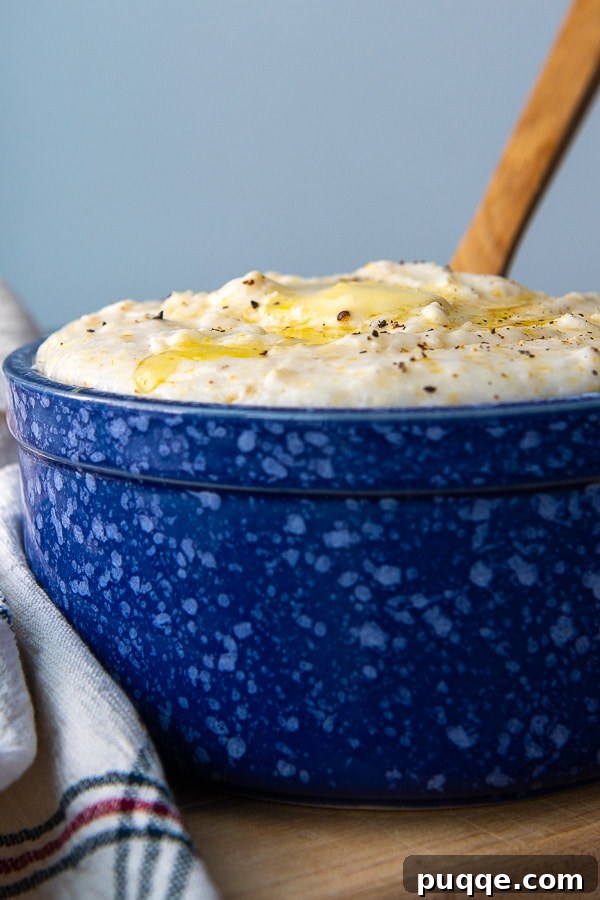
The Perfect Grits to Water Ratio and Liquid Choices
Achieving perfectly cooked grits starts with the correct liquid ratio. For most varieties, a 1 to 4 ratio of grits to liquid is ideal. This means for every 1 cup of dry grits, you should add 4 cups of liquid. This proportion ensures the grits have enough moisture to fully hydrate, soften, and develop their creamy texture without becoming too thin or too thick.
While water is the fundamental liquid, many cooks enjoy customizing their grits by incorporating other liquids for enhanced flavor and creaminess:
- Milk: Some chefs prefer to replace up to half of the water with milk to make their grits inherently creamier. The milk adds richness and a subtle sweetness that complements the corn flavor.
- Half-and-Half or Cream: For truly indulgent grits, I recommend reserving half-and-half or heavy cream to be stirred in during the last minute or two of cooking. Cream contains more fat solids than milk, which can absorb quickly into the grits, potentially making them very thick if added too early. Adding it at the end allows you to control the final consistency and inject a luxurious finish.
- Broth or Stock: For savory dishes, especially those like shrimp and grits, a portion of the water can be replaced with chicken or vegetable broth (or stock). This infuses the grits with a deeper, more complex savory base. Remember, if using stock, which often contains sodium, be sure to reduce the amount of salt initially added to the cooking liquid to prevent over-seasoning.
How to Cook Grits: Methods for Every Lifestyle
Cooking grits can be approached in various ways, each offering distinct advantages. The traditional Southern method typically involves stovetop preparation, requiring a watchful eye and frequent stirring to achieve that coveted creamy consistency. However, for those seeking a more convenient or hands-off approach, several alternative methods yield equally delicious results. Whatever method you choose, remember that leftover grits are fantastic for making crispy grit cakes – a versatile dish perfect as an appetizer, a unique breakfast item, or a satisfying dinner side.
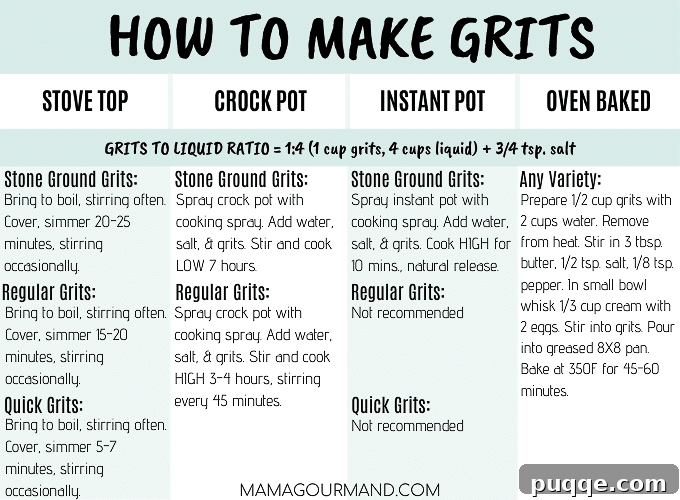
Secrets to Making Grits Extra Creamy!
While the basic grits recipe is wonderful, there are simple techniques to elevate them to an incredibly creamy, luxurious side dish. Here are my favorite tips for achieving that ultimate velvety texture:
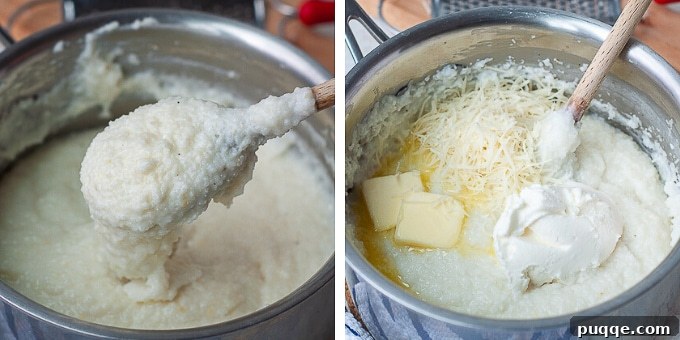
- Incorporate Milk During Cooking: For a foundational layer of creaminess, substitute half of the recommended water with milk when you begin cooking. This adds richness from the start.
- Finish with Heavy Cream: Just before serving, stir in a generous splash of heavy cream or half-and-half. The high-fat content will melt into the grits, providing an instant boost of velvety texture and flavor.
- Add Soft Cheeses for Unrivaled Smoothness: This is often my “secret ingredient” for truly exceptional grits. Once the grits are cooked and off the heat, stir in a spoonful of soft cheese. Options include cream cheese, grated Parmesan, sharp cheddar, or my personal favorite, ricotta cheese. TIP: Ensure the grits are done cooking and off the heat before adding these cheeses. If you add them too early or while still boiling, the proteins can seize, leading to a lumpy texture.
- Never Forget the Butter: A few tablespoons of good quality butter stirred in at the very end will not only add incredible flavor but also contribute significantly to the overall creamy mouthfeel.
Essential Tips & Tricks for Perfect Grits
Mastering grits is easy with a few insider tips. These tricks will help ensure your grits are always perfectly cooked, seasoned, and deliciously creamy:
- Versatility with Polenta: This recipe isn’t just for grits! If you enjoy a similar texture, you can also use quick-cooking polenta as a substitute, following similar cooking guidelines for a delightful variation.
- Salt the Water First: It’s critical to salt the water before adding the grits. Grits absorb seasoning much more effectively during the cooking process. If you wait until they are fully cooked, they won’t absorb as much flavor, and you might end up with bland grits. Taste and adjust seasoning at the end, but ensure the base liquid is well-salted.
- Cheese Substitutions: While ricotta and Parmesan are fantastic, don’t hesitate to experiment with other cheeses. Cream cheese offers a tangy creaminess, while cheddar, Colby, or pepper jack can add robust flavor and a gooey texture, perfect for savory dishes.
- Understanding Cream vs. Milk: As mentioned, adding half-and-half or heavy cream during the last minute of cooking is ideal. This is because cream has a higher solid content than milk. If cream is added too early, these solids can cause the grits to thicken excessively and potentially become gummy. Stirring it in at the end allows for perfect consistency control.
- Stovetop Stirring Technique: When cooking grits on the stovetop, stir frequently, especially in the initial stages, until the grits have absorbed most of the liquid and become a thick, soupy consistency. Once this happens, reduce the heat to a low simmer, cover the saucepan with a lid, and continue stirring occasionally. This helps prevent sticking and ensures even cooking until they are thick, smooth, and fully tender.
Adjusting Thickness: Thicker or Thinner Grits
The ideal thickness of grits is entirely a matter of personal preference. Some prefer a loose, almost soupy consistency, while others favor a denser, spoon-standing texture. Fortunately, it’s very easy to adjust them to your liking:
- If you prefer them runnier, simply stir in a little more milk, cream, or even warm water towards the end of cooking until you reach your desired consistency.
- If thicker grits are what you crave, continue to cook them gently for a few extra minutes, allowing more of the liquid to evaporate and the starches to fully expand. Keep stirring occasionally to prevent sticking.
How to Reheat Grits Successfully
Grits, like many grain-based dishes, can thicken considerably as they cool. Reheating them properly ensures they regain their creamy texture without becoming dry or lumpy. Here’s how:
- To reheat in the microwave: Transfer your leftover grits to a microwave-safe bowl. Heat at 50% power, stirring every minute or so, until they begin to warm and loosen. As they warm, gradually add a little milk (or water/broth) and stir well to rehydrate. Finish heating at full power, continuing to stir occasionally, until they are hot and creamy.
- To reheat on the stovetop: Place the grits in a saucepan over low heat. Stir occasionally as they warm and begin to loosen. Just like with the microwave method, add a splash of milk (or water/broth) and stir it in. Gradually raise the heat slightly and continue stirring until the grits are thoroughly heated through and have reached your desired creamy consistency.
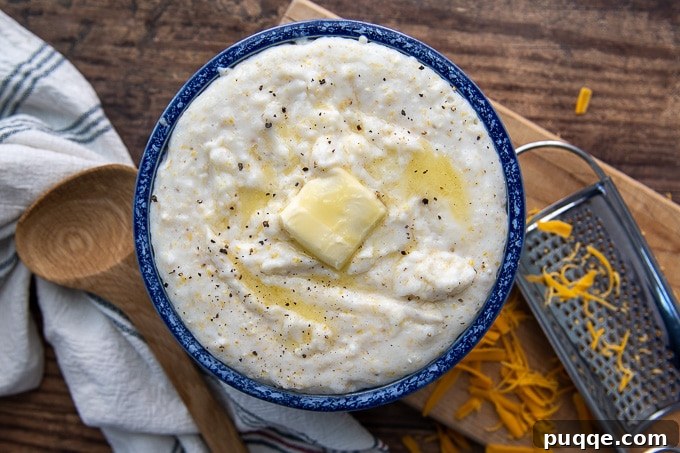
Save this Recipe to Your Pinterest Board!
Let’s be friends on Pinterest! We’re always sharing great recipes!
Did you make this recipe? We love hearing from you! Leave a star rating and comment below the recipe card. Your feedback helps others discover great recipes, and we always appreciate hearing from our community! -Melissa

4.36 stars (51 ratings)
How to Make Creamy Grits

Melissa Erdelac
This recipe guides you on how to make foolproof, incredibly creamy grits using butter, Parmesan, and a touch of ricotta cheese. It’s the perfect Southern-style side dish for any meal – breakfast, brunch, or dinner.
Pin Recipe
Rate Recipe
Ingredients
- 2 cups water
- 2 cups milk
- ½ teaspoon salt
- Dash of pepper
- 1 cup stone ground grits (see notes for other types)
- 3 tablespoons butter
- ½ cup ricotta cheese
- ½ cup freshly grated Parmesan
Instructions
- In a medium saucepan, bring the water, milk, salt, and pepper to a boil over high heat. Gradually add the grits, stirring constantly to prevent lumps.
- Reduce the heat to medium and continue boiling while stirring. Once the grits have absorbed most of the liquid and appear thick and soupy, cover the saucepan with a lid and reduce the heat to a low simmer. Stir occasionally for 25-35 minutes, or until the grits are thick, creamy, and tender.
- Remove the saucepan from the heat. Stir in the butter, ricotta cheese, and Parmesan until everything is smooth and fully combined. Taste and adjust seasonings if necessary. Serve immediately while hot.
Nutrition Information
(Approximate values per serving)
- Calories: 209kcal
- Carbohydrates: 23g
- Protein: 7g
- Fat: 8g
- Saturated Fat: 5g
- Cholesterol: 25mg
- Sodium: 663mg
- Potassium: 113mg
- Fiber: 1g
- Sugar: 3g
- Vitamin A: 335IU
- Calcium: 285mg
- Iron: 10.2mg
Did you make this recipe?
Please leave a star rating and review below. Your feedback helps others when searching for recipes, and we LOVE to hear from you!