
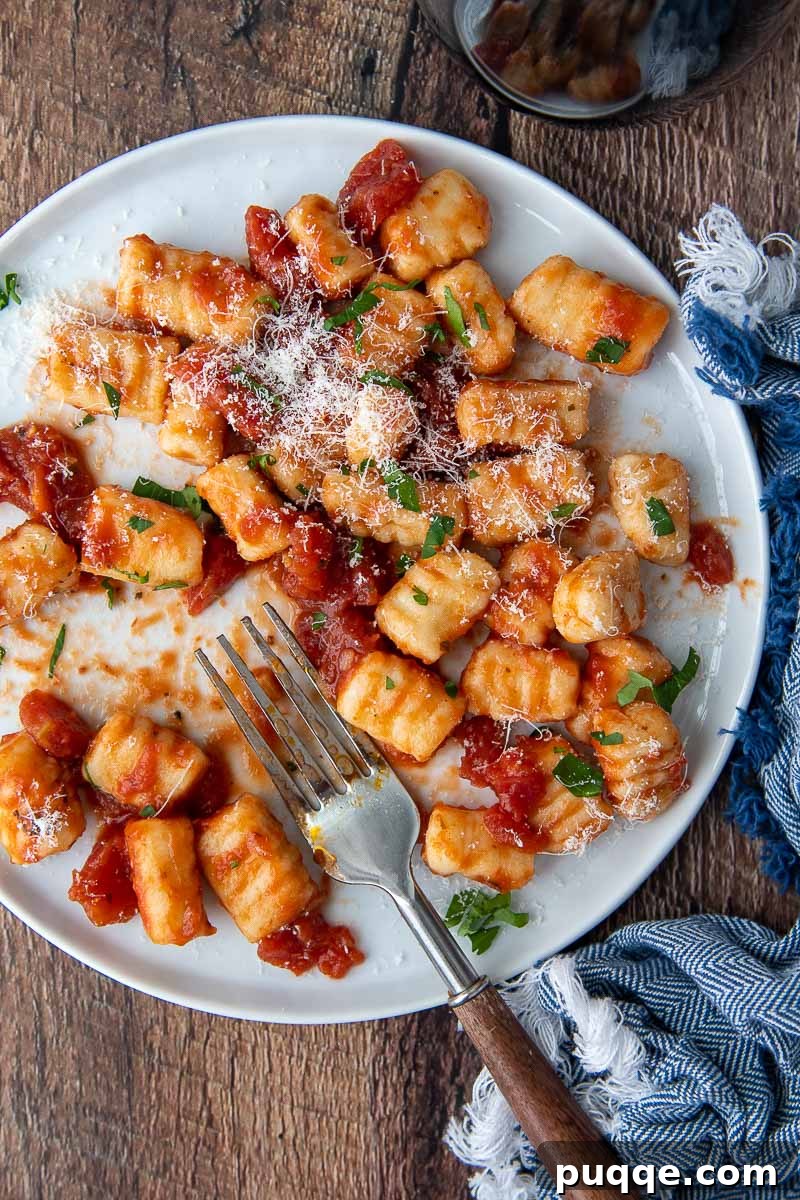
Unlock the secret to perfect homemade gluten-free gnocchi in under 30 minutes! This incredibly simple recipe calls for just a handful of ingredients: creamy whole milk ricotta cheese, a trusted gluten-free flour blend, rich olive oil, an egg, and a touch of Parmesan cheese. The beauty of ricotta gnocchi lies in its effortless preparation, making it a dream for quick weeknight dinners or impressive weekend meals. Simply prepare the dough, shape, cook, and toss with your favorite sauce for an authentic Italian experience, completely gluten-free.
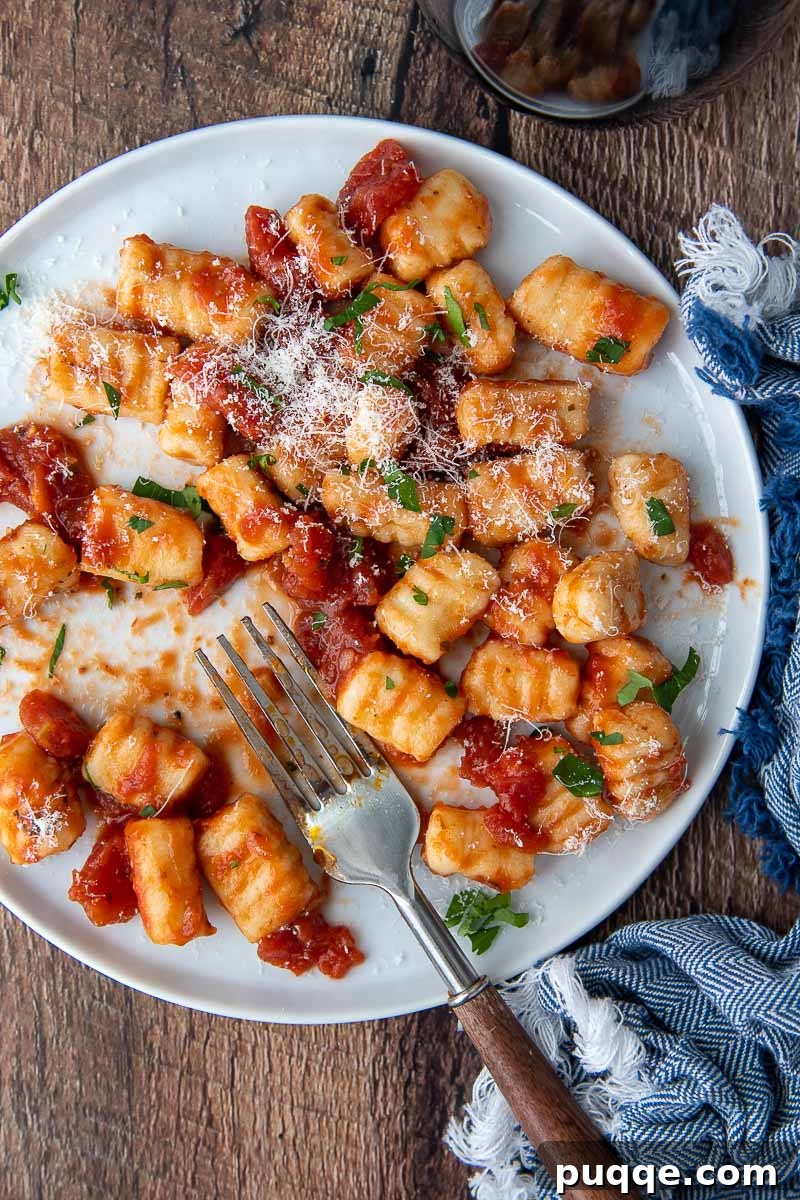
Mastering the Art of Gluten-Free Ricotta Gnocchi
Growing up in a first-generation Italian household meant that store-bought pasta was practically forbidden. My Italian Gramma and my mom meticulously crafted fresh pasta for every occasion, from humble family dinners to grand holiday feasts. This tradition of homemade Italian cooking is deeply ingrained in my culinary philosophy, and I’ve dedicated myself to adapting these cherished recipes into delicious gluten-free versions that capture the authentic flavors and textures I remember.
Many of these beloved Italian recipes have been successfully adapted for a gluten-free lifestyle, tasting just as wonderful as their traditional counterparts. Think of our homemade gluten-free lasagna that is never mushy, flavorful baked ziti, and my Gramma’s favorite focaccia, now made gluten-free. Each recipe is a testament to the fact that dietary restrictions don’t have to mean sacrificing taste or tradition.
While my Gramma unfortunately never had the chance to approve this particular authentic gluten-free gnocchi recipe, my mom and I wholeheartedly give it our enthusiastic stamp of approval. We savor every tender bite, knowing it rivals the gnocchi of our past. One significant advantage of this recipe, unlike Gramma’s traditional gnocchi, is the absence of potatoes. There’s no need for the time-consuming steps of peeling, boiling, or mashing. This saves a tremendous amount of time and effort without compromising on quality.
You might be wondering why I opted for a ricotta cheese base instead of simply trying to adapt my family’s potato gnocchi recipe with gluten-free flour. Believe me, I tried! Through extensive recipe testing, I discovered a common challenge with potato-based gluten-free gnocchi: they often tasted, well, too much like mashed potatoes. This seemed to be a recurring issue due to the composition of many gluten-free flour blends, which tend to rely heavily on rice flours. This dominance of similar starches resulted in a lack of desired textural variance and a somewhat gummy consistency.
The solution proved to be a simple yet brilliant switch to ricotta cheese. By using a base of gluten-free flour, enriched with creamy ricotta, a hint of olive oil, an egg, and a sprinkle of Parmesan, both the taste and texture of the gnocchi were dramatically improved. The ricotta adds an incredible lightness and tenderness that potato gnocchi often struggle to achieve in a gluten-free format. Additionally, potatoes introduce variable moisture content, which can make consistent results challenging. Ricotta, on the other hand, provides a more stable and predictable base, ensuring consistently perfect gnocchi every time.
As an added and much-appreciated bonus, utilizing ricotta in this gnocchi recipe streamlines the entire preparation process. All the ingredients come together quickly in a single bowl, simplifying cleanup and reducing prep time. The dough is then easily rolled and cut, making it genuinely possible to enjoy a batch of homemade, incredibly delicious gnocchi in less than 30 minutes from start to finish. This recipe truly redefines convenience without sacrificing the authentic taste and texture of traditional Italian gnocchi.
Made this tonight for my son with celiac. He loved it as did the rest of the family. Definitely a keeper. Thanks for a great recipe!
—Chris
Key Ingredient Insights for Perfect Gnocchi
Understanding the role of each ingredient is crucial for achieving the best possible gluten-free gnocchi. Here’s a breakdown of what makes this recipe shine:
- Whole Milk Ricotta – This is a non-negotiable for tender gnocchi. I strongly recommend whole milk ricotta over part-skim varieties. The higher fat content in whole milk ricotta contributes significantly to the gnocchi’s delicate texture and rich flavor. It helps create a pillowy soft dumpling that melts in your mouth, a hallmark of truly excellent gnocchi.
- Egg – The egg acts as a vital binding agent, holding all the ingredients together to form a cohesive dough. Beyond its structural role, it also adds a subtle richness and helps achieve that desirable light, airy texture.
- Olive Oil – A small touch of olive oil works wonders in this recipe. It helps to coat the gluten-free starches, effectively preventing any gritty or grainy texture that can sometimes be associated with gluten-free baked goods. It also imparts a lovely, subtle flavor that complements the other ingredients beautifully.
- Parmesan Cheese – Freshly grated Parmesan cheese not only contributes to the dough’s binding properties but also infuses the gnocchi with a wonderful salty, umami flavor. Opt for finely grated Parmesan for better distribution and a smoother texture throughout the dough.
- Gluten-Free Flour – This is arguably the most critical component. The choice of gluten-free flour blend can dramatically impact the outcome of your gnocchi. I’ve conducted extensive testing with various blends, and the results varied significantly. Therefore, I’ve dedicated a specific section below to important recommendations and notes on selecting the best gluten-free flour to ensure your gnocchi is a resounding success.
Let’s Make This Together: A Step-by-Step Guide
(Below, you’ll find detailed step-by-step photos and modified instructions designed to guide you. For the complete recipe, including precise ingredient amounts and nutritional information, please scroll down to the recipe card.)
Crafting the Quick and Easy Dough
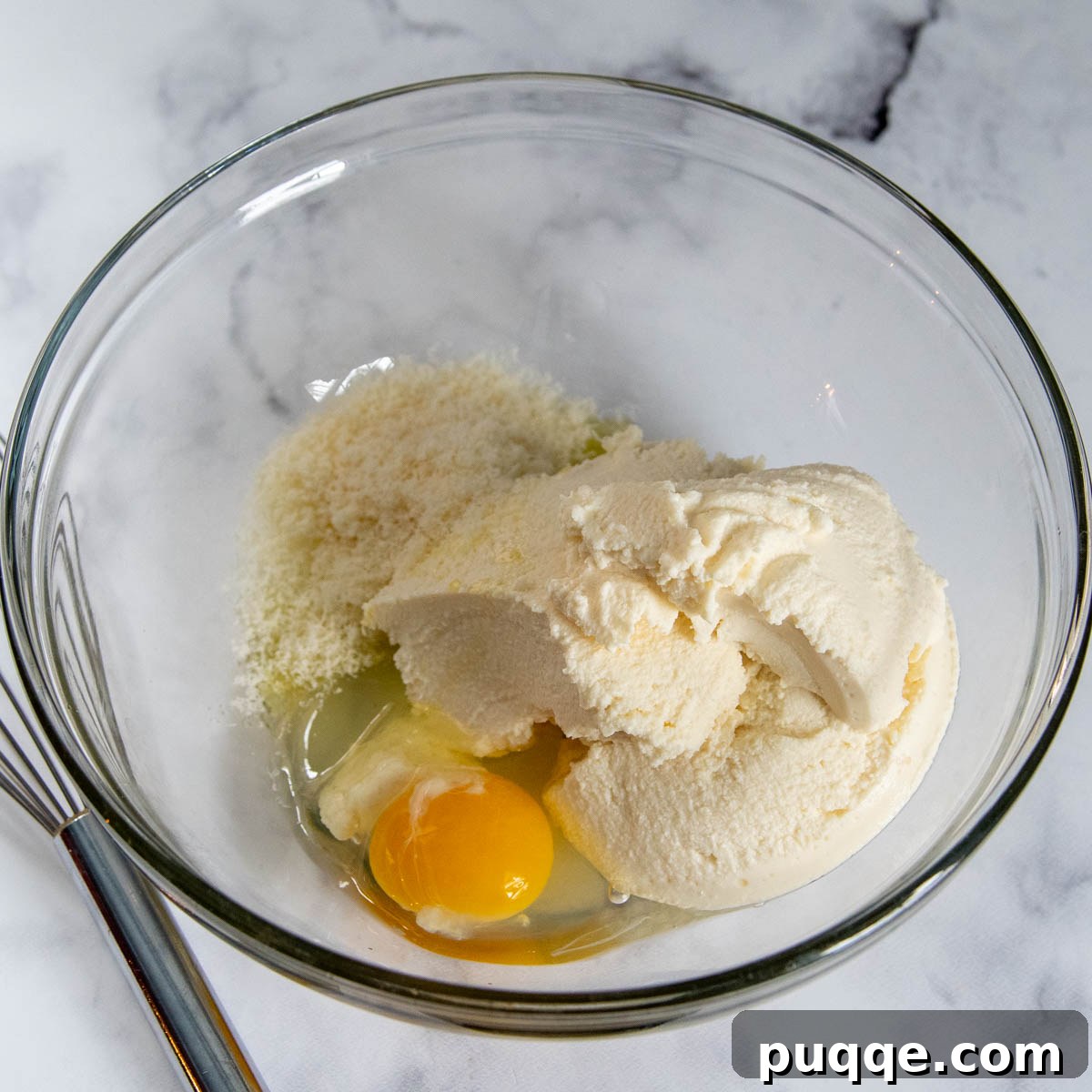
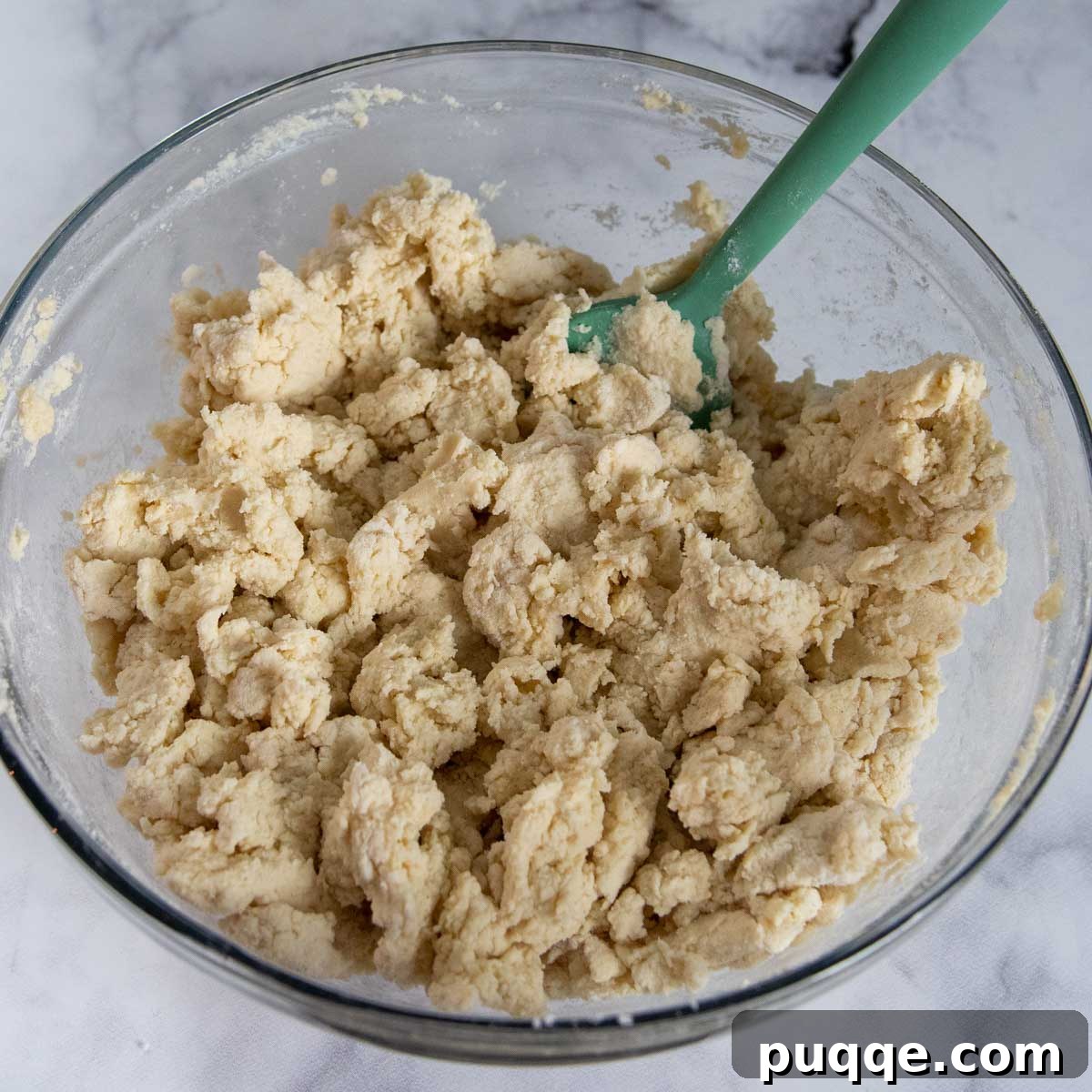
Begin by whisking together the ricotta cheese, egg, olive oil, and Parmesan cheese in a large mixing bowl until thoroughly combined and smooth. Once the wet ingredients are integrated, gradually stir in the gluten-free flour. Continue mixing until a cohesive dough forms. The ideal dough consistency should be soft to the touch and slightly sticky, indicating proper hydration. If the dough appears too stiff or dry, incorporate a small dash of warm water, one teaspoon at a time, until the desired texture is achieved. Conversely, if the dough is overly loose or wet, add an additional tablespoon of gluten-free flour, mixing it in thoroughly before evaluating if more is needed. This careful adjustment ensures your gnocchi will be perfectly tender.
Preparing to Shape Your Gnocchi
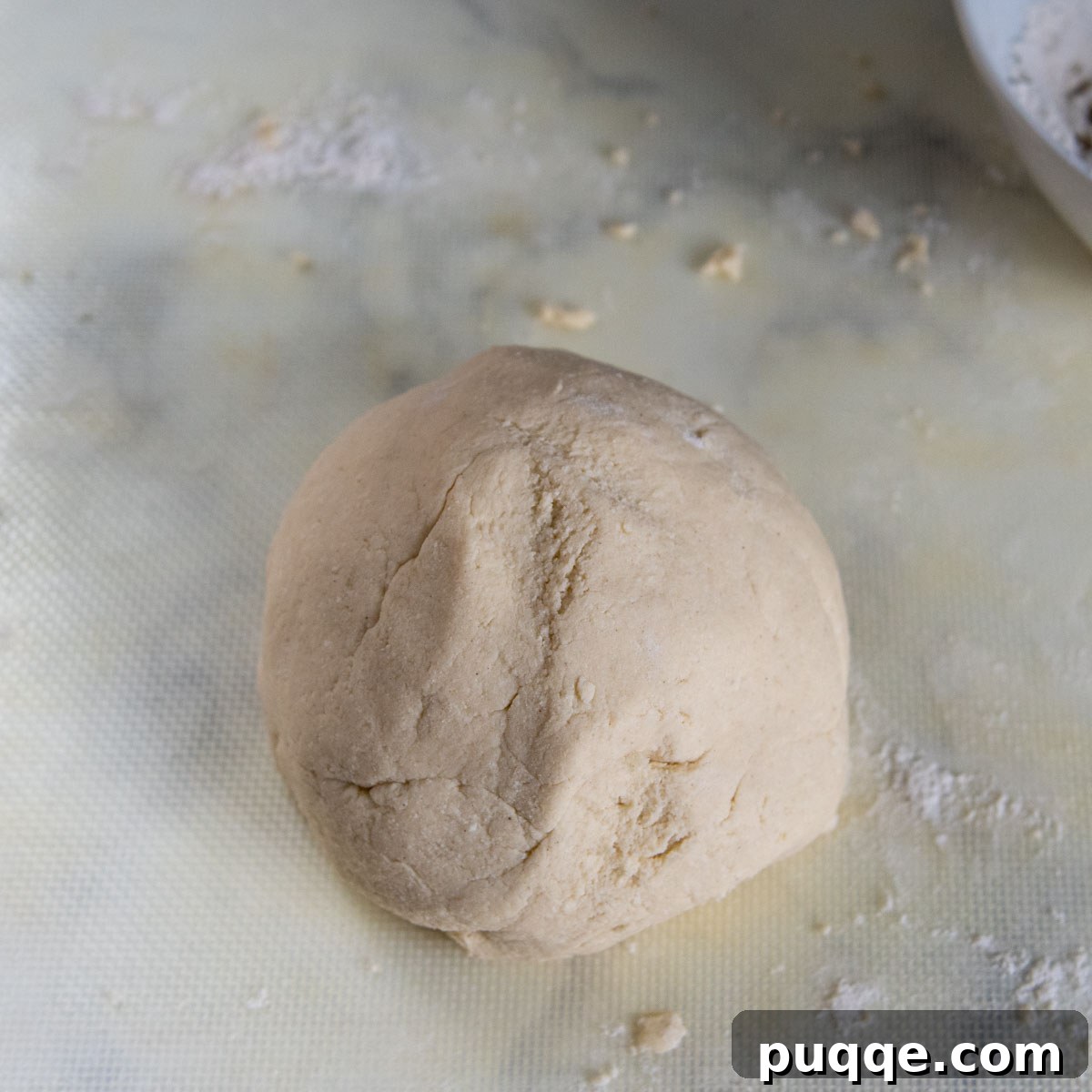
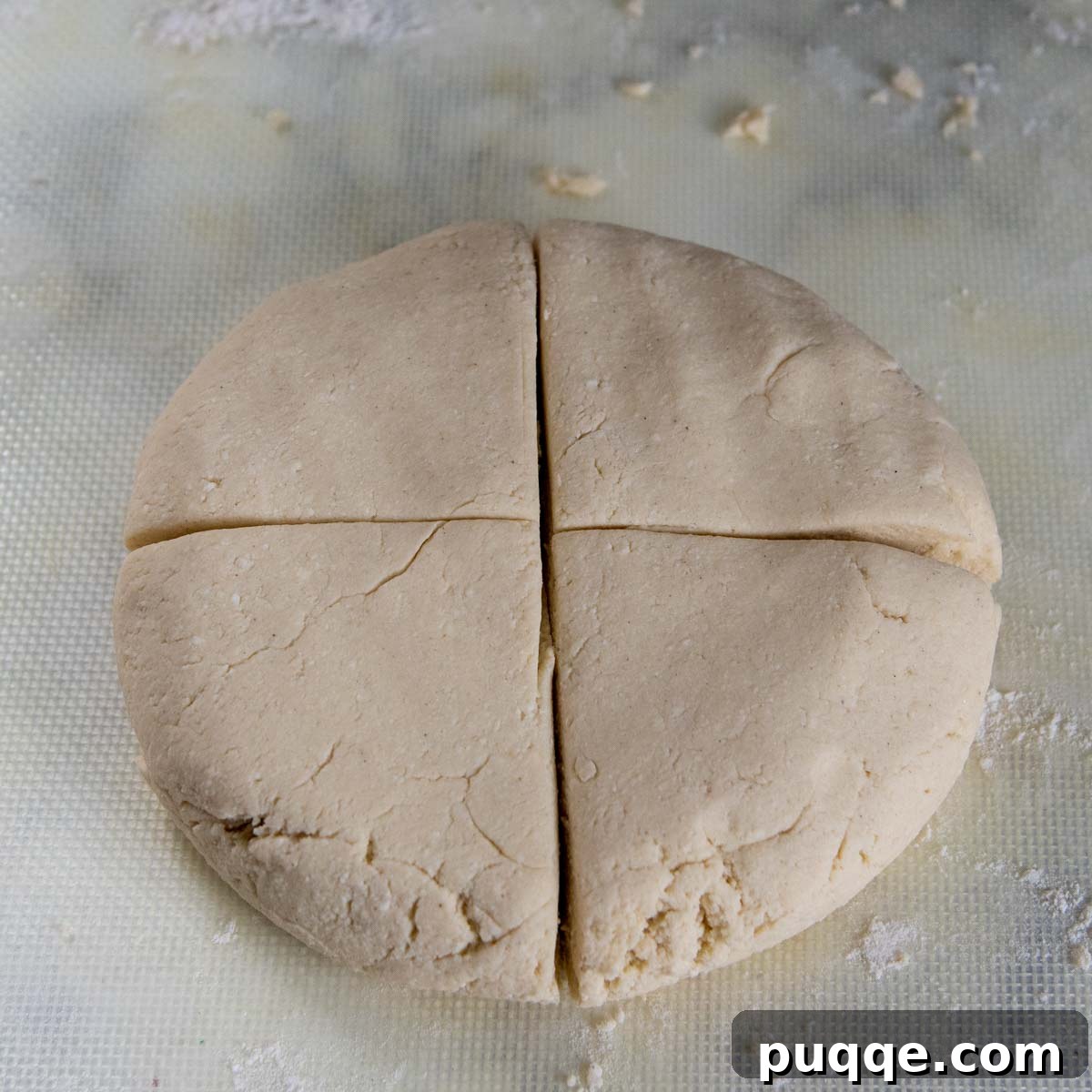
Once your dough is ready, turn it out onto a lightly floured surface or a silicone rolling mat. Gently knead the dough for a minute or two until it forms a smooth, manageable ball. You’ll notice it becoming less sticky as you work it. To make the shaping process more efficient and manageable, especially for a larger batch, I find it helpful to divide the dough. Begin by flattening the dough ball into a thick disc, then use a knife to cut it crosswise into four approximately equal pieces. Working with smaller sections prevents the dough from drying out and allows for more precise shaping.
Rolling and Slicing Your Gnocchi
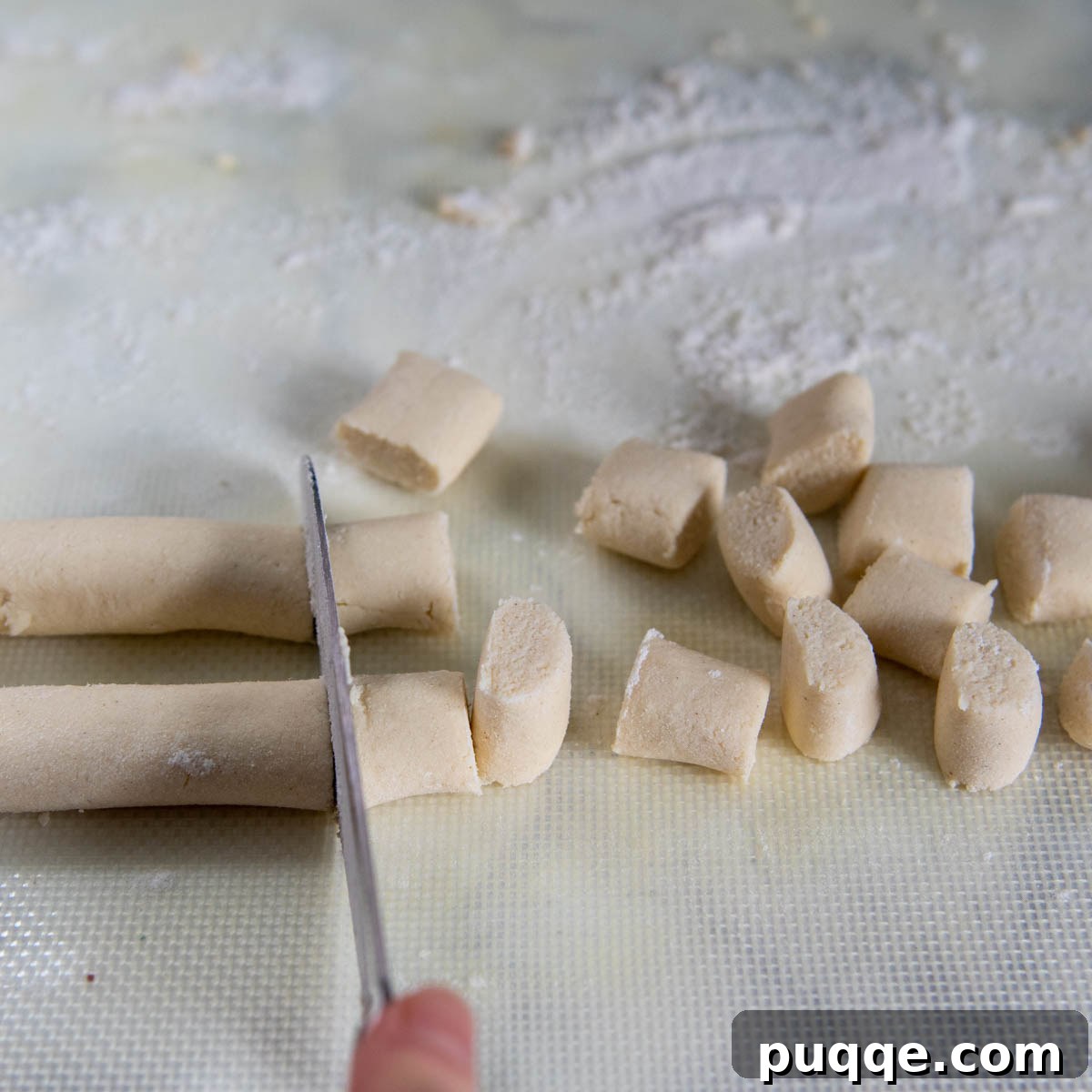
Now for the fun part! I’m a big believer in efficiency in the kitchen, so why cut one rope of gnocchi at a time when you can easily do two? Take two of your dough sections and gently roll them into long, even ropes, each about 1 inch thick. This dual-rolling technique significantly speeds up the process. Once your ropes are formed, carefully dust a sharp knife blade with a little flour to prevent sticking, then slice both ropes simultaneously into ½-inch pieces. This size ensures quick cooking and a delightful bite.
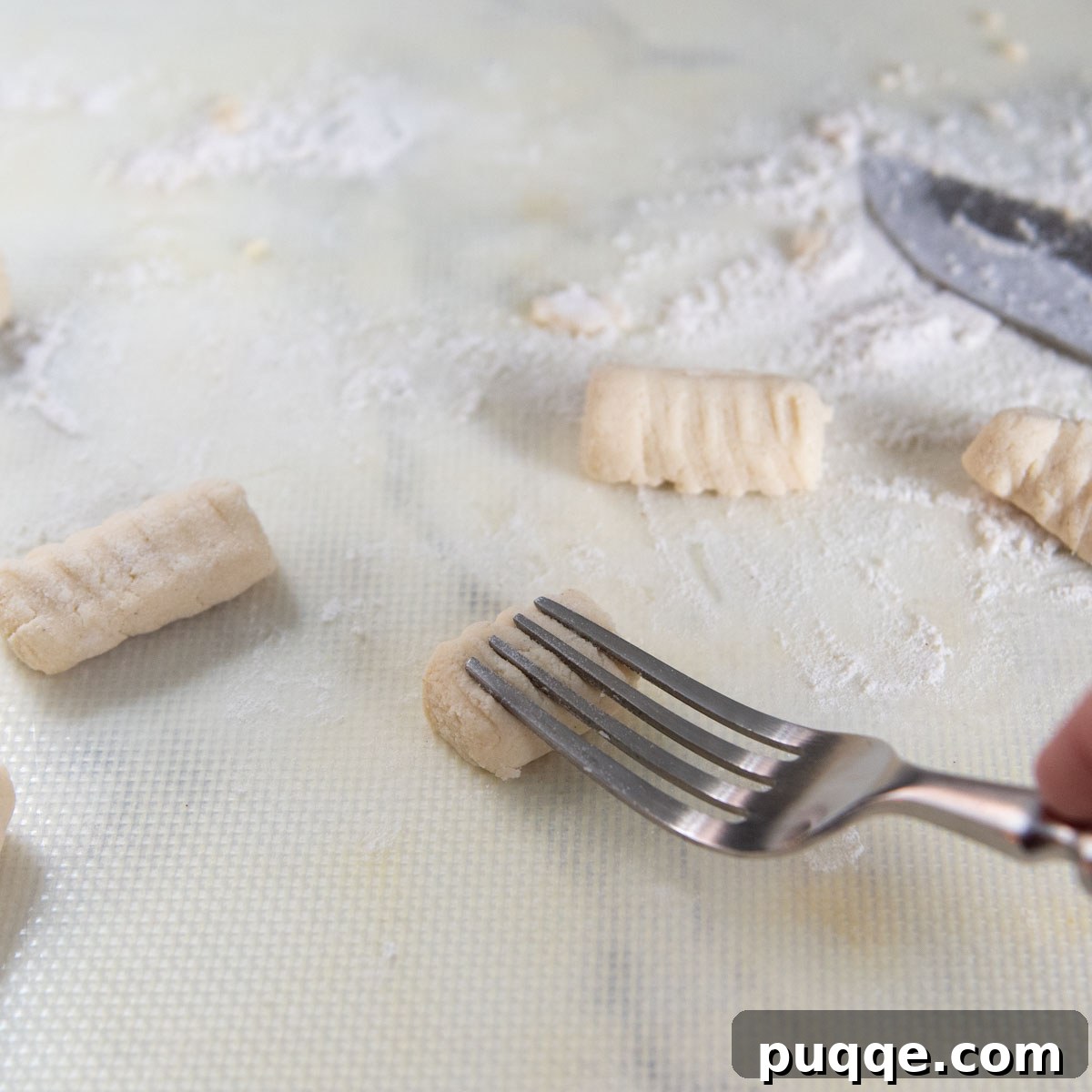
For those who appreciate the traditional aesthetic, you have the option to press the tines of a fork into each gnocchi piece to create those classic ridges. While these indentations are often associated with authentic Italian gnocchi, their primary purpose is functional: the groves help to “catch” and hold more of your delicious sauce. However, my Gramma never took this extra step, and I often skip it too, prioritizing speed and simplicity. If you’re aiming for that authentic, textured look, a fork or a specialized gnocchi board will do the trick beautifully. Regardless of whether you add ridges, your homemade gnocchi will be wonderfully tender and ready to absorb any sauce you choose.
Essential Tips for Cooking Your Gnocchi
Cooking gluten-free gnocchi effectively requires a few nuanced adjustments to ensure they turn out perfectly tender and delicious. One crucial tip is to **avoid adding salt to the boiling water** when cooking any gluten-free pasta, including gnocchi. Gluten-free flours, especially those high in starches, tend to absorb salt much more readily than traditional wheat flour. This can lead to an overly salty dish, detracting from the natural flavors. Instead, season your sauce generously, allowing the gnocchi to absorb flavor from its accompaniment rather than the boiling water.
When it comes to boiling the gnocchi, the traditional rule for wheat pasta is to remove them as soon as they float to the surface. However, for gluten-free gnocchi, it’s best to **allow them to boil for an additional 30-45 seconds after they float**. This extra cooking time is vital to ensure they are thoroughly cooked through. Undercooked gluten-free gnocchi can have an unpleasant grainy or raw flour taste and a firmer, less desirable texture. The additional time guarantees a soft, tender, and fully cooked dumpling.
If you’re not planning to cook all your gnocchi immediately, they are wonderfully freezer-friendly. After shaping and cutting, arrange the gnocchi in a single layer on baking sheets, ensuring they don’t touch each other. Freeze them until they are completely solid, which typically takes a couple of hours. Once frozen, transfer the solid gnocchi to an airtight ziplock freezer bag. This prevents them from sticking together and allows you to easily take out smaller portions as needed. When you’re ready to cook frozen gnocchi, remember to **add fewer dumplings to the boiling water than you would with freshly made gnocchi**. Overcrowding the pot with too many frozen pieces will drastically lower the water temperature, prolonging the cooking time and potentially leading to mushy gnocchi as they cook unevenly. Cook in smaller batches to maintain a rolling boil and achieve perfectly tender results.
For an even simpler preparation, you might consider cooking your gnocchi directly in a sauce, rather than boiling them separately in water. This method can infuse the gnocchi with incredible flavor and create a rich, cohesive dish. However, this technique works best when your gnocchi are made with Cup4Cup gluten-free flour. In my testing, gnocchi made with other gluten-free flour blends tended to break down and become mushy when cooked directly in sauce, losing their shape and desirable texture. Stick to Cup4Cup for this “one-pot” gnocchi method for optimal results.
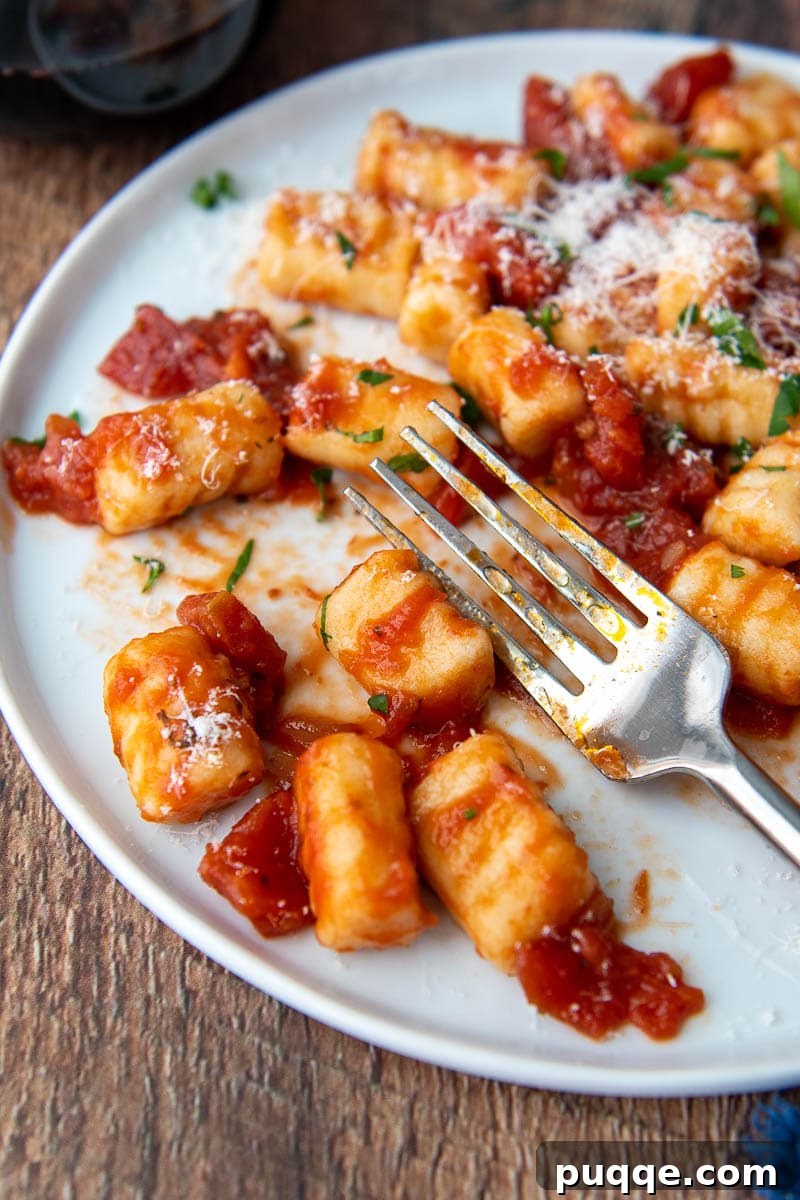
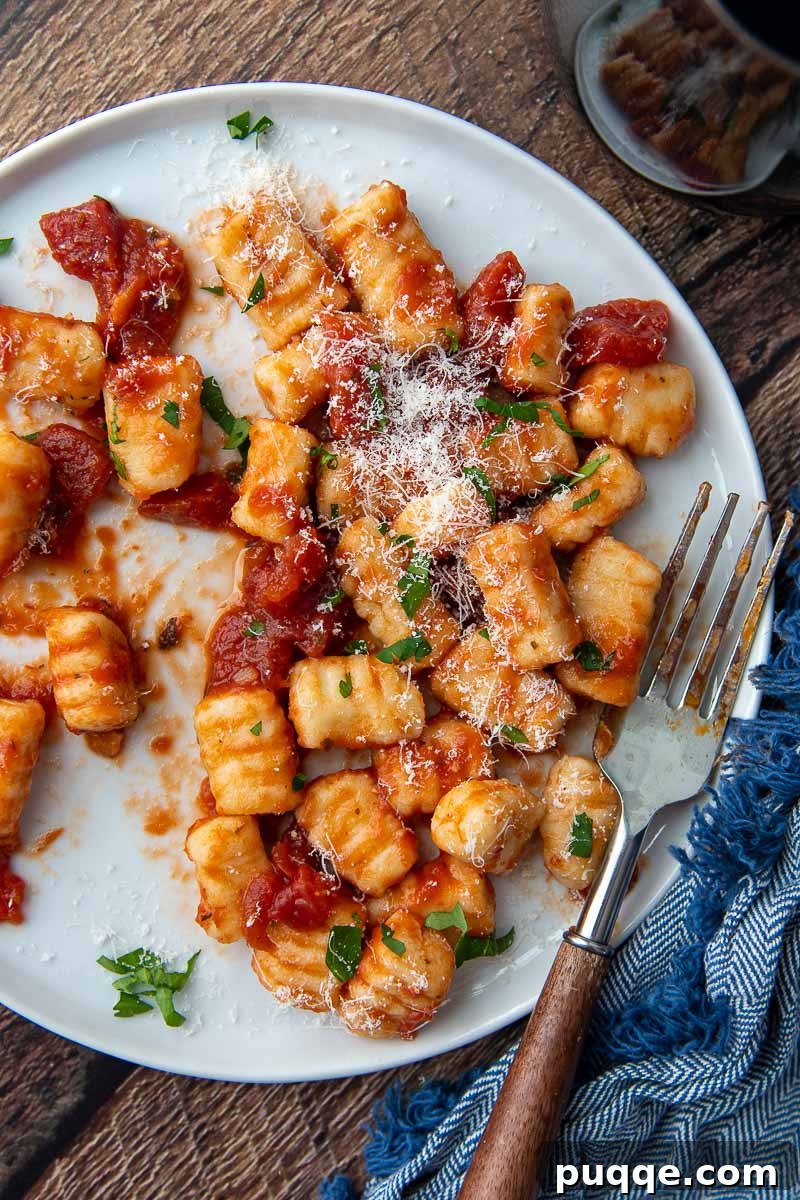
Pairing these delicate ricotta gnocchi with the right sauce can elevate your meal to new heights. Their light, tender texture makes them incredibly versatile. Classic choices like a simple butter and sage sauce, a fresh marinara, or a vibrant pesto are always winners. For something a little richer, consider a light cream sauce or a rosé sauce. The key is to choose a sauce that complements their subtle flavor without overpowering them.
The Critical Choice: Recommended Gluten-Free Flour
When crafting homemade gluten-free gnocchi, the choice of flour is paramount. It’s crucial to understand that not all gluten-free flours are created equal. Their varying compositions, particularly the types and ratios of starches and gums they contain, mean they perform differently in recipes. During the development and extensive testing of this ricotta gnocchi recipe, my primary goal was to ensure consistent, delicious results regardless of the flour used. Unfortunately, my initial findings showed a significant lack of consistency across different brands.
THE RESULTS OF MY TESTING:
King Arthur Measure-for-Measure Gluten Free Flour – This blend initially appeared promising. The dough came together nicely and was relatively easy to roll and shape. However, after boiling, the gnocchi developed a distinct doughy and grainy texture, accompanied by an unpleasant aftertaste that was noticeably “gluten-free.” When I attempted to cook gnocchi made with this flour directly in a sauce, the results were even less satisfactory: the gnocchi became mushy and failed to hold their delicate shape, dissolving into the sauce.
Bob’s Red Mill 1-to-1 Gluten Free Flour – My experience with Bob’s Red Mill 1-to-1 Gluten Free Flour yielded results very similar to King Arthur. The dough maintained its shape fairly well during handling and boiling. However, the finished gnocchi had a pronounced ricey and grainy flavor that was quite off-putting and did not contribute to a pleasant eating experience. Despite holding its form, the sensory issues made it an unsuitable choice for this recipe.
Cup4Cup Gluten Free Flour (The Unanimous Winner) – This blend consistently delivered superior results. The dough formed beautifully, was easy to handle, and rolled out without difficulty. In my first test, I added a little too much flour, which resulted in a slightly gelatinous bite, though the flavor was still good. However, in subsequent tests, by carefully adjusting the flour and adding just enough so the dough was no longer sticky (about 1-2 tablespoons more than the base recipe calls for), the texture improved dramatically. The gnocchi achieved a wonderfully tender, pillowy consistency with absolutely no hint of a “gluten-free” taste or grittiness. Furthermore, gnocchi made with Cup4Cup performed exceptionally well both when boiled in water and when cooked directly in a sauce, maintaining their integrity and absorbing flavors beautifully.
Given its consistent performance and superior taste and texture, Cup4Cup gluten-free flour is my unequivocal recommendation for this gnocchi recipe. Its versatility also extends to other gluten-free Italian dishes, where it consistently delivers excellent results. I frequently use it to make delicious gluten-free crespelle for manicotti and incredibly tender homemade gluten-free fresh pasta noodles. Choosing the right flour truly makes all the difference in gluten-free cooking, especially for delicate items like gnocchi.
Save This Recipe to Your Pinterest Board!
Let’s be friends on Pinterest! I’m always sharing great recipes!
Did you make this recipe? I love hearing from you! Leave a star rating and comment below the recipe card. It helps others when searching for recipes and I appreciate feedback from our community. You will always hear back from me! -Melissa
Soft, Tender Gluten-Free Gnocchi with Ricotta
 Melissa Erdelac
Pin
Rate
Remove Ads
Ingredients
- 15 ounce whole milk ricotta
- 1 egg
- 1 tablespoon olive oil
- ¼ cup finely grated parmesan cheese
- 2 cups (308 g) all purpose gluten-free flour, (Cup 4 Cup highly recommended)
Equipment
-
Cup4Cup Gluten Free Flour
-
Rolling Mat
-
Skimmer Spoon
Instructions
-
In a large mixing bowl, whisk together the ricotta cheese, egg, olive oil, and Parmesan cheese until smooth and well combined. Gradually stir in the 2 cups of gluten-free flour until a soft, cohesive dough forms.15 ounce whole milk ricotta, 1 egg, 1 tablespoon olive oil, ¼ cup finely grated parmesan cheese, 2 cups (308 g) all purpose gluten-free flour
-
Turn the dough out onto a lightly floured surface or a silicone rolling mat. Gently knead the dough until it becomes a smooth ball. If the dough is still too sticky, sprinkle in a little more flour (1-4 tablespoons, as needed) until it just barely stops sticking to your hands. Be careful not to add too much flour.
-
Flatten the dough ball into a thick disc and cut it into 4 equal sections. Take two sections and roll them into long ropes, each about 1 inch thick.
-
Lightly flour a sharp knife blade and cut the two ropes simultaneously into ½-inch pieces. If you wish, gently press the tines of a fork into each piece to create traditional indentations. Transfer the cut gnocchi to a baking sheet and repeat the rolling and cutting process with the remaining two dough sections.
-
If you are cooking the gnocchi immediately, place the baking sheets in the refrigerator while you bring a large pot of water to a rolling boil. For future use, transfer the baking sheets to the freezer and freeze until the gnocchi are solid, then transfer them to an airtight ziplock bag for storage.
-
Boil the gnocchi in small batches, approximately 1/8 of the recipe at a time. Add the gnocchi to the actively boiling water, give them a brief stir to prevent sticking, and cook until they rise to the top. IMPORTANT TIP: For gluten-free gnocchi, continue to boil them for an additional 30-45 seconds after they float to the surface to ensure they are fully cooked through and have a tender, non-grainy texture.
-
Using a slotted spoon or a skimmer, carefully lift the cooked gnocchi out of the water and transfer them to a large colander. Repeat this process with the remaining batches of gnocchi. Serve immediately, gently tossing with your desired sauce.
Notes
How Much Does it Make?
While store-bought gnocchi typically comes in one-pound packages, this recipe yields approximately 2 pounds, giving you plenty to enjoy for dinner tonight and enough to freeze for a quick meal later!
Important tips:
- Flour Choice is Key: Cup4Cup Gluten Free Flour is highly recommended for its ability to produce the best taste and texture in this recipe. Be mindful of flour quantity: if too much is added, the gnocchi can become a little gelatinous. Aim to add just enough flour (typically 1-2 tablespoons more than the initial amount) until the dough is no longer sticky.
- Freezing Instructions – To freeze, arrange the freshly cut gnocchi in a single layer on baking sheets to prevent sticking. Once completely solid, transfer them to an airtight ziplock freezer bag. They can be stored in the freezer for up to 3 months. TO COOK FROM FROZEN: When ready to cook, add fewer gnocchi to the boiling water than you would with fresh ones. Adding too much frozen pasta at once can drastically reduce the water temperature, leading to prolonged cooking and potentially mushy gnocchi.
- Can I cook fresh gnocchi directly in a sauce? Yes, this method is possible and delicious, but it works best specifically with ricotta gnocchi made using Cup4Cup gluten-free flour. In my testing, gnocchi made with other gluten-free flour blends tended to break down and become mushy when cooked directly in a sauce, losing their desired shape and texture.
Adapted from Food 52