
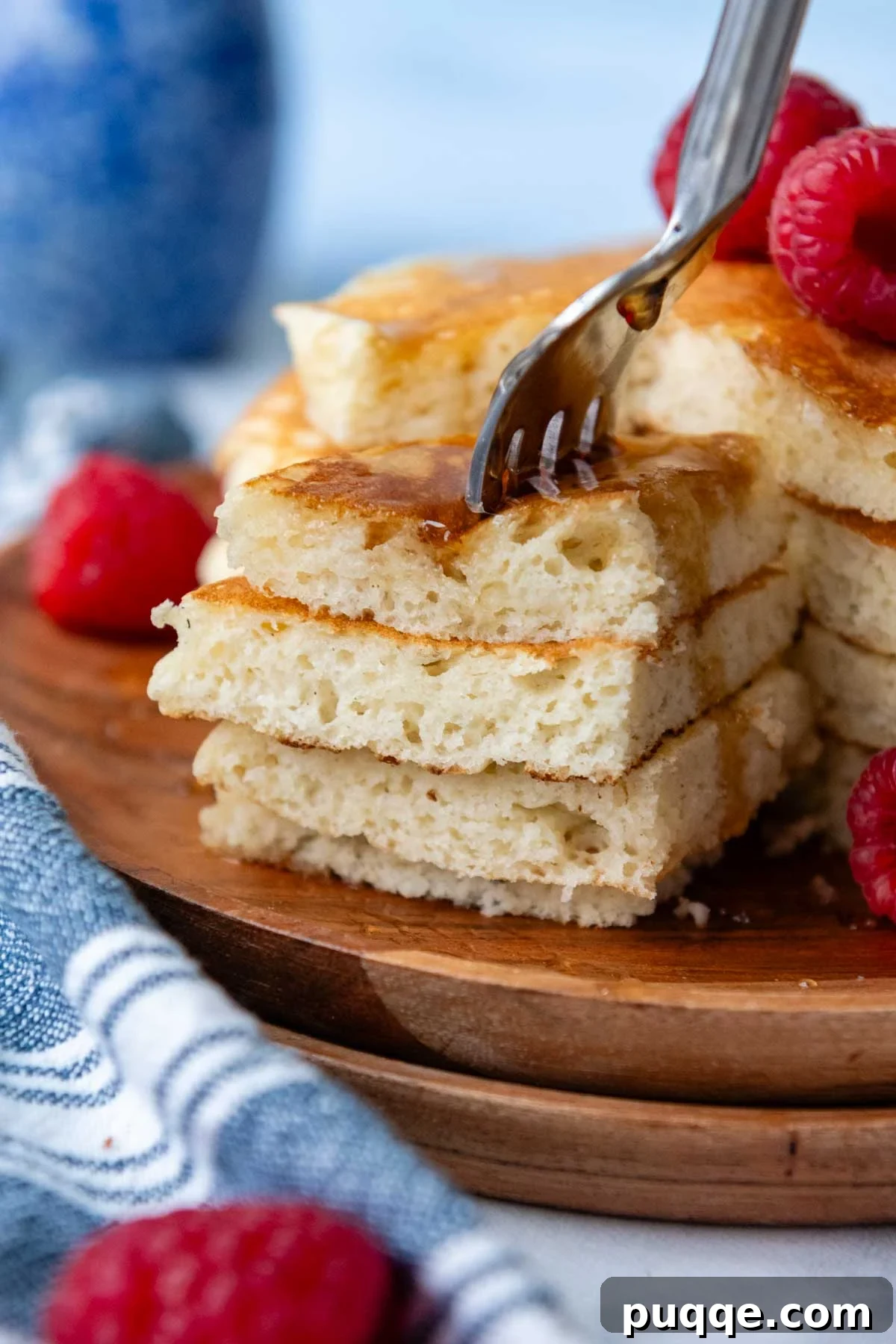
Mastering Fluffy Gluten-Free Pancakes: A Gummy-Free Guide to Diner-Style Perfection
Unlock the secrets to crafting the ultimate stack of fluffy gluten-free pancakes. This comprehensive guide and easy GF pancake recipe will revolutionize your breakfast, helping you achieve tender, light, and airy results with a signature diner-style “buttermilk” taste. Forget the common pitfalls of gummy, dense, or gritty gluten-free pancakes; we’ll show you how to use simple pantry ingredients and expert techniques to create a flawless batch every time. Get ready to flip up some breakfast magic!
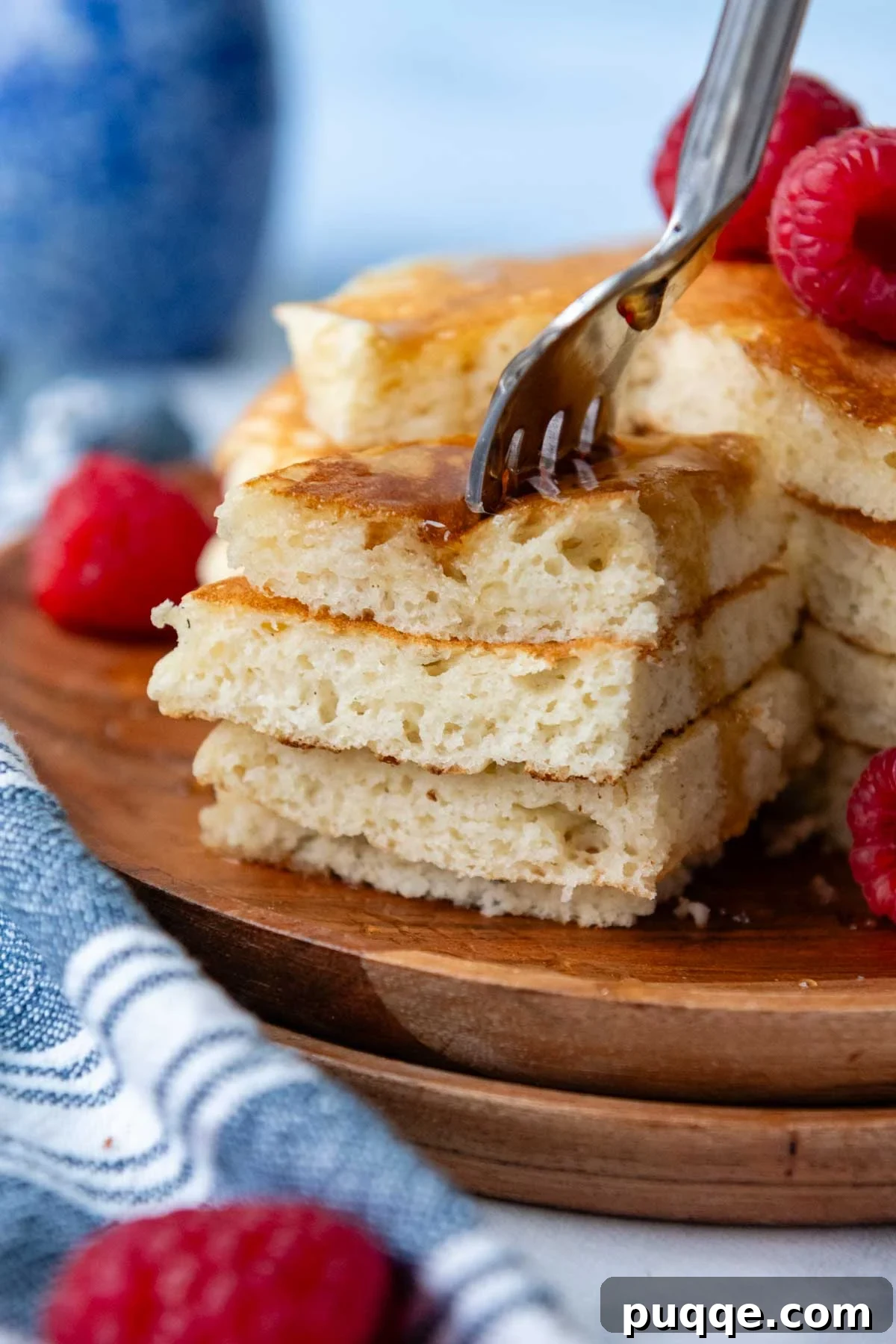
Why This is The Only Gluten-Free Pancake Recipe You’ll Ever Need
For those navigating a gluten-free diet, finding a pancake recipe that truly delivers on taste and texture can be a quest. Many gluten-free pancake recipes fall short, often resulting in pancakes that are either too gummy, dense, or have an unpleasant gritty texture. But what if we told you it’s possible to enjoy remarkably light, tender, and incredibly flavorful gluten-free pancakes right in your own kitchen? This recipe is designed to tackle these common challenges head-on, ensuring a consistently delicious outcome.
Our goal was to develop a recipe that not only tasted fantastic but also offered the classic “buttermilk” tang and an irresistibly fluffy texture, all while being made from scratch with readily available gluten-free ingredients. We’ve refined the process, focusing on key elements that make all the difference, from our clever buttermilk hack to the crucial choice of gluten-free flour and precise cooking methods.
The Secret to Diner-Style “Buttermilk” Flavor Without the Buttermilk
True buttermilk adds an unparalleled tang and contributes to the tenderness of pancakes. However, buttermilk isn’t always a pantry staple. Our easy hack allows you to achieve that same delightful flavor using ingredients you likely already have. Simply combine regular milk (dairy or non-dairy) with a splash of vinegar (white vinegar or apple cider vinegar works perfectly). Let it sit for about five minutes, and watch as it curdles slightly, creating a homemade “soured milk” that perfectly mimics the taste and tenderizing properties of traditional buttermilk. This simple step elevates the flavor profile significantly, giving your gluten-free pancakes that authentic, diner-style zest.
Overcoming the Gummy, Dense, and Gritty GF Pancake Problem
Once the flavor profile was perfected, our focus shifted to solving the most common textural issues associated with gluten-free pancakes: gumminess, denseness, and grittiness. These problems often stem from the unique properties of gluten-free flours and how they interact with liquids and heat. We discovered two primary tricks that make a monumental difference, transforming potentially heavy pancakes into wonderfully light and fluffy masterpieces.
- **Optimizing Cooking Temperature:** Similar to our popular blender flourless pancakes, cooking gluten-free pancakes at a slightly lower temperature than you might typically use for wheat-based pancakes is critical. A medium heat setting allows more time for excess moisture to evaporate slowly during cooking. This gentle heat prevents the pancakes from cooking too quickly on the outside while remaining raw and dense on the inside, ensuring they cook through evenly and develop that desirable fluffy interior.
- **Choosing the Right Gluten-Free Flour Blend:** Not all gluten-free all-purpose flour blends are created equal, especially when it comes to pancakes. The specific composition of your GF flour can drastically impact the batter’s consistency and the final pancake texture. When developing recipes like gluten-free whoopie pies and homemade chocolate pancakes, we noticed that certain flours, while excellent for some baked goods, hindered the spreading necessary for light, airy pancakes.
For instance, some popular gluten-free blends, like Cup4Cup, contain a significant amount of cornstarch. While cornstarch can help prevent a gritty texture in some applications and creates a wonderfully thick batter for cakes or breads where shape retention is key, it can be problematic for pancakes. A high cornstarch content makes the batter very thick and less likely to spread properly on the griddle, leading to denser pancakes that struggle to form those coveted air pockets.
This is why we highly recommend using a specific alternative gluten-free flour blend for this recipe: King Arthur’s Measure-for-Measure. Its balanced blend allows the batter to spread beautifully, resulting in pancakes that are consistently light, airy, and free from any gritty or gummy feel. We’ll show you a side-by-side comparison below to illustrate the difference. Let’s get ready to make some truly exceptional pancakes!
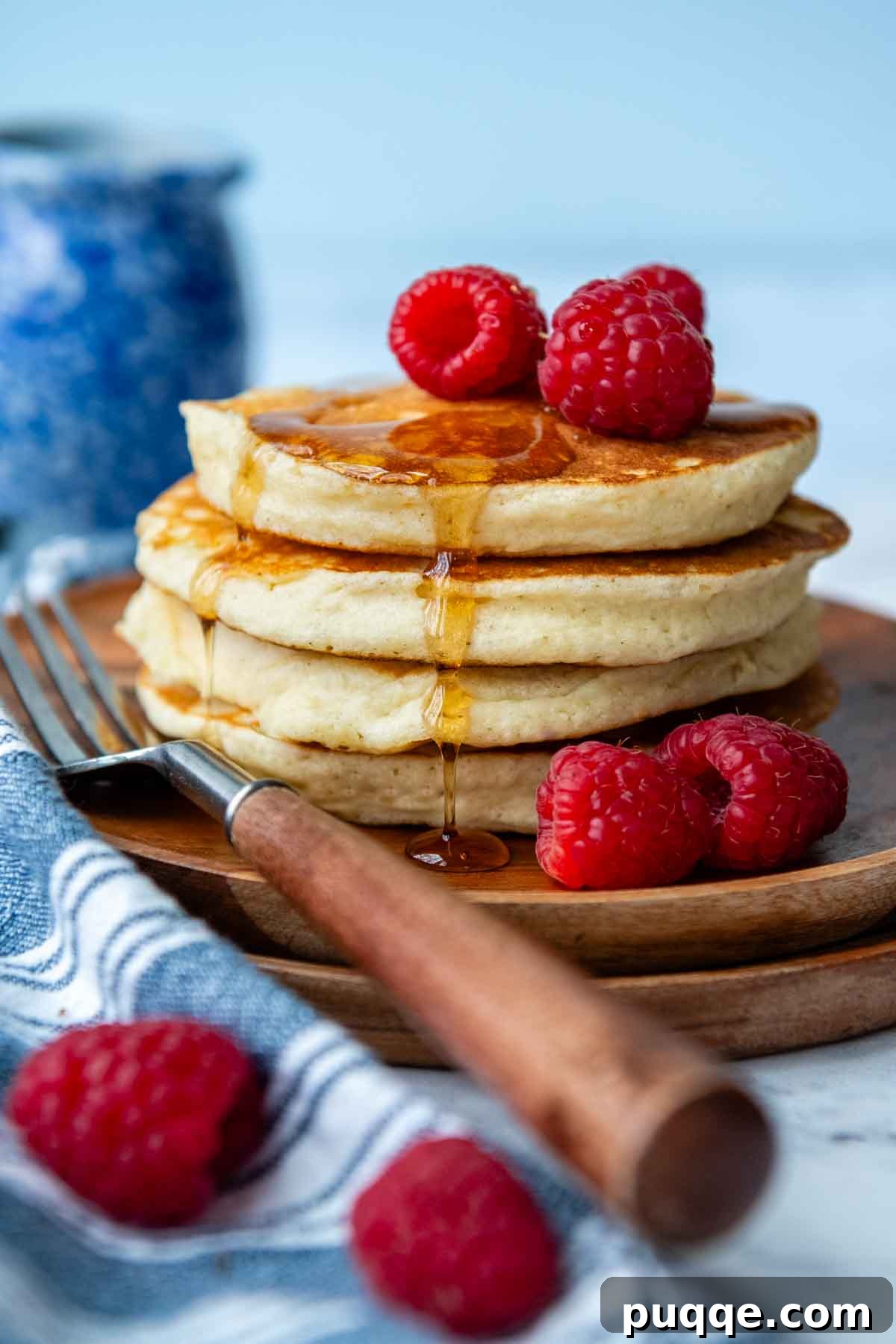
Key Ingredients for Fluffy Gluten-Free Pancakes
This recipe yields approximately 18 medium-sized pancakes, which is perfect for serving about 4 people. If you’re hosting a larger brunch or want to prepare extra pancakes for freezing, simply double the ingredient amounts. Let’s delve into the specifics of each key ingredient to ensure your success:
- **Gluten-Free All-Purpose Flour Blend:** This is by far the most critical ingredient. As discussed, the type of GF flour significantly impacts the final texture. We strongly recommend King Arthur Measure-for-Measure Gluten-Free Flour for its ideal balance that promotes spreading and lightness. Avoid blends where cornstarch is listed as one of the first two ingredients, as this can lead to a dense, gummy batter. For more on alternative flours, see our detailed section below.
- **Granulated Sugar:** Sugar plays a role beyond just sweetness; it also aids in browning and contributes to the tender crumb of the pancakes. While the amount can be slightly reduced to suit your preference, we advise against substituting with liquid sweeteners like honey or pure maple syrup directly into the batter. This alters the crucial wet-to-dry ingredient ratio, potentially leading to a denser result.
- **Milk (or Dairy-Free Alternative):** Use any milk you have on hand – traditional dairy milk or your favorite non-dairy milk like oat milk, almond milk, or soy milk. The magic happens when you combine it with vinegar to create our homemade “buttermilk.” This simple step is non-negotiable for achieving that classic tangy flavor and tender texture.
- **Melted Butter (or Vegan Alternative):** Melted butter infuses the pancakes with rich flavor. For a dairy-free version, melted vegan butter or melted coconut oil are excellent substitutes. Ensure the butter is melted and slightly cooled before adding it to the wet ingredients to prevent it from solidifying or prematurely cooking the eggs.
- **Eggs:** Large eggs provide structure, moisture, and help bind the gluten-free ingredients together, contributing to the overall fluffiness.
- **Baking Powder & Baking Soda:** These are your leavening agents, responsible for creating the bubbles that give pancakes their light and airy texture. Ensure they are fresh for maximum effectiveness.
- **Vanilla Extract:** A touch of vanilla enhances the overall flavor profile, adding warmth and depth to your pancakes.
- **Salt:** A small amount of salt balances the sweetness and brings out the flavors of the other ingredients.
Step-by-Step: Crafting Your Fluffy Gluten-Free Pancakes
(Below, you’ll find detailed step-by-step photos and expanded instructions. For the complete recipe, including precise ingredient amounts, please scroll down to the recipe card at the bottom of this page.)
Quick and Easy Prep: The “Buttermilk” Soured Milk Method
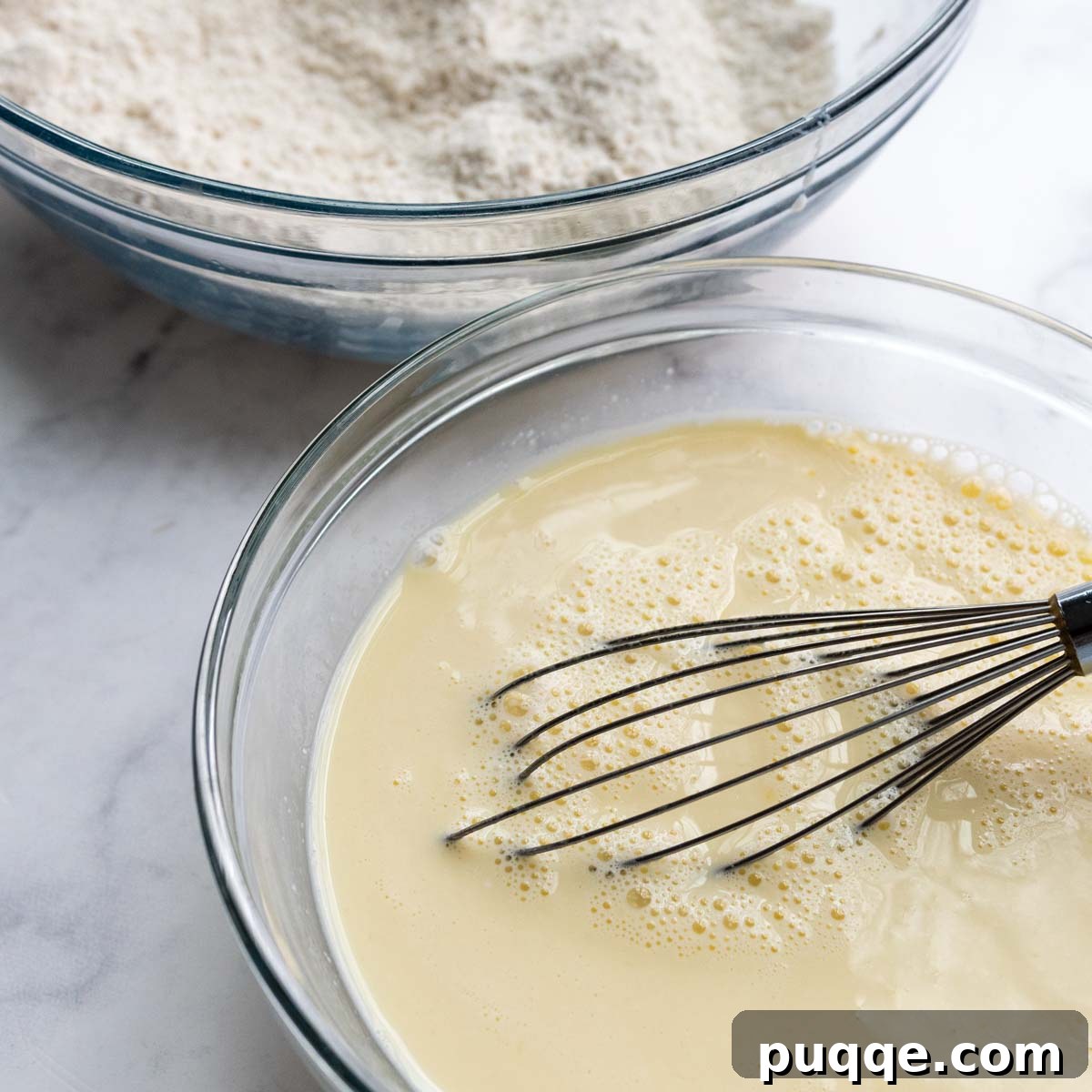
Your journey to perfect gluten-free pancakes begins with thoughtful preparation. Start by melting your butter and setting it aside to cool slightly. This prevents it from cooking the eggs when mixed. In a separate bowl, combine the milk and vinegar to create our homemade “soured milk” (our buttermilk substitute). Let this mixture sit undisturbed for a full five minutes. During this time, the milk will curdle, developing that characteristic tangy flavor and thickening slightly, which contributes significantly to the pancakes’ tenderness.
While your “buttermilk” is doing its magic, whisk together all the dry ingredients – your chosen gluten-free flour blend, granulated sugar, baking powder, baking soda, and salt – in a large mixing bowl. Ensuring these are well combined guarantees even leavening throughout the batter. Once the five minutes are up for your soured milk, add the eggs, vanilla extract, and the cooled melted butter to the milk mixture, whisking gently until just combined. Overmixing the wet ingredients isn’t a major concern here, but it’s good practice to be gentle.
Now, pour the wet ingredients into the dry ingredients. Stir just until the flour is incorporated and no dry streaks remain. A few lumps are perfectly normal and even desirable, as overmixing can develop gluten (even in gluten-free flours, some starches can become gummy) and lead to tough pancakes. The goal is a unified, slightly lumpy batter. Once blended, your batter is ready to go straight to the griddle!
Side-by-Side Flour Comparison: Unveiling the Best for GF Pancakes
Through extensive testing, we’ve learned that the choice of gluten-free flour blend is paramount for perfect pancakes. While many gravitate towards all-purpose GF blends for general baking, their performance can vary drastically for specific applications like pancakes. Below, you’ll see a visual comparison that perfectly illustrates this point.
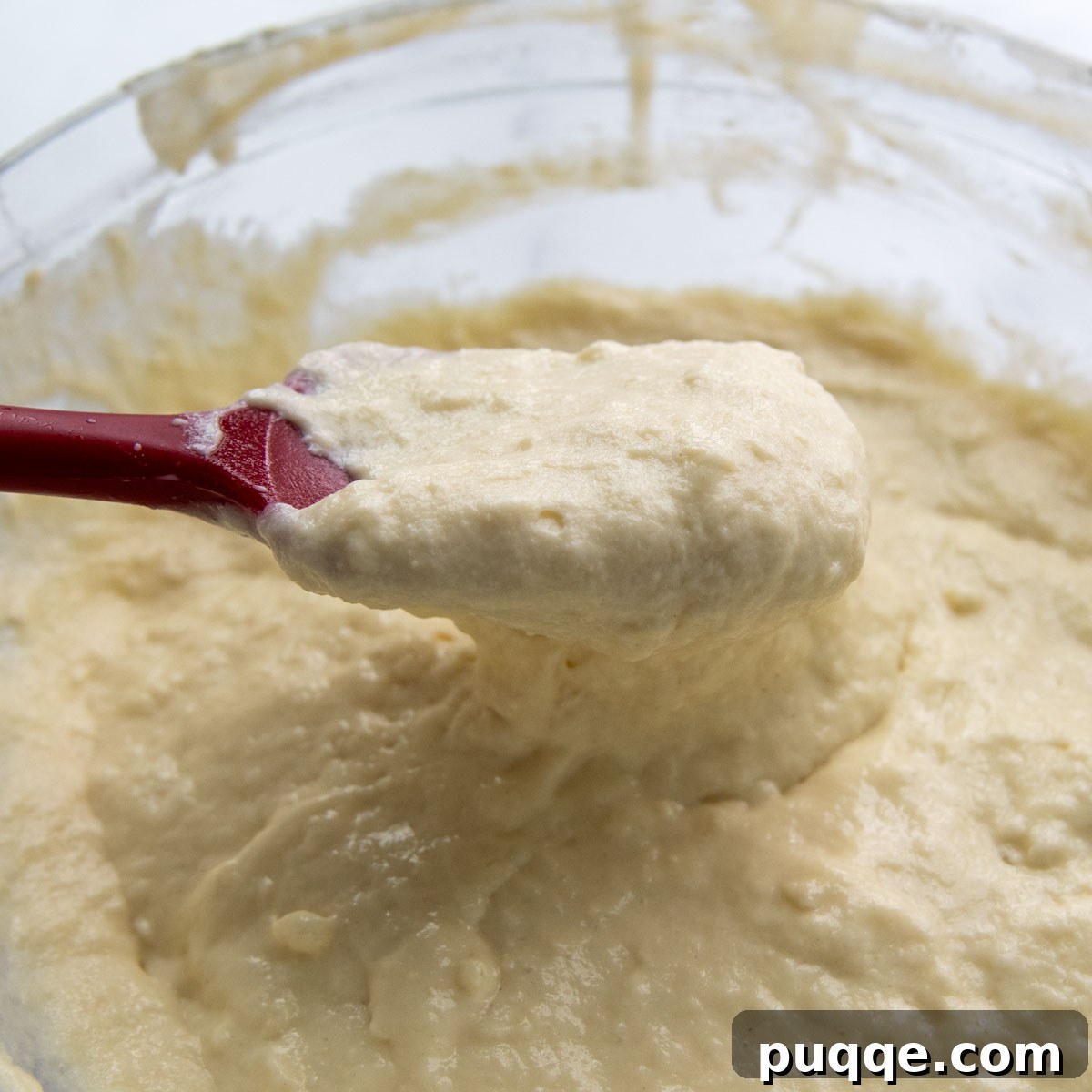
When developing and testing various baking recipes, my usual go-to is Cup4Cup gluten-free flour, primarily because of its excellent texture in many baked goods. However, for homemade gluten-free pancakes, it proved less than ideal. The high cornstarch content in this blend creates a very thick batter, as seen in the first image, which becomes challenging to spread evenly on the griddle. This thickness also traps moisture, leading to a denser, more doughy pancake rather than a light and airy one.
A crucial warning: you might be tempted to thin out a thick gluten-free pancake batter by adding more liquid. Resist this urge! Gluten-free starches don’t absorb liquid in the same way wheat flour does. Adding too much liquid without proper absorption leads to an excess of moisture in your cooked pancakes, which settles and results in that dreaded gummy, dense texture. It’s a common mistake that can ruin an otherwise good batch.
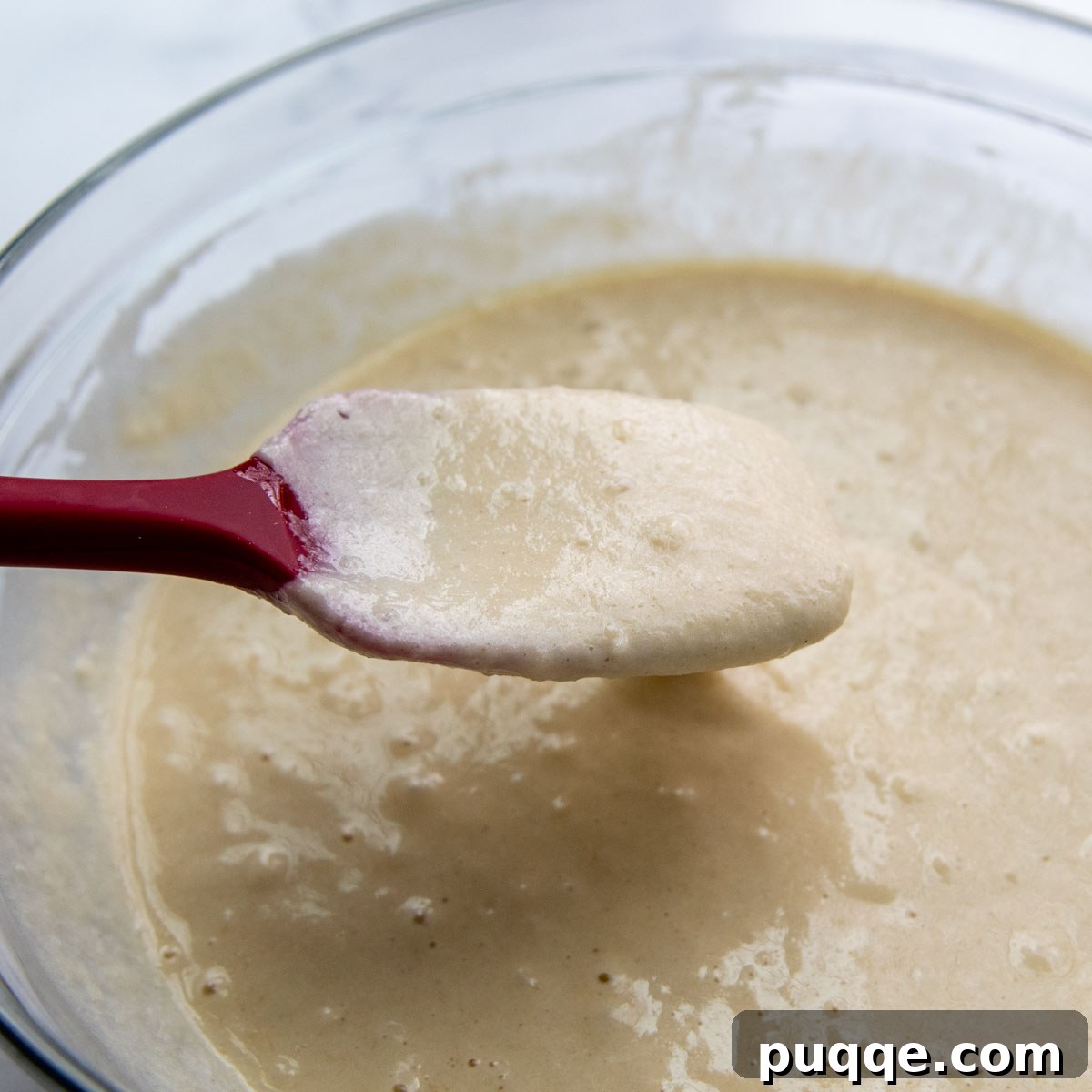
What’s the superior option? Opt for a gluten-free all-purpose flour blend with a lower cornstarch content, or at least one where cornstarch isn’t among the first ingredients listed. We consistently recommend King Arthur Measure-for-Measure Gluten-Free Flour. As shown in the second comparison image, the batter made with this blend is noticeably thinner and spreads beautifully. This allows for even cooking and the formation of delightful air pockets, yielding pancakes with a wonderfully light, fluffy texture and no gritty or ricey aftertaste.
If you’re wondering about other brands, make it a habit to check the ingredient list. Ingredients are typically listed in descending order by weight. If cornstarch (or other high-starch ingredients like tapioca starch, potato starch) is the first or second ingredient, it’s generally best to avoid that blend for gluten-free pancakes. However, if it appears further down the list or is not present, it’s likely a suitable choice that will give you the tender, fluffy results you crave.
Cook Gluten-Free Pancakes Like A Pro: Essential Tips for Perfection
Now that you’ve mastered the ideal gluten-free pancake batter, it’s time to bring your creations to life on the griddle. Cooking gluten-free pancakes requires a few specific considerations to ensure they are perfectly golden, beautifully risen, and flawlessly fluffy. Follow these essential tips, specially tailored for gluten-free pancake success:
- **Portioning for Perfect Size and Flipping Ease:** Using a ¼ cup measuring cup for each pancake yields a perfectly sized flapjack that’s substantial yet easy to manage on the griddle. For a cleaner, less messy, and more consistent approach, consider using a large cookie scoop or an ice cream trigger scoop. These tools dispense batter uniformly and cleanly, allowing you to quickly fill your griddle with perfectly round pancakes.
- **Mastering Griddle Temperature: The Key to Fluffiness:** Resist the urge to crank up the heat! For gluten-free pancakes, a medium heat setting is absolutely crucial. If the griddle is too hot, the pancakes will brown too quickly on the outside before the inside has a chance to cook through and for moisture to evaporate. This results in a raw, dense center. A moderate temperature allows the pancakes to cook evenly, providing ample time for the leavening agents to activate and create those internal air pockets, leading to a truly fluffy pancake.
- **Achieving Lacey Edges and a Crisp Exterior:** For that desirable lacey outer texture and subtly crisp edges, be generous when greasing your griddle. Spread a thin, even layer of butter or brush with melted coconut oil before pouring each batch of batter. Additionally, when you drop the batter, gently spread it out a little thinner than you might instinctively do. This extra surface area helps create those delicate, browned edges that add another layer of texture and visual appeal.
- **Choosing Your Griddle Wisely:** For the best results, a large, heavy griddle (such as cast iron or a thick non-stick pan) is ideal. Its ability to retain and distribute heat evenly prevents frustrating hot spots, ensuring all your pancakes cook uniformly. Alternatively, an electric griddle, precisely set to 350°F (175°C), is a fantastic tool for a pancake breakfast, offering consistent heat control and often a larger cooking surface for batch cooking.
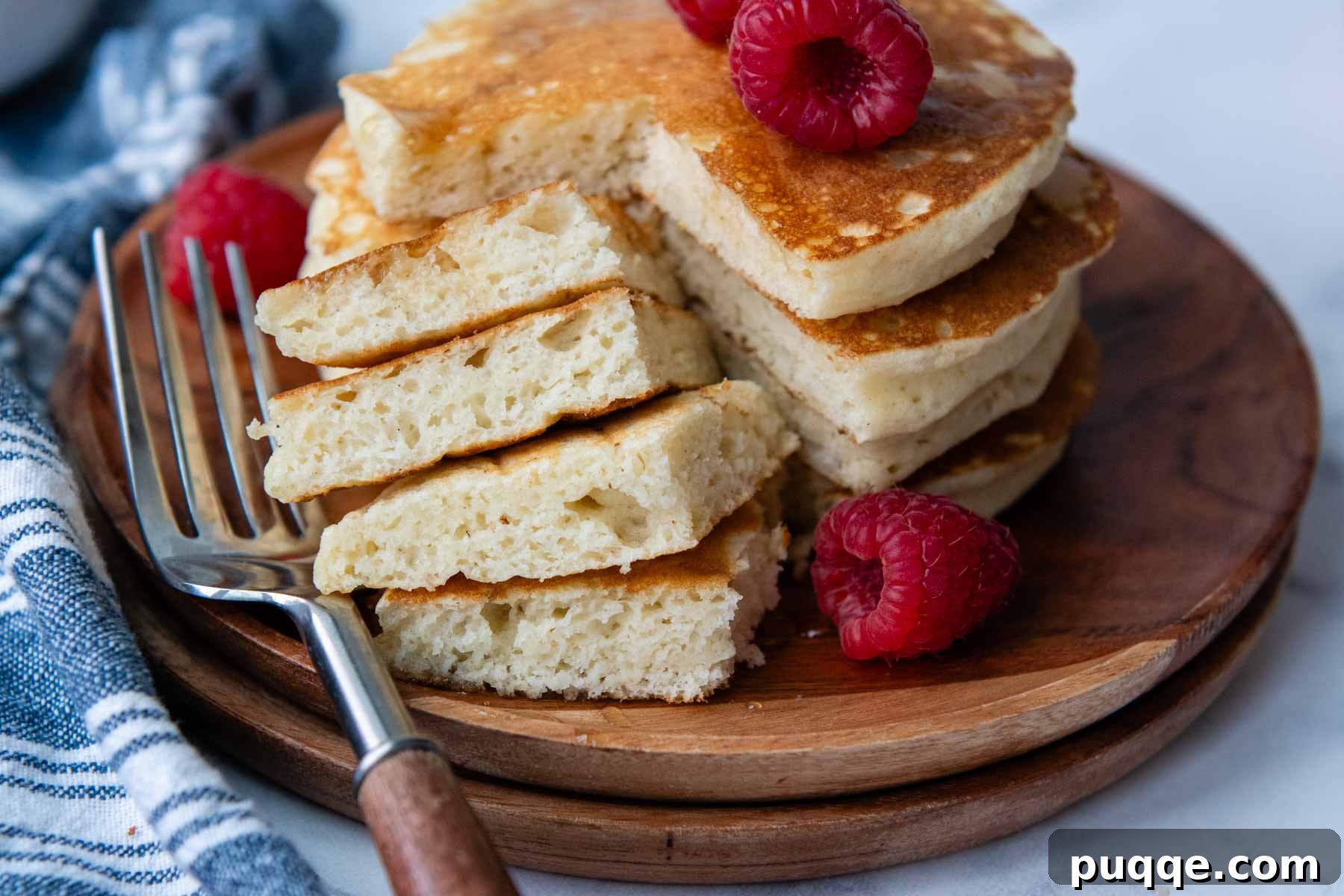
- **Knowing When to Flip: The Bubble Test:** Patience is a virtue when cooking pancakes, especially gluten-free ones. Do not flip too early! Wait until you see numerous air bubbles forming on the top surface of the pancake, and the edges appear set and slightly dry. The bottom surface should be a beautiful golden-brown. Flipping prematurely can cause the pancake to collapse or tear. Once these visual cues are present, use a thin, wide spatula to carefully flip the pancake and cook for an additional 1-2 minutes, or until fully cooked through and golden on the other side.
Serving & Storage Suggestions for Your GF Pancakes
Once your fluffy gluten-free pancakes are ready, the real fun begins: topping them! While classic maple syrup is always a winner, don’t hesitate to get creative. Fresh berries like strawberries, blueberries, or raspberries add a burst of freshness and color. A dollop of whipped cream or a sprinkle of powdered sugar can transform them into a decadent treat. For something richer, consider chocolate chips (mix into the batter or sprinkle on top while cooking), sliced bananas, toasted nuts, or even a homemade fruit compote.
If you find yourself with leftover pancakes (a rare occurrence!), they store beautifully. Allow them to cool completely on a wire rack before transferring them to an airtight container or a freezer-safe bag. They can be stored in the refrigerator for up to 3-4 days, or in the freezer for up to 2-3 months. To reheat, you can use a toaster, microwave, or warm them gently in a dry skillet until heated through and crisp.
Troubleshooting Common Gluten-Free Pancake Issues
Even with the best recipe, sometimes things don’t go exactly as planned. Here are solutions to common problems you might encounter with gluten-free pancakes:
- **My pancakes are gummy or dense:** This is usually due to one of two reasons:
- **Wrong Flour Blend:** High cornstarch content prevents proper spreading and moisture release. Refer to our flour comparison section and switch to a recommended blend like King Arthur Measure-for-Measure.
- **Overmixing or Too Much Liquid:** Gluten-free flours don’t react well to aggressive mixing or excess liquid. Stir just until combined, and resist adding more liquid to thin the batter.
- **My pancakes are gritty:** This is almost always a flour issue. Some GF flour blends contain coarser rice flour or other starches that can leave a grainy texture. Using a finer-milled blend, or one with a balanced mix of starches and gums, will solve this.
- **My pancakes aren’t fluffy:** Check your leavening agents! Baking powder and baking soda lose their potency over time. Ensure they are fresh. Also, make sure your griddle temperature isn’t too high, as rapid cooking can prevent proper rise.
- **My pancakes stick to the griddle:** Ensure your griddle is adequately greased before each batch and that it’s preheated to the correct medium temperature. A good non-stick surface helps immensely.
Save This Fluffy Gluten-Free Pancake Recipe to Your Pinterest Board!
Let’s be friends on Pinterest! I’m always sharing great recipes!
Did you make this recipe? We’d love to hear from you! Leave a star rating and comment below the recipe card. Your feedback helps others discover and enjoy our recipes, and we always appreciate hearing from our community! -Melissa
Simple, Fluffy Gluten-Free Pancakes (Not Gummy)

Melissa Erdelac
18
pancakes
10 minutes
10 minutes
20 minutes
Pin
Rate
Remove Ads
Ingredients
-
4 tablespoons (57 g) melted and cooled butter, or melted coconut oil -
2 cups (490 g) milk, or non-dairy milk -
2 tablespoons (30 g) vinegar -
2 large eggs -
2 teaspoons vanilla extract -
2 cups (284 g) gluten free all purpose flour, King Arthur Measure-for-Meaure recommended, see recipe notes for alternatives. -
¼ cup (40 g) granulated sugar -
2 teaspoons baking powder -
½ teaspoon baking soda -
¼ teaspoon salt
Equipment
-
Griddle
-
King Arthur Measure-For Measure Flour
-
Large Cookie Scoop
Instructions
-
Begin by melting the butter and setting it aside to cool. In a bowl, combine the milk and vinegar and let it sit for 5 minutes to create the “soured milk.” Then, add the eggs, vanilla extract, and cooled butter to the soured milk mixture. Whisk gently until just combined.4 tablespoons (57 g) melted and cooled butter,
2 cups (490 g) milk,
2 tablespoons (30 g) vinegar,
2 large eggs,
2 teaspoons vanilla extract -
In a large mixing bowl, whisk together the gluten-free flour, granulated sugar, baking powder, baking soda, and salt. Pour the wet ingredients into the dry ingredients and stir just until the flour is incorporated and no dry streaks remain. A few lumps are okay; avoid overmixing.2 cups (284 g) gluten free all purpose flour,
¼ cup (40 g) granulated sugar,
2 teaspoons baking powder,
½ teaspoon baking soda,
¼ teaspoon salt -
Preheat a nonstick griddle or heavy-bottomed skillet over medium heat. It’s important not to exceed medium heat, as cooking the pancakes too quickly will prevent the moisture from evaporating properly, leading to a denser texture.
-
Lightly grease the griddle with butter or brush with coconut oil. Drop about ¼ measuring cup of batter onto the griddle for each pancake (Tip – a large cookie scoop or ice cream trigger scoop makes this process quicker and less messy for consistent sizes). Cook until you see bubbles forming on the top surface and the edges appear set, typically about 2 minutes. Carefully flip the pancakes and cook for an additional 2 minutes, or until golden brown on the other side and cooked through. Serve immediately, or transfer to a wire rack to keep warm while you cook the remaining batter.
Notes
Recommended Gluten-Free Flours for Optimal Fluffiness
Through extensive testing, we’ve identified that the choice of gluten-free flour blend is a game-changer for pancake texture.
While some popular brands like Cup4Cup gluten-free flour are excellent for many baking applications, this specific blend does not perform optimally when making GF pancakes.
The high amount of cornstarch in certain blends prevents the batter from spreading properly, making the pancakes difficult to cook evenly. It also traps too much moisture, leaving you with a dense and gummy texture instead of the desired fluffiness. For this reason, we highly recommend King Arthur Measure-for-Measure Gluten-Free Flour, which yielded consistently fantastic, light, and airy results in our tests.
If you are considering other gluten-free brands, always check the ingredient list. As a general rule, if cornstarch or similar high-starch ingredients (like tapioca starch or potato starch) are listed as the first or second ingredient, we advise against using that blend for pancakes. Ingredients are listed in order of total amount used, so if starches appear further down the list or are not a dominant component, the blend should be suitable for achieving light and fluffy gluten-free pancakes!
Carbohydrates: 14g,
Protein: 3g,
Fat: 4g,
Saturated Fat: 2g,
Polyunsaturated Fat: 0.3g,
Monounsaturated Fat: 1g,
Trans Fat: 0.1g,
Cholesterol: 28mg,
Sodium: 100mg,
Potassium: 94mg,
Fiber: 1g,
Sugar: 5g,
Vitamin A: 148IU,
Calcium: 65mg,
Iron: 1mg
Did you make this recipe?
Please leave a star rating and review below. It helps others when searching for recipes and I LOVE feedback!