
Zucchini Unveiled: The Ultimate Guide to Peeling, Prep, & Nutritional Benefits
Zucchini, also known as courgette, is a wonderfully versatile summer squash that graces kitchens worldwide. Revered for its delicate flavor and adaptability, it can be enjoyed raw, cooked, or incorporated into a myriad of dishes, from refreshing salads and hearty soups to delectable baked goods. Often mistaken for a vegetable, zucchini is botanically a fruit, harvested when still immature to ensure its tender texture and subtle taste. This comprehensive guide will answer all your burning questions about zucchini, including whether its skin is edible, if it needs to be peeled, optimal storage practices, and much more, empowering you to make the most of this nutritious ingredient.
The Zucchini Skin Dilemma: To Peel or Not To Peel?
One of the most common questions home cooks ask about zucchini is whether it needs to be peeled before cooking. The answer is delightfully simple: no, zucchini does not typically need to be peeled. The skin of zucchini, whether green or yellow squash, is incredibly thin, tender, and entirely edible. In fact, not only is the skin safe to consume, but it’s also packed with beneficial nutrients that you wouldn’t want to miss out on.
The skin, seeds, and even the blossoms of zucchini are all edible, offering a wealth of flavor and health benefits. While smaller, younger zucchini often have the most delicate skins, even larger varieties typically maintain an edible rind. However, as zucchini grows larger, its skin can become slightly thicker and sometimes a bit tougher, and the seeds can enlarge. In these cases, peeling can be a matter of personal preference, especially if you prefer a smoother texture or wish to avoid the slightly more pronounced taste of the skin.
Some culinary instances might lead you to consider peeling. For example, when baking, some individuals opt to peel zucchini to eliminate the distinct green color, which helps “hide” it in lighter-colored dishes like cakes or muffins. This can also be a clever trick for incorporating hidden vegetables into meals for picky eaters, whether it’s in a savory zucchini cake, meatballs, or comforting casseroles. Ultimately, unless a recipe specifically calls for peeled zucchini or you have a strong textural preference, leaving the skin on is the healthier and often easier choice.
Nutritional Powerhouse: The Health Benefits of Zucchini
Beyond its culinary versatility, zucchini is a nutritional powerhouse, offering a remarkable array of vitamins, minerals, and antioxidants while being incredibly low in calories. Incorporating zucchini into your diet can significantly contribute to your overall health and well-being.
- Rich in Vitamins and Minerals: Zucchini is an excellent source of Vitamin C, a powerful antioxidant that supports immune function and skin health. It also provides a good amount of Vitamin A (especially in the skin), essential for vision and immune health, and B vitamins like folate and B6, crucial for energy metabolism. Key minerals present include potassium, important for blood pressure regulation, and manganese, vital for bone health and metabolism.
- High in Antioxidants: The skin of the zucchini, in particular, is rich in antioxidants such as beta-carotene, lutein, and zeaxanthin. These compounds help protect your body’s cells from damage caused by free radicals, potentially reducing the risk of chronic diseases.
- Promotes Digestive Health: With its high water content and good fiber levels, zucchini aids in healthy digestion. The dietary fiber helps maintain bowel regularity and can prevent constipation, contributing to a healthy gut microbiome.
- Supports Weight Management: Zucchini is very low in calories (approximately 17 calories per 100 grams) and carbohydrates, yet high in water and fiber. This combination makes it an ideal food for weight management, helping you feel full and satisfied without consuming excessive calories.
- Hydration: Boasting over 90% water content, zucchini is an excellent way to stay hydrated, especially during warmer months. Proper hydration is critical for all bodily functions, including nutrient transport, temperature regulation, and joint lubrication.
- Heart Health: The potassium in zucchini can help lower blood pressure, and its fiber content may contribute to reduced cholesterol levels, both of which are beneficial for cardiovascular health.
By opting to keep the skin on, you maximize your intake of these valuable nutrients, making zucchini a fantastic addition to any healthy diet.
Selecting and Storing Zucchini for Optimal Freshness
To fully enjoy the delicate flavor and texture of zucchini, knowing how to select and store it properly is key. Freshness makes a significant difference in both taste and nutritional value.
How to Choose the Best Zucchini:
- Size: Generally, smaller to medium-sized zucchini (6-8 inches long) tend to be more tender and flavorful, with fewer seeds. Larger zucchini can sometimes be watery, have tougher skin, and larger, more fibrous seeds.
- Appearance: Look for zucchini with smooth, vibrant, and shiny skin. Avoid any with blemishes, cuts, soft spots, or wrinkles, which indicate age or damage. The color should be consistent across the squash.
- Firmness: Gently squeeze the zucchini. It should feel firm and heavy for its size. If it feels soft or spongy, it’s past its prime.
- Stem: A fresh-looking, intact stem is a good sign of recent harvest.
Best Storage Practices:
Zucchini has a relatively short shelf life compared to other vegetables, so proper storage is crucial to maintain its freshness and prevent spoilage.
- Refrigeration: Store whole, unwashed zucchini in a plastic bag or a loosely sealed container in the crisper drawer of your refrigerator. Avoid washing them until you are ready to use them, as moisture can accelerate spoilage. They typically last for about 5-7 days when stored this way.
- Avoid Extreme Cold: Do not store zucchini in the coldest part of your refrigerator, as it is susceptible to chilling injury, which can lead to soft spots and discoloration.
- Freezing: For longer storage, zucchini can be frozen. It’s best to blanch it first (boil for 1-2 minutes, then immediately cool in ice water) to preserve its texture and color, then slice or shred it, pat dry, and store in airtight freezer bags or containers. Frozen zucchini is excellent for baking, soups, or stews, but its texture may be too soft for raw applications or sautéing.
By following these simple tips, you can extend the life of your zucchini and ensure it’s ready to enhance your next meal.
Creative Ways to Enjoy Zucchini: Beyond the Basics
Zucchini’s mild flavor and versatile texture make it an incredibly adaptable ingredient in the kitchen. Whether you’re looking for a quick side dish, a healthy main course, or a delightful dessert, zucchini can do it all. Its chameleon-like quality allows it to absorb flavors beautifully, making it a favorite for both savory and sweet applications.
- Raw Delights: Thinly sliced zucchini or zucchini “noodles” (zoodles) are fantastic additions to salads, offering a refreshing crunch. You can also spiralize it to create a low-carb pasta alternative for cold pasta salads or light, vibrant appetizers.
- Sautéed and Stir-Fried: Quickly sautéing zucchini with garlic, olive oil, and herbs is a classic and simple side dish. It cooks quickly, maintaining a pleasant tender-crisp texture. Add it to stir-fries for extra bulk and nutrition.
- Grilled and Roasted: Zucchini slices or spears take on a lovely smoky flavor when grilled, perfect for summer barbecues. Roasting it with other vegetables enhances its natural sweetness and creates a wonderfully caramelized exterior.
- Baked Goods: Zucchini is a beloved ingredient in baking. Its high moisture content contributes to incredibly moist cakes, muffins, and breads. It’s often grated and incorporated into recipes, adding nutrients without an overpowering flavor, making it perfect for both sweet and savory quick breads.
- Pasta Substitutes: Zucchini noodles are a popular gluten-free and low-carb alternative to traditional pasta. They can be served with your favorite sauces, from marinara to pesto, for a lighter meal.
- Savory Dishes: Beyond baking, zucchini shines in savory dishes like fritters, gratins, casseroles, and even as a base for veggie burgers. Its ability to soak up flavors makes it an excellent addition to stews and curries.
- Soups and Broths: Chopped zucchini can be added to vegetable soups, minestrone, or puréed into creamy zucchini soup for a comforting and nutritious meal.
Don’t be afraid to experiment with zucchini. Its mild profile makes it a welcoming canvas for a wide range of spices and flavor combinations, ensuring it never gets boring.
Featured Zucchini Recipes for Every Occasion
Ready to put your zucchini knowledge to the test? Here’s a collection of delicious and easy-to-make zucchini recipes, catering to various tastes and dietary needs. Each recipe is designed to highlight the best qualities of this versatile squash.
1. 5-Star Almond Flour Zucchini Muffins Recipe
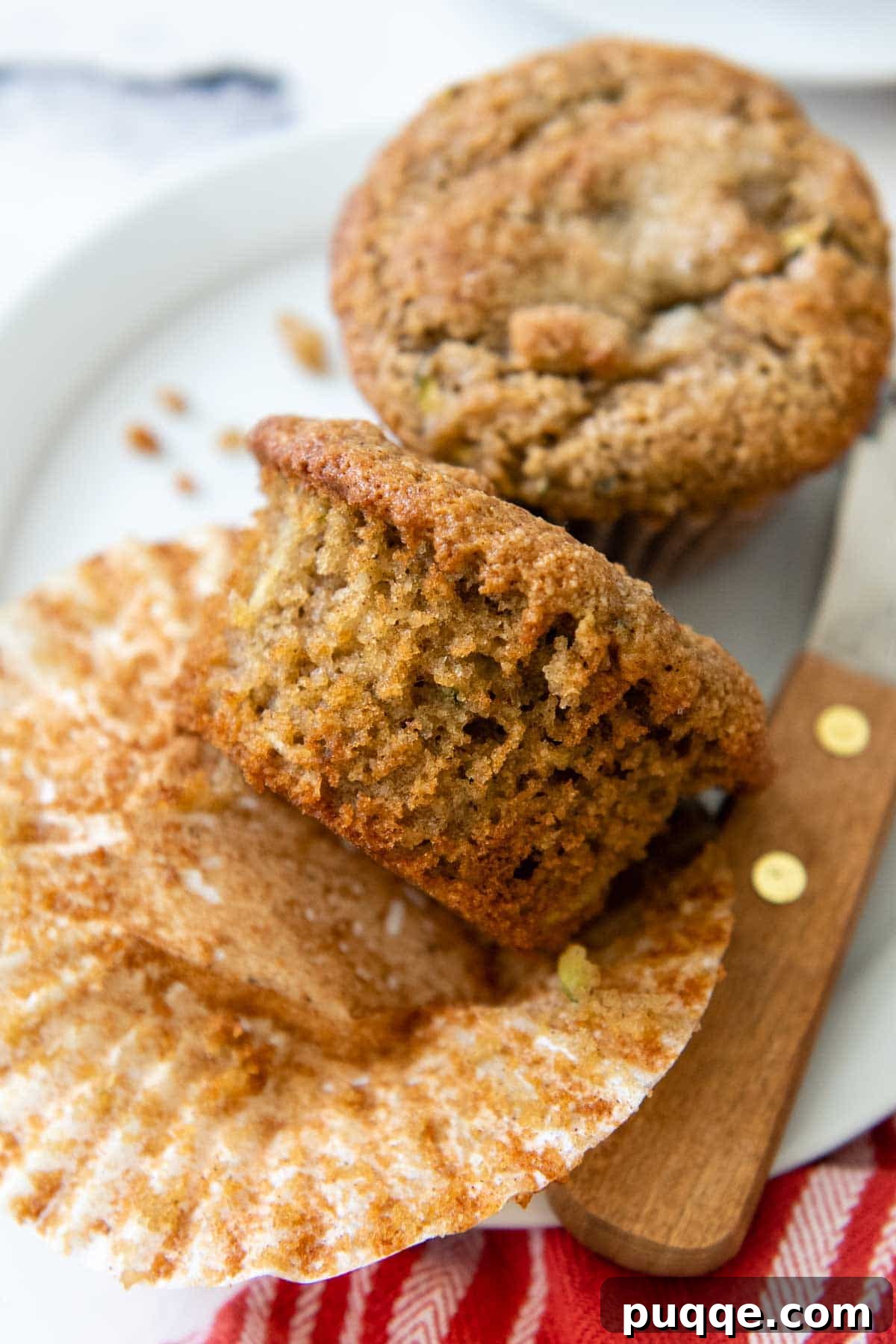
These decadently delicious almond flour zucchini muffins are a breakfast or snack sensation! Naturally gluten-free, grain-free, and dairy-free, they’re designed to impress even the pickiest eaters. Discover an easy trick for achieving a perfectly light and fluffy texture every time, making them a family favorite everyone will rave about.
Get The Recipe
2. Crispiest Gluten-Free Zucchini Fries (Baked or Air Fryer)
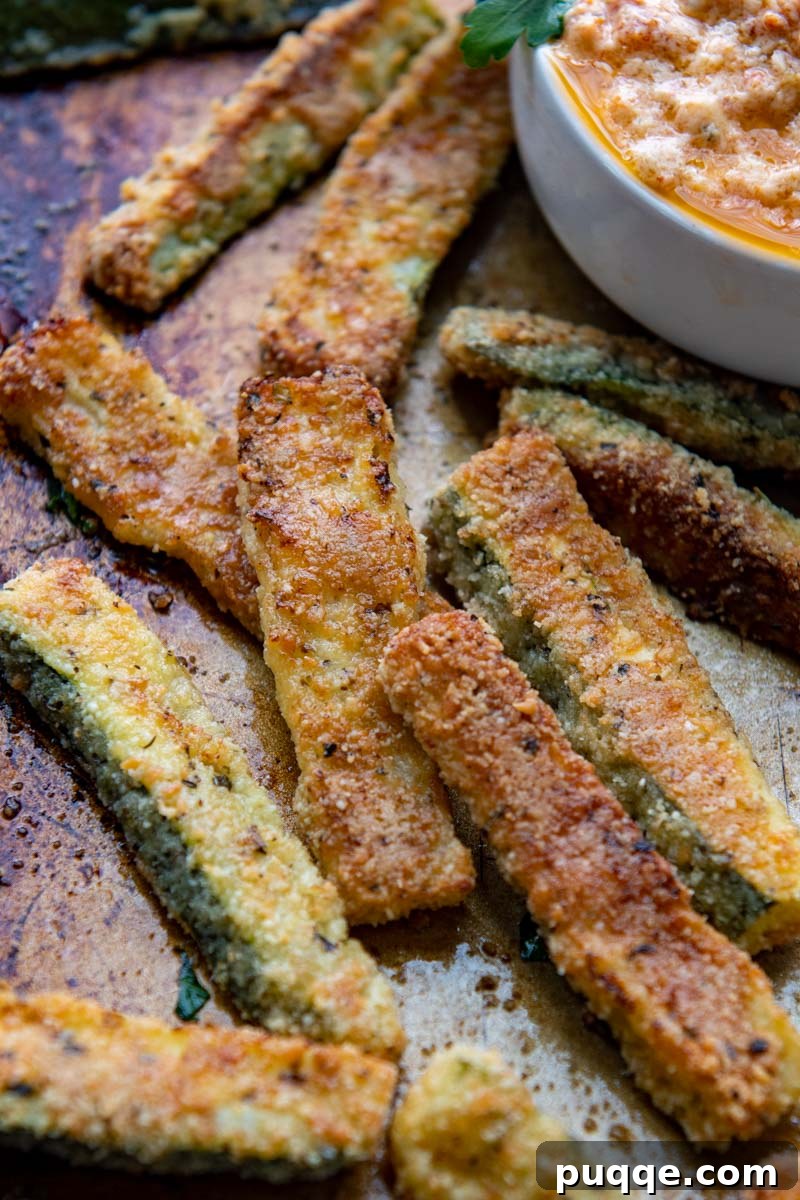
Enjoy ultra crispy gluten-free zucchini fries with this incredibly easy oven-baked or air fryer recipe. Tender, fresh zucchini sticks are coated with a flavorful golden Parmesan and almond flour breading, making them savory, delicious, and entirely grain-free. This family-friendly recipe simplifies prep with an easy shake-and-bake method for perfectly coated fries!
Get The Recipe
3. Moist & Easy Blueberry Zucchini Bread Recipe
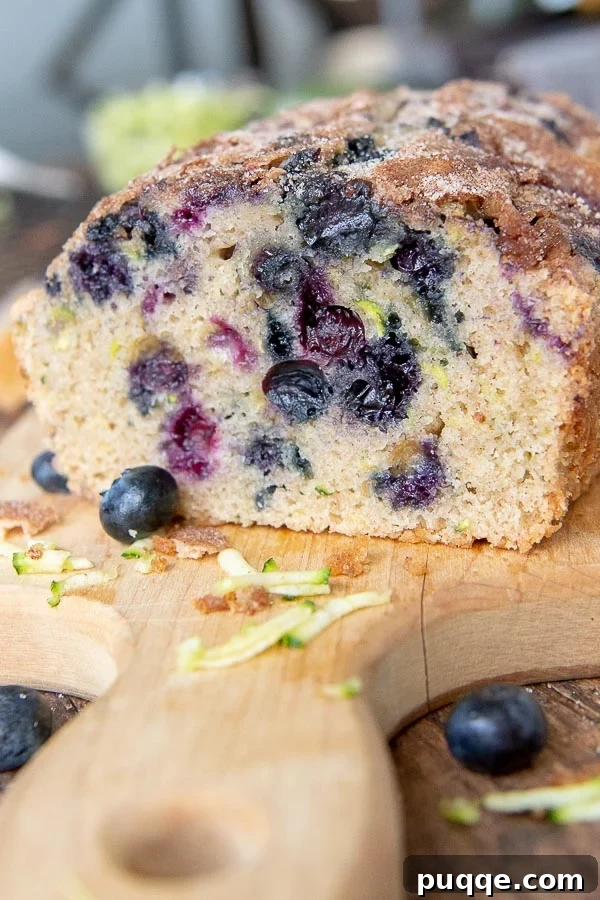
This is the best blueberry zucchini bread you’ll ever taste, exuding full-on summer vibes and flavors! Bursting with fresh blueberries, grated zucchini, and topped with a crunchy-sweet cinnamon sugar topping, it’s mixed as an easy one-bowl quick bread. This recipe yields two loaves, perfect for enjoying one now and freezing one for later. Plus, it bakes up perfectly with gluten-free all-purpose flour, making it accessible for everyone.
Get The Recipe
4. Sauteed Zucchini with Lemon and Garlic
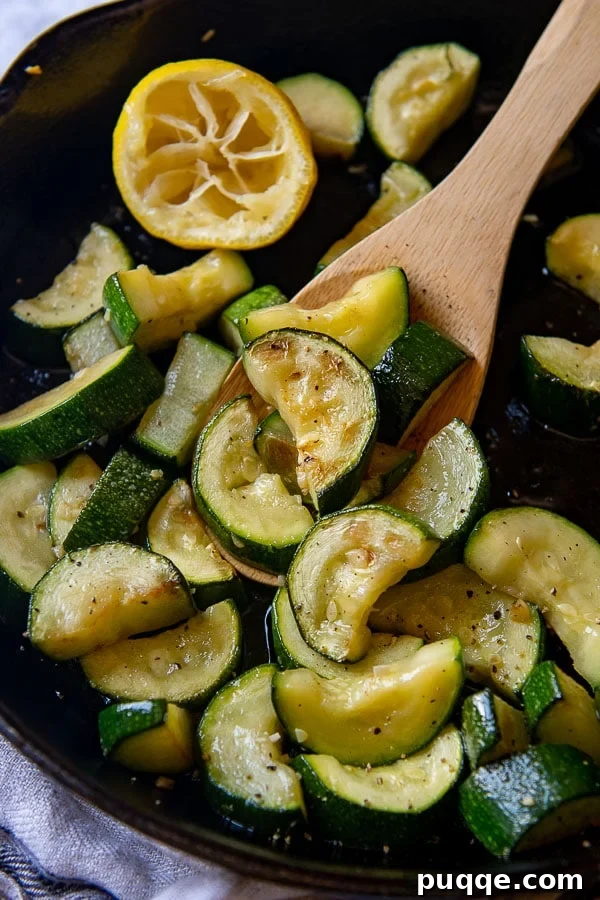
Learn how to make perfectly sautéed zucchini and squash with this incredibly quick and easy lemon garlic recipe. In as little as five minutes, you’ll have a richly flavorful and vibrant zucchini side dish ready to enjoy, perfect for any meal.
Get The Recipe
5. Gluten-Free Parmesan Zucchini Fritters

Whip up delicious gluten-free parmesan zucchini fritters for a savory snack or a fantastic side dish, using only four simple ingredients! These zucchini pancakes are a guaranteed hit with kids, especially when served alongside sour cream and applesauce.
Get The Recipe
6. Best Damn Gluten-Free Zucchini Bread (Legit Moist)
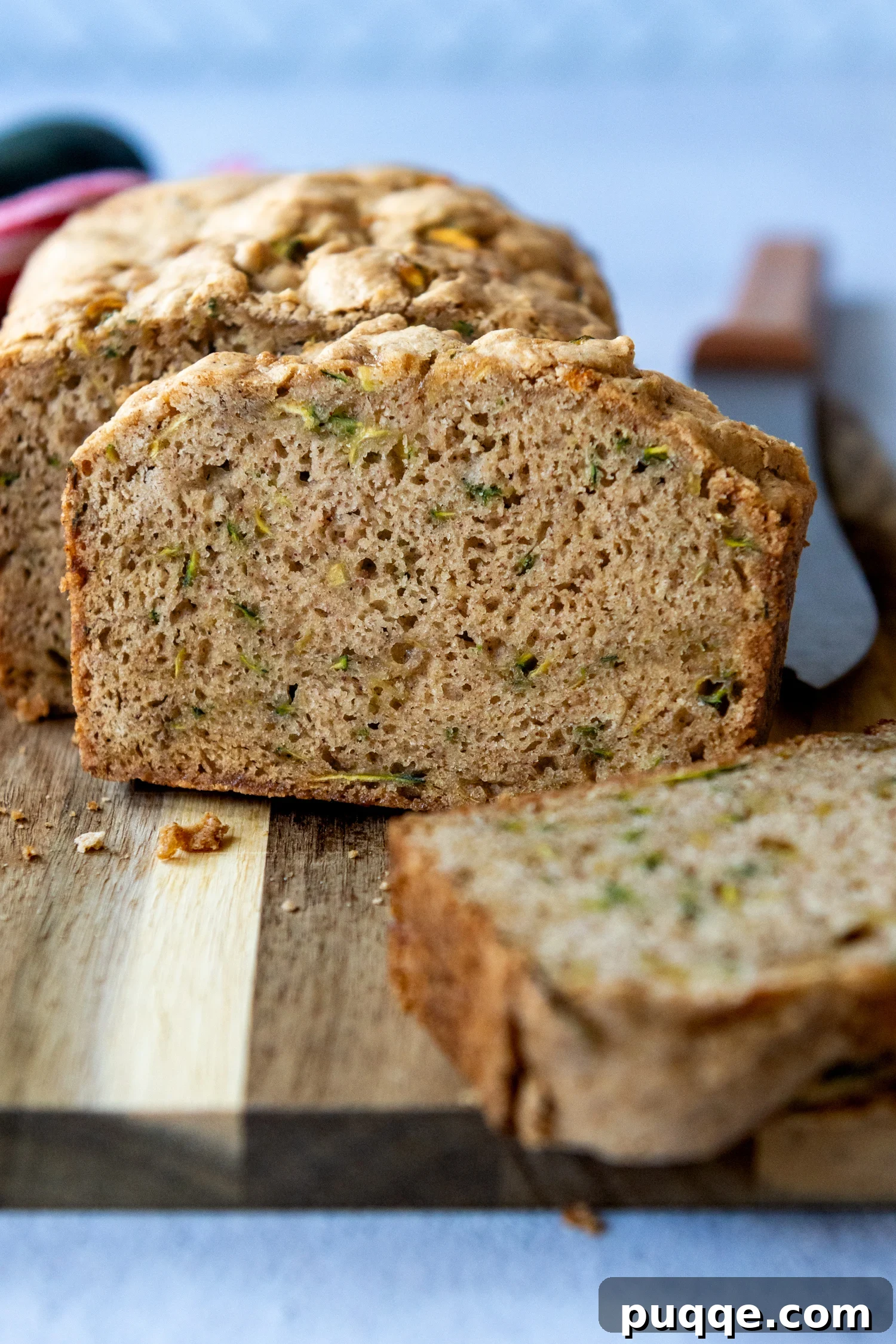
It’s often challenging to make a good-ish zucchini bread with gluten-free flour, but we all deserve a version that’s identical to the classic, old-fashioned loaf we remember. I’ve cracked the code, and luckily, it only requires a few simple tweaks, easy enough for even a GF baking newbie to master. Say goodbye to a sunken middle, dense, gummy texture, or a dry, gritty crumb. This outrageously moist, lofty gluten-free zucchini bread is your ultimate recipe game changer.
Get The Recipe
With this expanded understanding of zucchini – from its edible skin and impressive nutritional profile to tips for selection and storage, and a collection of inspiring recipes – you’re now fully equipped to embrace this versatile summer squash in your culinary adventures. Enjoy exploring all the delicious possibilities that zucchini brings to the table!