Welcome to the ultimate guide for navigating the world of **gluten-free alcohol**! If you’re on a journey to understand which spirits are safe for celiac disease, gluten sensitivity, or simply a gluten-free lifestyle, you’ve landed in the right place. This comprehensive resource offers reliable, straightforward answers and a definitive **GF liquor list**, ensuring you can make informed choices with confidence. Discover an extensive lineup of **gluten-free vodka, gin, tequila, rum, whiskey, and other spirits**, along with crucial information about how distillation impacts gluten content, what ingredients to watch out for, and popular brands that fit the bill. Everything you need to know to safely enjoy your favorite adult beverages is meticulously detailed right here!
Table of Contents:
- Understanding Gluten in Alcohol: Is It Safe?
- Ingredients to Watch Out For in Gluten-Free Alcohol
- The Complete Gluten-Free Alcohol List
- Gluten-Free Vodkas
- Gluten-Free Gin
- Gluten-Free Tequila
- Gluten-Free Rum
- Gluten-Free Whiskey, Scotch, and Bourbon
- Gluten-Free Liqueurs
- Gluten-Free Brandy & Cognac
- Gluten-Free Alcoholic Canned Drinks
- Preventing Cross-Contamination with Gluten-Free Drinks
Understanding Gluten in Alcohol: Is It Safe?
Embarking on a gluten-free diet often leads to careful scrutiny of every food and ingredient. But what about the beverages you consume, especially alcoholic ones? A common question that arises is: “Is alcohol gluten-free?” The answer, while generally optimistic, comes with important nuances that individuals with celiac disease or gluten sensitivities need to understand.
The good news is that due to the intricate process of distillation, many liquors are widely considered safe for those avoiding gluten. Distillation is a purification method where fermented liquid (known as “mash”) is heated, causing alcohol to vaporize. These vapors are then collected and condensed back into a liquid state, leaving behind heavier compounds, including gluten proteins. This process is incredibly effective at removing gluten, even when the initial mash is made from gluten-containing grains like wheat, barley, or rye.
According to respected organizations like the Celiac Disease Foundation and Beyond Celiac, distilled spirits, regardless of their original grain source, are generally deemed safe for most individuals on a gluten-free diet. The repeated rounds of distillation effectively filter out any measurable traces of gluten. However, it’s crucial to acknowledge that some highly sensitive individuals might still experience a reaction, even to distilled spirits. This could be due to extreme individual sensitivity to minute, undetectable traces, or more commonly, due to post-distillation additives.
You might wonder why, if many liquors are safe, they aren’t explicitly labeled “gluten-free.” In the United States, the Tobacco, Tax and Trade Bureau (TTB) has specific regulations. They permit a “gluten-free” label only on products made entirely from non-gluten ingredients (e.g., corn, potatoes, grapes, sugar cane, agave). If a spirit starts with gluten-containing grains but undergoes distillation, it typically carries a label stating “processed to remove gluten” rather than a blanket “gluten-free” certification. This distinction is vital for consumers, especially those with celiac disease, who need clarity on ingredient sources.
This guide aims to cut through the confusion, offering a clear path to enjoying your favorite spirits without concern. Beyond spirits, don’t forget to explore other gluten-free beer alternatives and hard ciders to safely complement your gluten-free lifestyle!
Ingredients to Watch Out For in Gluten-Free Alcohol
While distillation is a powerful tool for removing gluten from spirits, the journey to finding truly gluten-free alcohol can still be tricky. The main culprit for potential gluten contamination in distilled beverages often lies not in the initial fermentation, but in ingredients added *after* the distillation process. Unlike food products, alcohol labels are not typically required to list every ingredient, making it challenging to identify hidden sources of gluten.
Even if a liquor begins with a wheat, barley, or malt mash, the distillation process is effective in removing gluten. However, extreme caution is advised for brands that introduce flavorings, colorings, or other additives post-distillation. Flavored spirits, in particular, often pose a higher risk.
Here’s what to be vigilant about:
- Flavored Liquors: This is the biggest area of concern. Many flavored vodkas, rums, gins, and whiskeys use flavorings that may contain gluten. Examples include “natural flavors,” caramel coloring (derived from barley in some cases), or other proprietary blends that might not be explicitly disclosed. Always research flavored varieties thoroughly.
- Malt-Based Additives: Some spirits or liqueurs might incorporate malt (derived from barley) for flavor or texture after distillation. This is a definite red flag for gluten content.
- “Aging” Processes: While not common for all spirits, some products might be aged with ingredients or in barrels that have been exposed to gluten, although this is generally less of a concern than direct additives.
- Cross-Contamination: In bars or restaurants, cross-contamination can occur from shared shakers, ice bins, or garnishes that have come into contact with gluten-containing ingredients. Always communicate your dietary needs clearly.
To ensure a liquor is safe, the best practice is to visit the manufacturer’s official website. Reputable brands committed to transparency often provide detailed information about their ingredients and gluten-free status. When in doubt, opt for unflavored, clear spirits made from naturally gluten-free bases like corn, potatoes, grapes, or agave, or those explicitly labeled “certified gluten-free.”

The Complete Gluten-Free Alcohol List
Navigating the world of spirits on a gluten-free diet doesn’t have to be daunting. The majority of pure, unflavored distilled liquors are safe to enjoy. Below, we break down specific types of alcohol, detailing their gluten status, common ingredients to watch for, and a comprehensive list of widely available gluten-free brands. This section will empower you to confidently select your favorite drink, whether it’s for a quiet evening or a festive gathering.
We’ll cover everything from vodka to whiskey, and even popular liqueurs and canned cocktails, ensuring you have all the information at your fingertips. If there are any other specific questions or brands you’d like to see included in this resource, please share your thoughts in the comments below the post!
Gluten-Free Vodkas
Vodka, a clear and versatile spirit, is often the first concern for those new to a gluten-free diet. The confusion stems from its production process, which can start with a mash containing gluten-rich grains such as wheat, barley, or rye. However, as with other distilled spirits, the key lies in the distillation.
Vodka is typically distilled multiple times, sometimes as many as 3 to 10 times, to achieve its characteristic purity and smoothness. This rigorous distillation process effectively removes any impurities, including gluten proteins. Therefore, virtually all pure, unflavored vodkas are considered gluten-free by leading celiac organizations, even if they originated from wheat or rye.
For those who are highly sensitive or prefer to err on the side of extreme caution, many excellent vodkas are made from naturally gluten-free bases such as potatoes, corn, grapes, or sugar beets. These options offer absolute peace of mind. However, it is crucial to exercise caution with flavored vodkas, as flavorings and other additives introduced after distillation can potentially contain gluten. Always verify with the manufacturer for flavored varieties.
Gluten-Free Vodka Brands
Whether you enjoy it on the rocks, in a classic martini, or mixed into delicious cocktails like a refreshing vodka lemonade or a spicy blueberry Moscow mule, these widely available vodka brands are generally considered safe for gluten-free consumption:
While many of these brands may be grain-based, their distillation process, often repeated multiple times, removes gluten. These are widely accepted as gluten-free. However, if you are highly sensitive, consider opting for vodkas explicitly made from naturally gluten-free ingredients like potatoes, corn, or grapes for absolute certainty.
- Tito’s (made from corn)
- Smirnoff
- Absolut
- Stolichnaya
- Three Olives
- Burnett’s
- Ketel One
- Svedka
- New Amsterdam
- Chopin (made from potatoes)
- Ciroc (made from grapes)
- Grey Goose
- Belvedere (made from rye, but distilled)
- Prairie Organic (made from corn)
Gluten-Free Gin
Gin, celebrated for its botanical complexity and distinctive juniper notes, also raises questions about gluten due to its typical base. Traditionally, gin starts with a neutral grain spirit, often derived from wheat or barley, which is then re-distilled with botanicals. This initial grain base is where the gluten concern originates for many individuals.
However, similar to vodka, the multi-stage distillation process that creates gin is highly effective at eliminating gluten proteins. The alcohol vapors rise, leaving behind the non-volatile gluten, resulting in a pure, gluten-free spirit. Consequently, the vast majority of pure, unflavored gins are considered safe for those following a gluten-free diet, as confirmed by celiac experts.
For those with extreme sensitivities or a preference for spirits explicitly made from non-gluten sources, there are excellent gin brands that utilize naturally gluten-free bases. These include gins made from potatoes, grapes, or corn, which offer an extra layer of assurance. Always opt for unflavored varieties to avoid potential hidden gluten in additives.
Gluten-Free Gin Brands
Whether you prefer the crispness of a classic gin and tonic (tonic water is naturally GF!), the elegance of a martini, or the innovative flavors of craft cocktails such as a vibrant gin basil smash, you have a wealth of gluten-free gin options. The following widely-distributed brands are generally safe due to the distillation process:
Most gin brands originate from a wheat or barley-based mash, but the rigorous distillation process removes gluten. Many individuals can safely consume these. If you have a high sensitivity or wish to avoid grain-based spirits entirely, consider the potato or grape-based gins available, such as G’Vine (grape), Beattie’s (potato), or Cold River Gin (potato).
- Tanqueray
- Bombay Dry
- Bombay Sapphire
- Hendrick’s
- Beefeater
- Gordon’s
- Aviation
- Seagram’s
- Gin Mare
- The Botanist
- Plymouth
- G’Vine Gin (made from grapes)
- Beattie’s Distillers Gin (made from potatoes)
- Cold River Gin (made from potatoes)
Gluten-Free Tequila
Tequila stands out as one of the most straightforward spirits when it comes to gluten-free considerations. Its traditional production method inherently makes it a safe choice for those avoiding gluten, provided you know what to look for on the label. Authentic tequila is made exclusively from the blue agave plant, a naturally gluten-free source.
To ensure your tequila is 100% gluten-free, always look for bottles explicitly labeled “100% Agave” or “100% de Agave.” This certification guarantees that the spirit contains no other sugars or fillers beyond the blue agave plant. All varieties—Blanco (silver), Reposado (aged a few months), Añejo (aged over a year), and Cristalino (aged then filtered for clarity)—are gluten-free if they bear the “100% Agave” distinction.
The complexity arises with “mixto” tequilas. These are permitted to be made with only 51% agave, with the remaining 49% consisting of other sugars (like cane sugar or corn syrup), flavorings, or thickeners. While many mixtos are still gluten-free, the unknown nature of the “other ingredients” can introduce a risk for highly sensitive individuals. Fortunately, some popular mixto brands have confirmed their gluten-free status, making them safe options.
Gluten-Free Tequila Brands
Whether your preference leans towards a crisp blanco, a smooth reposado, a rich añejo, or an elegant cristalino, there’s a vast array of gluten-free tequila brands to explore. High-quality tequilas are delightful sipped neat or on the rocks, and they form the base of exquisite cocktails like a refreshing Paloma, a zesty limeade margarita, or a light and fresh skinny margarita!
- Jose Cuervo Gold and Silver (these are mixto but verified GF)
- Patron (all varieties are 100% Agave)
- Casamigos (all varieties are 100% Agave)
- Don Julio (all varieties are 100% Agave)
- Sauza (check labels for 100% Agave, though some mixtos like Sauza Gold & Silver are verified GF)
- Espolon (100% Agave)
- 1800 (100% Agave)
- Ocho (100% Agave)
- El Jimador (100% Agave)
- Hornitos (100% Agave)
- Cabo Wabo (100% Agave)
- Casa Noble (100% Agave)
- Gran Centenario (100% Agave)
- Olmeca Altos (100% Agave)
- Herradura (100% Agave)
- Milagro (100% Agave)
Gluten-Free Rum
For those seeking a spirit that is inherently gluten-free from its very foundation, rum is an excellent choice! Rum is traditionally distilled from sugarcane byproducts, primarily molasses or direct sugarcane juice. As sugarcane is naturally a gluten-free ingredient, pure, unflavored rum is unequivocally safe for those on a gluten-free diet.
This makes rum a fantastic base for a wide variety of delicious cocktails, from tropical concoctions to classic favorites. For a delightful twist on a classic, be sure to try this rich mojito made with dark rum, also known as a “dirty mojito”!
However, as with other spirits, vigilance is necessary when it comes to flavored or spiced rums. While the base spirit is gluten-free, manufacturers may add flavorings, colorings, or other ingredients after distillation that could potentially contain hidden gluten. Always cross-reference with the manufacturer’s website or opt for unflavored, pure rum to ensure safety.
Gluten-Free Rum Brands
Pure, unflavored rums are the safest options, as they do not include additional flavorings or additives after distillation. Spiced rums, often categorized as gold or dark rums, derive their flavor from natural herbs, spices, and the aging process in oak barrels, typically remaining gluten-free. Always check for specific brand information if you are particularly sensitive.
- Captain Morgan (Original Spiced Rum is generally considered safe, but always verify for flavored versions)
- Bacardi Gold or Superior (white rum)
- Sailor Jerry Spiced Rum
- Mount Gay Rum
- Goslings Black Seal Rum
- Diplomático Rum
- Bumbu Rum
- Appleton Estate Rum
- Havana Club Rum
- Plantation Rum
- Myers’s Original Dark Rum
- Malibu Rum (Original Coconut is generally considered GF, but check others)
Gluten-Free Whiskey, Scotch, and Bourbon
Whiskey, encompassing varieties like bourbon, Scotch, Irish whiskey, and rye whiskey, presents one of the most frequently discussed and debated topics within the gluten-free community. All types of whiskey begin with a fermented “mash” of grains, which commonly include corn, barley, rye, and wheat. This grain mixture is then aged in wooden barrels, contributing to its distinct color and flavor profile.
Specifically:
- Bourbon: Exclusively produced in the United States, bourbon must be made from a grain mixture that is at least 51% corn. The remaining grains often include rye or barley.
- Scotch Whisky: Originating from Scotland, Scotch typically uses malted barley as its primary or sole grain.
- Rye Whiskey: Made from a mash that is at least 51% rye, giving it a spicier character.
- Irish Whiskey: Often a blend of various grain whiskeys, including malted and unmalted barley, corn, and sometimes wheat.
Given these grain compositions, which include gluten-containing ingredients, the question “Is whiskey gluten-free?” is entirely valid. However, similar to vodka and gin, the extensive distillation process is the key. The Celiac Disease Foundation and other leading authorities have concluded that whiskey, scotch, and bourbon are considered gluten-free for most individuals with celiac disease due to distillation. During distillation, the gluten proteins are too large to vaporize and subsequently separate from the alcohol, remaining in the still.
Despite this scientific consensus, some highly sensitive individuals report experiencing symptoms after consuming grain-based whiskeys. The reasons for this are not fully understood but could involve:
- Extreme Sensitivity: A reaction to extremely minute, undetectable traces of gluten that may remain.
- Post-Distillation Additives: Although less common for pure whiskeys, some flavored varieties or those with added colorings might contain gluten.
- Cross-Contamination: Gluten exposure from mixers or bar tools when ordering cocktails.
Therefore, while the scientific evidence points to distilled whiskey being gluten-free, it is advisable to proceed with caution, especially if you have a high sensitivity. Always listen to your body and consult with your healthcare provider or a registered dietitian if you have concerns.
Gluten-Free Whisky Brands
When choosing whiskey, bourbon, or Scotch, it’s essential to be mindful of manufacturers who might add flavorings, colorings, or even small amounts of mash back into the product after distillation. Generally, pure, unflavored varieties are the safest. Note on Fireball Whiskey: While the company states it’s gluten-free due to distillation, anecdotal reports from highly sensitive individuals suggest they react to it. This might be attributed to post-distillation flavorings.
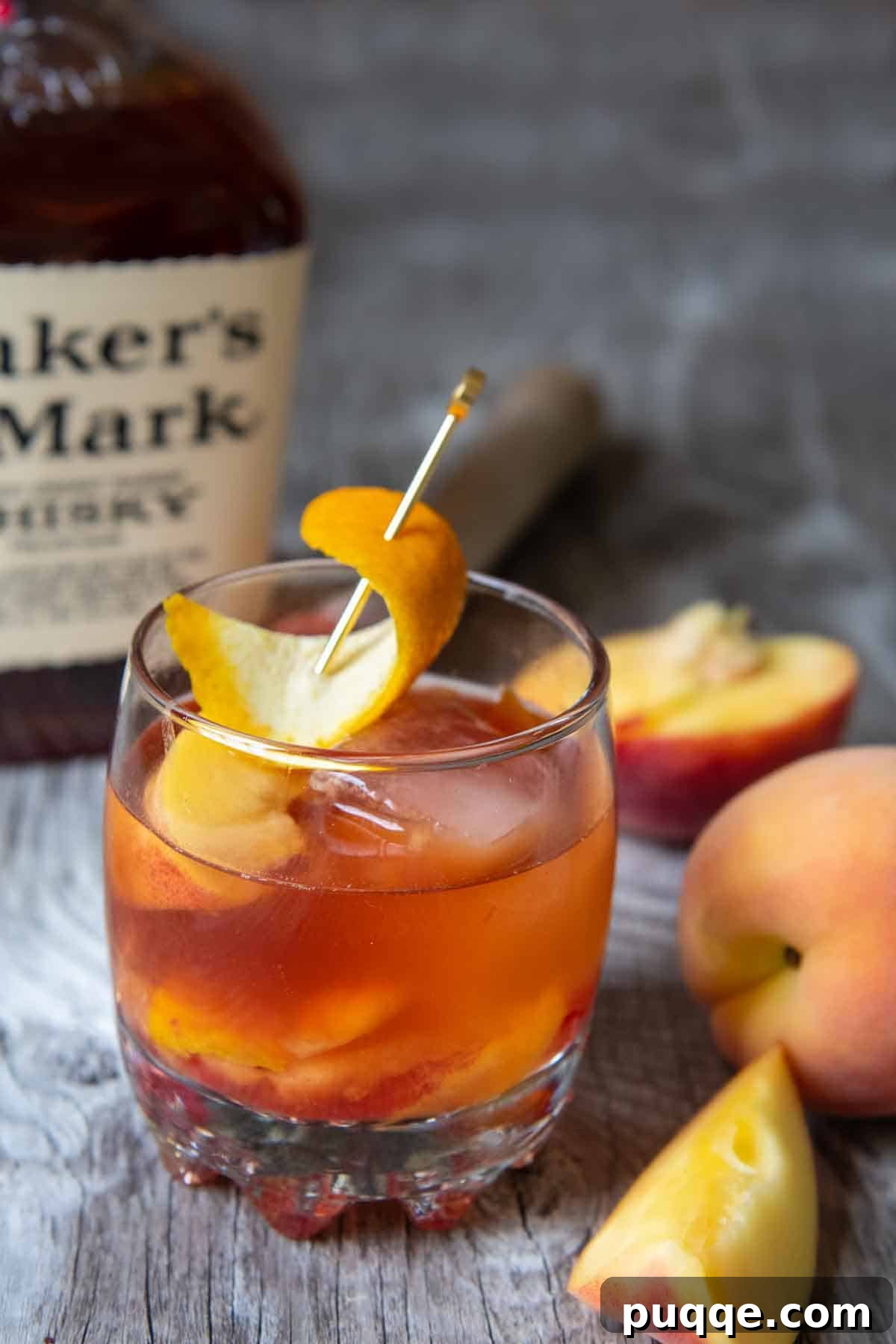
For a delightful gluten-free cocktail, select from the list below and savor a classic Manhattan, a soothing Hot Toddy, or a gourmet peach old fashioned!
- Crown Royal (Canadian Whisky)
- Jack Daniel’s (Tennessee Whiskey)
- Jameson (Irish Whiskey)
- Jim Beam (Bourbon)
- Glenfiddich (Scotch Whisky)
- Evan Williams (Bourbon)
- Seagram’s 7 Crown (Blended Whiskey)
- Dewar’s (Scotch Whisky)
- J&B Scotch (Scotch Whisky)
- Johnny Walker (Scotch Whisky)
- Southern Comfort (Whiskey Liqueur – widely considered GF due to distillation, but verify for highly sensitive individuals)
- Knob Creek (Bourbon)
- Wild Turkey (Bourbon)
- Maker’s Mark (Bourbon)
- Bulleit (Bourbon & Rye)
- Elijah Craig (Bourbon)
- Four Roses (Bourbon)
- Basil Hayden’s (Bourbon)
- Laphroaig (Scotch Whisky)
- Tullamore D.E.W. (Irish Whiskey)
Gluten-Free Liqueurs
Liqueurs are sweetened spirits characterized by added flavors, which can come from fruits, herbs, spices, nuts, or cream. They start with a base spirit (like vodka, rum, or brandy) that undergoes distillation, making the base largely gluten-free. However, the flavoring and sweetening agents added after distillation are where potential gluten can be introduced. This makes liqueurs a category requiring careful scrutiny.
While many popular liqueurs are indeed gluten-free, it’s always best to verify with the manufacturer, especially for unique or lesser-known brands. Be particularly cautious with cream-based liqueurs or those with ambiguous “natural flavors.” Liqueurs are versatile, perfect as aperitifs or digestifs, or as additions to classic cocktails such as an elegant espresso martini or a fruity blackberry martini.
Common Gluten-Free Liqueur Brands (Generally Safe)
- Frangelico (Hazelnut liqueur)
- Limoncello (Lemon liqueur)
- Amaretto (Almond liqueur)
- Grand Marnier (Orange liqueur with Cognac base)
- Cointreau (Orange liqueur)
- Kahlúa (Coffee liqueur)
- Crème de Menthe (Mint liqueur)
- Disaronno Originale (Amaretto-style liqueur)
- Aperol (Bitter orange aperitif)
- Campari (Bitter herbal aperitif)
- Chambord (Raspberry liqueur)
- Crème de Cacao (Chocolate liqueur)
- Galliano (Herbal liqueur)
- Goldschläger (Cinnamon schnapps with gold flakes)
- Ouzo (Anise-flavored liqueur)
- Sambuca (Anise-flavored liqueur)
- St. Germain Elderflower Liqueur
- Midori (Melon liqueur)
- Triple Sec (Orange liqueur)
Is Baileys Gluten-free?
Bailey’s Irish Cream is a popular cream-based liqueur with an Irish whiskey base. Although Irish whiskey begins with gluten-containing grains, the distillation process renders it gluten-free. The cream and flavorings added to Bailey’s are also considered gluten-free by the manufacturer. Therefore, Bailey’s Irish Cream is generally regarded as safe for a gluten-free diet. However, for those with extreme sensitivity to even trace amounts of gluten from grain-based spirits, it’s wise to consume with caution and monitor any reactions.
Is RumChata Gluten-free?
RumChata, a creamy liqueur made with Caribbean rum, dairy cream, cinnamon, and vanilla, is explicitly labeled as gluten-free by its manufacturer. Its unique base, which includes ingredients like tiger nut, sugar, and spices, contributes to its naturally gluten-free status, making it a safe and delicious option.
Is Brandy or Cognac Gluten-free?
Brandy and Cognac are inherently gluten-free, making them safe choices for almost everyone on a gluten-free diet. Brandy is a spirit distilled from fermented fruit juice, most commonly grapes (which yields Cognac or Armagnac), but it can also be made from other fruits like apples, peaches, or cherries. Since fruits are naturally gluten-free, their distilled products are also free from gluten.
Cognac, a specific type of brandy produced in the Cognac region of France, is distilled from white wine grapes. Like all brandies, its fruit-based origin ensures its gluten-free status. While pure brandy and Cognac are safe, some flavored brandies might contain additives, so it’s always prudent to cross-reference with the manufacturer if you’re selecting a flavored variety.
Some popular gluten-free brandy and Cognac brands include Old Admiral, Hennessy, Rémy Martin, and Courvoisier. Pick your favorite and mix up a batch of refreshing rosé sangria or enjoy it neat!
Gluten-Free Alcoholic Canned Drinks
The rise in popularity of ready-to-drink (RTD) alcoholic beverages, especially hard seltzers and canned cocktails, is fantastic news for those on a gluten-free diet. The market is now flooded with convenient and delicious options that are explicitly labeled or confirmed gluten-free, making it easier than ever to grab a safe drink on the go.
These canned drinks often use a base of naturally gluten-free alcohol, such as spirits distilled from corn or sugarcane, or fermented fruit bases. Many hard seltzers are made with a fermented cane sugar base, while hard ciders are fermented from apples. This eliminates the concern associated with grain-based spirits and post-distillation additives, though it’s still crucial to check labels for “gluten-free” certification or clear ingredient lists.
Beyond this list, you can discover many gluten-free hard ciders and a variety of gluten-free beer alternatives to broaden your choices. Below are some of the most popular and widely-distributed gluten-free canned brands to enjoy!
- White Claw Hard Seltzer (made from fermented cane sugar)
- High Noon Hard Seltzer (made with real vodka and real fruit juice)
- Mighty Swell Spiked Seltzer (made from fermented cane sugar)
- Truly Hard Seltzer (made from fermented cane sugar)
- Bud Light Seltzer (made from fermented cane sugar – availability may vary by region, e.g., not in Canada)
- Coors Hard Seltzer (made from fermented cane sugar)
- Bacardi Rum Punch (pre-mixed rum cocktails)
- Fresca Mixed (pre-mixed cocktails with spirits)
- Ketel One Vodka Spritz (pre-mixed vodka spritzers)
- Cutwater Spirits (a wide range of canned cocktails, many are GF, check individual labels)
- Hard seltzers from brands like Vizzy, Press, and Bon & Viv.
Preventing Cross-Contamination with Gluten-Free Drinks
Even with a thorough understanding of gluten-free alcohol brands, it’s vital to be aware of potential cross-contamination, especially when enjoying drinks at bars, restaurants, or even during home entertaining. Cross-contamination occurs when gluten-free food or drink comes into contact with gluten-containing ingredients or surfaces, making it unsafe for those with celiac disease or severe gluten sensitivity.
Here are key areas to watch out for:
- Bar Tools and Equipment: Shakers, blenders, and stirrers used for gluten-containing cocktails (e.g., those with beer, malt-based mixers, or certain liqueurs) can transfer gluten to your drink. Request that bartenders use clean, dedicated tools if possible.
- Garnishes: Some garnishes might have touched gluten-containing items or be prepared on shared cutting boards. Be cautious with fruit slices, olives, or herbs, and always ask if they are handled separately.
- Mixers: While most standard mixers like soda water, tonic, fruit juices, and plain syrups are gluten-free, some specialty mixers or pre-made sour mixes can contain gluten. Always inquire about the ingredients of any mixer used.
- Ice: Ensure that ice bins are not contaminated by scoops that have been used in glasses or shakers that previously contained gluten drinks.
- Beer Taps and Glasses: If you’re ordering a spirit and mixer, ensure the glass used hasn’t just come from a beer tap (if not thoroughly washed) or wasn’t previously used for a gluten-containing beverage.
- Self-Serve Stations: At parties or buffets, be wary of communal serving spoons or garnishes that could be cross-contaminated.
The best way to prevent cross-contamination is to communicate clearly about your dietary needs. Inform your bartender or server that you have a severe gluten allergy or celiac disease. When preparing drinks at home, use clean utensils, cutting boards, and glassware that haven’t been exposed to gluten.
By staying informed and taking proactive steps, you can confidently enjoy a wide variety of delicious gluten-free alcoholic beverages without compromising your health or peace of mind. Cheers to safe and enjoyable sipping!
Save this Gluten-Free Alcohol Guide for Future Reference!
Let’s connect on Pinterest! I’m always sharing delicious gluten-free recipes and lifestyle tips!