
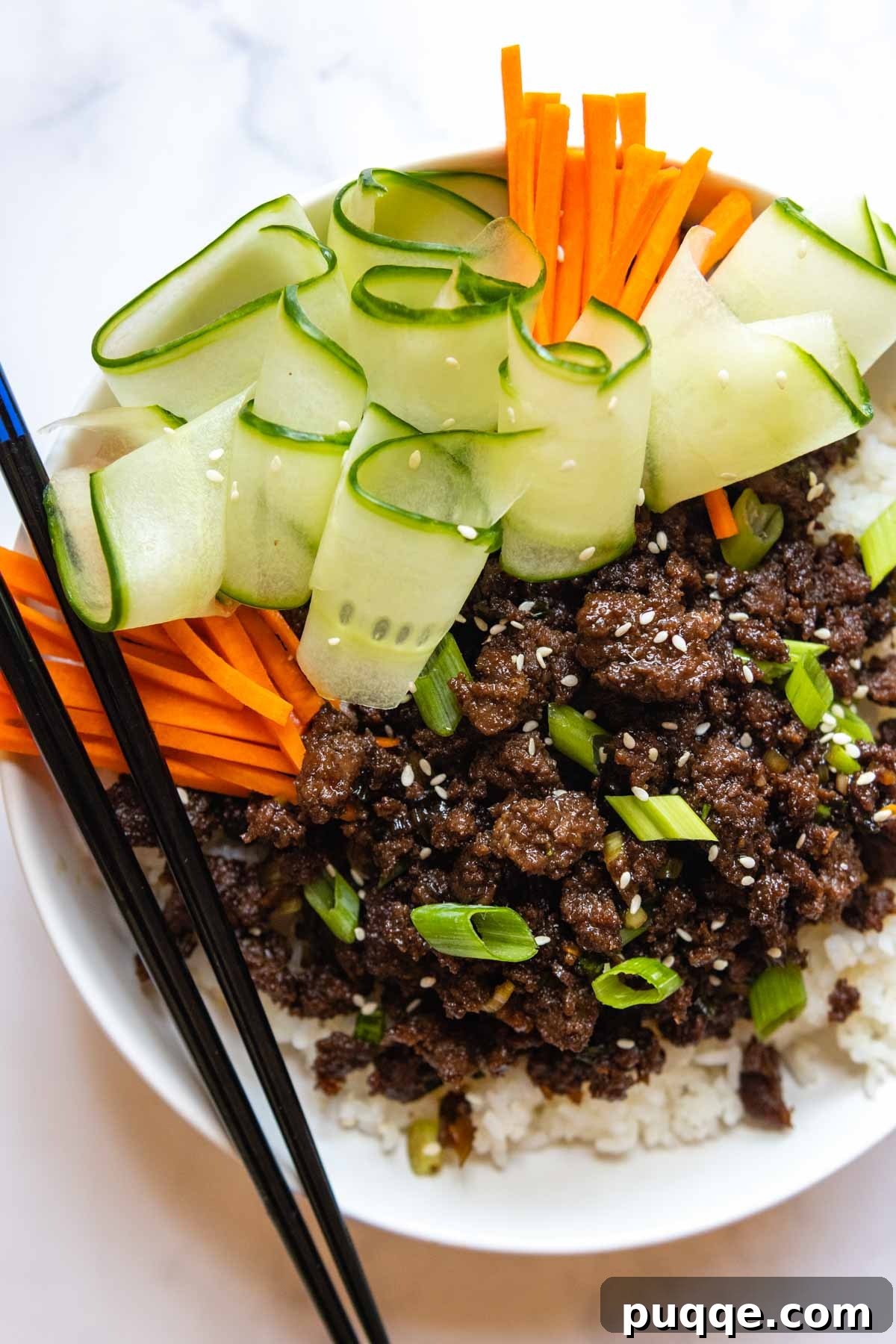
Delve into the vibrant world of Korean cuisine with this incredibly versatile and utterly delicious Ground Beef Bulgogi recipe. Literally translating to “fire meat,” traditional bulgogi features thinly sliced marinated beef grilled to perfection. However, our modern take transforms this classic into a family-friendly, budget-conscious, and lightning-fast dish using ground beef. Best of all, this recipe is designed to be effortlessly **gluten-free** and **dairy-free**, ensuring everyone can enjoy a taste of Korea right at home!
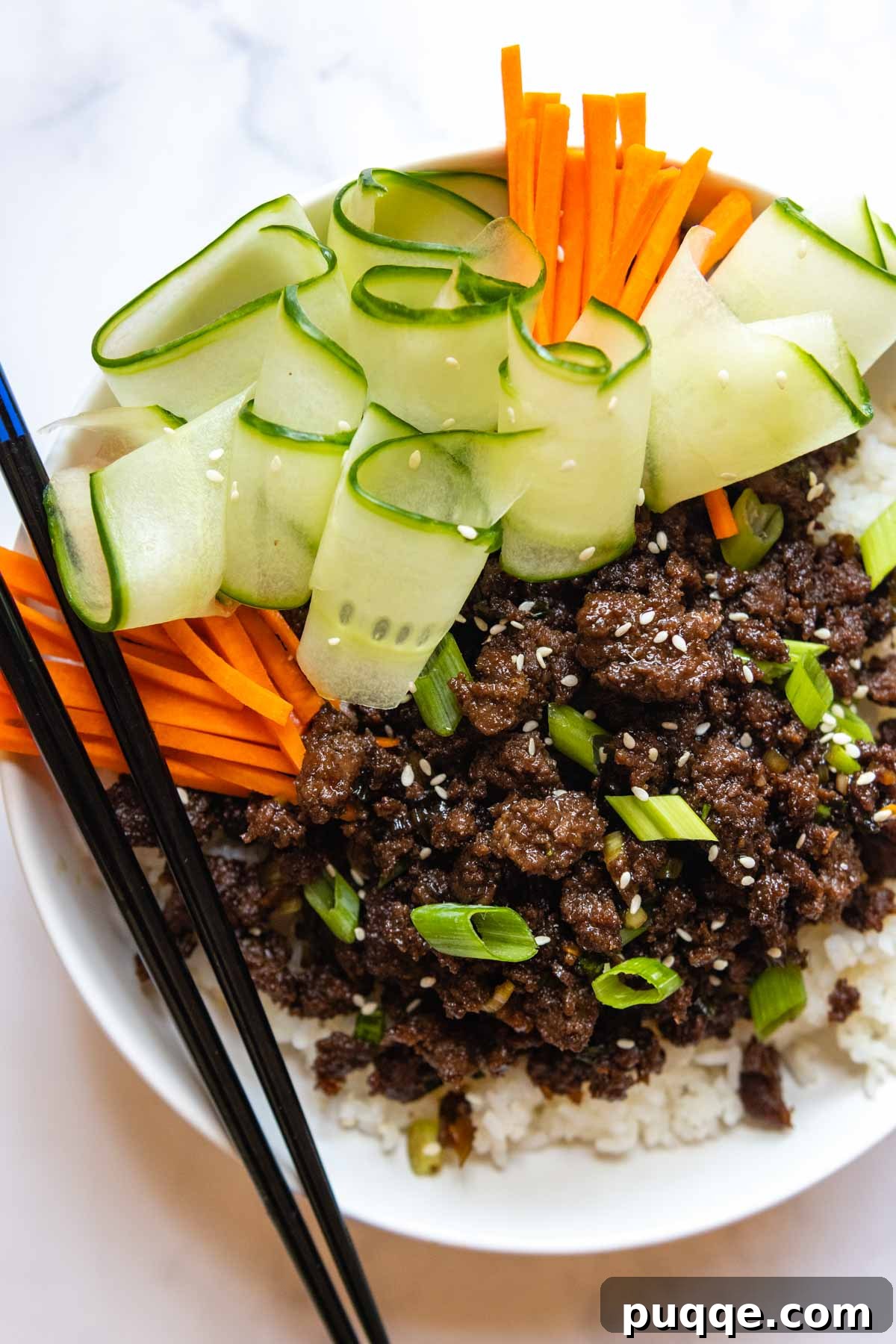
Korean Ground Beef Bulgogi: A Weeknight Wonder
In today’s fast-paced world, finding a meal that’s both economical and quick to prepare without compromising on flavor can be a challenge. Enter the ground beef bulgogi bowl. This dish is not just a meal; it’s a solution for busy weeknights, delivering an explosion of sweet and savory notes that captivate even the pickiest eaters. Forget complicated techniques or obscure ingredients; this recipe comes together in under 30 minutes, making it an ideal choice for a satisfying family dinner.
Similar to the popular unstuffed egg roll bowls or unstuffed cabbage rolls, these Korean beef bowls simplify a beloved classic into a convenient, deconstructed format. They are typically served over a bed of fluffy rice, acting as a canvas for the rich bulgogi sauce and a vibrant array of fresh toppings. The beauty lies in its adaptability; adjust the level of spice to suit every palate, from mild to fiery, ensuring a delightful experience for all.
For those navigating dietary restrictions, this recipe shines as a naturally **gluten-free** and **dairy-free** option that doesn’t feel like a compromise. It proves that wholesome, flavorful meals can be accessible and appealing to the entire family, aligning perfectly with a healthy and mindful lifestyle. If you’re on the hunt for more gluten-free dinner recipes that everyone will love, this bulgogi bowl is a must-try.
The Essence of Flavor: Key Ingredients and Smart Substitutions
Crafting exceptional ground beef bulgogi relies on a balanced blend of sweet, savory, and aromatic ingredients. Paying close attention to the quality and type of each component, especially when aiming for a gluten-free dish, is crucial for achieving that authentic Korean flavor profile.
Protein Power: Ground Beef and Alternatives
- Ground Beef: The star of our simplified bulgogi. When browning the beef, it’s essential to cook it thoroughly and then drain off any excess grease. This prevents the final dish from becoming oily and ensures the sauce can properly coat the meat. For a lighter version of this delightful dish, feel free to substitute ground turkey or ground chicken. These alternatives absorb the marinade beautifully and keep the dish lean without sacrificing flavor.
Aromatic Foundations: Garlic, Ginger, and Sesame Oil
- Garlic: Freshly crushed garlic provides a pungent, savory depth that is indispensable to Korean cuisine. Using fresh garlic will yield the best results, though garlic powder can be used in a pinch (about ½ teaspoon per clove).
- Ginger: I always recommend using freshly minced ginger for its vibrant, spicy, and slightly sweet aroma. It truly elevates the flavor, much like its role in a delicious gluten-free orange chicken recipe. However, if fresh ginger isn’t available, you can substitute with dried ginger powder. A good rule of thumb is to use 1/2 teaspoon of dried ginger powder for every tablespoon of fresh minced ginger.
- Sesame Oil: This ingredient is a flavor powerhouse. Toasted sesame oil, in particular, adds a nutty, earthy depth that is characteristic of Korean dishes. It’s a finishing oil, so substituting it with another oil will significantly alter the flavor profile of the dish. It’s truly a non-negotiable for authentic taste.
The Star of the Sauce: Soy Sauce and Gluten-Free Options
- Reduced-Sodium Soy Sauce: This is arguably the most critical ingredient to pay attention to! Using regular soy sauce will make your bulgogi overly salty, masking the delicate balance of flavors. Always opt for reduced-sodium soy sauce. If you only have regular soy sauce on hand, you can dilute it by using 3 tablespoons of soy sauce and topping it up with water to make a total of ½ cup liquid.
- Gluten-Free Soy Sauce Options: For a completely gluten-free Korean beef bowl, it’s essential to use a soy sauce that does not contain wheat. Excellent alternatives include reduced-sodium tamari sauce or La Choy Lite Soy Sauce, both of which are readily available. Another fantastic gluten-free alternative is coconut aminos, which offers a similar savory depth with a hint of sweetness, ideal for those avoiding soy altogether. Remember, when making specific recipes like my yummiest gluten-free peanut sauce, sticking with a regular gluten-free soy sauce (not low-sodium) might be preferred for a bolder flavor.
Sweetness and Spice: Brown Sugar and Red Pepper Flakes
- Light Brown Sugar: Provides the characteristic sweetness and helps the sauce achieve a beautiful glaze as it reduces.
- Red Pepper Flakes: These add a lovely kick of spiciness that beautifully balances the sweetness of the bulgogi sauce. If you or your family members are sensitive to spice, simply reduce the amount to 1/8 teaspoon, or omit it entirely for a milder dish. For those who love heat, feel free to add a bit more!
How to Make the Perfect Ground Beef Bulgogi Bowl: A Simple Guide
Creating your own delicious ground beef bulgogi is remarkably straightforward. Follow these steps to prepare a flavorful, satisfying meal in no time:
- Preparation is Key: Because this recipe cooks up so quickly, it’s best to practice “mise en place” – measure and prep all your ingredients before you even turn on the stove. This ensures a smooth and stress-free cooking experience.
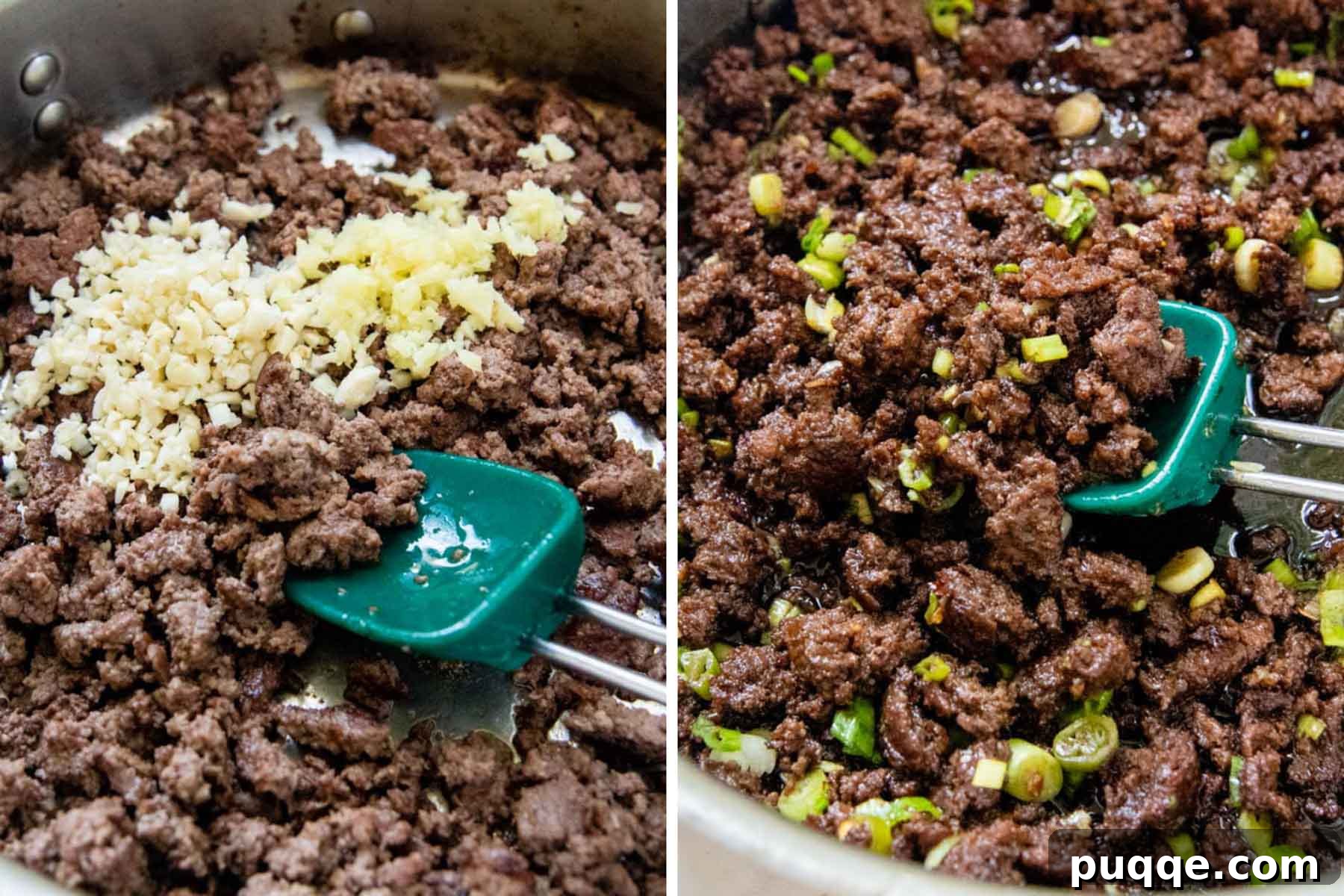
- Brown the Beef: Heat a large skillet over medium-high heat. Add your ground beef and break it up into small pieces with a spoon or spatula. Cook until the beef is thoroughly browned, which usually takes about 5-7 minutes. Once cooked, carefully drain off any excess grease. This step is crucial for a cleaner, less oily sauce.
- Infuse with Aromatics: Reduce the heat to medium. Add the minced garlic, fresh minced ginger, and sesame oil to the browned ground beef. Sauté for about 1-2 minutes, stirring continuously, until fragrant. This brief cooking time helps to release the potent flavors of the aromatics, creating a rich foundation for your sauce.
- Combine and Simmer the Sauce: Stir in the reduced-sodium soy sauce (or gluten-free alternative), light brown sugar, and red pepper flakes. Mix well to ensure all ingredients are evenly distributed. Lower the heat to a gentle simmer and cook, uncovered, for about 5-7 minutes. Allow the sauce to reduce and thicken slightly, coating the beef beautifully.
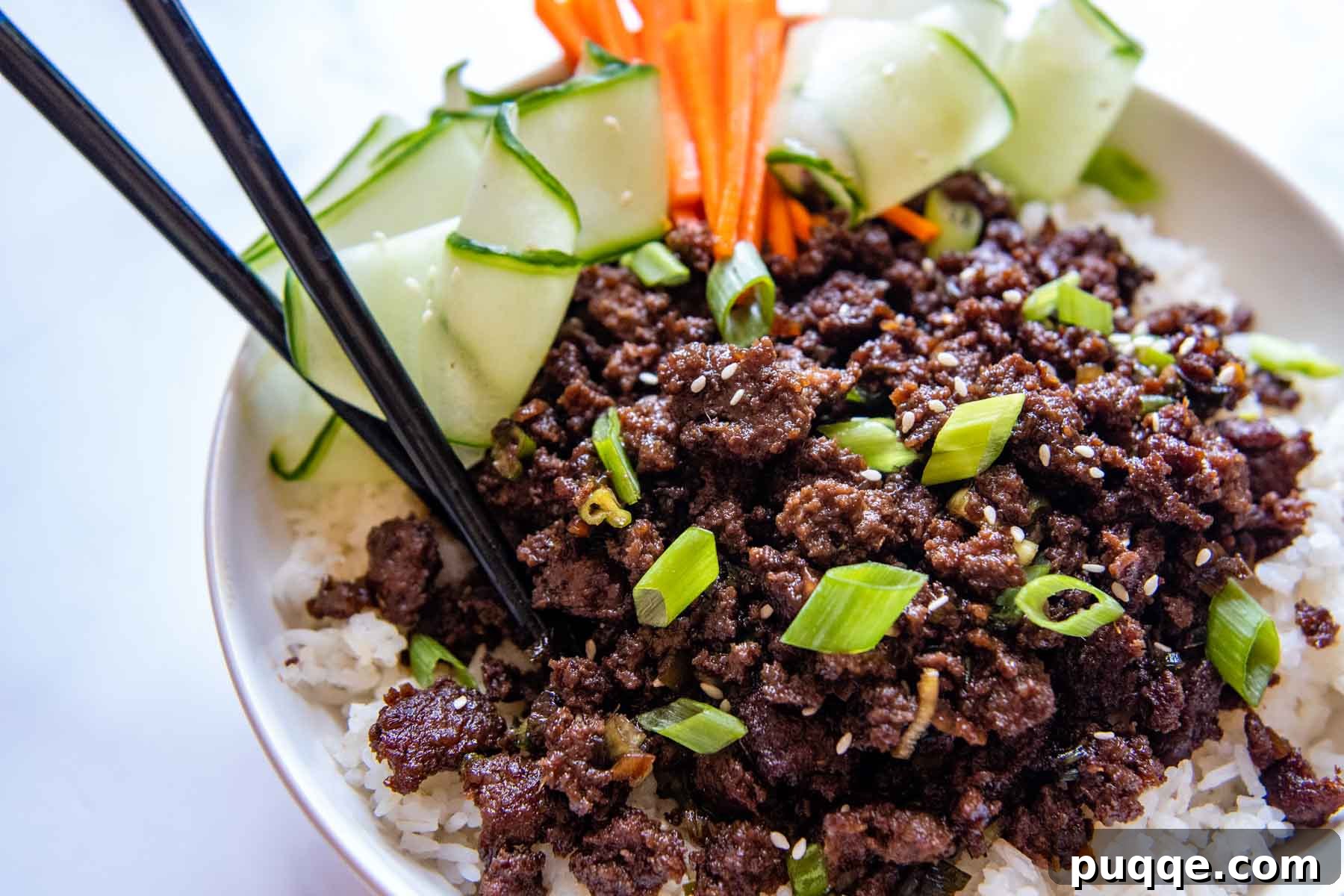
- Add Green Onions and Serve: Just before serving, stir in the chopped green onions. Their fresh, slightly pungent flavor adds a wonderful contrast and brightens the dish. Serve your piping hot bulgogi immediately over a bed of fluffy rice or your chosen base. Garnish with additional green onions, a sprinkle of sesame seeds, or any of the suggested toppings for an extra layer of flavor and texture.
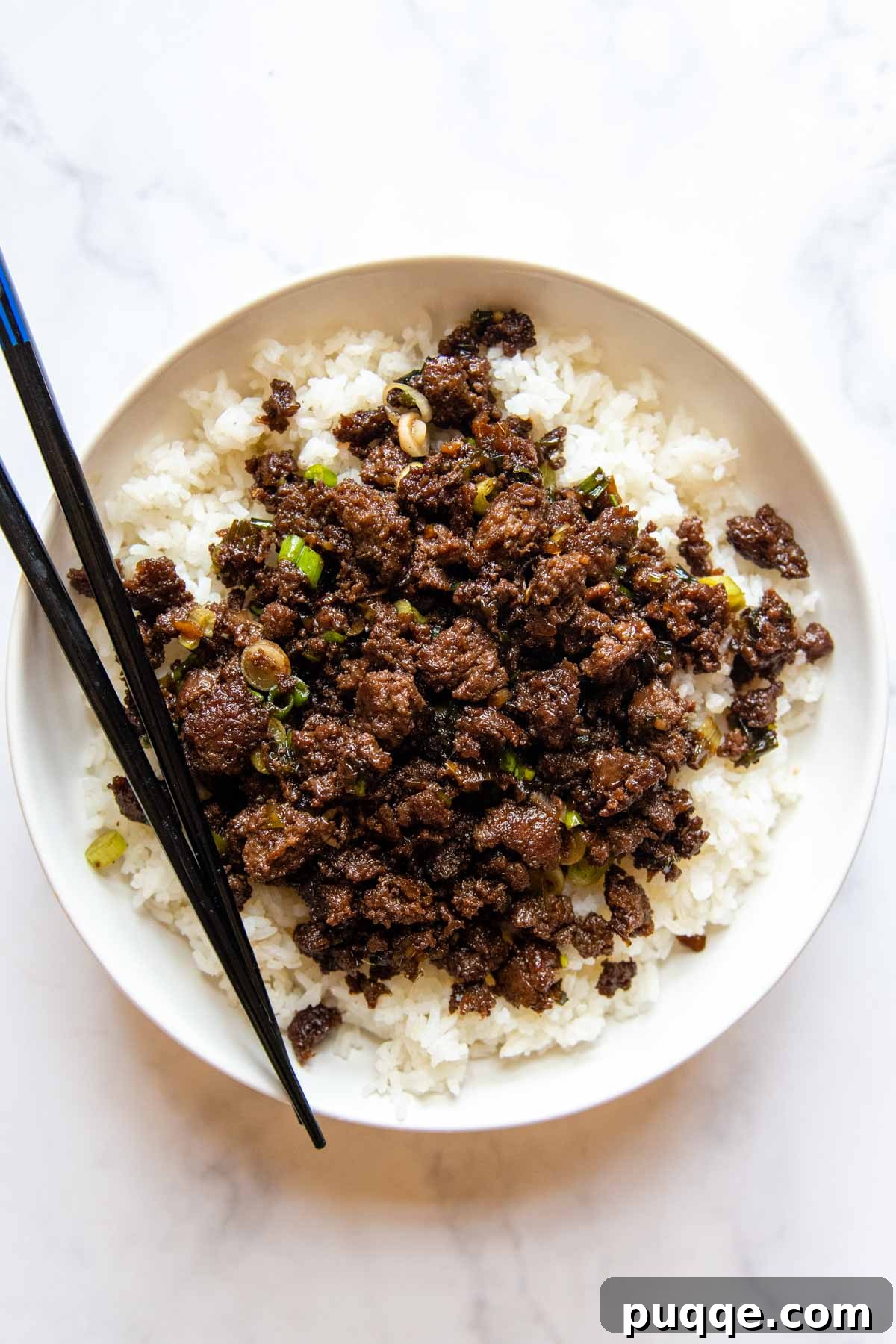
Gluten-Free and Dairy-Free Bulgogi Sauce: Simplified and Delicious
One of the best features of this ground beef bulgogi recipe is its inherent suitability for those with gluten and dairy sensitivities. To ensure your bulgogi bowls are entirely gluten-free, the primary adjustment needed is selecting the correct soy sauce. Opt for a **gluten-free reduced-sodium soy sauce** or tamari. Tamari is a Japanese soy sauce that is typically wheat-free and offers a rich, umami flavor. Popular gluten-free soy sauce options include reduced-sodium tamari sauce or La Choy Lite Soy Sauce.
Beyond the soy sauce, the remaining ingredients in this bulgogi sauce – brown sugar, garlic, ginger, sesame oil, and red pepper flakes – are naturally gluten-free. This makes the recipe safe and delightful for individuals with celiac disease or anyone following a gluten-free diet. Furthermore, this recipe is naturally **dairy-free**, as none of its core ingredients contain dairy, making it an excellent choice for those with lactose intolerance or dairy allergies.
Elevate Your Bowl: Creative Serving Suggestions and Topping Ideas
While Korean ground beef bulgogi is traditionally served over rice, much like a comforting gluten-free coconut curry, the true joy of this dish lies in its versatility. There are countless ways to customize your Korean beef bowl, allowing you to make it uniquely your own by experimenting with different bases and an exciting array of toppings.
Base Options for Every Diet
- Classic Rice: Serve over fluffy basmati rice, fragrant jasmine rice, or wholesome brown rice for a traditional and satisfying experience.
- Low-Carb Alternatives: For a lighter, low-carb option, cauliflower rice makes an excellent base.
- Noodle Bowls: Transform your bulgogi into a noodle bowl by serving it over rice noodles or even zucchini noodles (zoodles) for a fresh twist.
- Lettuce Wraps: For a refreshing and gluten-free alternative to rice or noodles, spoon the bulgogi into crisp lettuce cups, such as butter lettuce or romaine. This makes for a delightful, hand-held meal.
Boost Your Bowl with Vegetables
- Stir-Fried Veggies: Boost the nutritional content and crunch factor by stir-frying additional vegetables directly with the beef or serving them alongside. Cabbage, broccoli florets, fresh spinach, thinly sliced zucchini, bell peppers, or even mushrooms are fantastic additions.
- Fresh Garnishes: Integrate fresh, crisp vegetables as toppings to add texture and vibrant color.
Delightful Topping Ideas
- Fried Egg: For an extra layer of richness and protein, top your Korean ground beef bowl with a perfectly cooked sunny-side-up fried egg. The runny yolk will mix with the bulgogi sauce, creating an even more luscious experience.
- Traditional Korean Accents: Add a dollop of spicy kimchi, thinly sliced radishes, or refreshing julienned carrots and cucumbers for authentic Korean flavors and textures.
- Freshness and Crunch: A sprinkle of sesame seeds and additional chopped green onions are classic garnishes. Sliced Asian pear offers a unique sweetness and crunch that pairs wonderfully with the savory beef.
- Spicy Kick: Drizzle with sriracha sauce for an extra burst of heat.
- Creamy Avocado: Cubed or sliced avocado adds a creamy texture and healthy fats, balancing the flavors beautifully.
Click here to see thestep-by-step web story instructions for this recipe!
More Easy Ground Beef Recipes You’ll Love
If you’ve enjoyed the simplicity and flavor of this ground beef bulgogi, you’re in for a treat! Ground beef is a versatile ingredient that forms the foundation of countless quick and satisfying meals. Here are some other family-favorite recipes that make the most of this economical and delicious protein:
- Walking Taco Bake: All the fun of walking tacos, in a comforting casserole format.
- Stuffed Pepper Soup: The hearty flavors of stuffed peppers, simmered into a delicious, easy-to-make soup.
- Slow Cooker Cincinnati Chili: A unique and flavorful chili, perfect for a cozy night in, effortlessly made in your slow cooker.
SAVE THIS recipe for ground beef bulgogi TO YOUR PINTEREST BOARD!
Let’s be friends on Pinterest! I’m always sharing great recipes and culinary inspiration!
4.78 stars (9 ratings)
Korean Ground Beef Bulgogi (Gluten Free)

Melissa Erdelac
Yield: 4 servings |
Prep Time: 10 mins |
Cook Time: 15 mins |
Total Time: 25 mins
Bulgogi is a scrumptious Korean dish that literally translates to, “fire meat.” Learn how to make your own yummy ground beef bulgogi with this quick and easy gluten-free recipe!
Pin Recipe
Ingredients
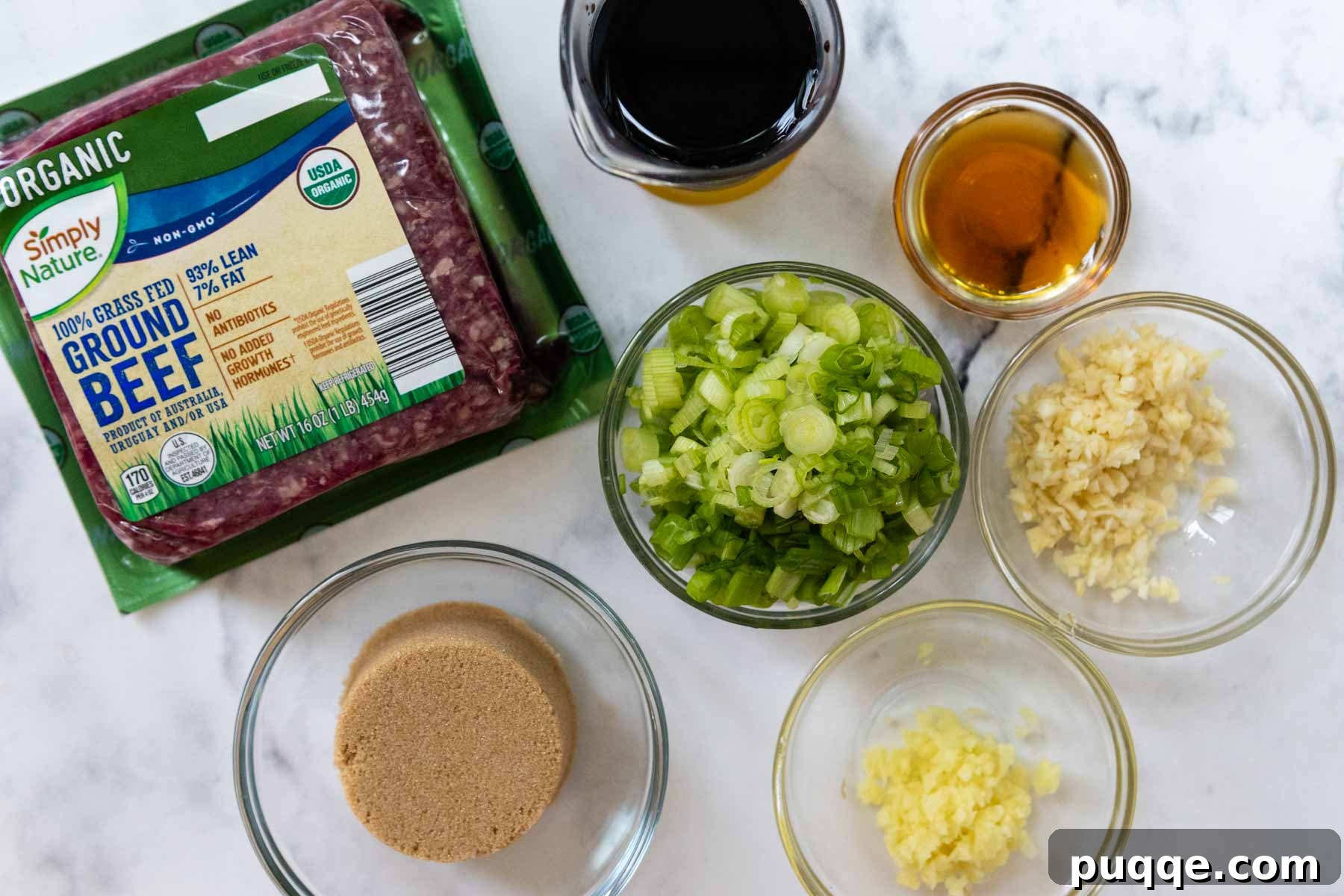
- 1 pound ground beef
- 5 cloves garlic, crushed
- 1 tablespoon fresh minced ginger (see notes for substitute)
- 2 teaspoons sesame oil
- ½ cup gluten-free reduced sodium soy sauce (see notes for substitutes)
- ⅓ cup light brown sugar
- ¼ teaspoon red pepper flakes
- 3 chopped green onions
- Serving options: cooked rice, cauliflower rice, sesame seeds, green onions, kimchi, cucumbers, carrots, radishes
Equipment
- Santoku Knife
- Stainless Steel Skillet
Instructions
- Since the recipe cooks quickly, measure and prep all ingredients before you begin.
- Heat a large skillet over medium-high heat. Add the ground beef, breaking it up with a spoon. Cook until browned, about 5-7 minutes. Drain off any excess grease.
- Reduce heat to medium and add the garlic, ginger, and sesame oil. Cook for 1-2 minutes until fragrant. Stir in the soy sauce, brown sugar, and red pepper flakes.
- Lower the heat to a simmer and cook, uncovered, until the sauce reduces and thickens slightly, about 5-7 minutes. Stir in the chopped green onions.
- Serve immediately over rice or your chosen base, and garnish with suggested toppings.
- DID YOU MAKE THIS RECIPE? We’d love your feedback! Please consider leaving a review or a star rating.
Notes
Reduced-Sodium Soy Sauce – Using regular soy sauce will make the dish too salty. If you only have regular soy sauce on hand, use 3 tablespoons of soy sauce and dilute it with water to make a total of 1/2 cup liquid. For a gluten-free Korean beef bowl, use reduced-sodium tamari sauce or La Choy Lite Soy Sauce.
Ginger – While I prefer the vibrant taste of freshly minced ginger, dried ginger powder may also be used as a substitute. Use 1/2 teaspoon of dried ginger powder for every tablespoon of fresh ginger.
Recipe adapted from Allrecipes
Nutrition Information
- Calories: 361kcal
- Carbohydrates: 22g
- Protein: 24g
- Fat: 19g
- Saturated Fat: 7g
- Polyunsaturated Fat: 1g
- Monounsaturated Fat: 8g
- Trans Fat: 1g
- Cholesterol: 77mg
- Sodium: 1232mg
- Potassium: 529mg
- Fiber: 1g
- Sugar: 18g
- Vitamin A: 157IU
- Vitamin C: 4mg
- Calcium: 58mg
- Iron: 3mg
Did you make this recipe? Please leave a star rating and review below. It helps others when searching for recipes and I LOVE feedback!