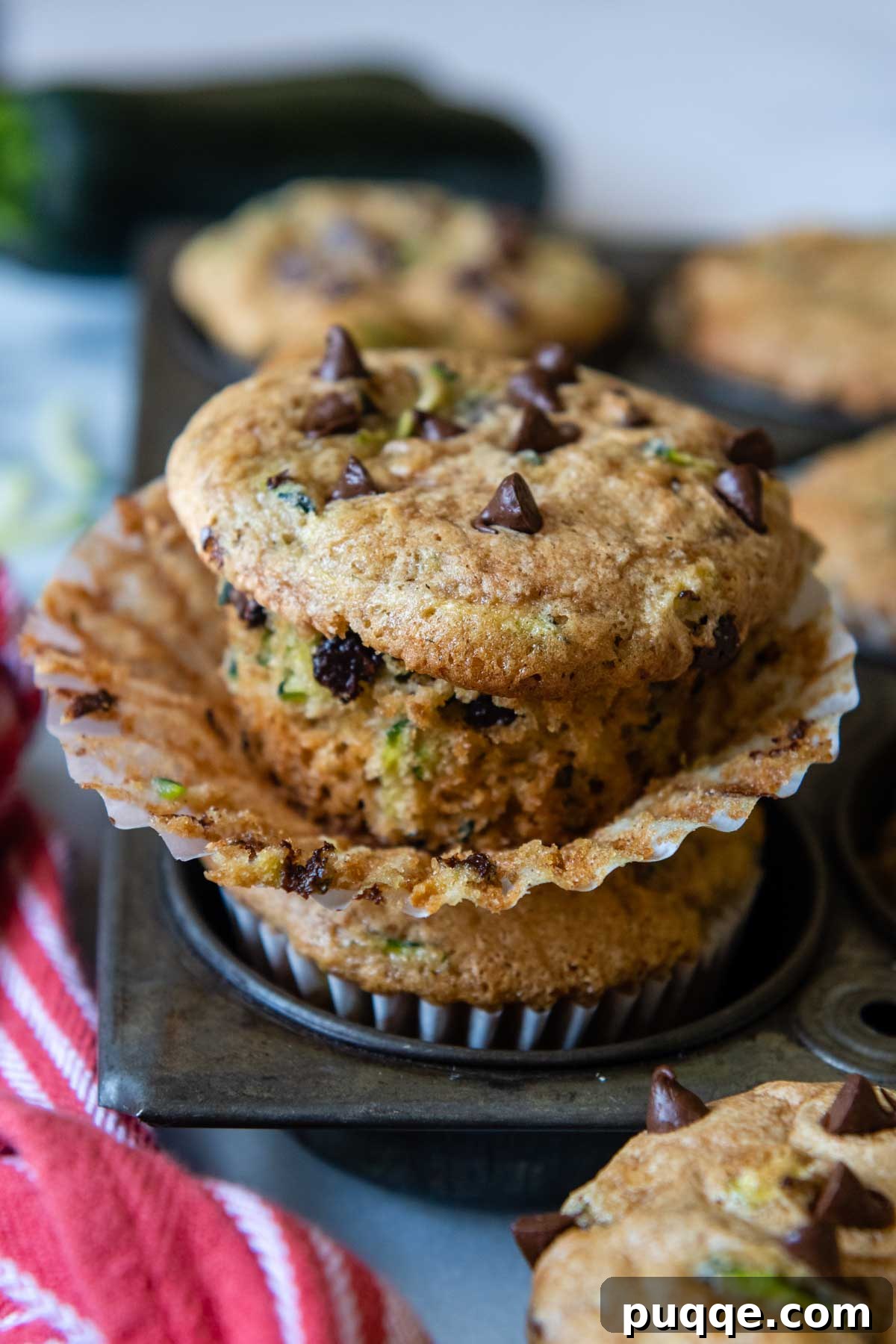
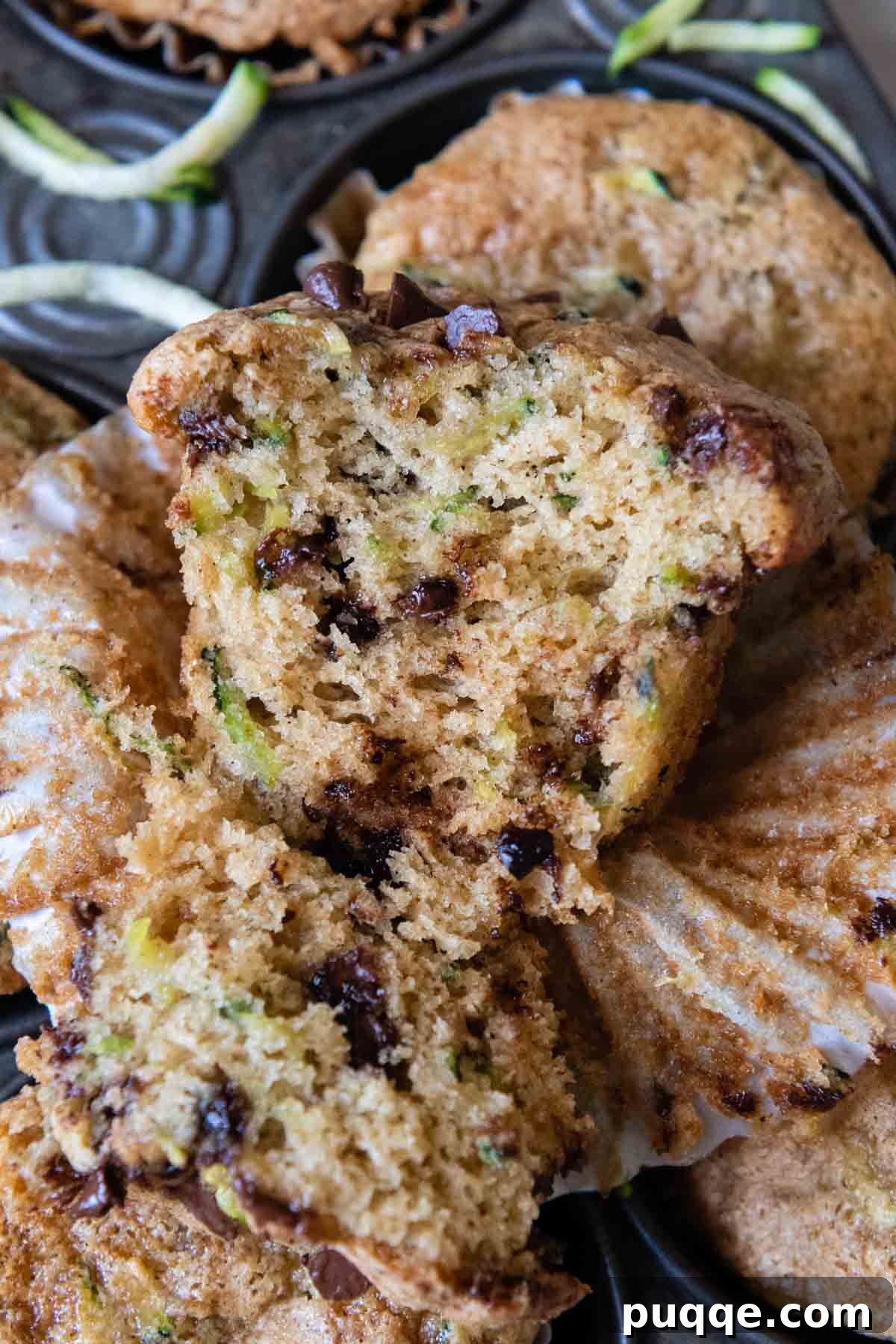
Unlock the secrets to baking the most delightful and perfectly moist gluten-free zucchini muffins with these expert tips! This comprehensive guide will teach you how to craft incredibly light, fluffy, and tender zucchini muffins with gluten-free flour, ensuring a consistently delicious outcome. By mastering three simple yet crucial steps – effectively blotting excess moisture from zucchini, allowing your muffin batter to rest, and baking at a precisely controlled lower temperature – you’ll transform into an effortless gluten-free baking pro, creating muffins that rival their traditional counterparts.
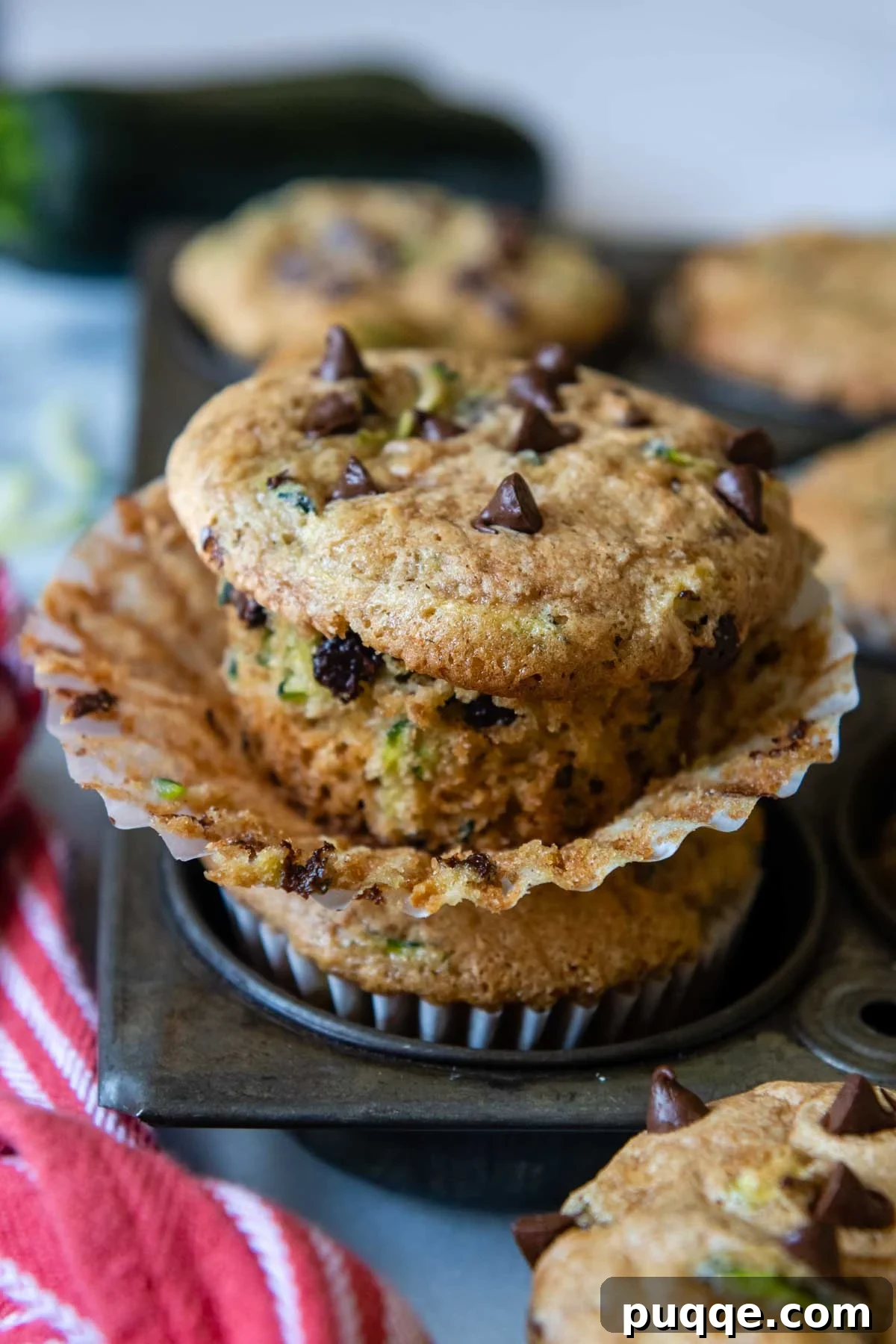
Achieving Perfection: The Ultimate Gluten-Free Zucchini Muffins Recipe
As summer graces us with its warmth, my garden, local farm stands, and grocery stores become abundant with fresh, vibrant zucchini. While the world offers countless gluten-free muffin recipes, there’s a particular magic to these exceptionally fluffy and moist gluten-free zucchini muffins that keeps me coming back season after season. They’re not just a recipe; they’re a perfected art form, designed to delight every palate, including those with dietary restrictions.
What truly elevates this recipe above the rest? Many zucchini muffin recipes promise quick and easy results, but often fail to account for the inherent challenge zucchini presents: its high moisture content. This challenge is amplified when working with gluten-free flour blends, which tend to absorb liquids differently than wheat-based flours. Without proper technique, you can end up with dense, gummy, or overly wet muffins – a common frustration for gluten-free bakers. This recipe directly addresses and resolves these issues, ensuring a consistently light and tender crumb.
To overcome these hurdles and ensure a truly superior product, I’ve integrated some of my most cherished gluten-free baking techniques. The secret to achieving light, airy, and moist zucchini muffins that are indistinguishable from their gluten-containing counterparts lies in a few simple, yet powerful tricks: gently blotting the grated zucchini to remove excess water (a technique equally effective for almond flour zucchini bread), allowing the muffin batter a crucial resting period before baking, and baking at a precisely controlled lower oven temperature. These methods are specifically designed to harmonize with the unique properties of gluten-free flours and the natural moisture of zucchini, resulting in an impeccable taste and texture that will impress even the toughest critics.
In the following sections, I will delve deeper into the science behind why these specific methods yield such outstanding results, transforming potentially problematic ingredients into a perfect treat. You’ll also find a wealth of additional baking tips, comprehensive guidance on storing and freezing your freshly baked muffins to maintain their exquisite freshness for longer, and inspiring modifications to transform this base recipe into an array of creative and delicious variations. Everything you need to master the art of baking truly exceptional gluten-free zucchini muffins is right here!
These are absolutely wonderful! As someone with celiac disease, finding healthy and delicious gluten-free treats is a dream come true. I used some frozen blueberries and pecans, and the blueberries remained perfectly juicy. I’m already making them again, and it’s only been a week!
—Elizabeth
Ingredient Insights: Essential Components for Success
While the core ingredients for these gluten-free zucchini muffins might seem straightforward, understanding the role of each component and applying the right techniques is what creates a truly exceptional result. Below, I’ll share detailed insights into each ingredient, including workable substitutions, important considerations, and how they collectively contribute to the unparalleled success and deliciousness of this recipe.
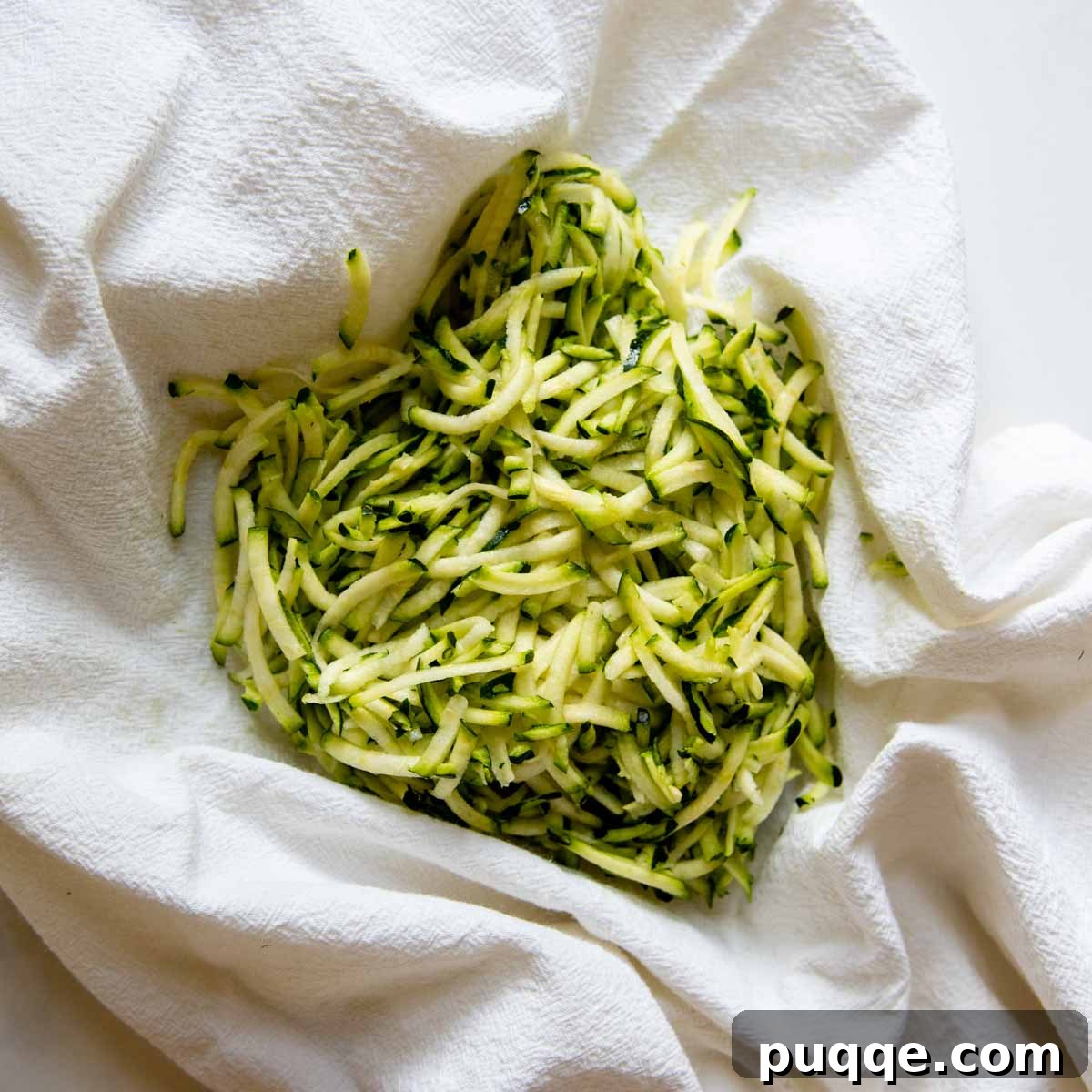
- Zucchini: Always opt for fresh, in-season zucchini for the best flavor and texture. Grate it with the skin on using a standard box grater or a grater disc on a food processor. The most critical step, as you’ll learn in Tip #1, is to remove excess moisture; gently blot the grated zucchini dry with several layers of paper towels or a clean, lint-free dish towel before incorporating it into the batter. This seemingly small step is monumental for gluten-free baking, preventing a dense, gummy texture. This technique is also incredibly effective when making chewy, homemade gluten-free zucchini cookies.
- Large Egg: The egg provides essential structure, acts as a binder, and contributes to the overall richness and moisture of the muffins. For those seeking a vegan version, a flax egg (prepared by mixing 1 tablespoon of ground flaxseed with 3 tablespoons of water, then allowing it to sit for 5-10 minutes until it forms a gel-like consistency) serves as an excellent and reliable egg replacer, ensuring your muffins remain tender and well-formed.
- Brown Sugar & Granulated Sugar: The thoughtful combination of both sugars creates a balanced sweetness and contributes significantly to the muffins’ delightful texture. Brown sugar not only adds a lovely, deep caramel flavor but also imparts a desirable chewiness and extra moisture. Granulated sugar, on the other hand, ensures tenderness and helps achieve a perfectly baked, light crumb. For those looking to reduce sugar, you may slightly decrease the amount of granulated sugar. Alternatively, coconut sugar can replace granulated sugar for a refined sugar-free option, though it may subtly alter the final texture and flavor profile.
- Oil: This recipe intentionally utilizes a neutral-flavored oil, making these muffins naturally dairy-free (provided other ingredients, like chocolate chips and flour, are also dairy-free). Feel free to choose any oil you prefer, such as vegetable oil, gently melted coconut oil, canola oil, or avocado oil. The oil is crucial for achieving the incredible moisture and tenderness in the muffins, eliminating the need for butter. If you’re crafting gluten-free zucchini chocolate chip muffins for a dairy-free diet, double-check that your chosen all-purpose gluten-free flour blend and chocolate chips are certified dairy-free.
- Gluten-Free All-Purpose Flour: The choice of gluten-free flour blend is paramount to the success of this recipe. For consistently superior results that closely mimic traditional muffins, I highly recommend Cup4Cup gluten-free flour. Its specific blend of starches and flours is excellent for achieving the desired light and tender texture. However, many other quality blends exist; I encourage you to check the comments section below, as many readers have shared their successful experiences with various other workable flour blends, offering valuable alternatives. For the most accurate and consistent baking results, always measure your flour by weight using a reliable kitchen scale rather than by volume.
- Leavening Agents (Baking Powder & Baking Soda): These powerful ingredients are vital for giving the muffins their characteristic lift, rise, and airy texture. Baking soda primarily reacts with acidic components in the batter (such as brown sugar, or if you were to add buttermilk), while baking powder provides an initial lift and sustained rise throughout the baking process. Precise measurement of these agents is crucial for optimal leavening and preventing a dense crumb.
- Ground Cinnamon: A generous amount of ground cinnamon adds a warm, inviting aroma and a delicious spice that beautifully complements the subtle, earthy flavor of zucchini. You can adjust the amount to suit your personal preference or experiment with other warming spices like a hint of nutmeg, ginger, or even a pre-mixed pumpkin pie spice blend for added complexity.
- Mini Chocolate Chips (Optional): If you’re planning to make a batch of scrumptious gluten-free chocolate chip zucchini muffins, I strongly advise using mini chocolate chips. Their smaller size ensures even distribution throughout the batter, preventing the common issue of chocolate chips sinking to the bottom during baking, which often occurs with larger baking chips in lighter, gluten-free batters. For dairy-free versions, ensure these are specifically labeled dairy-free.
- Vanilla Extract: A splash of good quality vanilla extract enhances all the flavors in the muffin, adding a fragrant sweetness and depth that brings all the ingredients together beautifully.
Essential Baking Tip #1: Master the Art of Blotting Zucchini
This technique stands as arguably the most crucial step when aiming to bake perfectly moist and fluffy gluten-free zucchini muffins. Instead of grating your zucchini and immediately adding it to the batter, dedicate a few extra moments to gently blot and squeeze out its excess moisture. To do this effectively, spread the grated zucchini evenly across a double layer of paper towels or a clean, lint-free dish towel. Then, gently but firmly press down and squeeze the zucchini until a significant amount of water has been absorbed into the towel. You’ll be genuinely surprised by just how much liquid can be extracted!
But why is this step so profoundly critical, especially for gluten-free muffins? Gluten-free flour blends, by their very nature, struggle with the same robust moisture absorption capabilities and structural integrity that gluten provides in wheat flour. Lacking gluten, which forms an elastic network for structure and elasticity, GF flours can easily become oversaturated and dense. When faced with the high water content of zucchini, unblotted zucchini can lead to a dense, gummy, and heavy crumb in your muffins – a common frustration for many gluten-free bakers. Removing some of zucchini’s excess moisture allows the gluten-free starches to hydrate properly with the other liquids in the batter without becoming waterlogged or creating a soggy texture. This simple action ensures a wonderfully light, tender, and moist crumb, preventing common issues like a “soggy bottom” or the dreaded sunken middle in your finished muffins. It creates a perfect balance of moisture, allowing the muffins to bake through evenly and maintain their beautiful, inviting shape.
Essential Baking Tip #2: Allow Muffin Batter to Rest Before Baking
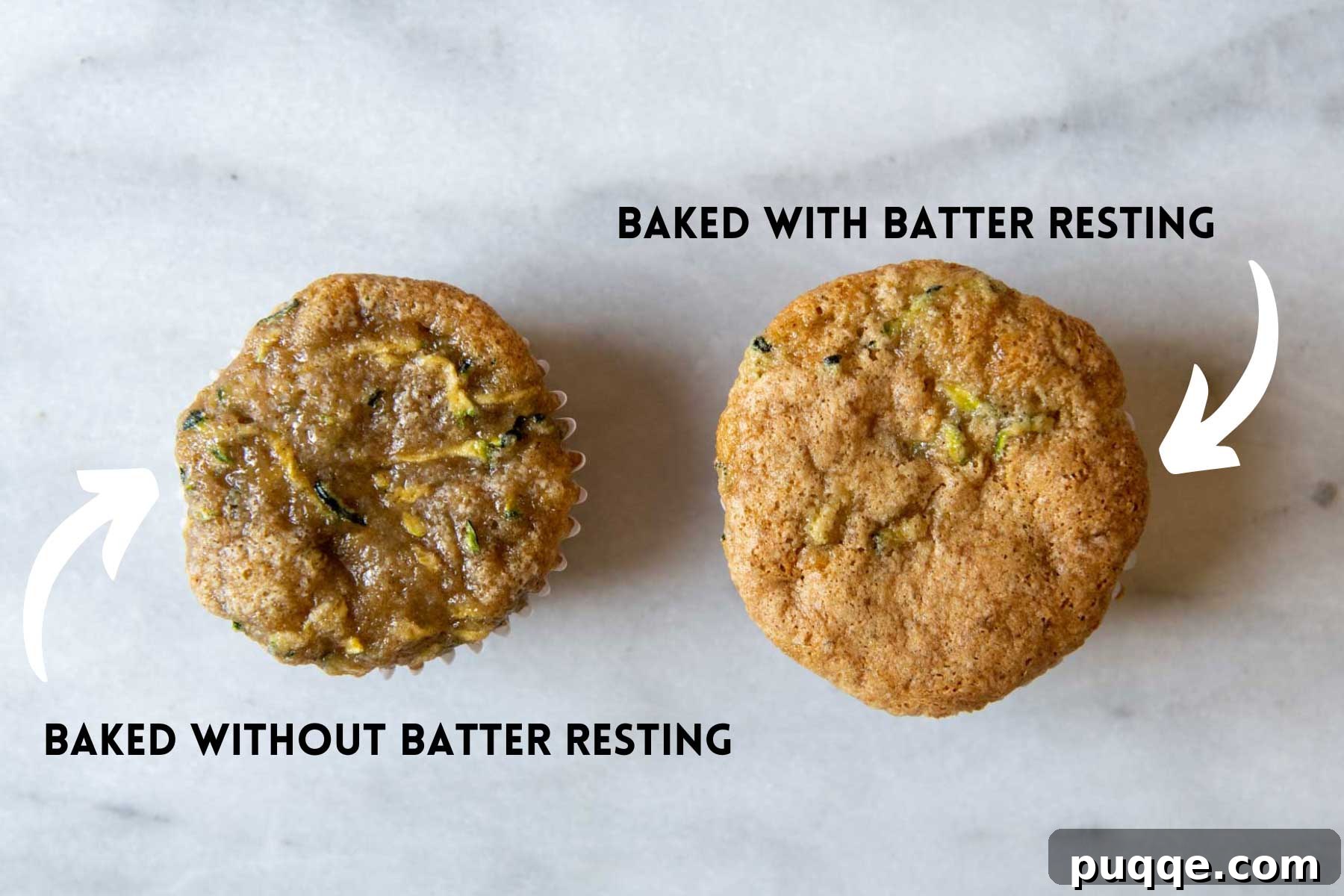
When I first experimented with transforming my beloved homemade gluten-free zucchini bread recipe into individual muffins, I meticulously prepared the batter identically and spooned it into a muffin tin with high hopes. However, upon emerging from the oven, the muffin tops were disappointingly shriveled, appeared overly wet, and lacked the appealing domed shape of traditional muffins. This was a puzzling outcome, as the bread recipe consistently yielded perfect results.
The key difference, I discovered, lies in the baking time. Zucchini bread, baked in a larger loaf pan, has a significantly longer cook time compared to small individual muffins. This extended duration naturally provides ample opportunity for the gluten-free flour starches to fully hydrate and absorb all the liquids in the batter. Muffins, with their shorter bake time, don’t get this inherent advantage. Therefore, introducing a crucial resting period for the batter *before* baking becomes an indispensable step. This pre-bake rest gives the gluten-free flours the extra time they need to properly absorb moisture, soften, and swell, leading to a much better texture, improved structural integrity, and a more uniform bake.
After you’ve prepared your muffin batter and carefully poured it into the prepared muffin pan, resist the urge to immediately place them in the oven. Instead, allow the filled muffin pan to sit at room temperature for a critical 15-20 minutes while your oven preheats. This brief resting period is a game-changer; it kickstarts the hydration process, allowing the starches in the gluten-free flour to fully absorb the liquid, which is crucial for preventing a crumbly texture and promoting a more cohesive crumb structure. This ensures the muffins bake up beautifully rounded, consistently fluffy, and with an exquisitely tender crumb. It’s important not to let them sit for much longer than 20 minutes, as over-resting can sometimes lead to a slightly drier texture or negatively impact their rise by over-activating the leavening agents prematurely. This simple yet powerful technique worked wonders not only for these gluten-free zucchini muffins but also for achieving a gorgeous, bakery-style lift in my gluten-free yellow layer cake, proving its versatility and effectiveness in gluten-free baking.
Essential Baking Tip #3: Bake at a Lower Oven Temperature
Traditional muffin recipes often call for a higher oven temperature, typically ranging between 375ºF-400ºF (190ºC-200ºC). This intense initial burst of heat is designed to create a rapid rise and set a beautiful, crisp upper crust, often leading to those coveted domed tops. However, when applying this conventional method to gluten-free muffins, I consistently observed a common and disheartening phenomenon: they would look absolutely magnificent and perfectly domed while actively baking in the oven, only to deflate disappointingly shortly after being removed, often leaving a sunken or collapsed center. This rapid rise and fall is a tell-tale sign of an unstable gluten-free structure that couldn’t withstand the sudden temperature change or lack of internal support.
The fundamental reason for this lies in the inherent nature of gluten-free batters. Lacking the elastic network that gluten provides in wheat-based baked goods, gluten-free muffins do not possess the same inherent strength and flexibility to hold a rapid, dramatic rise once they cool. While baking at a slightly lower oven temperature, around 350°F (175°C), might not produce an intensely domed top as quickly as higher heat, it facilitates a much longer, gentler bake. This extended, more moderate cooking period is crucial as it allows the muffin’s internal structure to solidify gradually and completely. The slower bake ensures that the gluten-free starches have ample time to fully emulsify with the liquids and that the leavening agents work steadily and consistently throughout the batter. This steady process creates a stable internal matrix that is less prone to shrinking, collapsing, or becoming dense once removed from the oven. The result is a uniformly baked muffin with a wonderfully soft, perfectly fluffy crumb that holds its shape beautifully and remains incredibly tender, entirely free from any denseness, gumminess, or the tell-tale crumbly texture often associated with poorly baked gluten-free goods.
Creative Add-In Ideas for Your Gluten-Free Zucchini Muffins
Beyond the beloved classic gluten-free chocolate chip zucchini muffins, there’s a vibrant world of flavor combinations waiting to be explored! Get creative with these delicious suggestions to customize your batch and tailor them to your unique tastes. Remember to gently stir these enticing add-ins into your batter after the dry ingredients have been fully incorporated and the batter is well-mixed, ensuring even distribution throughout each muffin. If you discover a fantastic new combination or have a favorite not listed here, please drop a line in the comments below – I’d absolutely love to hear your innovative ideas and expand our community’s repertoire!
- Chopped Nuts for Crunch: Elevate the texture and add a delightful nutty flavor by incorporating ½ cup of finely chopped pecans, walnuts, or almonds. For an even deeper flavor profile, lightly toast them in a dry pan or oven before adding them to the batter.
- Bright Citrus Zest: Introduce a refreshing and aromatic zing with 2 teaspoons of fresh lemon or orange zest. The bright, fragrant oils from the zest beautifully complement the subtle flavor of zucchini and add a lovely brightness to the muffins.
- Juicy Berries: Stir in 1 cup of fresh or frozen blueberries, raspberries, or chopped strawberries. If you’re using frozen berries, there’s no need to thaw them beforehand; simply toss them lightly with a tablespoon of gluten-free flour before adding to the batter. This small trick helps prevent them from sinking to the bottom and absorbs any excess moisture they might release during baking.
- Chewy Dried Fruits: For a concentrated burst of sweet and chewy goodness, mix in ½ cup of chopped raisins, dried cranberries, or diced dried apricots. These add natural sweetness and a lovely textural contrast.
- Tropical Shredded Coconut: Introduce an exotic, tropical twist with ⅔ cup of sweetened shredded coconut. It not only adds a wonderful texture but also imparts a subtle, pleasing sweetness that pairs well with zucchini.
- Additional Warming Spices: Expand beyond cinnamon by considering the addition of ½ teaspoon of nutmeg, ground ginger, or even a pinch of allspice for a more complex and aromatic flavor profile that truly awakens the senses.
- Indulgent Cream Cheese Swirl: For an extra special and indulgent treat, swirl a small dollop of a sweetened cream cheese mixture (softened cream cheese, a touch of sugar, and vanilla) onto the top of each muffin before baking.
- Crunchy Streusel Topping: Enhance the textural experience with a delightful crumbly streusel topping. Prepare it by combining gluten-free flour, brown sugar, and cold butter (or dairy-free butter substitute), then sprinkle generously over the tops of the muffins before they go into the oven.
Love this Recipe? Pin it for Later!
Let’s connect on Pinterest! I’m always sharing incredible gluten-free recipes and baking inspiration!
Baking, Storage, and Freezing Tips for Gluten-Free Zucchini Muffins
Ensuring your freshly baked gluten-free zucchini muffins stay as fresh, moist, and delicious as the day they emerged from the oven requires a few specific considerations, particularly because gluten-free baked goods can behave differently than their traditional counterparts. Here’s a comprehensive guide on how to handle your muffins post-baking to get the absolute most out of every single bite:
Proper Cooling Techniques
After the baking time is complete, resisting the urge to immediately remove the muffins from the pan is crucial. Allow your muffins to remain in the muffin pan for a minimum of 5 minutes before carefully transferring them to a wire rack. Cooling them on a wire rack is essential as it ensures proper air circulation around all sides of each muffin. This prevents condensation from building up on the bottom, which can lead to soggy bottoms, and allows any residual steam and moisture to evaporate, crucial for setting the muffin’s internal structure and preventing them from becoming dense or gummy. Ensure they cool completely to room temperature before storing.
Storing for Optimal Short-Term Freshness
Once your gluten-free zucchini muffins have completely cooled to room temperature, they can be stored in an airtight container at room temperature for up to 2 days. To maintain their delicate texture and moisture, it’s absolutely essential to avoid storing them in the refrigerator. The cool, dry environment of a fridge tends to accelerate the staling process in gluten-free baked goods very quickly, making them dry, crumbly, and far less enjoyable. The goal is to keep them protected from air exposure while maintaining their tender, moist texture at room temperature.
Freezing for Long-Term Enjoyment
For optimal freshness and to significantly extend their shelf life, I highly recommend freezing any leftover gluten-free muffins almost immediately after they have cooled completely. Gluten-free baked goods generally don’t stay fresh as long as their gluten-containing counterparts due to their different moisture retention properties, so freezing is an excellent and practical way to preserve their delicious taste and perfectly tender texture for future enjoyment.
- How to Freeze Properly: To prevent freezer burn and keep moisture locked in, wrap each individual muffin tightly in plastic wrap. For an extra layer of protection, you can then wrap them again in aluminum foil.
- Choosing the Right Container: Place the individually wrapped muffins in a freezer-safe airtight container or a heavy-duty freezer bag. When using a bag, ensure you remove as much air as possible before sealing; this further protects the muffins from freezer burn and preserves their quality.
- Optimal Shelf Life: Stored correctly using these methods, your gluten-free zucchini muffins can be kept fresh in the freezer for up to 3 months without compromising flavor or texture.
- Effortless Thawing & Reheating: When you’re ready to enjoy a muffin, simply remove it from the freezer and let it thaw at room temperature for an hour or two. For a wonderfully “freshly baked” experience, you can gently warm it in the microwave for 15-30 seconds (be careful not to overheat, which can dry it out) or in a preheated oven (around 300°F/150°C) for 5-10 minutes until warmed through and fragrant.
Important Dairy-Free Considerations
This recipe is inherently dairy-free due to the exclusive use of oil instead of butter, making it suitable for those with dairy allergies or sensitivities from the outset. However, if you’re making gluten-free zucchini chocolate chip muffins and need to ensure they are completely dairy-free, vigilance in your ingredient choices is paramount. Always use dairy-free chocolate chips, such as Enjoy Life mini chocolate chips, which are specifically formulated for those avoiding dairy. Additionally, it’s crucial to diligently read the ingredient label on your chosen gluten-free all-purpose flour blend, as some commercially available blends can surprisingly contain milk powder or other hidden dairy derivatives. A quick check of all labels will confirm your muffins are entirely suitable for a dairy-free diet and prevent any accidental cross-contamination.
Frequently Asked Questions About Gluten-Free Zucchini Muffins
Here are some common questions and helpful answers to ensure your gluten-free zucchini muffins turn out perfect every time.
- Can I use frozen grated zucchini in this recipe?
- Yes, you can absolutely use frozen grated zucchini, but it’s even more critical to blot out as much moisture as possible after thawing. Frozen zucchini tends to release significantly more water than fresh zucchini. Ensure you thaw it completely, then squeeze it very firmly in a clean kitchen towel to remove all excess liquid before adding it to the batter.
- What if I don’t have brown sugar? Can I substitute it?
- While brown sugar contributes a unique caramel flavor and a desirable chewiness to the muffins, you can substitute it with an equal amount of granulated sugar. However, be aware that this substitution will result in a slight difference in both flavor and texture – the muffins may be a little less chewy and possess a more straightforward, uniform sweet profile.
- My muffins sunk in the middle after baking, what might have gone wrong?
- This is a common issue with gluten-free baking and can be attributed to a few factors. Most often, it indicates that the batter didn’t have enough structural support, which frequently happens if the zucchini wasn’t blotted adequately, leading to an excess of moisture in the batter. Additionally, baking at too high a temperature can cause the muffins to rise too rapidly and then collapse in the center. To prevent this, diligently follow Tip #1 (blotting zucchini) and Tip #3 (baking at a lower oven temperature).
- Can I adapt this muffin recipe to make a loaf of zucchini bread?
- Absolutely! This muffin recipe is a direct adaptation from my highly successful gluten-free zucchini bread recipe, so it’s perfectly suited for a loaf format. For a loaf, you would typically bake the batter in a greased 9×5 inch loaf pan at a slightly lower temperature (around 325-350°F / 160-175°C) for a significantly longer duration, usually between 45-60 minutes, or until a wooden skewer inserted into the center comes out clean. You will still greatly benefit from blotting the zucchini and allowing the batter to rest for a short period before baking.
- How do I prevent chocolate chips (or other heavy add-ins) from sinking to the bottom?
- The most effective way to prevent chocolate chips or other heavy add-ins from sinking is to use miniature chocolate chips, as their smaller size and lighter weight allow them to distribute and suspend more evenly throughout the batter. Another excellent trick is to lightly toss the chocolate chips with approximately one teaspoon of the gluten-free flour blend before gently folding them into the prepared batter. This light coating helps them cling to the batter and remain suspended during the baking process.
- What makes gluten-free muffins different to bake than regular muffins?
- Gluten-free baking lacks the elastic protein network (gluten) found in wheat flour, which provides structure and chewiness. This means GF batters behave differently, often requiring careful management of moisture (like blotting zucchini), longer hydration times (resting the batter), and gentler baking temperatures to achieve a soft, cohesive crumb without being dense, gummy, or crumbly. The techniques in this recipe are specifically designed to overcome these challenges.
Did you make this incredibly delicious recipe? I love hearing from you! Please leave a star rating and a comment below the recipe card. Your valuable feedback helps other bakers in our community discover and enjoy these recipes, and I truly appreciate hearing about your experiences and successes! You can always expect a thoughtful response from me. -Melissa