
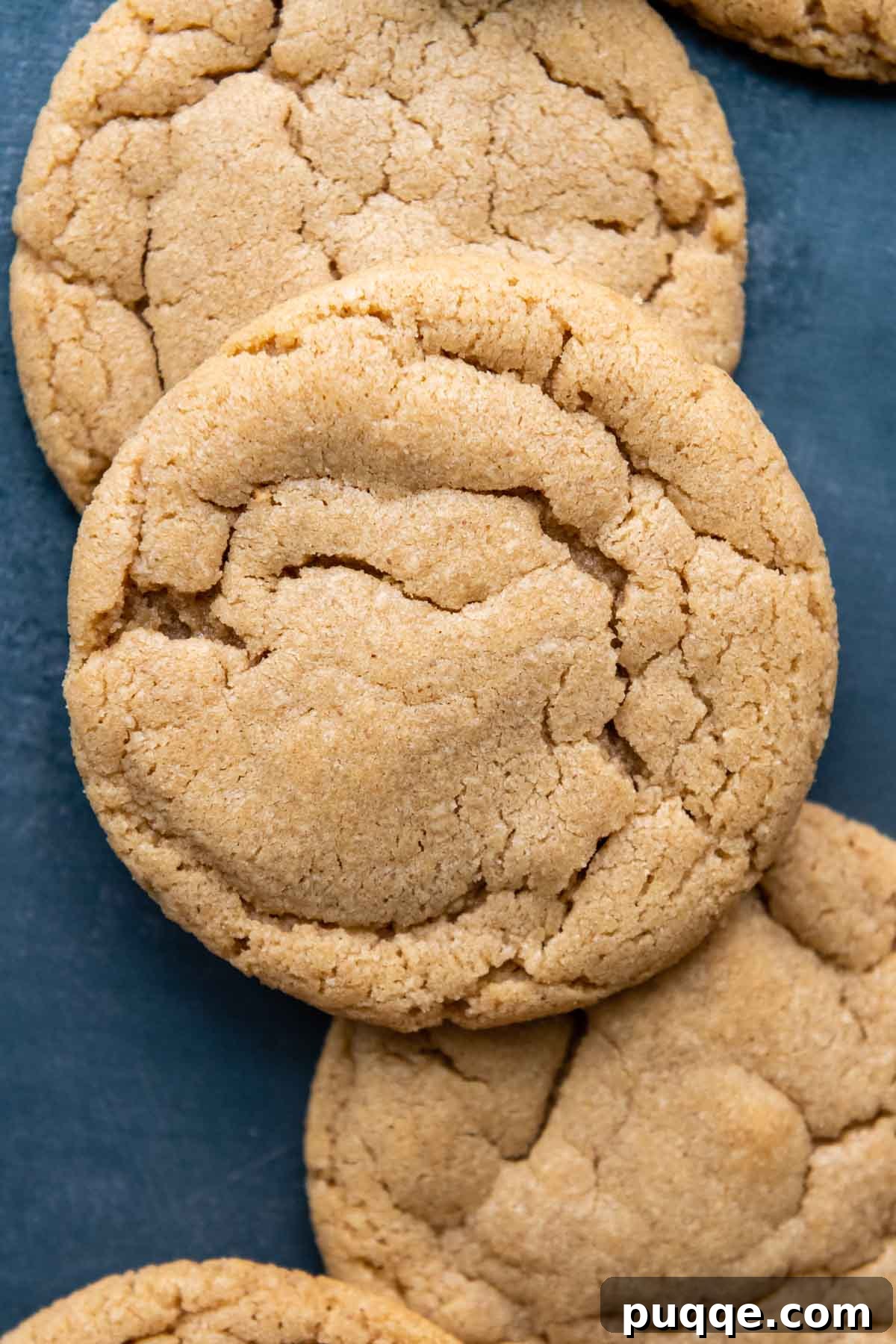
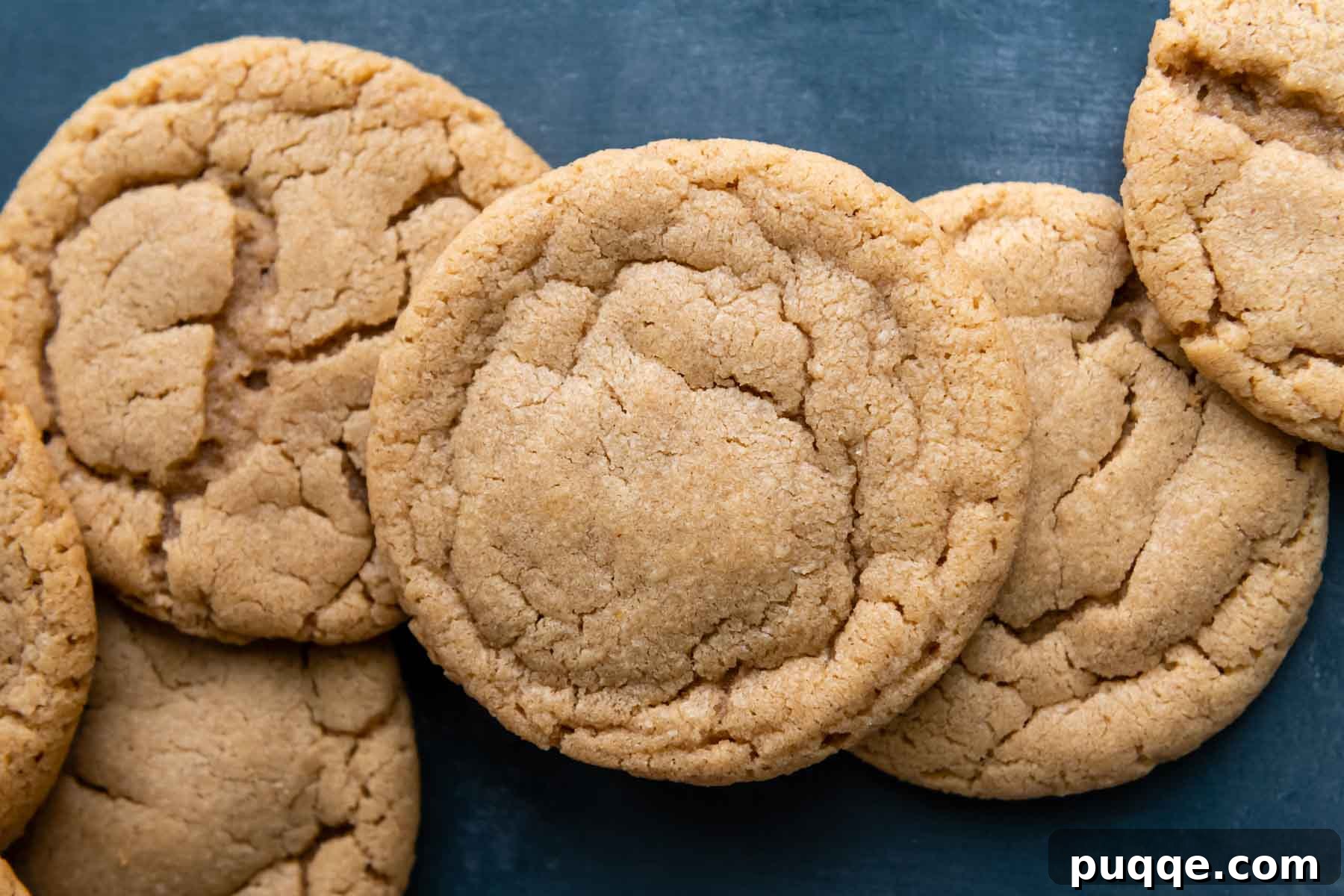
Craving that classic, comforting taste of homemade peanut butter cookies but need them to be gluten-free? You’ve come to the right place! This meticulously crafted recipe for incredibly soft-baked gluten-free peanut butter cookies leverages ingenious GF baking techniques to achieve the perfect balance: wonderfully crispy edges embracing gloriously gooey, tender, and delightfully chewy centers. Forget dry, crumbly gluten-free attempts; these cookies are a game-changer. Made with a premium all-purpose gluten-free flour blend and rich, creamy peanut butter, they capture the essence of an old-school, beloved treat, ready to be enjoyed in a flash!
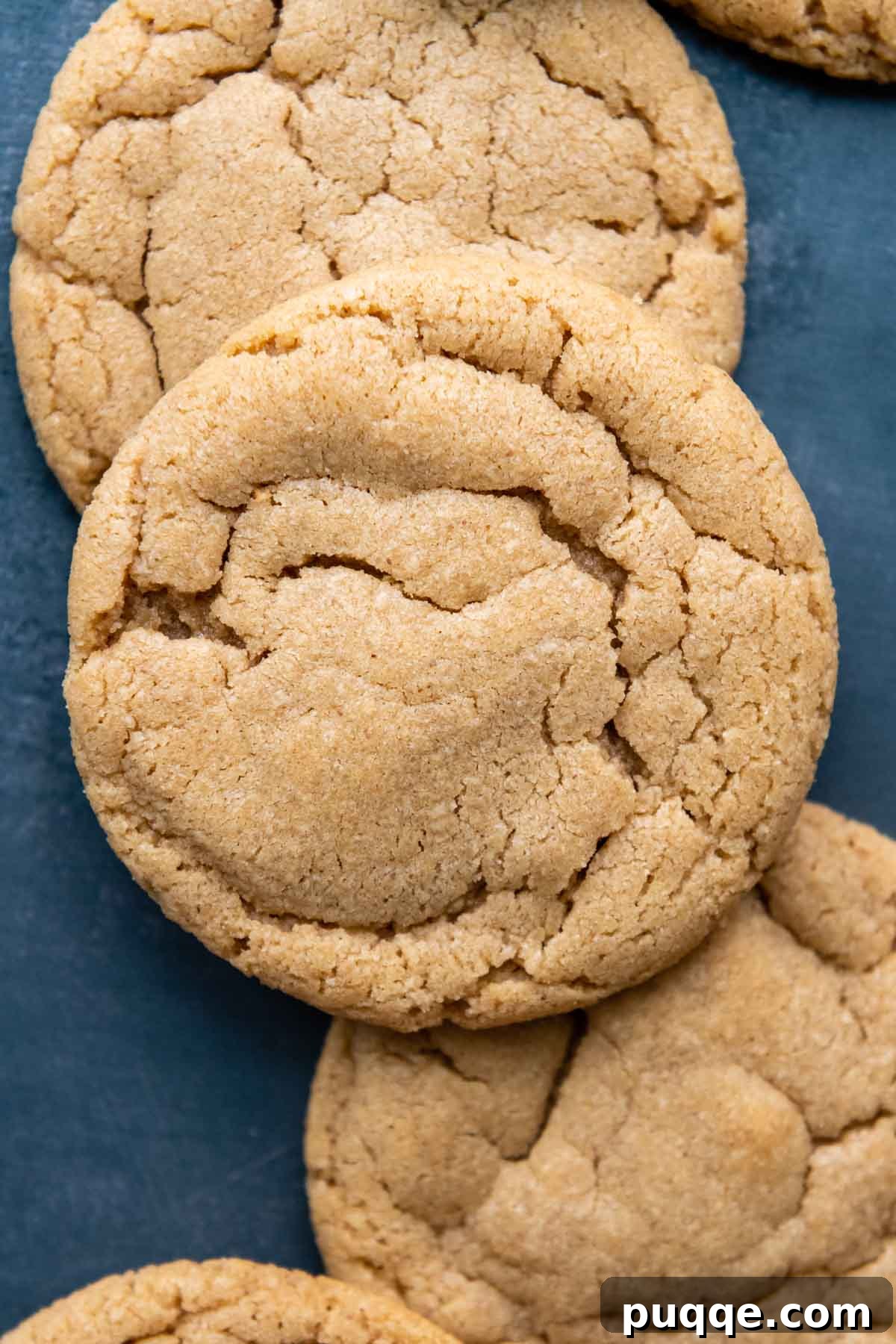
The Ultimate Old-School Gluten-Free Peanut Butter Cookies
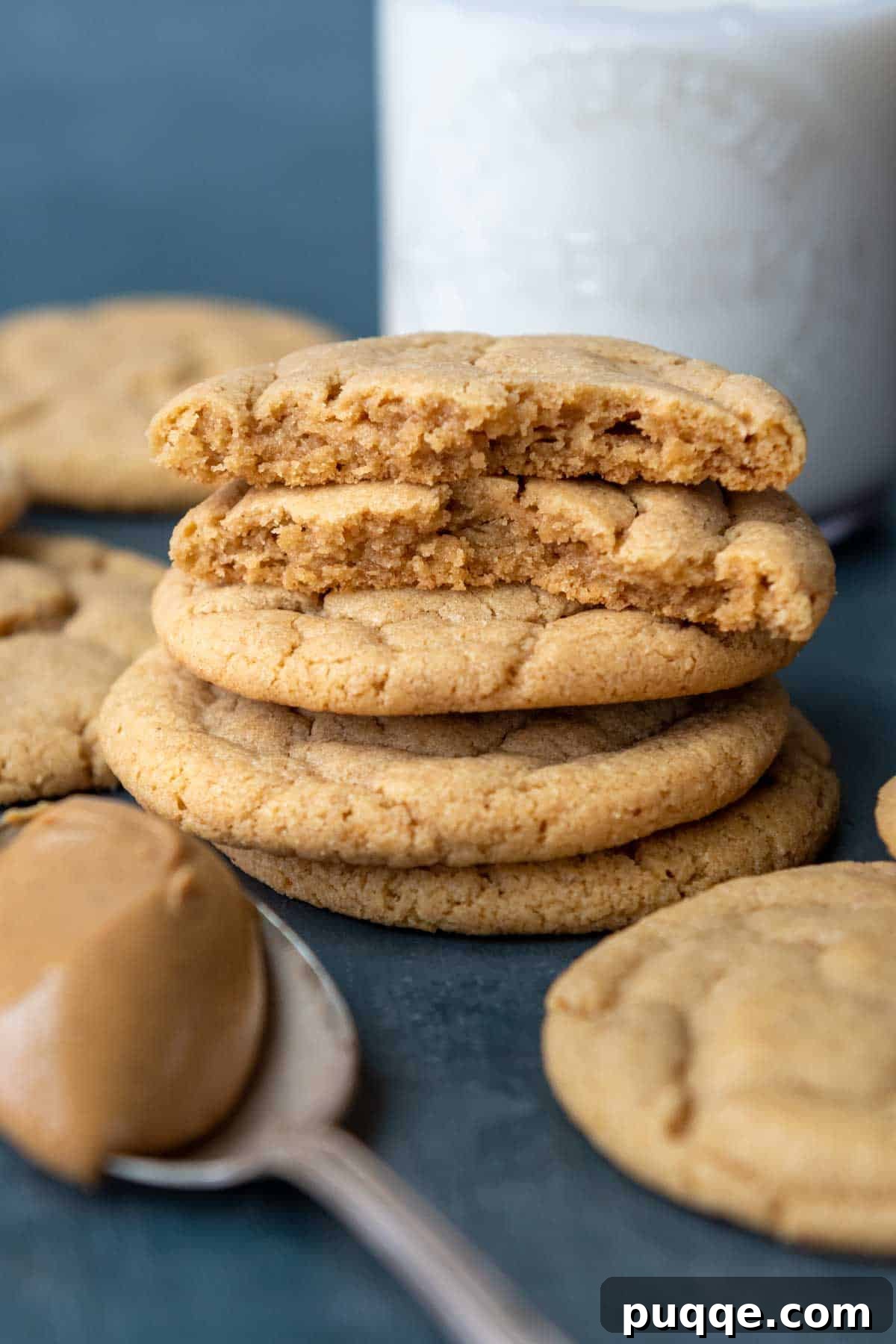
For many, traditional peanut butter cookies evoke a powerful sense of nostalgia – a taste of childhood, simple joys, and comforting sweetness. They are, without a doubt, an essential staple in any gluten-free cookie collection worth its salt. What truly defines a perfect peanut butter cookie? It’s that irresistible combination of a chewy, salty-sweet heart encased in delightfully crisp edges. Pair one with a tall, cold glass of milk, and you’ve found pure bliss!
This easy-to-follow, homemade recipe reveals the secrets to creating gluten-free peanut butter cookies that are virtually indistinguishable from their classic, wheat-based counterparts. They boast an identical old-school flavor and texture, are incredibly quick to prepare, and surprisingly require no specialty ingredients beyond a reliable gluten-free flour blend. We understand that when a cookie craving strikes, speed and simplicity are paramount. That’s why this recipe shares the same straightforward approach as our popular soft-batch homemade gluten-free chocolate chip cookies and our festive cut-out gluten-free sugar cookies.
The common challenge with gluten-free baking, especially for cookies, is avoiding a gritty, dry, or crumbly result. To overcome this, we employ a few simple yet highly effective techniques. Firstly, using melted butter ensures that the fats thoroughly coat the gluten-free starches, leading to a smoother, more cohesive dough and a tender final product. Secondly, allowing the cookie dough to rest briefly before scooping and baking is a crucial step. This resting period gives the butter and peanut butter ample time to fully hydrate and soften the gluten-free starches, significantly improving the cookie’s texture and eliminating any undesirable grittiness. Furthermore, baking these cookies at a slightly lower oven temperature than typically recommended for traditional cookies helps to create a wonderfully velvety and soft texture, preventing the sticky chewiness that some gluten-free recipes can develop.
Of course, the quality of your gluten-free all-purpose flour blend plays an immense role in the success of these cookies. After extensive testing, we wholeheartedly recommend Cup4Cup. Its balanced blend and inclusion of cornstarch contribute significantly to the cookies’ desirable softness and ensures no “weird” aftertaste, a common complaint with some GF flours. (Can you tell we are firmly on Team “soft cookie” over here?)
Throughout this guide, we’ll delve deeper into these essential tips, provide expert advice on ingredient swaps for dairy-free cookies, share optimal storage techniques to keep your treats fresh, and spark your imagination with delicious mix-in ideas to elevate your homemade gluten-free peanut butter cookies to new heights.
Thank you so much for sharing this recipe. It’s the best cookies I’ve ever made & now my brother in law’s favorite.
—Laura
Key Ingredients for Perfect Gluten-Free Peanut Butter Cookies
Understanding the role of each ingredient is vital for achieving the perfect gluten-free peanut butter cookie. Here’s a closer look at what goes into making these delicious treats:
- Creamy Peanut Butter: The type of peanut butter you choose significantly impacts the final texture. For this recipe, we strongly recommend using creamy, processed peanut butter brands like Skippy or Jif, both of which are certified gluten-free. Avoid natural peanut butter, which tends to separate more and can result in cookies that are dry, crumbly, and lack the desired chewiness. We have not tested this recipe with alternative nut butters like almond butter, as their fat content and consistency can vary greatly.
- Granulated and Brown Sugar: The combination of these two sugars is not just for sweetness; it’s crucial for both structure and chewiness. Granulated sugar contributes to the crispness of the cookie edges, while brown sugar adds depth of flavor, moisture, and that delightful soft, chewy texture in the center. Packed brown sugar also introduces a slight caramel note that complements the peanut butter beautifully.
- Melted Butter: This is a secret weapon in gluten-free baking! Using slightly warm, melted butter instead of softened butter helps to coat the gluten-free starches more thoroughly. This crucial step prevents a gritty texture, ensuring a smooth, uniform dough and a tender crumb in the finished cookie. For those seeking dairy-free gluten-free cookies, high-quality vegan butter sticks (such as Earth Balance baking sticks) are an excellent substitute.
- All-Purpose Gluten-Free Flour: The foundation of any successful gluten-free baked good. As previously mentioned, we highly recommend Cup4Cup gluten-free flour for its superior performance in this recipe. Its unique blend, including cornstarch, yields wonderfully soft results without any unpleasant aftertaste. However, many readers have reported excellent success with other well-regarded GF flour brands like King Arthur Measure-for-Measure, which is also a reliable choice. Always ensure your chosen blend is an “all-purpose” or “1:1” substitute for best results.
- Eggs: Large, room temperature eggs act as a binder, providing structure and moisture to the cookies. Bringing them to room temperature allows them to incorporate more smoothly into the other ingredients, leading to a more consistent dough.
- Vanilla Extract: A splash of vanilla extract enhances all the other flavors, adding a warm, aromatic depth that completes the classic cookie profile.
- Baking Soda and Salt: Baking soda provides the necessary lift and contributes to the soft texture and slight spread of the cookies. Salt, in moderation, is essential for balancing the sweetness and intensifying the rich peanut butter flavor, making the cookies truly irresistible.
Let’s Bake These Together: Step-by-Step Guide!
(The following provides detailed step-by-step photos and expanded instructions. For the complete recipe, including precise ingredient amounts, please scroll down to the recipe card below.)
Crafting the Easiest Peanut Butter Cookie Dough
In a generously sized mixing bowl, combine the creamy peanut butter, light brown sugar, granulated sugar, and slightly warm melted butter. Beat these ingredients together until the mixture is beautifully smooth and creamy. The use of warm butter is key here, as it helps to slightly break down the sugar crystals, ensuring they blend homogeneously into the fat and peanut butter, creating a silky base. Next, incorporate the egg and vanilla extract, mixing until everything is fully combined and smooth. You’re already well on your way to cookie perfection!
Incorporating Dry Ingredients and Essential Chilling
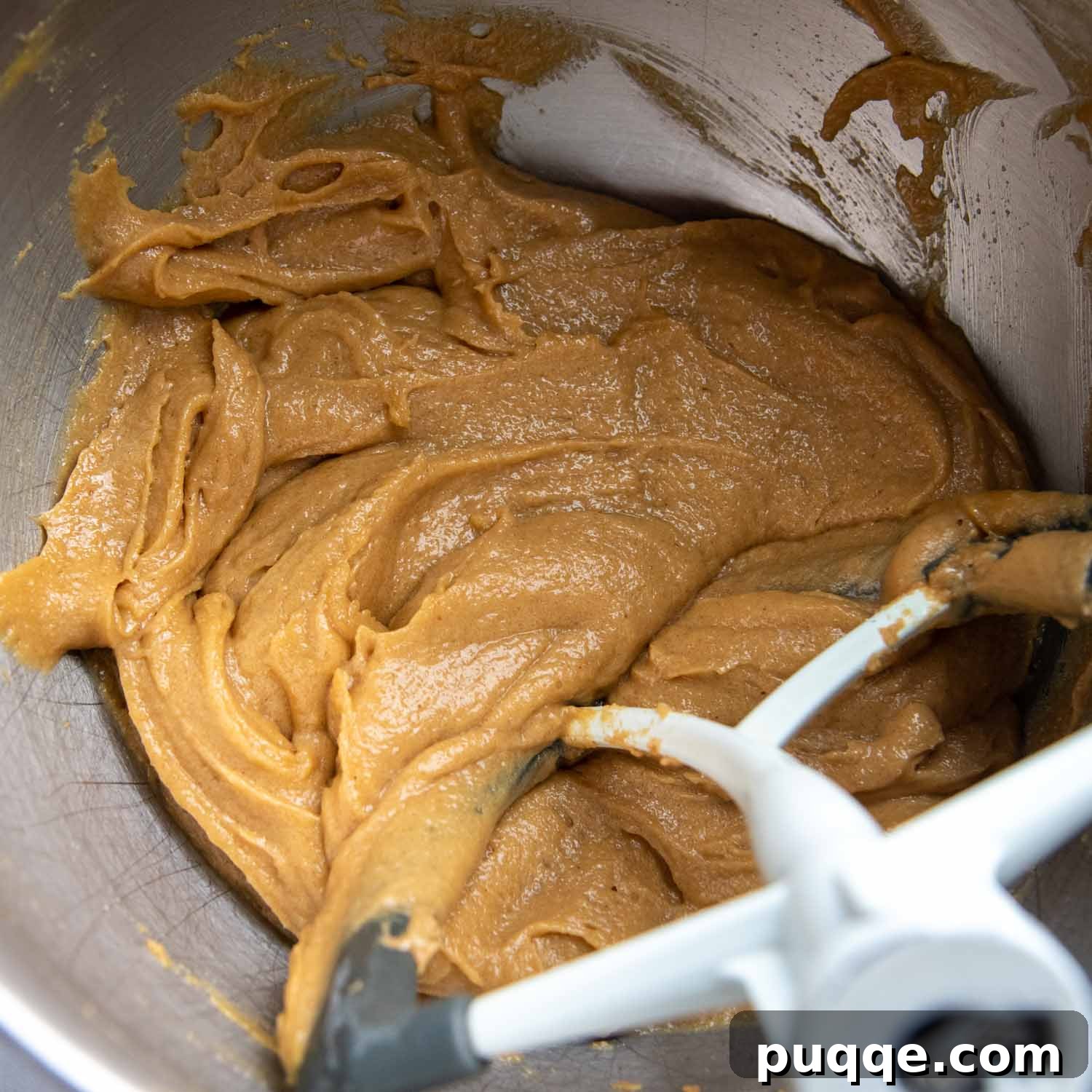
Gently blend in the gluten-free flour, baking soda, and salt. Continue mixing on low speed until all flour pockets have disappeared and a cohesive dough forms. At this stage, your dough will appear shiny, soft, and somewhat pliable. This is exactly what you want! Now, the crucial step: once mixed, cover the bowl with plastic wrap and chill the dough in the refrigerator for at least 30 minutes. This chilling period allows the gluten-free starches to fully hydrate and absorb the moisture, resulting in a dough that stiffens enough to be easily scooped into balls. More importantly, it helps to eliminate any potential grittiness, yielding a wonderfully smooth and tender cookie – a fantastic bonus in GF baking!
Scooping, Shaping, and Baking to Perfection
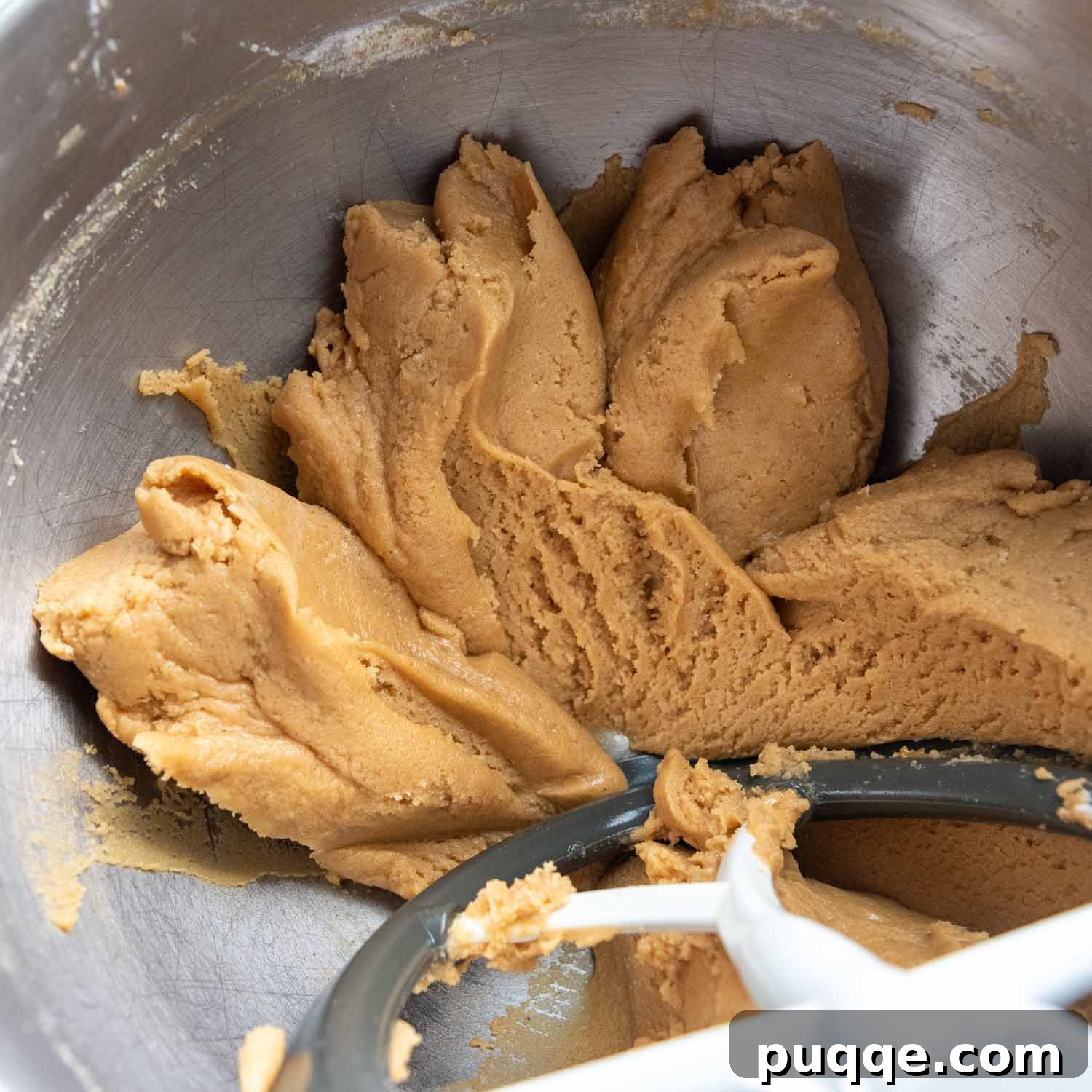
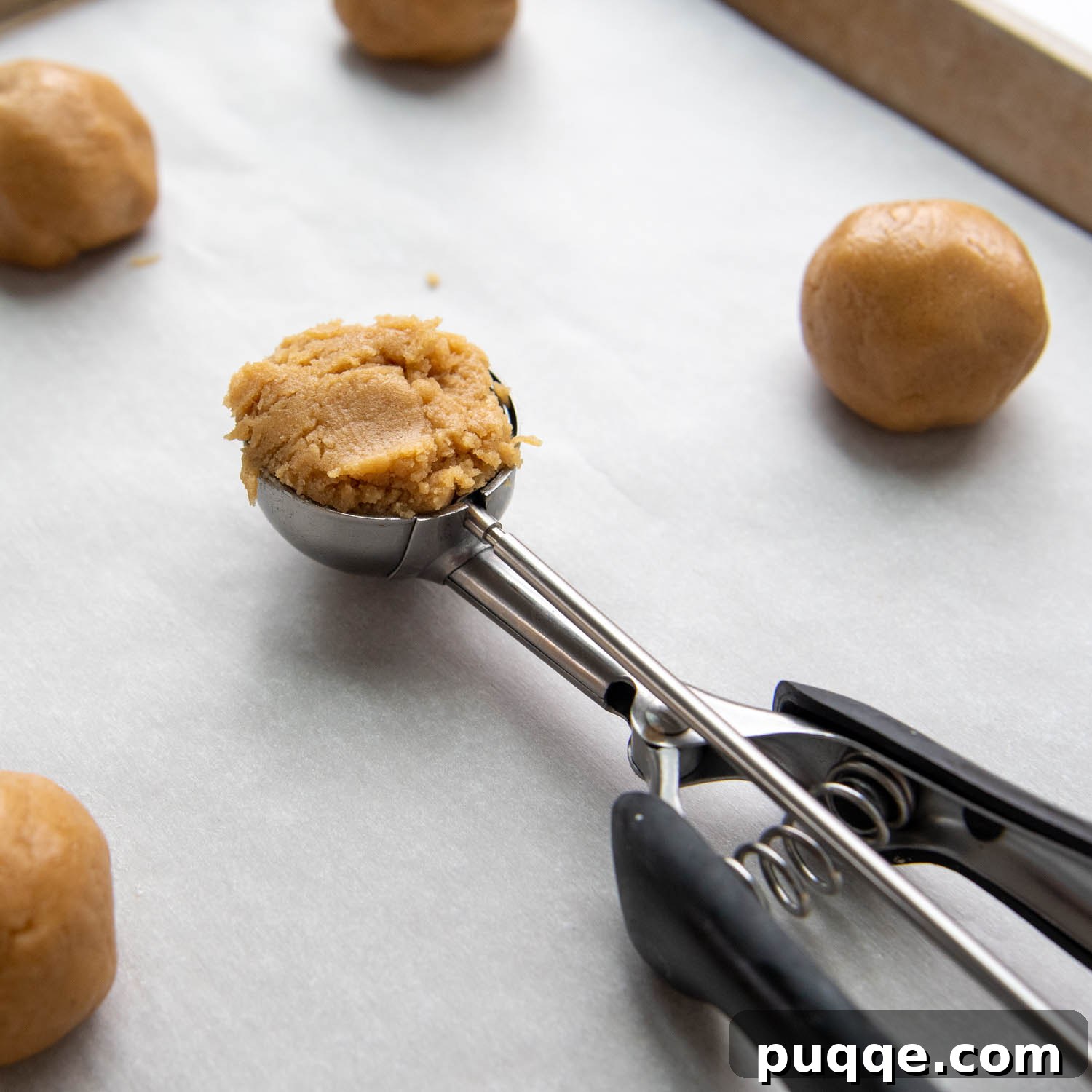
Once the dough is adequately chilled, use a medium cookie scoop (approximately 2 tablespoons) to portion out uniform dough balls. This ensures even baking and consistent cookie sizes. For those aiming for perfectly round cookies, a quick roll of the scooped dough between your palms before placing them on the baking sheet will achieve this. Arrange about 9 dough balls per baking pan, leaving enough space for them to spread. If visual perfection isn’t your top priority, don’t fret – they’ll taste absolutely delicious either way! Bake the cookies for 12-14 minutes, or until their bottoms are a beautiful golden brown and the tops appear just set, with slight cracks beginning to form. It’s vital not to overbake, as this is the secret to maintaining their desirable chewy centers. Allow them to cool on the baking sheet for a few minutes before transferring to a wire rack.
Mastering Smoothness: How To Prevent Grittiness in Gluten-Free Cookies
While gluten-free flour blends have become incredibly user-friendly, a common pitfall in GF cookie baking is the potential for a gritty or sandy texture. This unpleasant characteristic can easily be avoided by understanding and applying these simple yet powerful gluten-free baking tips. Achieving a smooth, tender crumb is entirely within reach!
- Optimizing Baking Temperature: Most traditional cookie recipes call for a baking temperature of 350ºF. However, for gluten-free cookies, we find that using a slightly lower temperature of 325ºF yields superior results. This reduced heat allows the cookies to bake more gently and slowly. This extended baking time at a moderate temperature gives the gluten-free starches more opportunity to fully meld with the fats and liquids, promoting better hydration and preventing rapid drying. The outcome is a cookie with a more developed flavor, a distinctly chewier texture, and a complete absence of grittiness.
- Selecting a High-Quality Gluten-Free Flour: The market is flooded with various gluten-free flour blends, making the choice overwhelming. For gluten-free cookie recipes, the quality of your flour blend is paramount to avoiding grittiness. We consistently recommend Cup4Cup GF flour due to its finely milled texture and unique starch composition. Its inclusion of cornstarch and rice flour creates a remarkably smooth dough and a final cookie that is exceptionally tender and free from any detectable grainy feel. Look for blends that balance different starches (rice flour, tapioca starch, potato starch) with a small amount of xanthan gum for structure, as this combination typically provides the best texture for cookies.
- The Magic of Chilling Cookie Dough: This step might seem like an extra effort, but it is undeniably one of the most effective strategies for preventing grittiness in gluten-free cookies. We’ve experimented extensively, and dough that rested for at least 30 minutes consistently produced a significantly softer cookie with no hints of grittiness. The scientific reason behind this is simple yet profound: chilling allows the liquids (from butter, eggs, and peanut butter) more time to thoroughly penetrate and hydrate the gluten-free starches. Without gluten to absorb moisture rapidly, GF flours need this extended contact time. This hydration process effectively “blooms” the starches, ensuring they soften completely and contribute to a smooth, non-gritty texture in the baked cookie. It also firms up the dough, making it easier to handle and preventing excessive spreading during baking.
Creative Variations & Flavor Boosters for Your GF Peanut Butter Cookies!
While these gluten-free peanut butter cookies are absolutely phenomenal as they are, their versatility allows for endless creative customizations. Don’t hesitate to experiment and make them uniquely yours!
One of the most popular variations is undoubtedly the peanut butter chocolate chip cookie. Simply stir in 3/4 to 1 cup of your favorite chocolate baking chips – whether they’re classic semi-sweet, rich dark chocolate, creamy milk chocolate, or even a mix. Always remember to double-check the labels to ensure they are certified gluten-free. Beyond chocolate, consider adding butterscotch chips, white chocolate chips, or even chopped toffee bits for different flavor profiles. For an extra layer of peanut goodness and texture, sometimes we like to mix in 1/2 cup of finely chopped roasted peanuts directly into the dough, or for a decorative touch and added crunch, roll the scooped cookie balls in crushed nuts before baking.
Another delightful option is to allow the baked cookies to cool completely, then elevate them with a luxurious dip or drizzle. Melted dark or milk chocolate makes for a stunning and delicious coating. You can fully dip one side, or simply drizzle decorative lines across the tops for an elegant finish. For a truly classic, old-fashioned cookie experience reminiscent of childhood, follow this easy recipe for gluten-free peanut butter blossoms, transforming each cookie into a delightful treat crowned with a Hershey’s Kiss. The combination of the soft peanut butter cookie with the melting chocolate is simply divine. Imagine creating a batch with mini peanut butter cups folded into the dough – the possibilities are truly endless!
Save This Delicious Recipe to Your Pinterest Board!
Let’s be friends on Pinterest! We’re always sharing fantastic recipes and baking inspiration!
Did you make this recipe? We absolutely love hearing from you! Please leave a star rating and comment below the recipe card. Your feedback is incredibly valuable, helping other home bakers discover and enjoy these recipes. We promise to always respond! -Melissa
Extra Soft Gluten-Free Peanut Butter Cookies Recipe
 Melissa Erdelac
Pin
Rate
Remove Ads
Ingredients
- 1 cup creamy peanut butter, not natural
- 8 tablespoons melted butter, slightly warm
- 1 cup light brown sugar, packed
- ¾ cup granulated sugar
- 2 large eggs, room temperature
- 1 teaspoon vanilla extract
- 1 teaspoon baking soda
- ½ teaspoon salt
- 1 ¾ cup gluten free all purpose flour, Cup4Cup brand recommended
Equipment
-
Medium Cookie Scoop
-
Baking Sheets
-
Cup 4 Cup Gluten Free Flour
Instructions
-
Begin by lining baking sheets with parchment paper or silicone baking mats. Alternatively, you may use ungreased cookie sheets.
-
In a large bowl, beat together the peanut butter, butter, light brown sugar, and granulated sugar until smooth and creamy. Add the eggs and vanilla extract and mix again until fully incorporated and smooth.1 cup creamy peanut butter, 8 tablespoons melted butter, 1 cup light brown sugar, ¾ cup granulated sugar, 2 large eggs, 1 teaspoon vanilla extract
-
Blend in the baking soda and salt on low speed. Add the gluten-free flour and mix again until no flour pockets remain and a shiny, soft dough forms.1 teaspoon baking soda, ½ teaspoon salt, 1 ¾ cup gluten free all purpose flour
-
Cover the bowl with plastic wrap and refrigerate for at least 30 minutes. Meanwhile, preheat the oven to 325ºF.
-
Use a medium cookie scoop (equivalent to 2 tablespoons) to scoop large dough balls. For perfectly round cookies, roll the balls evenly in your hands before distributing 9 per baking pan.
-
Bake for 12-14 minutes, rotating pans halfway through, or until the tops are just set and start to crack. Be careful not to overbake for chewy cookies. Let the cookies cool completely on the baking sheet before transferring to a wire rack.
Notes
Dairy-Free Modification
While we haven’t personally tested these dairy-free, many readers have achieved excellent results by substituting vegan butter sticks, such as Earth Balance, in our other gluten-free cookie recipes. When opting for a dairy-free version, please note that our recommended gluten-free flour, Cup4Cup, contains milk powder. For a fully dairy-free option, we recommend using King Arthur Measure-for-Measure gluten-free flour instead.
Storing and Freezing
Once the cookies have fully cooled, store them in an airtight container at room temperature for up to 2 days. We don’t recommend storing them longer than that, as gluten-free cookies tend to lose moisture and become dry quite quickly.
These cookies are excellent for freezing, either baked or unbaked. To freeze unbaked cookie dough, portion out the dough balls onto a baking sheet and freeze until they are solid. Once frozen, transfer the unbaked cookies to an airtight freezer container or bag, and they can be stored for up to 3 months.
When you’re ready to bake from frozen, simply place the dough balls about 2 inches apart on an ungreased baking sheet and bake for an additional 1-2 minutes longer than the recipe specifies for fresh dough.
To freeze baked cookies, ensure they have cooled completely and any chocolate additions have hardened. Wrap the cookies in stacks of 2-3 in plastic wrap, then transfer them to an airtight freezer container. They will keep well for up to 3 months. Thaw at room temperature or warm briefly in the microwave.
Carbohydrates: 29g,
Protein: 5g,
Fat: 12g,
Saturated Fat: 4g,
Polyunsaturated Fat: 2g,
Monounsaturated Fat: 5g,
Trans Fat: 0.2g,
Cholesterol: 28mg,
Sodium: 214mg,
Potassium: 95mg,
Fiber: 2g,
Sugar: 20g,
Vitamin A: 164IU,
Calcium: 26mg,
Iron: 1mg
Did you make this recipe?Please leave a star rating and review below. It helps others when searching for recipes and we LOVE feedback!