
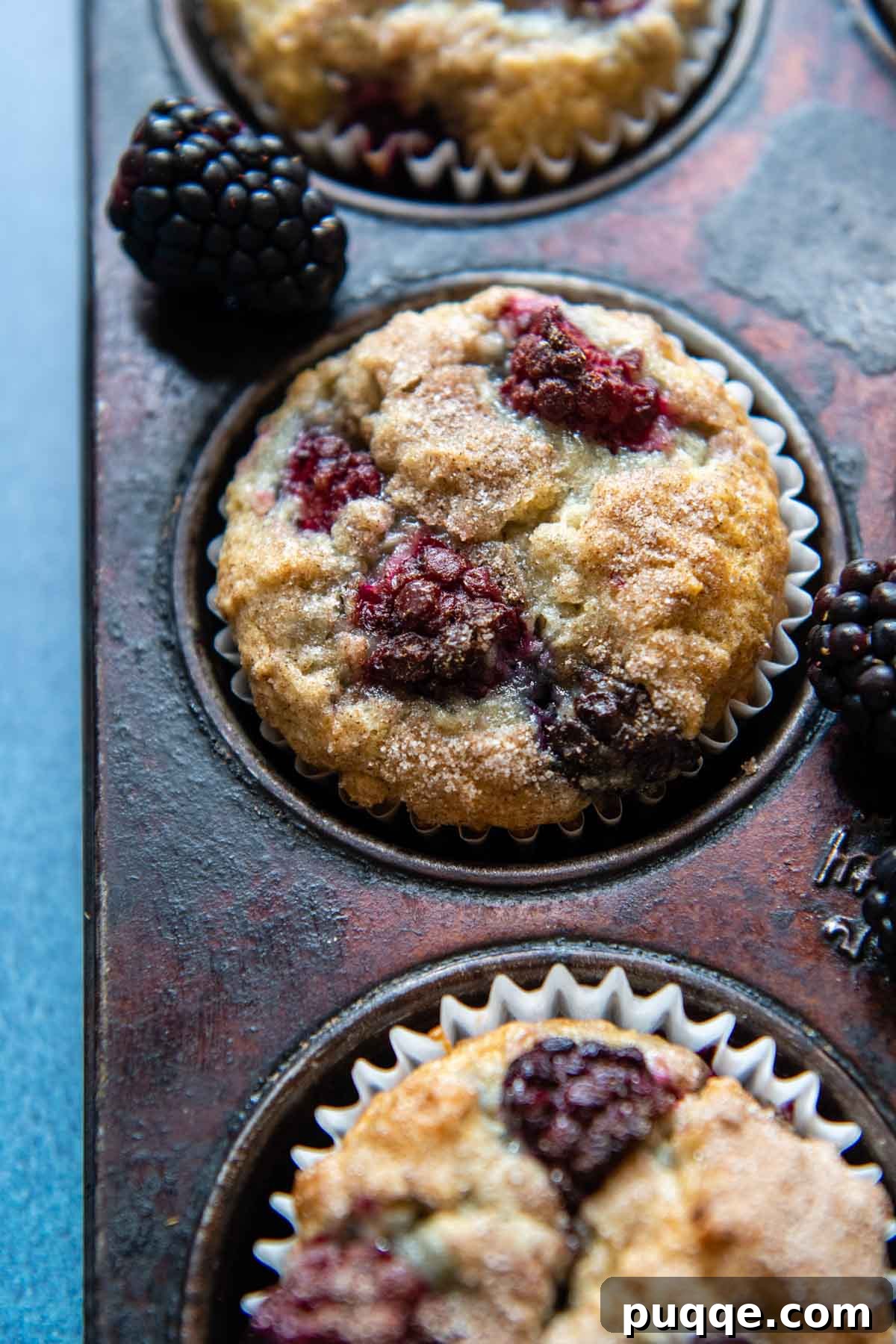
Are you searching for the ultimate gluten-free blackberry muffin recipe that promises a tender, fluffy crumb with bursts of juicy fruit and a delightful crunch on top? Look no further! This carefully crafted recipe delivers irresistibly delicious muffins that are not only gluten-free but also completely dairy-free, making them perfect for a wide range of dietary needs. Whether you’re a seasoned gluten-free baker or just starting, these quick and easy blackberry muffins will become a staple in your kitchen, offering a wholesome treat that defies expectations and brings joy to every bite.
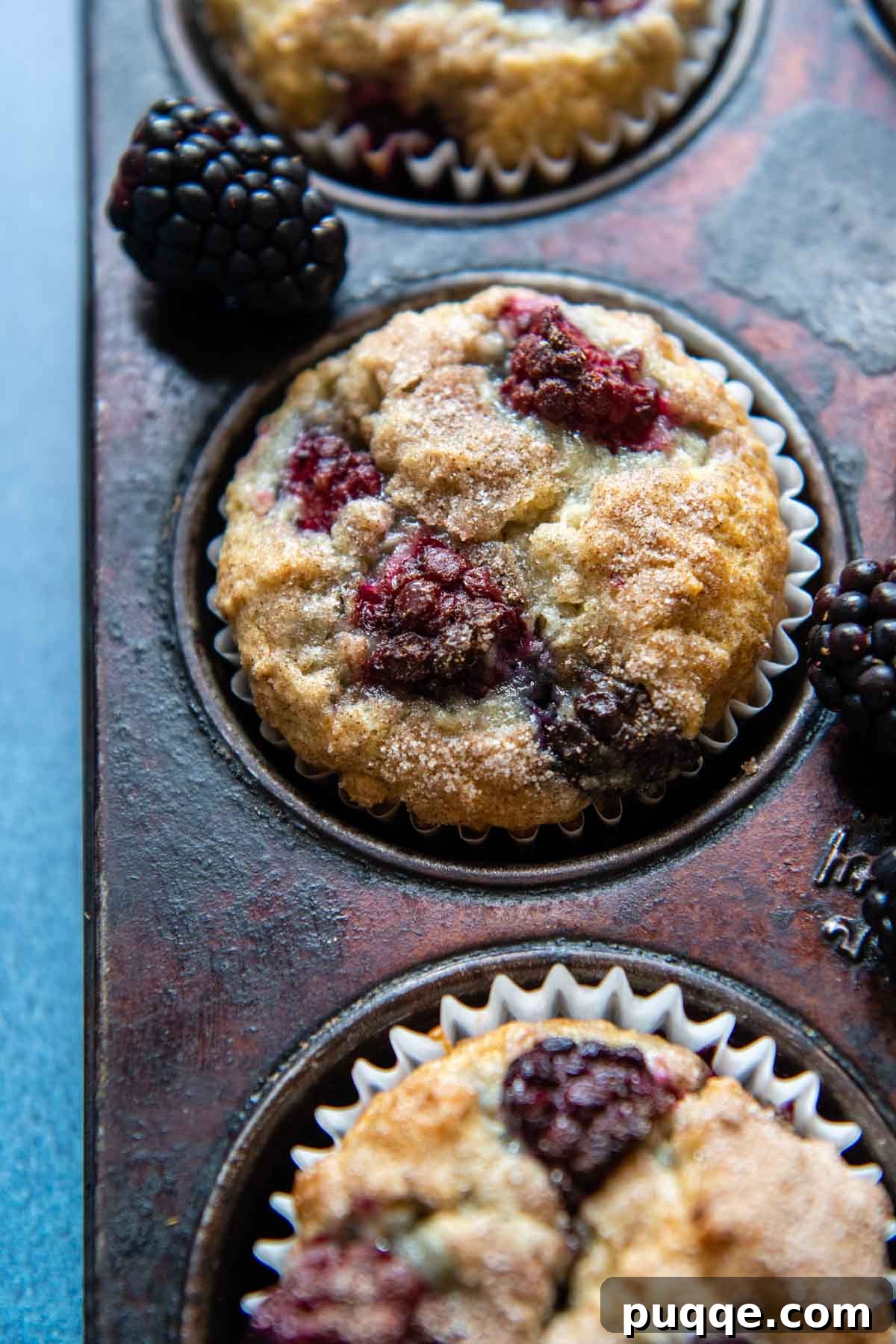
The Art of Gluten-Free Muffin Making: Achieving Fluffy Perfection
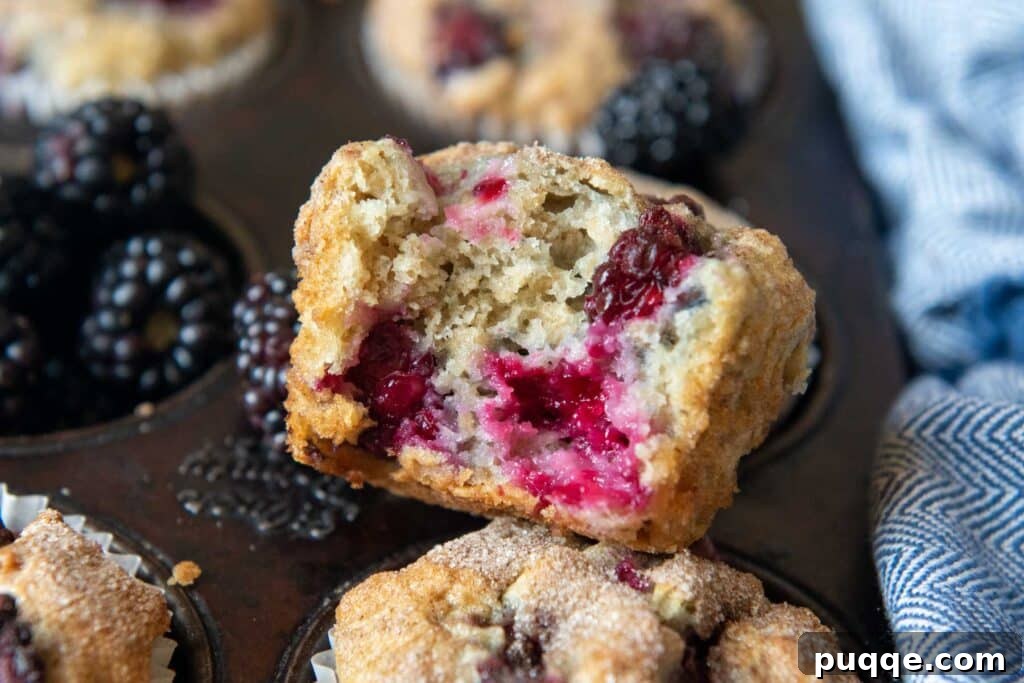
Baking gluten-free can sometimes be challenging, often leading to dense or crumbly textures that leave much to be desired. However, with the right techniques and a few expert tips, you can achieve muffins that are wonderfully light, moist, and incredibly tender – so good, even those accustomed to traditional baking won’t guess they’re gluten-free! This recipe incorporates essential tricks that make all the difference, transforming your gluten-free baking experience into one of success and satisfaction.
One of the key secrets to these incredibly fluffy gluten-free blackberry muffins is the strategic addition of oats to the batter. Gluten-free flours sometimes struggle to absorb liquids as effectively as their gluten-containing counterparts, which can often result in dry, dense, or gummy baked goods. Quick-cooking oats, in particular, act as a fantastic moisture absorber, helping to create a balanced batter consistency that prevents these common pitfalls. Beyond their functional benefits, oats impart a subtle, wholesome, and nutty flavor that elevates the overall taste profile, reminiscent of classic oat flour muffins, adding another layer of delicious complexity.
As the muffins bake, the quick-cooking oats soften beautifully, becoming virtually undetectable in the finished product. This ensures a smooth, uniform texture without any grittiness, providing a truly enjoyable eating experience. Another critical step for achieving a superior crumb in gluten-free muffin recipes, similar to my popular gluten-free strawberry muffins and easy gluten-free morning glory muffins, is allowing the batter to rest. A brief 10-15 minute rest period before baking gives the gluten-free starches ample time to fully hydrate and relax. This crucial step prevents a dry or grainy texture, ensuring a supremely tender and moist result that will have everyone reaching for a second muffin.
Essential Ingredients for Your Best Gluten-Free Blackberry Muffins
Creating these delightful muffins doesn’t require a special trip to a specialty store. Most of the ingredients are likely already in your pantry, making this an accessible and affordable recipe for anyone looking to enjoy homemade baked goods. Whether you prefer fresh, seasonal blackberries picked at their peak or conveniently frozen ones available year-round, the other components are common kitchen staples, ensuring ease of preparation.
Choosing the Right Gluten-Free All-Purpose Flour
The foundation of any exceptional gluten-free baked good starts with a high-quality all-purpose flour blend. For these dairy-free blackberry muffins, I consistently achieve outstanding results with Cup4Cup gluten-free flour. Its carefully balanced blend of various gluten-free flours and starches provides the ideal structure and elasticity needed for a tender, non-crumbly crumb. If Cup4Cup isn’t readily available in your area, I recommend consulting a reliable gluten-free flour resource to choose an alternative all-purpose blend that is suitable for baking, ideally one that already includes xanthan gum or can be easily supplemented with it for optimal binding.
The Power of Quick-Cooking Gluten-Free Oats
As previously highlighted, gluten-free quick-cooking oatmeal plays a crucial role in enhancing the texture of these muffins. The smaller, finer flecks of quick-cooking oats allow them to bind seamlessly with the muffin batter, efficiently absorbing excess moisture and contributing significantly to a moist, soft, and uniform interior. If you only have old-fashioned rolled oats on hand, don’t worry! You can easily adapt them by giving them a quick pulse in a food processor first. This breaks them down slightly, allowing them to integrate better into the batter and provide similar textural benefits.
Sweeteners: A Perfect Harmony of Flavors and Texture
This recipe thoughtfully uses a combination of both brown sugar and granulated sugar. Granulated sugar provides the necessary structure and a clean, bright sweetness to the muffins. Brown sugar, on the other hand, adds a lovely depth of flavor with its subtle caramel notes, and importantly, contributes to the muffin’s overall moisture and tenderness due to its higher moisture content. This dual-sugar approach ensures a perfectly balanced sweetness and a desirable, soft texture that truly makes these muffins stand out.
Blackberries: Fresh or Frozen, Always Juicy
The star of the show, delivering bursts of vibrant flavor and color! You can use either fresh, in-season blackberries or conveniently frozen ones for this recipe, making it adaptable all year round. If your berries are particularly large, I highly recommend cutting them in half before adding them to the dry ingredients. This simple step ensures that the juicy blackberry flavor is evenly distributed throughout each muffin, so you get a perfect berry-to-muffin ratio in every single bite. For an extra aesthetic touch and flavor boost, consider reserving a few beautiful berries to gently press onto the tops of the muffins just before baking.
Dairy-Free Milk and Oil: Achieving Richness and Moisture
To keep these muffins dairy-free without compromising on richness or moisture, any type of milk can be successfully used. Almond milk, soy milk, or oat milk are all excellent dairy-free alternatives that integrate beautifully into the batter. For the fat component, neutral-flavored canola oil or vegetable oil works wonderfully, providing a consistent moisture without overpowering the delicate blackberry flavor. Melted coconut oil is another excellent option if you prefer, adding a subtle tropical hint. This flexibility ensures these muffins fit various dietary preferences while still delivering on taste and texture.
Leavening Agents and Flavor Enhancers
Baking powder and baking soda are the essential leavening agents that work in harmony to give these muffins their incredible rise and wonderfully fluffy texture. Always ensure your leavening agents are fresh for optimal results; expired leavening can lead to flat, dense muffins. A touch of salt is included to balance the sweetness, enhancing all the other flavors without making the muffins taste salty. Finally, pure vanilla extract adds a warm, comforting aroma and deepens the overall flavor profile of the muffins, complementing the tanginess of the blackberries beautifully.
Gluten-Free Blackberry Muffins (Extra Fluffy & Tender!)

Melissa Erdelac
17 muffins
5 mins
20 mins
25 mins
Pin Recipe
Ingredients
- 1 ⅔ cup gluten free all purpose flour, I use and recommend Cup4Cup GF flour
- 1 ⅓ cup gluten-free quick-cooking oats
- ⅓ cup brown sugar
- ⅓ cup granulated sugar
- 1 ½ teaspoon baking powder
- ½ teaspoon baking soda
- ½ teaspoon salt
- 2 cups blackberries (fresh or frozen), washed and blotted dry and large berries halved
- ⅔ cup canola oil
- ⅔ cup milk or dairy-free milk
- 1 egg
- 1 egg yolk
- 1 teaspoon vanilla extract
Topping
- 1 tablespoon granulated sugar
- ½ teaspoon ground cinnamon
Equipment
-
Muffin Tins
-
Large Cookie Scoop
-
Cup 4 Cup Gluten Free Flour
Instructions
-
Prepare your muffin tin by lining standard-size muffin cups with paper liners or greasing them generously with nonstick cooking spray. It’s best to prepare these before you start mixing the batter.
-
In a large mixing bowl, whisk together all the dry ingredients: the gluten-free flour, quick-cooking oats, brown sugar, granulated sugar, baking powder, baking soda, and salt. Ensure they are thoroughly combined. Then, gently fold in the blackberries, making sure they are lightly coated with the flour mixture. This crucial step helps prevent the berries from sinking to the bottom of the muffins during baking, ensuring even distribution.
-
In a separate, smaller bowl, whisk together the wet ingredients: the canola oil, milk (or your chosen dairy-free milk alternative), egg, egg yolk, and vanilla extract until well combined and smooth.
-
Pour the wet ingredients into the dry mixture. Stir gently with a spoon or spatula until just combined. Be careful not to overmix the batter; a few small lumps are perfectly fine and often preferred. Overmixing can lead to tough, dense muffins. Once mixed, let the batter rest at room temperature for 10-15 minutes. During this vital resting time, the gluten-free starches will fully hydrate, significantly improving the final texture and moistness of your muffins. After the resting period, preheat your oven to 375ºF (190ºC).
-
While the oven preheats, divide the batter evenly among the prepared muffin cups, filling each approximately three-quarters full. A large trigger scoop can make this process quick, easy, and mess-free. In a small bowl, combine the additional granulated sugar and ground cinnamon for the topping. Sprinkle a generous amount of this delightful cinnamon sugar mixture evenly over the top of each muffin for a sweet, crunchy crust. If you reserved any extra blackberries, gently press them into the topping at this stage.
-
Bake the muffins for 20-22 minutes. For more even baking and a consistent rise, rotate the muffin pan halfway through the baking time. The muffins are done when the tops are beautifully golden brown and set, and a toothpick inserted into the center comes out clean, indicating they are fully cooked through.
-
Allow the baked muffins to cool in the pan for about 5 minutes. This brief cooling period helps them firm up and prevents them from becoming soggy. After 5 minutes, carefully transfer them to a wire rack to cool completely. Cooling on a rack ensures air circulation, preventing moisture build-up and keeping the bottoms from getting soft.
Recipe Notes and Pro Tips
Additions and Modifications: Unlock More Flavors!
- Blackberry Lemon Muffins: For a refreshing and zesty twist, add 1 tablespoon of finely grated fresh lemon zest to the muffin batter along with the dry ingredients. Once the muffins are completely cooled, drizzle their tops with a simple, tangy lemon glaze made from whisking together 1 cup powdered sugar with 2 tablespoons of fresh lemon juice until smooth.
- Crumb Topping Delight: Elevate your muffins with an irresistible sweet streusel topping. You can find detailed ingredients and instructions for creating a delicious crumb topping on my gluten-free apple muffins recipe. This adds an extra layer of delightful texture and sweetness that perfectly complements the juicy blackberries.
- Berry Swaps: While blackberries are fantastic, this recipe is incredibly versatile and welcomes other fruits! Feel free to replace them with an equal amount of frozen or fresh blueberries, raspberries, chopped strawberries, or a medley of your favorite mixed berries for different flavor profiles.
- Vanilla Glaze: Instead of the cinnamon sugar topping, consider drizzling your cooled muffins with a simple yet elegant vanilla glaze. Whisk together 1 cup of powdered sugar with 1 ½ tablespoons of milk (or dairy-free milk) and ½ teaspoon of pure vanilla extract until you achieve a smooth, pourable consistency.
- Nutty Additions: For added crunch, healthy fats, and a depth of flavor, consider gently folding in ½ cup of chopped pecans, walnuts, or almonds with the blackberries into the batter.
- Spiced Muffins: Enhance the warmth and complexity of your muffins by adding an additional ¼ teaspoon of ground nutmeg or allspice to the dry ingredients along with the cinnamon.
- Chocolate Chips: For a truly decadent treat, mix in ½ cup of dairy-free chocolate chips or chunks along with the blackberries.
Nutrition Information (per muffin)
Calories: 196 kcal | Carbohydrates: 24g | Protein: 3g | Fat: 11g | Saturated Fat: 1g | Polyunsaturated Fat: 3g | Monounsaturated Fat: 6g | Trans Fat: 0.04g | Cholesterol: 22mg | Sodium: 110mg | Potassium: 111mg | Fiber: 3g | Sugar: 11g | Vitamin A: 81IU | Vitamin C: 4mg | Calcium: 50mg | Iron: 1mg
(Nutritional values are estimates and may vary based on specific ingredients and preparation.)
Mastering Berries in Your Muffin Recipes for Bakery-Style Results
Baking with any type of berry is a pure joy, creating visually appealing and flavorful muffins that are perfect for breakfast, brunch, or a satisfying snack. To ensure your muffins turn out perfectly every time, achieving that coveted bakery-style look and taste, follow these expert tips for handling berries:
- Proper Berry Preparation is Key: Whether you’re using fresh or frozen berries, always wash them thoroughly before adding them to your batter. After washing, gently blot them dry with paper towels or a lint-free dish towel. Removing excess moisture is crucial as it prevents the batter from becoming too watery, which can lead to dense muffins, and helps the berries maintain their firm integrity during baking.
- Consider Berry Size: If you’re using particularly large blackberries or other fruits, it’s a good idea to cut them in half or even into quarters. This ensures that the juicy berry flavor is evenly dispersed throughout the muffin batter, giving you a delightful burst of fruit in every single bite. Smaller pieces also reduce the chance of berries sinking to the bottom during baking.
- Fresh vs. Frozen Berries: Both fresh and frozen berries can be used interchangeably in almost any muffin recipe, including this one. However, there’s a slight difference to note: frozen berries tend to release more juice as they thaw and bake. This might slightly change the color of your batter, potentially creating beautiful purple swirls throughout your muffins, and could require an additional minute or two of baking time. There’s no need to thaw frozen berries before adding them to the batter; use them straight from the freezer.
- Preventing Sinking Berries: A common frustration for many bakers is finding all the berries gathered at the bottom of their muffins. To effectively prevent this, toss your fresh or frozen berries with a tablespoon or two of the dry flour mixture (from the recipe’s measured flour) before folding them into the batter. The light coating of flour creates a protective barrier, helping the berries stay suspended evenly throughout the muffins during baking and preventing them from sinking. This technique also helps prevent them from breaking apart too much when mixed into the batter.
Storing and Freezing for Lasting Freshness
These homemade gluten-free blackberry muffins are so incredibly delicious, you might find that leftovers are a rarity! But for those fortunate occasions, or if you’re proactively planning ahead for easy grab-and-go breakfasts or snacks, proper storage is absolutely key to maintaining their moist and tender texture.
- Room Temperature Storage: Once your muffins have cooled completely to room temperature, store them in an airtight container. They will remain wonderfully fresh for up to 2 days. To absorb any potential excess moisture and prevent sogginess, you can place a piece of paper towel at the bottom of the container. It’s important to avoid storing gluten-free muffins in the refrigerator, as this environment tends to dry out gluten-free baked goods much more quickly than conventional ones.
- Freezing for Optimal Freshness: Gluten-free muffins, like many other gluten-free baked goods, don’t typically stay fresh as long as their gluten-containing counterparts due to differences in moisture retention. For the absolute best flavor and texture beyond two days, I highly recommend freezing any leftover muffins right away. To freeze, wrap each individual muffin tightly in plastic wrap, ensuring no air can get to it, then place them in a freezer-safe zip-top bag or an airtight container. Properly stored, they will keep beautifully in the freezer for up to 3 months, ready to be enjoyed whenever a craving strikes.
- Reheating Frozen Muffins: When you’re ready to indulge in a frozen muffin, simply unwrap it and let it thaw at room temperature for an hour or two. For a quicker option, you can microwave it for 30-60 seconds (depending on your microwave’s power) until it’s warm and soft throughout. For a slightly crisper exterior that mimics a freshly baked muffin, you can also warm them in a preheated oven at 300°F (150°C) for about 10-15 minutes.
Frequently Asked Questions about Gluten-Free Blackberry Muffins
Here are answers to some common questions you might have when baking these delightful gluten-free and dairy-free muffins, designed to help you achieve perfect results every time:
Why are my gluten-free muffins dry or gummy?
Dryness or gumminess in gluten-free muffins often stems from two primary issues: inaccurate liquid measurements or overmixing the batter. Gluten-free flours absorb liquids differently than wheat flours, so precise measurement of both dry and wet ingredients is crucial. Additionally, overmixing can develop any existing gluten (if your blend contains gluten-containing starches or has trace amounts) and can lead to a dense, tough, or gummy texture. Always mix just until the ingredients are combined, leaving a few small lumps is perfectly fine and often desirable for a tender crumb.
Can I make these muffins completely vegan?
Yes, this recipe can easily be adapted to be completely vegan! To replace the egg and egg yolk, simply use flax eggs. For each egg, combine 1 tablespoon of ground flaxseed meal with 3 tablespoons of water, and let it sit for 5 minutes until it thickens into a gel-like consistency. Since the recipe already calls for plant-based milk and oil, no other major substitutions are needed. Just ensure that your baking powder and the sugars you use are vegan-friendly (some sugars can be processed with bone char, though many brands are not).
What’s the best way to get tall, domed muffin tops like a bakery?
To achieve those coveted bakery-style domed tops, two tips are particularly essential. First, resist the urge to overfill your muffin cups; aim for about three-quarters full, as this allows the batter enough room to rise without spilling over. Second, consider baking at a slightly higher temperature for the initial 5-7 minutes (for example, 400°F or 200°C), then reduce it to the recipe’s specified temperature (375°F or 190°C) for the remainder of the baking time. The initial blast of high heat causes the muffins to rise rapidly before the interior has fully set, creating a beautiful, airy dome.
Can I use other fruits besides blackberries?
Absolutely! This recipe is incredibly versatile and serves as a fantastic base for various fruits. Blueberries, raspberries, diced strawberries, chopped peaches, or even small pieces of apples or pears would work wonderfully. Just ensure any larger fruits are cut into bite-sized pieces to ensure even distribution and bake time, and always follow the tips for preparing and lightly coating berries in flour to prevent them from sinking.
SAVE THIS RECIPE TO YOUR PINTEREST BOARD!
If you loved making and enjoying these delicious gluten-free blackberry muffins, don’t forget to save this recipe to your Pinterest board for easy access later! Follow MamaGourmand on Pinterest for more mouth-watering gluten-free and dairy-free recipes that are sure to become family favorites.