
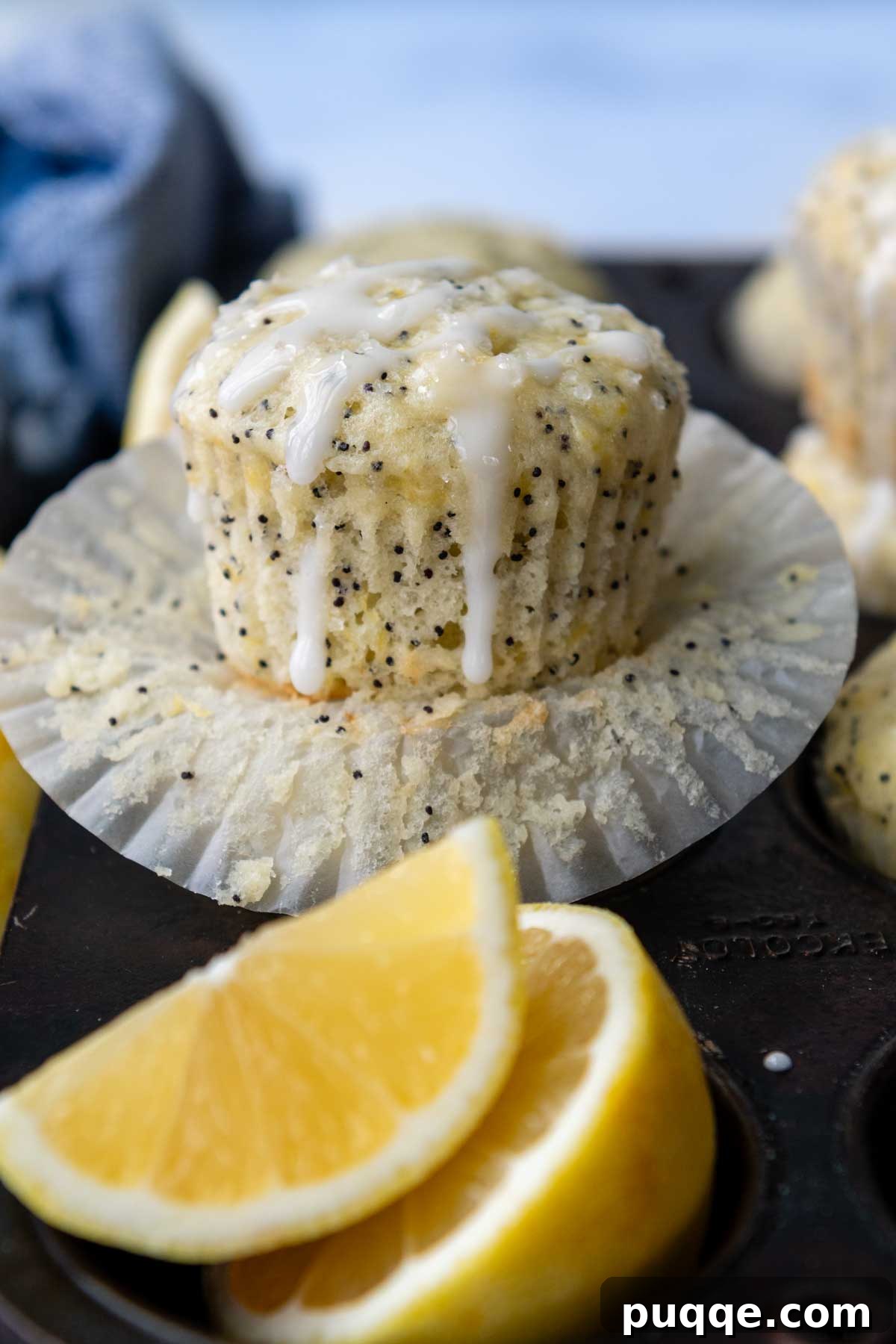
Indulge in Perfectly Moist and Fluffy Gluten-Free Lemon Poppy Seed Muffins
Discover the ultimate recipe for fresh, bakery-style gluten-free lemon poppy seed muffins that are unbelievably moist, fluffy, and bursting with vibrant citrus flavor. Crafted in minutes with the secret ingredient of yogurt or sour cream, these homemade delights promise a tender crumb and a delightful dome. To elevate the experience, each muffin is crowned with a luscious lemon drizzle glaze. Drawing from years of dedicated recipe testing and extensive gluten-free baking experience, we’ll share insider tips to ensure your homemade lemon poppy seed muffins are nothing short of perfection.
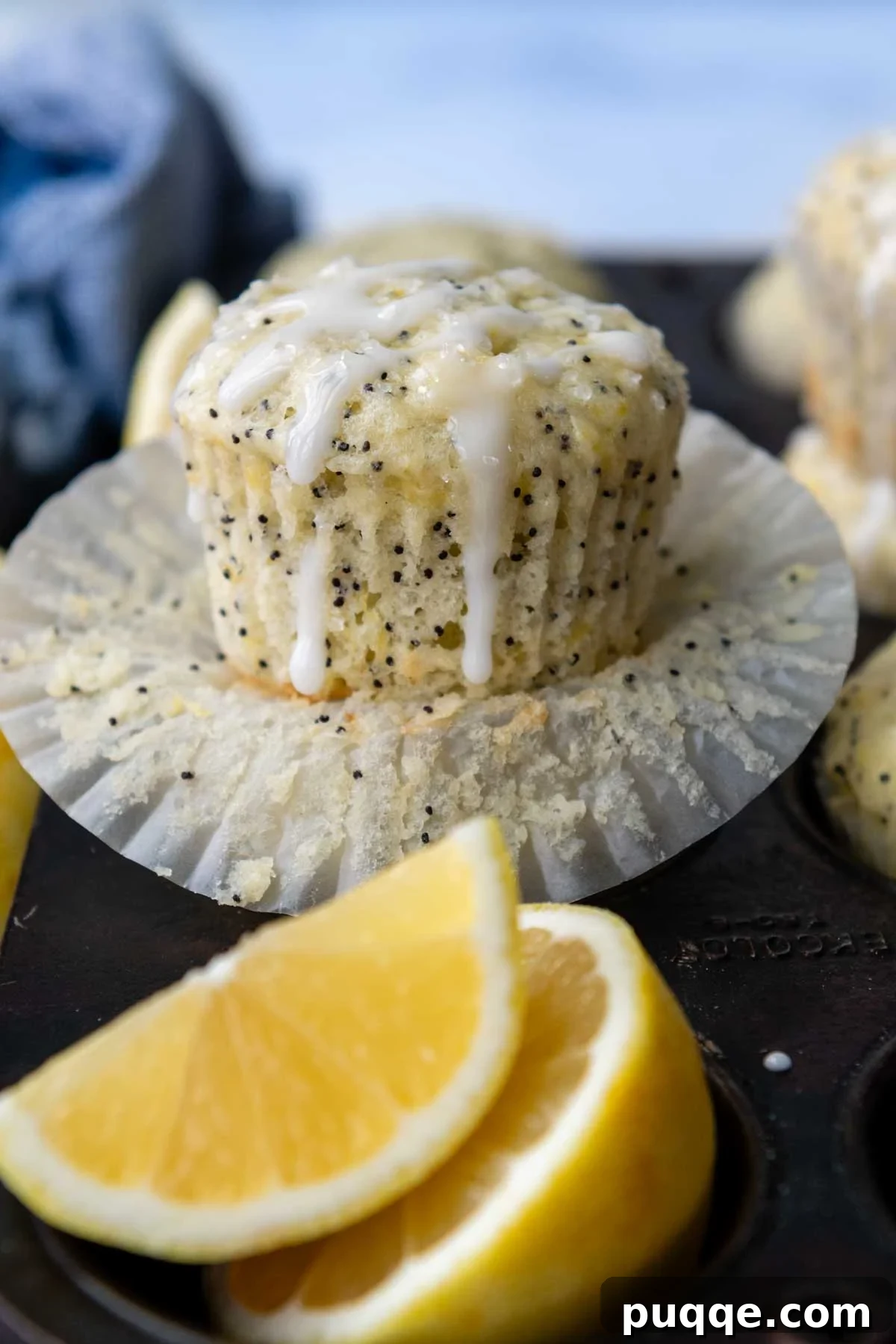
The Secret to Superior Gluten-Free Muffins: Achieving Bakery-Style Texture
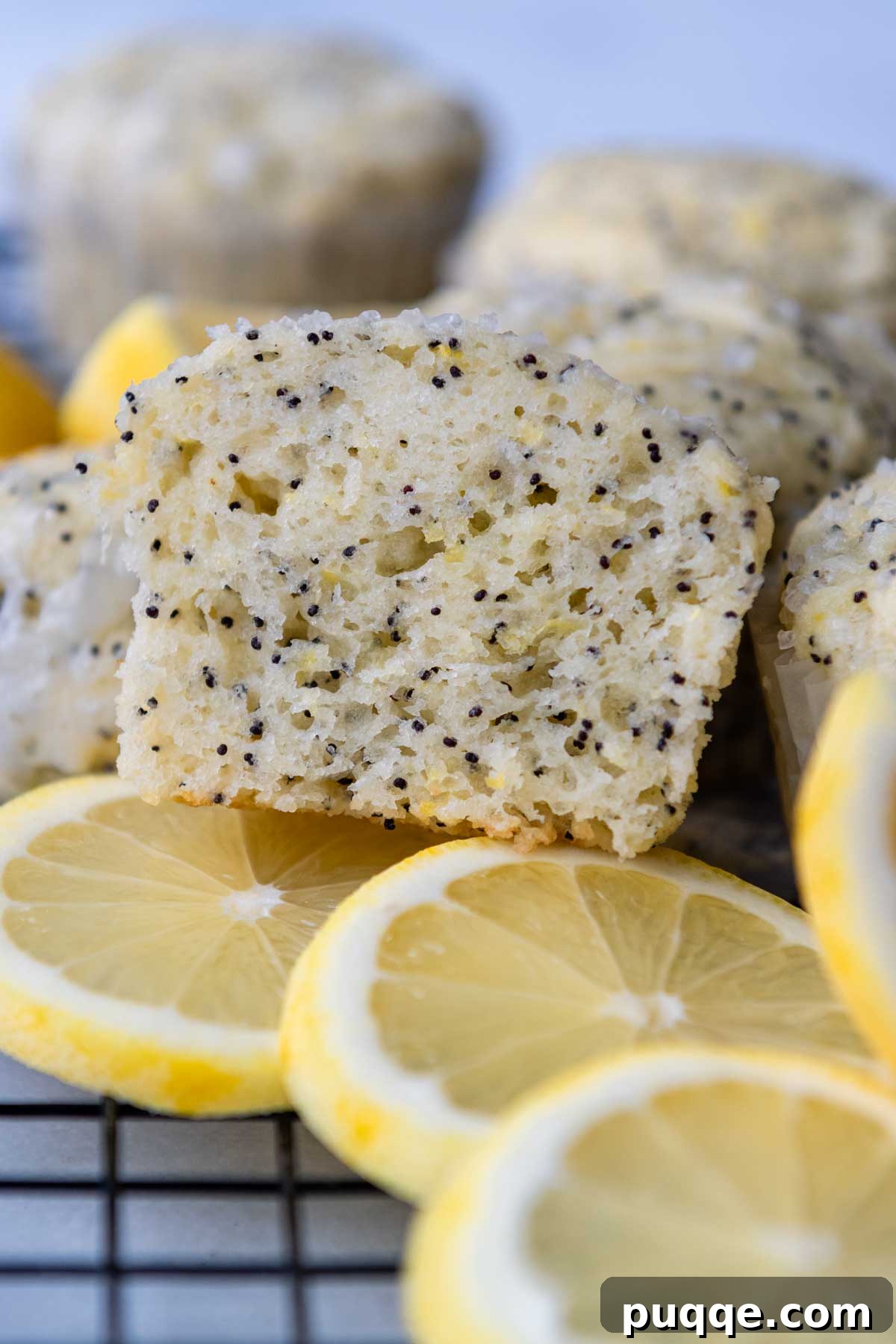
Developing an exceptional homemade gluten-free muffin recipe is all about mastering texture. For lemon poppy seed muffins, the goal is a delicate balance: a crumb that is deeply moist without being dense, yet light and fluffy enough to achieve that coveted bakery-style domed top. This isn’t always easy with gluten-free flours, which often lack the elasticity and structure provided by gluten, leading to dry or crumbly results.
Our approach tackles these challenges head-on by meticulously selecting the right fat combinations and incorporating dairy. While some muffin recipes rely solely on butter for fluffiness, like our gluten-free apple crumb muffins, or exclusively on oil for extreme moistness, similar to our spiced gluten-free zucchini muffins, lemon poppy seed muffins demand something unique. They require a texture that is both tenderly moist and wonderfully soft. This is achieved through a strategic combination of equal parts butter and oil, alongside the transformative addition of yogurt or sour cream.
Why this specific blend? Gluten-free flours often need more liquid and fat to compensate for the lack of gluten structure. Since lemon poppy seed muffins don’t feature bulky mix-ins like blueberries or nuts, which naturally add moisture, we slightly increase the flour content to provide the necessary body. However, simply adding more fat can sometimes overwhelm gluten-free starches, leading to an oily or gummy texture. This is where yogurt or sour cream become invaluable. Their tang not only enhances the lemon flavor but also provides a crucial boost of moisture and coats the gluten-free starches. This coating helps prevent the potential grittiness or dryness that can arise from using a higher proportion of flour, ensuring a remarkably soft and smooth crumb every time.
Read on to unveil more expert tips for crafting the finest lemon and poppy seed muffins with a delectable glaze. We’ll explore strategies to amplify the bright lemon flavor, discuss dairy-free alternatives, recommend the best gluten-free flours, and guide you through creating the easiest lemon drizzle to crown your perfect muffins.
Essential Ingredients for Irresistible Lemon Poppy Seed Muffins: A Closer Look
Beyond the fresh lemons and creamy yogurt, the ingredients for these from-scratch muffins are likely already staples in your kitchen. This recipe yields a generous batch of 16 muffins, perfect for sharing or freezing for later enjoyment. If you don’t plan to devour them all within a couple of days, consider making a half recipe or freezing half to maintain optimal freshness.
- Gluten-Free Flour: The foundation of exceptional gluten-free baked goods lies in the quality of your flour blend. After extensive testing, Cup4Cup gluten-free flour has consistently proven superior, particularly for creating gluten-free breads and muffins with outstanding texture and flavor. Its balanced blend of starches and binders mimics traditional wheat flour remarkably well, preventing dryness and ensuring a tender crumb. If using another brand, look for one that is an all-purpose blend and contains xanthan gum for best results.
- Sour Cream or Yogurt: This key ingredient provides the signature tang often found in buttermilk, while also contributing significantly to moisture and structural integrity. The acidity helps activate baking soda, ensuring a lovely lift and tenderness. For delicious dairy-free muffins, opt for a full-fat coconut or almond milk yogurt. The higher the fat content, the better the texture will be, as fat helps create richness and moisture. Ensure it’s plain and unsweetened to control the overall flavor profile.
- Butter and Oil: Our dual-fat approach harnesses the best of both worlds. Melting the butter before incorporating it into the batter helps to hydrate the ingredients more effectively than softened butter, leading to a more evenly moist crumb and a richer flavor. For dairy-free versions, high-quality vegan butter sticks are an excellent substitute. For the oil, any neutral-flavored oil such as canola, vegetable, or melted coconut oil (ensure it’s melted and cooled if solid) will work beautifully, contributing to the muffins’ delicate tenderness.
- Fresh Lemons: You’ll need approximately four large lemons for this recipe to achieve a truly bright and zesty flavor. Both the finely grated lemon zest and freshly squeezed lemon juice are incorporated into the batter. For an extra punch of lemon, we also include a touch of lemon extract. Remember, the zest contains the most potent lemon oil, so don’t skimp! Additional fresh lemon juice is reserved for creating the perfect drizzle glaze. Always wash lemons thoroughly before zesting.
- Poppy Seeds: These tiny, distinctive seeds are easily found in the baking aisle alongside spices. For frequent bakers, larger, more economical containers are often available. Poppy seeds have a long shelf life, typically remaining fresh for 3-4 years when stored in a cool, dark place, so don’t hesitate to stock up. They add a subtle nutty flavor and a delightful textural contrast to the soft muffins.
- Leavening Agents (Baking Powder & Baking Soda): These powerful ingredients work in tandem to give our muffins their desirable lift and airy texture. Baking powder is double-acting, meaning it reacts once when mixed with liquid and again when exposed to heat, while baking soda reacts with the acid in the sour cream/yogurt. Ensure yours are fresh for optimal results.
- Salt: A pinch of salt is crucial for balancing the sweetness and enhancing all the other flavors in the muffin, particularly the bright lemon notes.
Bake Together: Creating Your Fluffy Lemon Poppy Seed Masterpiece
Follow these step-by-step photos and detailed instructions to guide you through the baking process. For precise ingredient measurements, please refer to the complete recipe card at the bottom of this article.
Step 1: The Lemony Wet Ingredients
In a spacious mixing bowl, vigorously whisk together the melted and cooled butter, oil, granulated sugar, room temperature sour cream or yogurt, large eggs, milk, generous amounts of fresh lemon juice and zest, and both lemon and vanilla extracts. Notice how we supercharge that lemon flavor with a triple threat: zest for aromatic oils, juice for bright acidity, and extract for a concentrated burst of citrus! Continue whisking until the mixture is smooth and well combined.
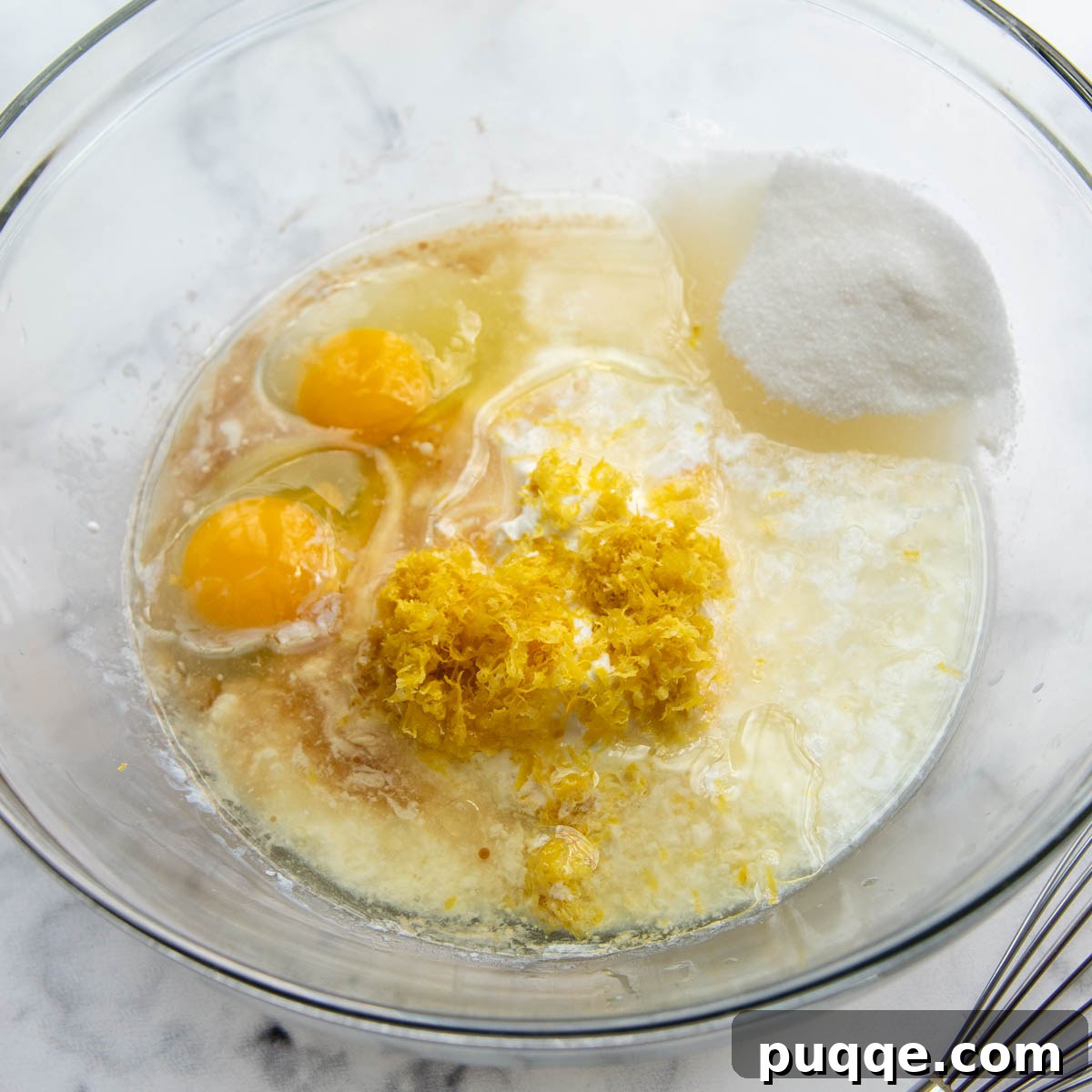
Step 2: Incorporating the Dry Components
Now, introduce the dry ingredients into the bowl with the wet mixture. This includes your quality gluten-free all-purpose flour, baking powder, baking soda, salt, and the star of the show, poppy seeds. Gently stir everything together until just combined. Be careful not to overmix, as this can lead to tough muffins, even with gluten-free flour. A few small lumps are perfectly fine and often indicate a tender final product.
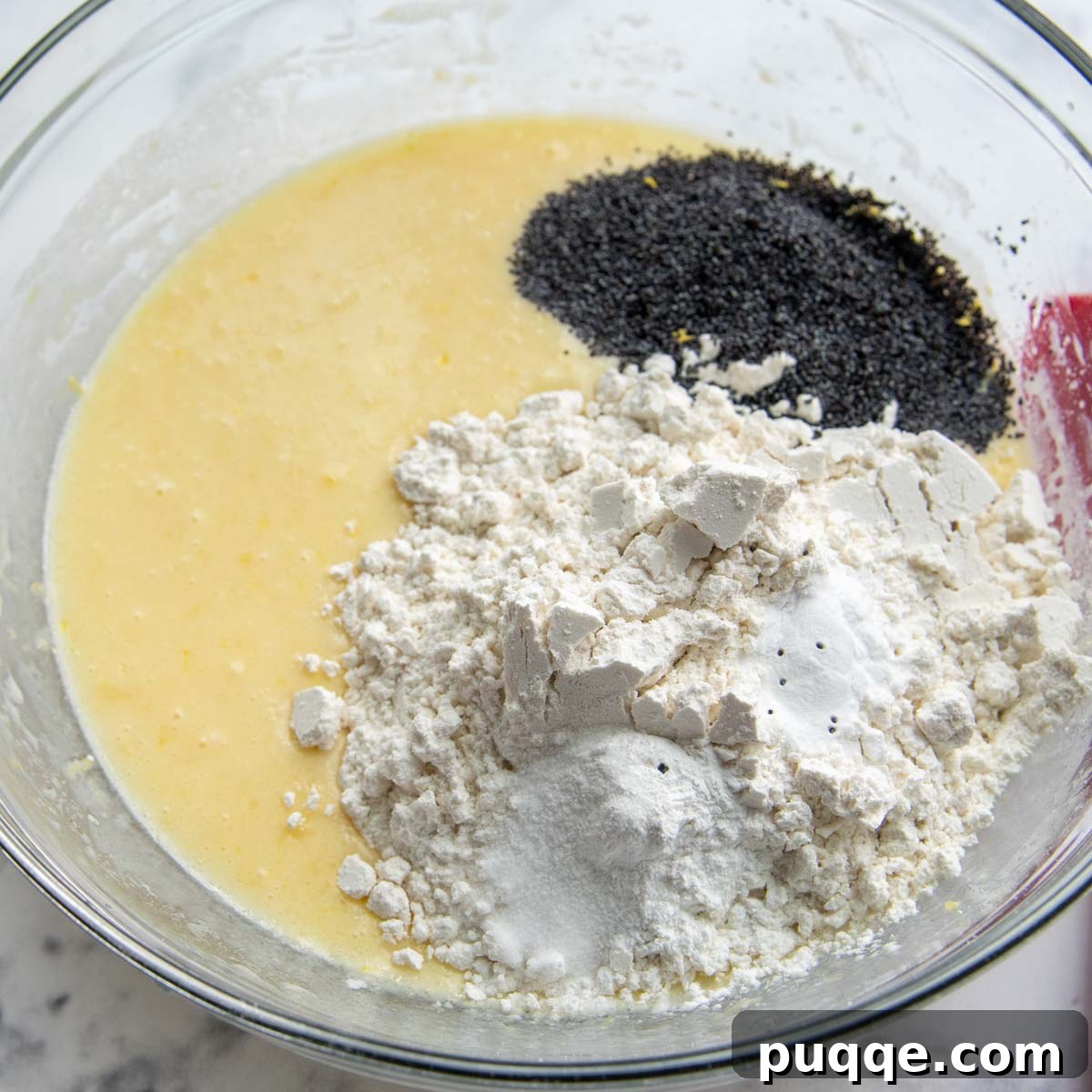
Step 3: The Magic of Filling and Resting
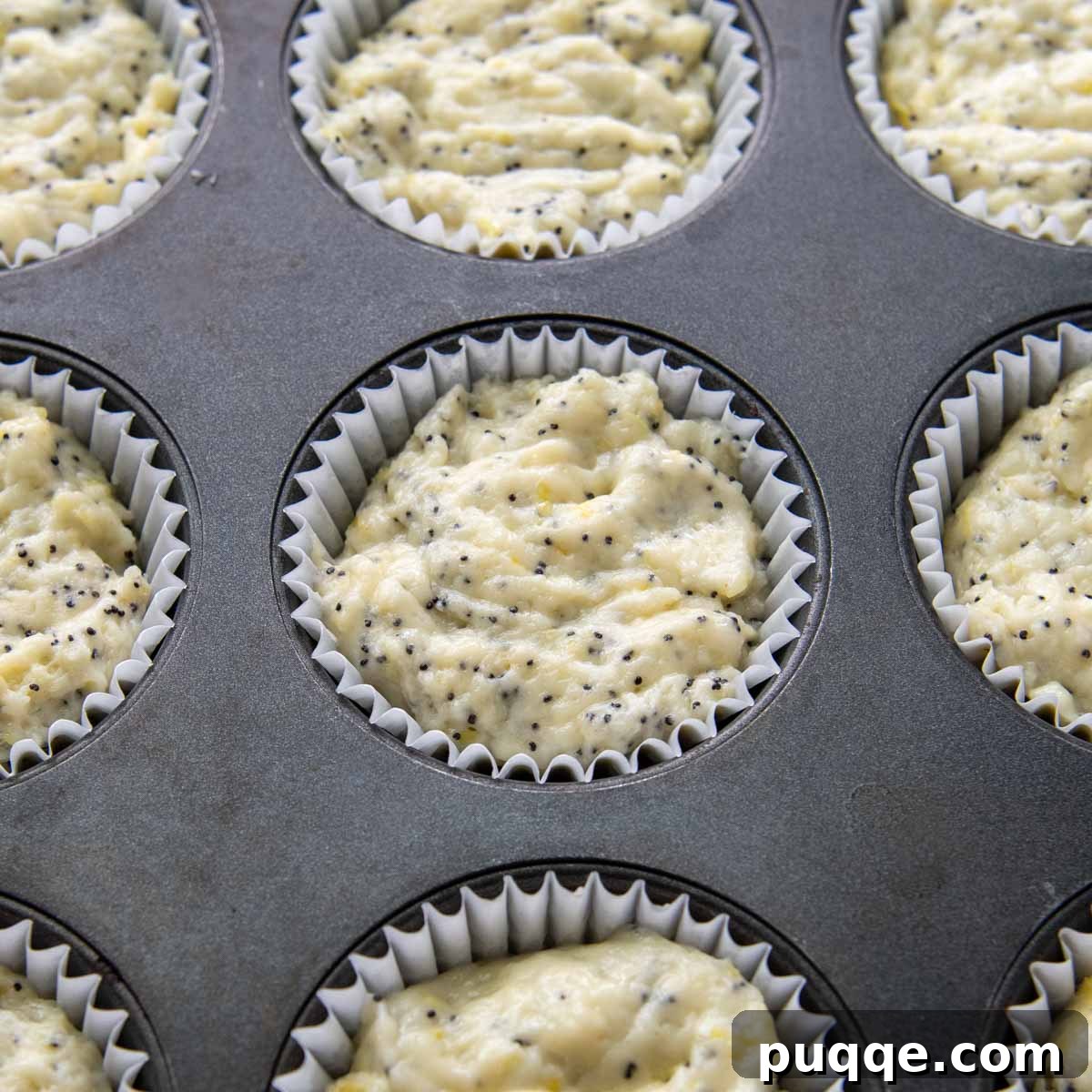
While your oven preheats to 350ºF, line 16 muffin tins with paper liners. Then, using a large trigger scoop or an ice cream scoop, generously divide the batter among the prepared cupcake liners. The liners should be filled almost to the very top, as shown in the accompanying image. For an even more professional look, you can use a silicone spoon or slightly wet fingers to gently smooth the tops of the batter before baking. This helps achieve those beautifully domed tops.
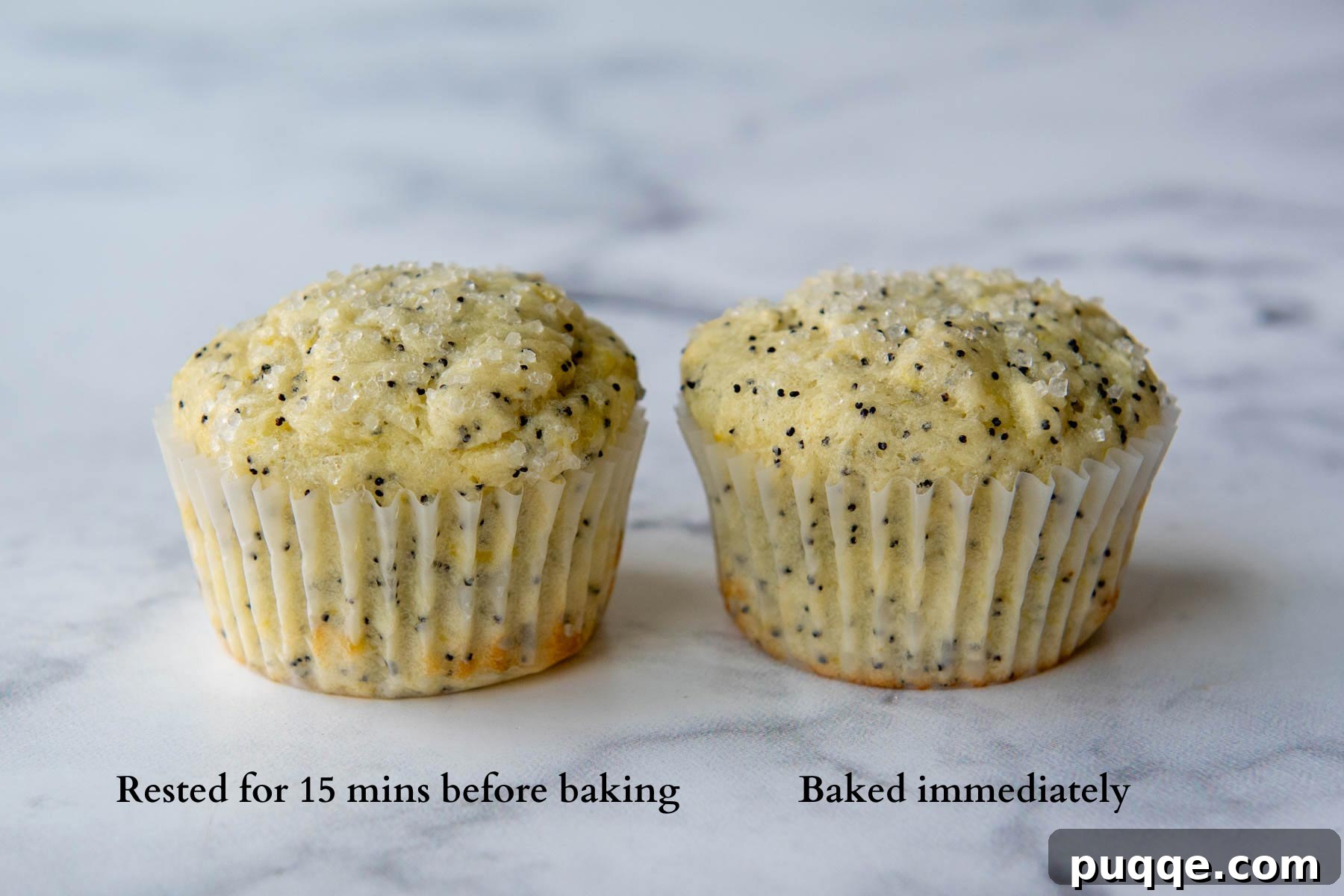
Now for a crucial step for gluten-free baking perfection: set the filled muffin tins aside to rest for 15 minutes while the oven finishes preheating. This brief resting period allows the gluten-free starches to fully hydrate and absorb moisture from the wet ingredients. The result? A significantly softer, more tender crumb and a higher, more impressive dome. However, be mindful not to let the batter sit for too long, as excessive moisture absorption can paradoxically lead to dry muffins. If time is of the essence, you can certainly bake them immediately, though their tops might be slightly flatter.
Baking Tips for Perfection & Frequently Asked Questions
Achieving the Perfect Muffin Dome
The secret to those coveted bakery-style muffin domes lies in a few key steps: firstly, filling your muffin liners almost to the top. This provides enough batter to rise and create that beautiful domed effect. Secondly, the resting period for the batter, as mentioned in the instructions, is crucial for gluten-free muffins. It allows the starches to fully hydrate, leading to a better rise and a more tender crumb. Lastly, ensure your oven is accurately preheated. A properly heated oven ensures a quick initial rise, setting the muffin tops before the interiors are fully cooked.
Maximizing Lemon Flavor
To really make your lemon poppy seed muffins sing with citrus, we employ a “trifecta” approach: lemon zest, lemon juice, and lemon extract. The zest provides aromatic oils, the juice offers bright acidity, and the extract adds a concentrated burst of flavor. For an even more intense lemon aroma, try rubbing the lemon zest into the granulated sugar with your fingertips before adding it to the wet ingredients. This releases the essential oils from the zest, infusing the sugar with incredible lemon essence.
Dairy-Free Modifications
For those avoiding dairy, these muffins can be easily adapted. Simply substitute the sour cream or yogurt with an equal amount of full-fat, unsweetened coconut yogurt or almond milk yogurt. The higher fat content in these alternatives is important for maintaining the desired moist and rich texture. For the melted butter, use a good quality vegan butter stick, ensuring it’s melted and then cooled before mixing. Always double-check labels to ensure all your ingredients are genuinely dairy-free.
Troubleshooting Common Gluten-Free Muffin Issues
- Dry Muffins: Overbaking is a common culprit for dry gluten-free muffins. Keep a close eye on them towards the end of the baking time. They should be just set on top, and a toothpick inserted into the center should come out clean or with a few moist crumbs, but not wet batter. Resting the batter also helps prevent dryness.
- Flat Tops: If your muffins are consistently flat, ensure your leavening agents (baking powder and baking soda) are fresh. Also, make sure you’re filling the muffin liners sufficiently and allowing the batter to rest as instructed. Overmixing can also lead to less rise.
- Gummy Texture: A gummy texture in gluten-free baking often indicates too much liquid, too little flour, or improper mixing (too little or too much). Ensure you’re accurately measuring your ingredients, especially the gluten-free flour. The combination of butter and oil, along with yogurt, in this recipe is specifically designed to prevent this issue.
Storing and Freezing Tips for Gluten-Free Muffins
Gluten-free baked goods can dry out more quickly than their conventional counterparts. To keep your lemon poppy seed muffins tasting fresh and delicious, proper storage is key.
Once your muffins have completely cooled and the lemon glaze has set, store them in an airtight container at room temperature for up to 2 days. It’s important to avoid storing them in the refrigerator, as the cold air can accelerate drying and make them stale faster. While plastic wrap can sometimes trap too much moisture and make the tops slightly wet, loosely covering them with aluminum foil within an airtight container is a better alternative for preventing condensation while maintaining freshness.
For optimal, long-term freshness, freezing your gluten-free muffins immediately after they’ve cooled and the glaze has set is highly recommended. Gluten-free muffins tend to lose moisture and freshness more rapidly than traditional muffins. To freeze, wrap each cooled muffin individually in plastic wrap, then place them in a freezer-safe container or a heavy-duty freezer bag. They will keep beautifully in the freezer for up to 3 months. When you’re ready to enjoy one, simply remove it from the freezer and allow it to thaw at room temperature for an hour or so, or gently warm it in the microwave for a quick treat.
Serving Suggestions
These delightful gluten-free lemon poppy seed muffins are incredibly versatile. They make a bright and cheerful addition to any breakfast or brunch spread, pairing wonderfully with coffee or tea. Enjoy them as a satisfying mid-morning snack, an afternoon pick-me-up, or even a light dessert. Their vibrant lemon flavor makes them particularly refreshing during warmer months, but they’re truly a joy to savor year-round.
Save this recipe to your Pinterest board!
Let’s be friends on Pinterest! I’m always sharing great recipes!
Did you make this recipe? I love hearing from you! Leave a star rating and comment below the recipe card. It helps others when searching for recipes and I appreciate feedback from our community. You will always hear back from me! -Melissa

Fluffy, Moist Gluten-Free Lemon Poppy Seed Muffins

Melissa Erdelac
16
5 minutes
16 minutes
36 minutes
Pin
Rate
Remove Ads
Ingredients
-
4
tablespoons
(57 g) unsalted butter
,
melted and cooled -
¼
cup
(55 g) oil
,
any preferred -
¾
cup
(150 g) granulated sugar
-
¾
cup
(184 g) sour cream or yogurt
,
room temperature -
¼
cup
(61 g) milk
-
2
large eggs
,
room temperature -
3
tablespoons
(18 g) lemon zest
,
(about 4 lemons) -
4
tablespoons
(43 g) fresh lemon juice
-
1
teaspoon
lemon extract
-
1
teaspoon
vanilla extract
-
2
cups
(292 g) gluten free all purpose flour
-
2
tablespoons
(18 g) poppy seeds
-
1 ½
teaspoon
baking powder
-
1
teaspoon
baking soda
-
½
teaspoon
salt
Lemon Glaze
-
1
cup
(120 g) powdered sugar
-
1 ½
tablespoon
fresh lemon juice
Equipment
-
Citrus Juicer -
Large Cookie Scoop -
Zester
Instructions
-
Line 16 muffin tins with paper liners. Set aside. The oven will preheat later while the batter rests.
-
In a large mixing bowl, whisk together the melted and cooled butter, oil, sugar, sour cream, milk, eggs, lemon juice and zest, lemon and vanilla extract until smooth and well combined.4 tablespoons (57 g) unsalted butter,
¼ cup (55 g) oil,
¾ cup (150 g) granulated sugar,
¾ cup (184 g) sour cream or yogurt,
¼ cup (61 g) milk,
2 large eggs,
3 tablespoons (18 g) lemon zest,
4 tablespoons (43 g) fresh lemon juice,
1 teaspoon lemon extract,
1 teaspoon vanilla extract -
To the bowl, add the gluten-free flour, poppy seeds, baking powder, baking soda, and salt. Stir gently until just combined. Do not overmix.2 cups (292 g) gluten free all purpose flour,
2 tablespoons (18 g) poppy seeds,
1 ½ teaspoon baking powder,
1 teaspoon baking soda,
½ teaspoon salt -
Preheat the oven to 350ºF (175ºC). Use a large trigger scoop to evenly divide the batter among the cupcake liners, filling each almost to the top. If desired, use a silicone spoon or slightly wet fingers to smooth the tops. Set aside to rest for 15 minutes while the oven finishes preheating.
-
Bake for 16-18 minutes, rotating the pans halfway through for even baking. Muffins are done when the tops are fully set, golden, and a toothpick inserted into the center comes out clean. With gluten-free baking, it’s often better to slightly err on the side of overbaking, as muffins can sometimes look “done” before they are fully set in the center.
-
Allow the muffins to cool in the pan for 5 minutes before carefully transferring them to a wire rack to cool completely. For the lemon glaze, whisk together the powdered sugar and fresh lemon juice until smooth. Place a large piece of wax paper or a baking sheet beneath the cooling rack to catch any drips. Drizzle the glaze generously over the cooled muffins using a spoon, or dip the tops of the muffins into the glaze. Let the glaze set before serving.1 cup (120 g) powdered sugar,
1 ½ tablespoon fresh lemon juice
Notes
Storing and Freezing Tips
Once your muffins have completely cooled and the glaze has set, store them in an airtight container at room temperature for up to 2 days. Avoid storing them in the refrigerator, as this can cause gluten-free baked goods to dry out quickly. For best results, instead of tightly wrapping with plastic wrap which can trap moisture and make the tops wet, loosely cover the muffins with foil inside an airtight container.
For maximum freshness, I highly recommend freezing gluten-free muffins right away. They don’t stay fresh as long as conventional muffins, and moisture evaporates quickly. Wrap each cooled and set muffin individually in plastic wrap, then place them in a freezer-safe container or freezer bag. They can be stored for up to 3 months. Thaw at room temperature or gently warm for a fresh-baked taste.
Calories:
211
kcal
,
Carbohydrates:
29
g
,
Protein:
3
g
,
Fat:
10
g
,
Saturated Fat:
3
g
,
Polyunsaturated Fat:
2
g
,
Monounsaturated Fat:
4
g
,
Trans Fat:
0.1
g
,
Cholesterol:
35
mg
,
Sodium:
177
mg
,
Potassium:
81
mg
,
Fiber:
2
g
,
Sugar:
18
g
,
Vitamin A:
191
IU
,
Vitamin C:
4
mg
,
Calcium:
64
mg
,
Iron:
1
mg
Did you make this recipe?
Please leave a star rating and review below. It helps others when searching for recipes and I LOVE feedback!