
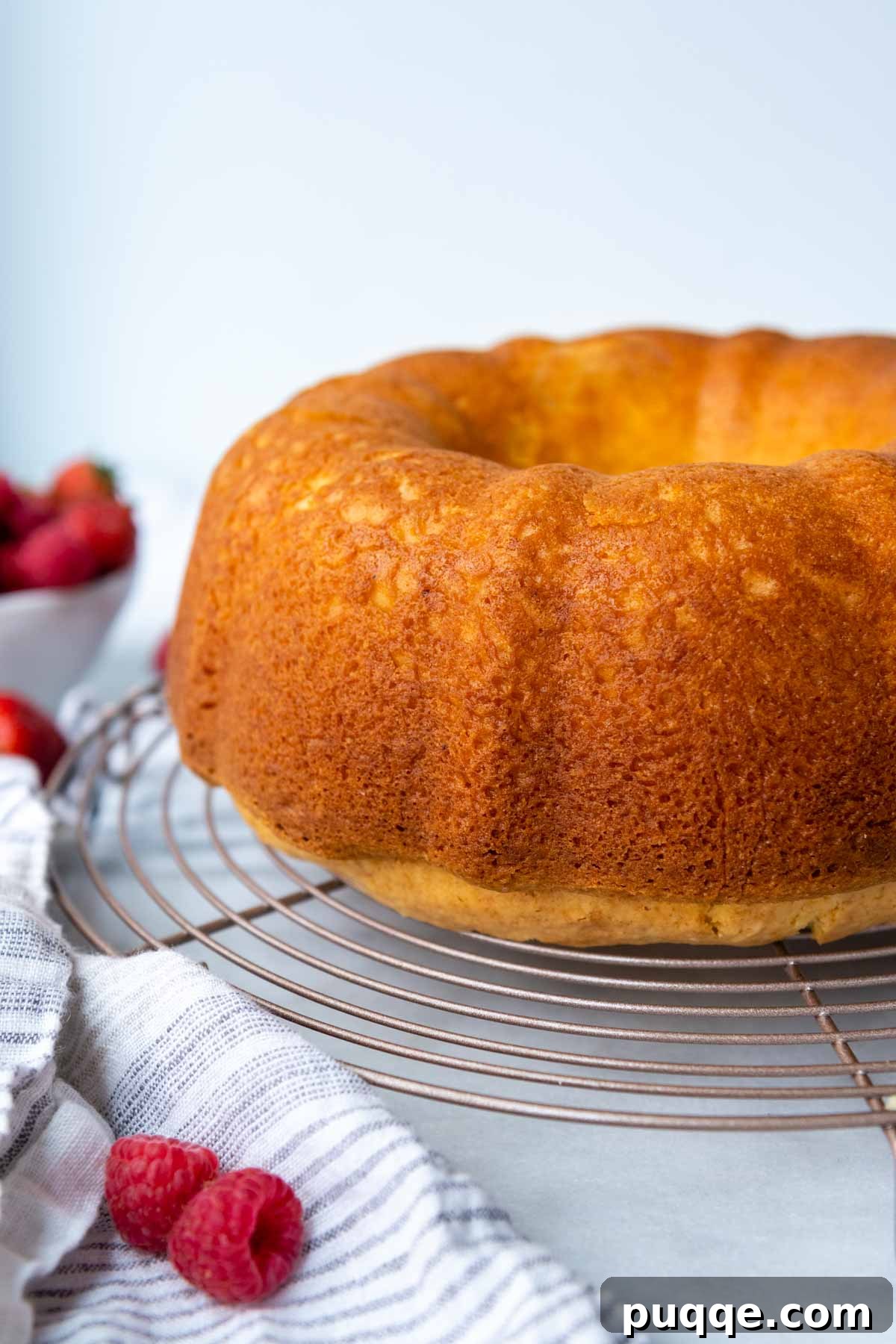
As a passionate gluten-free baker, I deeply understand the quest for the ultimate pound cake – one that boasts a perfect, moist crumb without succumbing to the common pitfalls of being dense, gummy, or excessively dry. After countless experiments and a dedicated pursuit of perfection, I’m thrilled to share my tried-and-true recipe for the **easiest and most delectable gluten-free pound cake**. The secret to its unparalleled texture and rich flavor lies in a surprisingly simple yet incredibly effective ingredient combination: cream cheese and butter. This ingenious duo works wonders, coating and absorbing into the starches to replicate the identical, beloved taste and tender texture of traditional, old-fashioned pound cake recipes. Whether you prefer the classic elegance of a **loaf cake** or the impressive presentation of a **gluten-free bundt cake**, this versatile recipe includes all the necessary modifications to achieve baking success every time.
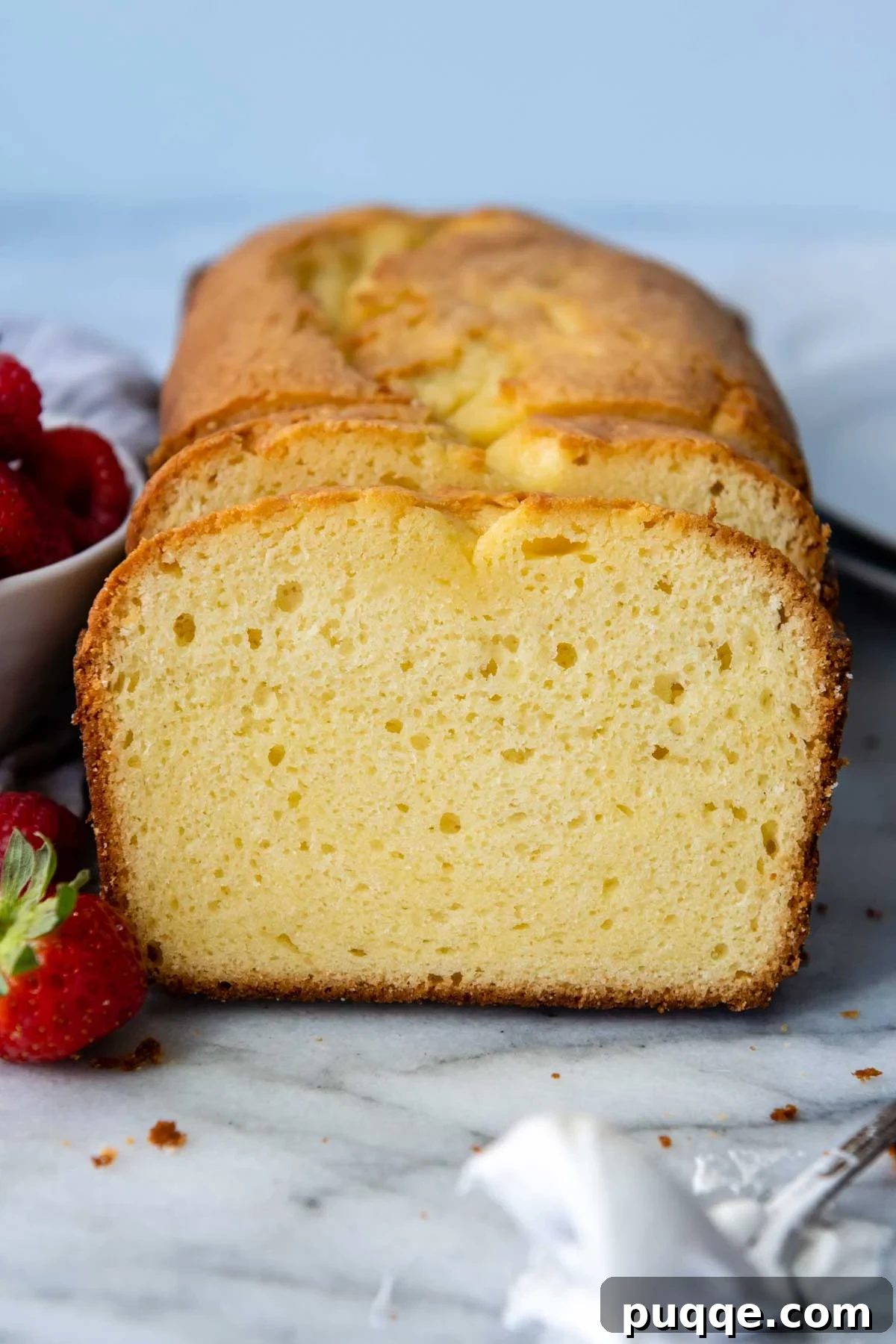
The Ultimate Guide to Exceptionally Moist Gluten-Free Pound Cake
Embark on a culinary journey to master the art of gluten-free pound cake. This comprehensive guide will equip you with all the knowledge and tips you need to bake a show-stopping cake that will impress even the most discerning palates. Say goodbye to dry, crumbly, or overly dense gluten-free baked goods and hello to a moist, tender, and flavorful pound cake that rivals its traditional counterparts.
Why This is the Best Gluten-Free Pound Cake Recipe You’ll Ever Make
My journey to develop the absolute best gluten-free vanilla pound cake was paved with extensive trial and error. Just like crafting my copycat vintage gluten-free Texas sheet cake, I quickly realized that simply substituting gluten-free flour for wheat flour wouldn’t be enough. Gluten-free baking demands a more nuanced approach, especially when it comes to a cake as iconic and texture-dependent as pound cake.
The Gluten-Free Baking Challenge
While some GF cake recipes, such as my ridiculously moist and fluffy gluten-free chocolate cake, are more forgiving with flour swaps, pound cake is an entirely different beast. Traditional pound cake relies heavily on butter for its signature rich flavor and dense, yet tender, crumb. Unfortunately, when gluten is absent, starches have a harder time absorbing large amounts of butter, often leading to unpleasantly dense and greasy results. The absence of gluten’s elastic structure also means GF batters can struggle to achieve that coveted light-yet-moist consistency without turning gummy.
I needed an innovative solution that would allow me to reduce the butter content without sacrificing the essential taste and moisture that define a classic pound cake. This challenge led me to explore a technique I successfully employed in another butter-reliant favorite: my tender gluten-free biscuits. In that recipe, a combination of butter and yogurt creates incredibly fluffy and tender results. For a gluten-free loaf cake, I needed something similar, but with a bit more structural integrity to hold up the cake’s form. This extensive experimentation led me to the triumphant discovery: **gluten-free pound cake with cream cheese**!
The Magic of Cream Cheese and Butter
The addition of cream cheese is truly the game-changer in this recipe. While butter provides that classic rich flavor, cream cheese introduces a luxurious tang and an incredible creaminess that transforms the cake’s texture. This dynamic duo works synergistically to coat and soften the gluten-free starches, ensuring a remarkably moist crumb that is neither heavy nor gummy. The cream cheese also contributes to a finer crumb structure, making the cake feel substantial yet melt-in-your-mouth tender. It’s the secret weapon that allows this gluten-free pound cake to achieve the identical, comforting taste and texture of those beloved old-fashioned recipes, minus the gluten. This thoughtful blend of fats creates an emulsion that perfectly moisturizes the gluten-free flour, preventing it from drying out during baking and ensuring every slice is a decadent delight.
Below, I’ll share all my best tips and tricks for making this simple yet absolutely amazing gluten-free pound cake, complete with a rich vanilla flavor, a beautifully moist interior, and a delightful golden, chewy crust. Plus, if you’re looking for a crowd-pleasing dessert, the included modifications will guide you in transforming this recipe into an ideal bundt cake for celebrations or holidays.
Excellent!! You would never guess that this is gluten-free. This is my go-to pound cake recipe now! Yummy! I made a blueberry sauce to put on top of it because that is usually how I like to eat pound cake, but this one is so good, I like it better just plain.
—Anne
Essential Ingredients for Your Perfect Pound Cake
When developing gluten-free dessert recipes, I always prioritize using ingredients that are commonly available and affordable at your local grocery store. This philosophy has not only been a recipe for success on my website but also for the delicious creations found in my gluten-free cookbook.
Choosing the Right Gluten-Free Flour Blend
The only truly specialty ingredient you’ll need is a high-quality all-purpose gluten-free flour blend. I cannot stress enough the importance of using Cup4Cup gluten-free flour for this recipe. It is a crucial gluten-free baking tip for mimicking the taste and texture of traditional baked goods. Cup4Cup’s blend is specifically formulated to provide the right balance of starches and binders (like xanthan gum) that are essential for gluten-free baking, preventing that dense or crumbly texture often associated with GF flours. If Cup4Cup is not available, look for another high-quality all-purpose blend that explicitly states it’s for “cup-for-cup” or “1:1” substitution and ideally includes xanthan gum in its ingredients. Avoid single-flour options, as they lack the complexity needed for this type of cake.
Dairy Essentials: Butter and Cream Cheese
Beyond the flour, the ingredient list is refreshingly simple: butter, cream cheese, sugar, eggs, vanilla, and baking powder. For the best possible results, it is absolutely essential to use **full-fat cream cheese**. This is definitely not the dessert to try and save calories on with reduced-fat alternatives, as the fat content is crucial for the cake’s structure, moisture, and rich flavor. The combination of butter with cream cheese helps to deeply coat and soften the crumb, imparting incredible moisture without making the cake dense or gummy. A similar method, using sour cream, is what I rely on for another Southern classic: my old-fashioned gluten-free hummingbird cake, demonstrating the power of dairy fats in gluten-free baking. It’s important that your butter is melted but still warm, and your cream cheese is cubed to ensure they cream together seamlessly with the sugar.
Other Key Components
- **Granulated Sugar**: Provides sweetness and contributes to the cake’s moist texture and golden-brown crust.
- **Large Eggs**: Act as a binder, provide structure, and add richness to the batter. Ensure they are at room temperature for better emulsification.
- **Vanilla Extract**: Don’t skimp on quality here! A good vanilla extract enhances the overall flavor profile significantly.
- **Baking Powder**: Our leavening agent, working in conjunction with the initial high oven temperature to give the cake a beautiful lift without over-drying.
I have not tested this gluten-free loaf cake recipe using dairy-free butter or cream cheese alternatives. However, if you venture to do so, please leave a comment below the recipe. I’d love to hear about your results and share them with the community!
Baking Your Gluten-Free Pound Cake: A Step-by-Step Guide
Let’s make this exceptionally moist gluten-free pound cake together! The following steps, complete with visual cues, will guide you through the process. For the precise ingredient amounts, please scroll down to the full recipe card.
Getting Started: Oven & Pan Preparation
Begin by preheating your oven to 350ºF (175ºC). This initial higher temperature is a crucial step: it jump-starts the leavening process, giving the cake a good rise. You will then lower the oven temperature to 325ºF (160ºC) for the majority of the baking time, allowing the cake to cook thoroughly without drying out. Prepare your baking pan by generously greasing it with nonstick cooking spray. For a loaf cake, use an 8×4-inch loaf pan. For extra assurance and easy release, I highly recommend lining the bottom with a piece of parchment paper cut to size. For bundt cake modifications, including pan preparation and specific ingredient amounts, please refer to the dedicated section below or the recipe card notes.
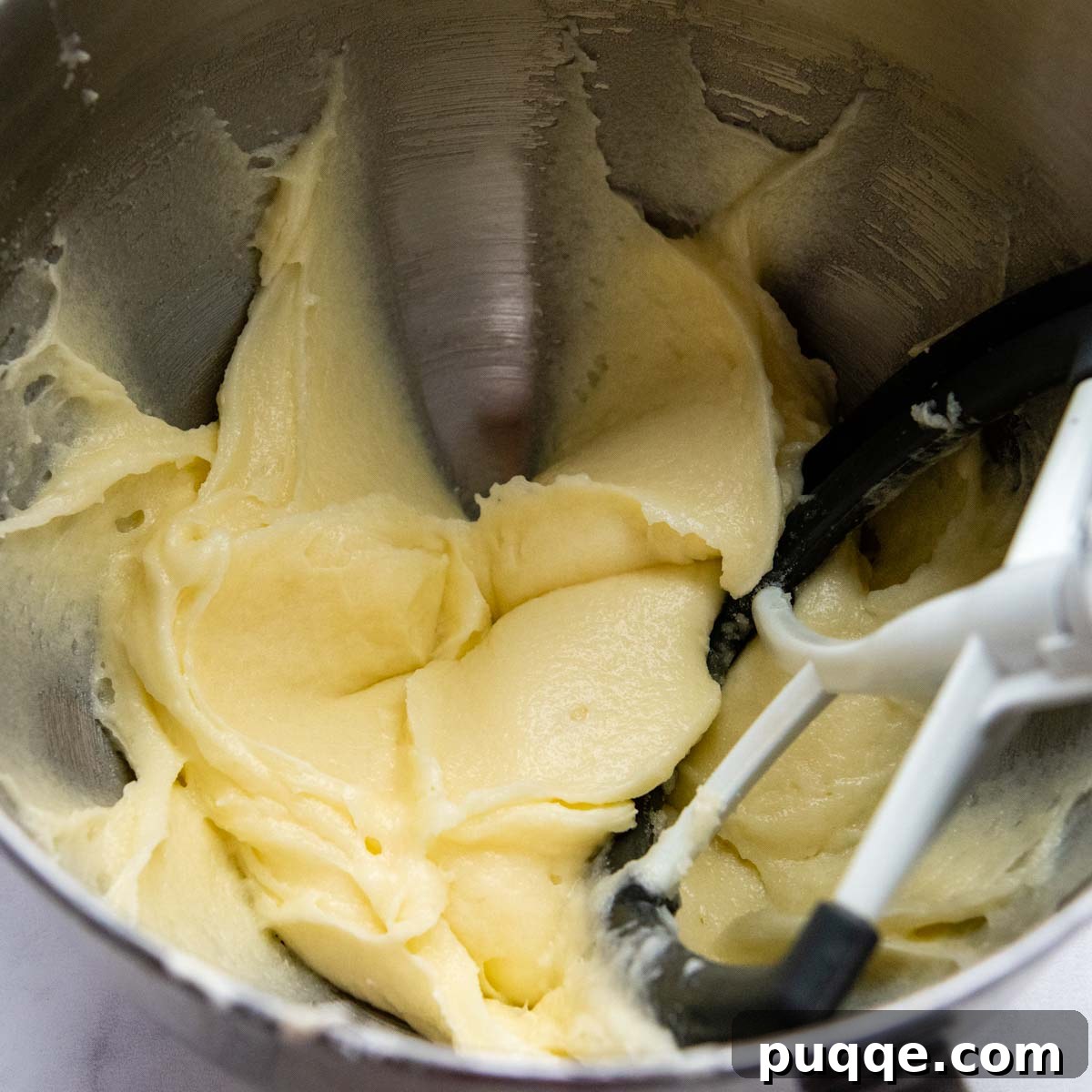
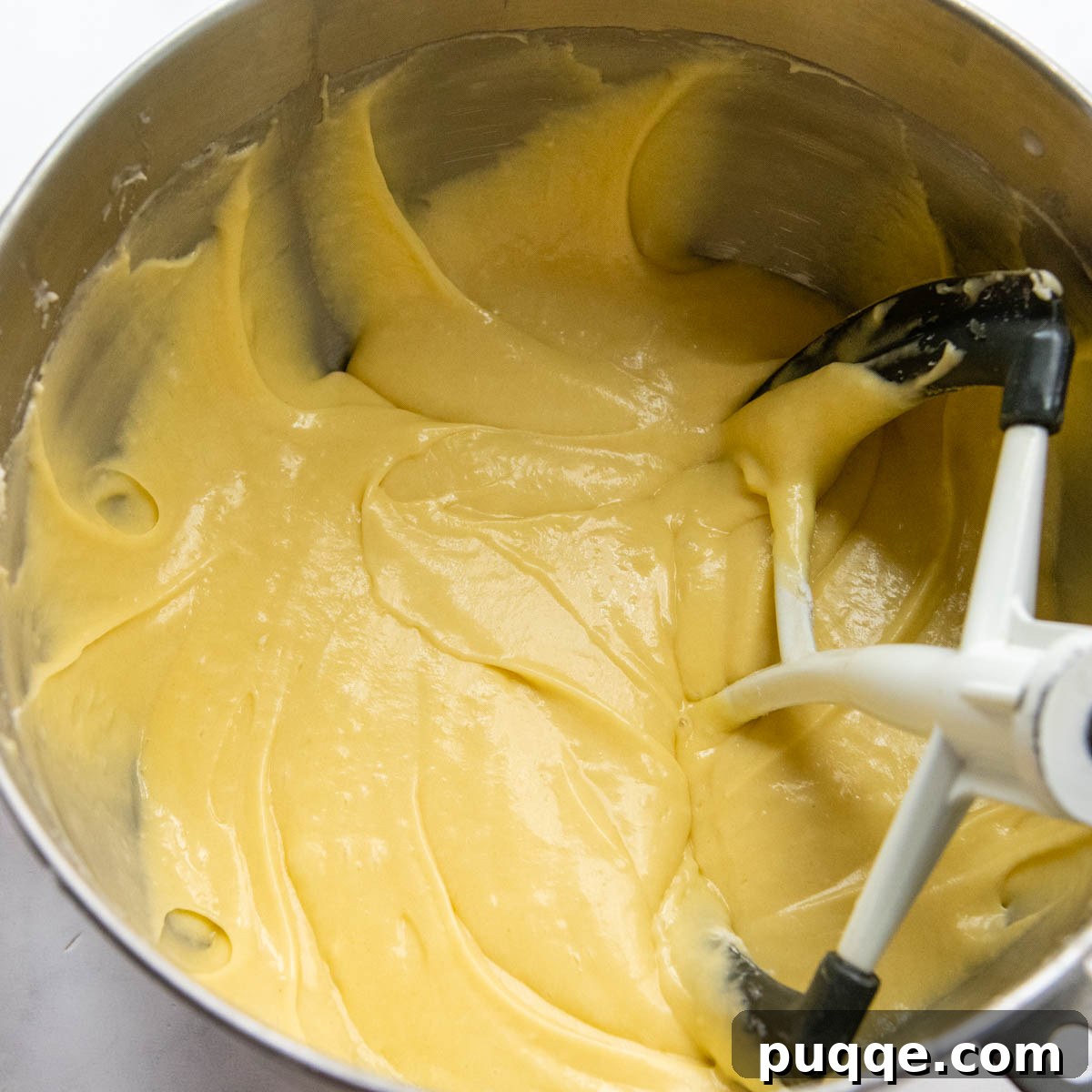
In a large mixing bowl, combine the melted, still-warm butter, cubed cream cheese, and granulated sugar. Beat these ingredients together until they are uniformly combined. Then, increase the mixer speed to high and continue beating for 1-2 minutes, until the mixture transforms into a pale, light, and fluffy consistency. This step is vital for incorporating air and ensuring a tender crumb.
Crafting the Batter: Wet Ingredients
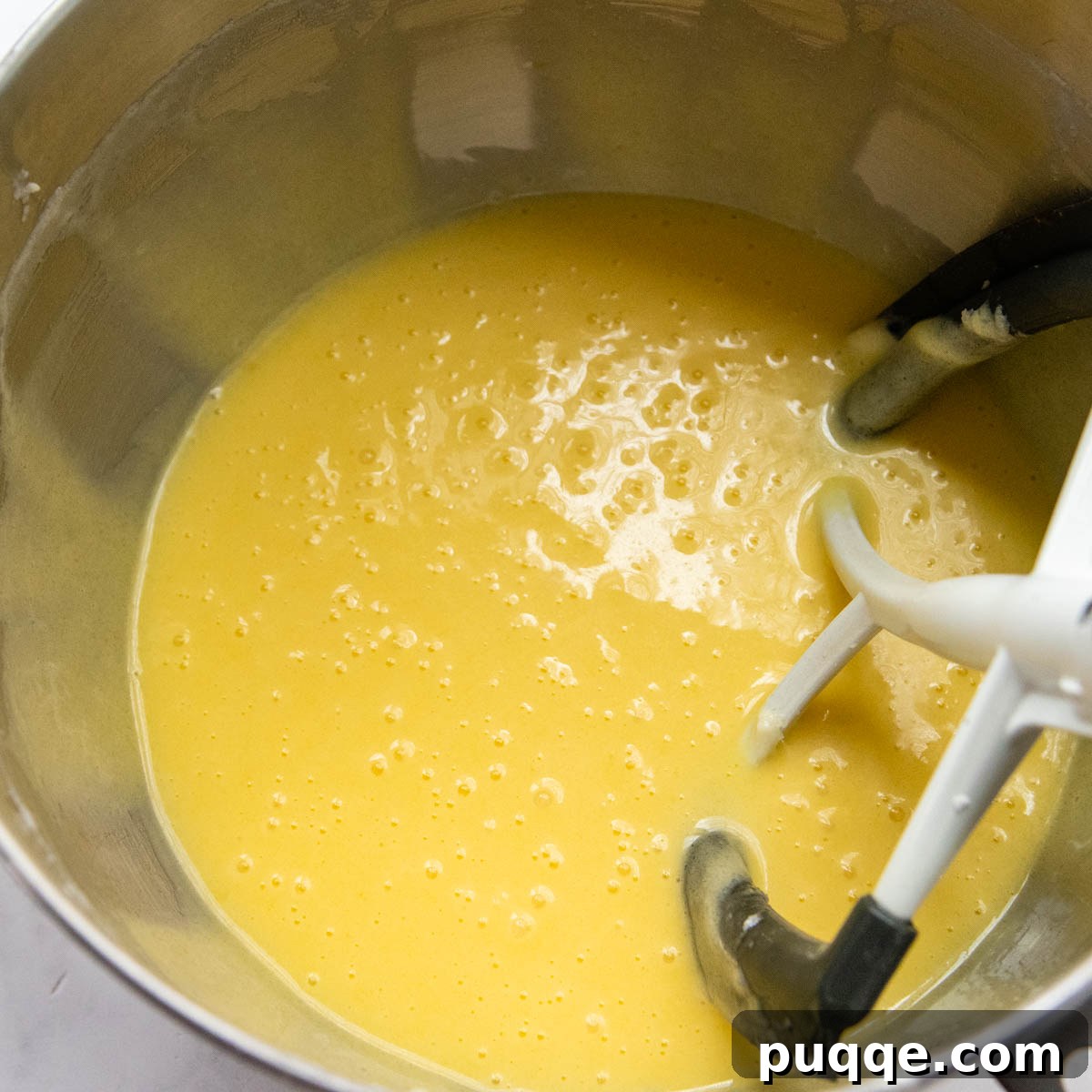
Once your butter, cream cheese, and sugar mixture is light and fluffy, it’s time to add the eggs. Incorporate the large eggs one at a time, mixing thoroughly on medium speed after each addition. This gradual process helps to emulsify the batter, preventing it from curdling and ensuring a smooth, cohesive consistency. After all the eggs have been fully mixed in, add the vanilla extract and beat until just combined. At this stage, you’ll notice the batter will become noticeably thinner and more liquid, which is exactly as it should be.
Incorporating Dry Ingredients & Baking
Now, it’s time to gently fold in the dry ingredients. Add the gluten-free all-purpose flour blend, baking powder, and salt to the wet mixture. Mix on low speed until the dry ingredients are just thoroughly combined. Be careful not to overmix the batter at this stage, as overmixing can lead to a tougher cake, even with gluten-free flours. Once combined, pour the batter into your prepared loaf pan and spread it evenly.
Place the loaf cake in the preheated 350ºF (175ºC) oven for the initial 15 minutes. After this time, leave the cake in the oven but immediately reduce the oven temperature to 325ºF (160ºC). Continue baking for an additional 48-52 minutes, or until a cake tester (my preferred method for accuracy) or a toothpick inserted into the center comes out clean, with no liquid batter attached. This two-stage baking temperature ensures a beautifully golden crust and a perfectly cooked, moist interior. If you are baking a bundt cake, please refer to the specific ingredient adjustments and baking times detailed in the recipe card below, as they will differ slightly.
Transforming Your Loaf into a Gluten-Free Bundt Cake
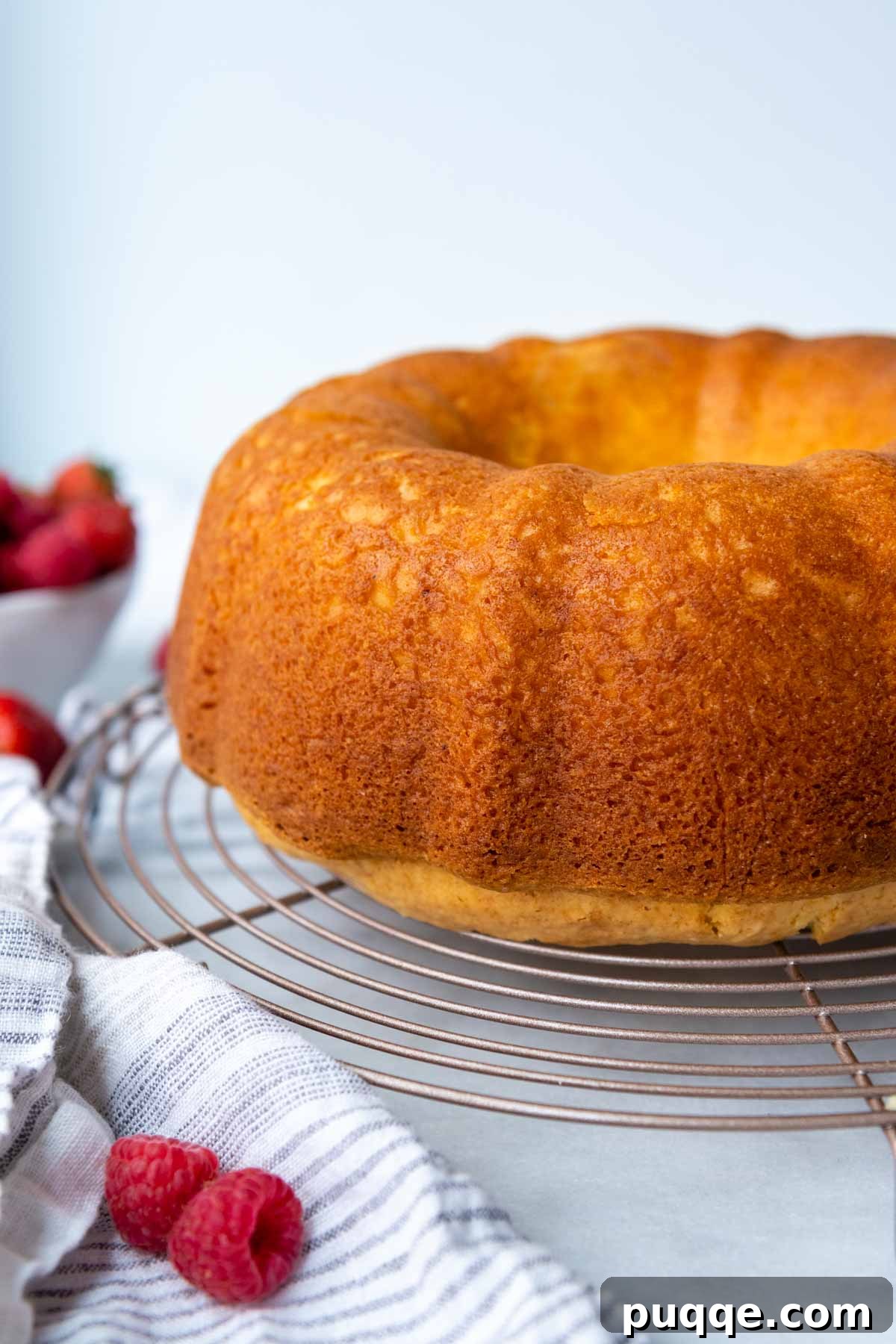
If you’re aiming for a show-stopping dessert, this recipe easily adapts to a beautiful bundt cake! The slight increase in ingredients ensures the bundt pan is filled perfectly, and the adjusted baking times account for its unique shape. A bundt cake not only looks stunning but also offers a slightly different crust-to-crumb ratio, which many adore.
For a gluten-free bundt cake, you will need to adjust the ingredients slightly. Please refer to the specific ingredient list for bundt cake in the recipe card notes section below. For pan preparation, liberally grease your bundt pan with nonstick cooking spray. If your pan is older or doesn’t have a reliable nonstick finish, I highly recommend brushing it thoroughly with melted butter or shortening, then dusting it with gluten-free flour or a fine layer of granulated sugar. Tap out any excess before pouring in the batter. This step is crucial for ensuring your beautiful bundt cake releases cleanly. The baking process for a bundt cake also includes the initial high-heat bake, followed by a lower temperature, but with adjusted timings to ensure it cooks evenly throughout its thicker shape.
Delightful Serving Suggestions for Your Pound Cake
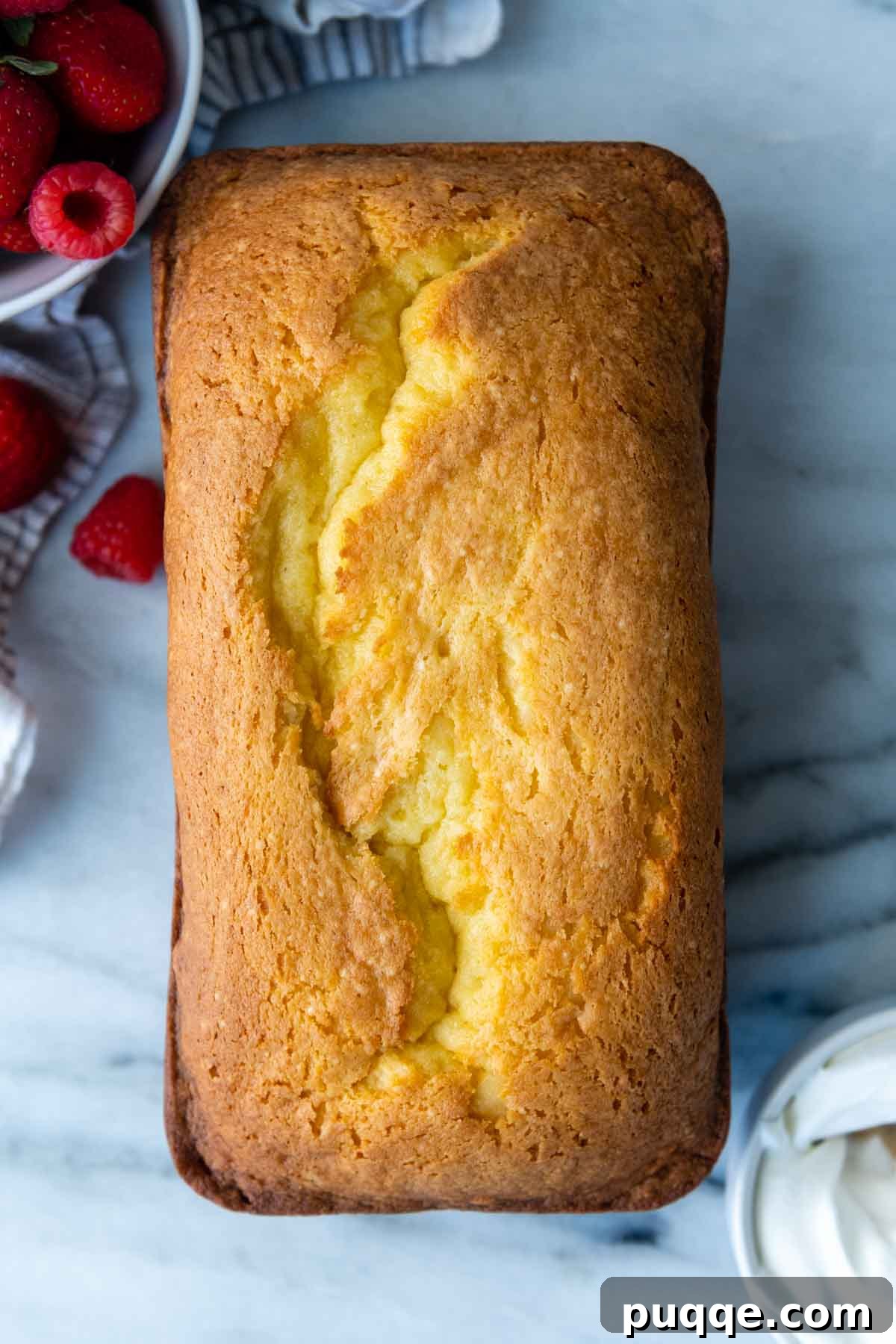
A classic vanilla pound cake is a magnificent canvas for a myriad of delicious serving ideas, making it incredibly versatile for any occasion. For the first round of serving, I almost always gravitate towards the timeless pairing of homemade whipped cream and an abundance of fresh, seasonal berries – a combination that highlights the cake’s exquisite flavor without overshadowing it. The simple elegance of this pairing is always a crowd-pleaser.
However, with any delicious leftovers, I love to get a little more creative. Beyond the classic whipped cream, this pound cake tastes absolutely fantastic when topped with bright, tangy lemon curd, a dollop of creamy honey ricotta, or various vibrant fruit sauces. For those with a sweet tooth, a drizzle of slightly melted Nutella adds a touch of indulgence. Don’t limit yourself to just fresh slices; for a truly unique treat, slices can be grilled for a few minutes on low heat, or simply toasted, bringing out a wonderful caramelized exterior. Serve these warm, toasted slices with juicy, sliced stone fruits like peaches or plums and a scoop of vanilla bean ice cream for an epic, unforgettable dessert experience.
Creative Flavor Variations to Explore
While the classic vanilla gluten-free pound cake is a masterpiece on its own, its simple base makes it incredibly adaptable for exciting flavor twists. Don’t hesitate to experiment and make this recipe truly your own:
- Alternate Extracts: Easily substitute or combine other extracts with vanilla to create new profiles. Almond extract adds a sophisticated, nutty aroma, while coconut extract can transport you to a tropical paradise. Simply replace 1 teaspoon of the vanilla with your chosen extract, or use a combination.
- Homemade Frosting or Glaze: For an extra touch of sweetness and moisture, whip up a simple pound cake glaze. Whisk together 1 cup of powdered sugar with 2 tablespoons of liquid until smooth. You can use milk, cream, coconut milk for a dairy-free option, or even freshly squeezed lemon or orange juice for a burst of citrus flavor. Drizzle generously over the cooled cake.
- Vibrant Citrus Pound Cake (Lemon, Orange, or Lime): Infuse your cake with bright, zesty notes. Add 2 tablespoons of finely grated citrus zest (from lemon, orange, or lime) and 1 tablespoon of fresh citrus juice directly into the butter and cream cheese mixture at the beginning of the recipe. For an intensified flavor, you may also replace 1 teaspoon of the vanilla extract with a corresponding orange or lemon extract.
Save this recipe to your Pinterest board!
Let’s be friends on Pinterest! I’m always sharing great recipes!
Did you make this recipe? I love hearing from you! Leave a star rating and comment below the recipe card. It helps others when searching for recipes and I appreciate feedback from our community. You will always hear back from me! -Melissa
How to Make Extra Moist Gluten-Free Pound Cake
 Melissa Erdelac
Pin
Rate
Remove Ads
Ingredients
- 8 tablespoons melted unsalted butter, still warm
- 4 ounces cream cheese, cubed
- 1 ¼ cup granulated sugar
- 4 large eggs
- 1 ½ tablespoons vanilla extract
- 1 ⅔ cup gluten-free all-purpose flour, (Cup4Cup GF flour highly recommened)
- 1 teaspoon baking powder
- ½ teaspoon salt
Equipment
-
8X4 Loaf Pan
-
Stand Mixer
-
Cake Tester
Instructions
-
Begin by preheating the oven at 350ºF (175ºC). Please note, you will begin baking the pound cake at 350ºF (175ºC) and then lower the oven temperature to 325ºF (160ºC) for the majority of the baking time. This jump starts the leavening, but then slows it down so the cake can cook for a longer time without drying it out.
-
Grease the baking pan with nonstick cooking spray. For a loaf cake use an 8.5 X 4.5 inch loaf pan. For easy releasing, I recommend lining the bottom with cut-to-size wax or parchment paper. For bundt cake ingredient amounts and baking instructions, see the recipe notes.
-
In a large mixing bowl beat together the melted, warm butter, cubed cream cheese, and sugar until uniformly combined. Increase the speed to high and beat for 1-2 minutes, or until the mixture is pale and fluffy.8 tablespoons melted unsalted butter, 4 ounces cream cheese, 1 ¼ cup granulated sugar
-
Add the eggs, one at a time, while mixing well between each addition. Then, add the vanilla extract to combine.4 large eggs, 1 ½ tablespoons vanilla extract
-
Add the gluten-free flour, baking powder, and salt. Mix until throughly combined.1 ⅔ cup gluten-free all-purpose flour, 1 teaspoon baking powder, ½ teaspoon salt
-
Pour the batter into your prepared pan and evenly spread. Start in the 350ºF (175ºC) oven for 15 minutes. Leave the cake in, but turn down the oven temp to 325ºF (160ºC). Continue baking for 48-52 more minutes, until a cake tester (preferred) or toothpick inserted in the middle comes out without liquid batter. Cool in the pan for 10 minutes before turning onto a wire rack to cool completely.
Notes
Bundt Cake Modification
- For the ingredients, you will need 12 tbsp butter, 6 ounces cream cheese, 1 ¾ cup + 2 tbsp sugar, 6 eggs, 1 ½ tbsp vanilla extract, 2 ½ cups gluten-free flour, 1 ½ tsp baking powder, and ¾ tsp salt.
- Liberally grease your bundt pan with nonstick cooking spray. If your pan is older and does not have a nice nonstick finish, I recommend brushing with melted butter and then dusting with gluten-free flour or sugar. Tap out excess before pouring in batter.
- To bake, start in the 350ºF (175ºC) oven for 20 minutes. Leave the cake in, but turn down the oven temp to 325ºF (160ºC). Continue baking for 50 more minutes, until a cake tester (preferred) comes out clean. When testing a bundt cake, check in a couple different places, like in the middle and towards the inner edge.
- Cool in the pan for 15 minutes. Gently go around both edges with a knife and then turn onto a wire rack to cool completely.
Recipe adapted fromAmerica’s Test Kitchen: How Can It Be Gluten-Free Cookbook